Author: james-paragon
-

Do You Need a Parasite Cleanse? When to Seek Medical Care
Most people do not need a parasite cleanse. Commercial herbal cleanses have not been proven to treat intestinal parasite infections, and digestive symptoms alone cannot confirm the presence of parasites. If you have ongoing stomach problems or think you may have been exposed to a parasite, a healthcare professional can help determine whether testing is…
-

Gut Parasite Cleanses: Do They Work and What Are the Risks?
Gut parasite cleanses are not a proven treatment for intestinal parasite infections. While balanced nutrition and hydration support normal digestion, herbal cleanse supplements may cause side effects without addressing the underlying problem. Bloating, diarrhea, and stomach discomfort do not necessarily mean you have parasites. These symptoms can have several causes, making it important to understand…
-

Why Do Trace Mineral Drops Taste Bitter or Metallic?
Trace mineral drops often taste bitter, salty, or metallic because they contain concentrated dissolved minerals. Some magnesium salts have a bitter taste, while certain potassium salts can taste salty or metallic. The strength of the flavor depends on the formula, the amount used, and the amount of liquid you mix it with. An unpleasant taste…
-

Why Does NAC Smell Like Sulfur? What It Means for Liver Support Capsules
NAC can smell like sulfur because N-acetylcysteine contains a sulfur-bearing thiol group. Some NAC supplements have a noticeable odor resembling rotten eggs, which can be a normal characteristic of the ingredient. However, the smell alone cannot establish whether capsules are spoiled, fresh, or safe to use. Packaging condition, expiration dates, and visible changes provide more…
-
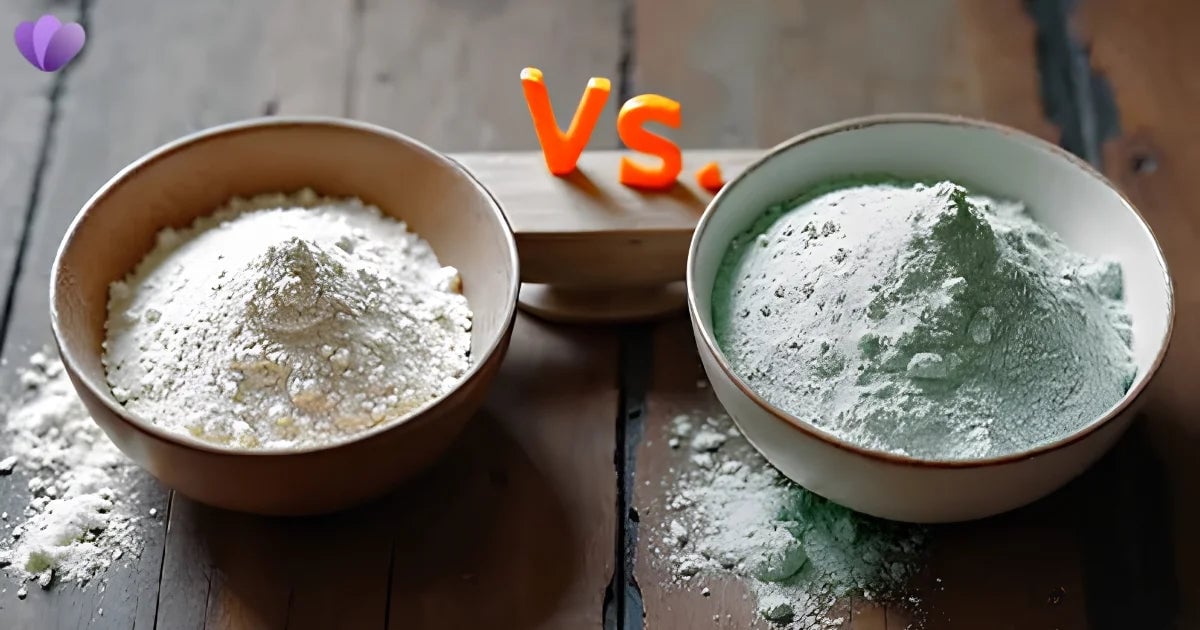
Bentonite Clay vs Zeolite: Differences, Uses & Safety
Bentonite clay and zeolite are different natural minerals. Bentonite is a layered clay that can swell in water, while zeolite has a porous crystalline structure. Both can bind certain substances through adsorption and ion exchange, but neither has been proven to provide general whole-body detox benefits in humans. The main differences lie in their mineral…
-

Why Are Zinc and Selenium Added to Liver Support Formulas?
Zinc and selenium are added to liver support formulas because they help maintain normal liver function and support the body’s natural antioxidant defense systems. Zinc supports enzyme activity and cellular health, while selenium is essential for antioxidant enzymes that help protect cells from oxidative stress. Both are important trace minerals, but getting more isn’t always…
-

NAC vs Glutathione: What’s the Difference for Antioxidant Support?
NAC supports the body’s natural glutathione production by supplying cysteine, while glutathione supplements provide the antioxidant directly. Neither is automatically better. The right choice depends on your purpose, formulation, individual needs, and available evidence. NAC, or N-acetylcysteine, is a derivative of cysteine, an amino acid the body uses to produce glutathione. Glutathione is a tripeptide…
-

Activated Charcoal Capsules vs Powder: Which Format Makes More Sense?
Activated charcoal capsules are more convenient, offering pre-measured servings, portability, and less mess. Activated charcoal powder offers more serving flexibility, allowing users to measure and mix it according to product directions. Neither format is automatically more effective or higher quality. When comparing activated charcoal capsules vs powder, consider the charcoal source, serving size, ingredients, manufacturing…
-

Trace Mineral Drops vs Electrolyte Powders: What’s the Difference?
Trace mineral drops vs. electrolyte powders may sound like a simple liquid-versus-powder comparison, but the real difference goes deeper than just the format. Both types of products can provide minerals, yet they are not automatically equivalent. What matters most is which minerals are included, how much each serving provides, whether the formula contains sugar, sweeteners,…
-

TUDCA vs Ox Bile: What’s the Difference for Bile Support and Digestion?
If you are comparing TUDCA vs ox bile, the most important thing to know is that they are both related to bile physiology, but they are not the same ingredient and shouldn’t be treated as interchangeable. TUDCA, or tauroursodeoxycholic acid, is a specific hydrophilic, taurine-conjugated bile acid commonly discussed in relation to bile-acid metabolism, bile…
-
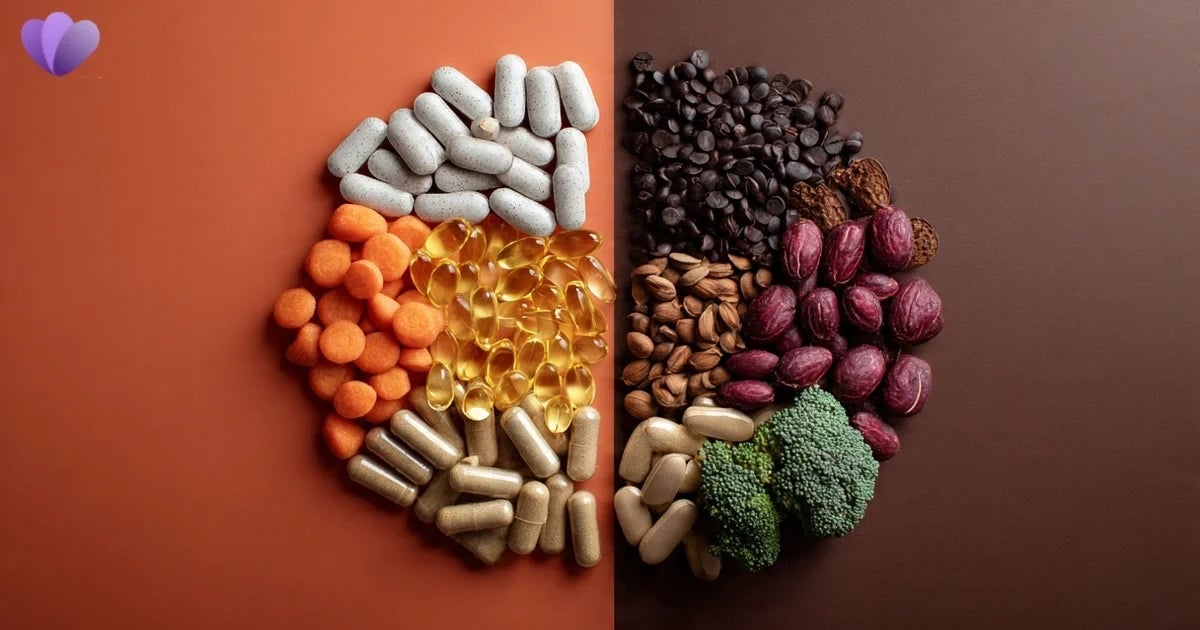
Activated Charcoal vs Zeolite: 7 Key Differences in Binder Supplements
If you are researching binder supplements, you have probably come across both activated charcoal and zeolite and wondered whether they do the same thing. The short answer is no. Activated charcoal vs. zeolite is not a like-for-like comparison. Activated charcoal is a highly porous carbon-based material, while zeolite is a naturally occurring aluminosilicate mineral. Clinoptilolite…
-

What Is Inositol? Benefits, Types, Uses & Safety
Inositol is a naturally occurring, sugar-like compound that your body makes and that you also get from everyday foods. You may see it called vitamin B8, although it is not technically a vitamin. Inositol also appears in dietary supplements, most commonly as myo-inositol and D-chiro-inositol. Interest in inositol has grown because researchers have studied its…