Contact USA/Canada Toll Free +1 (800) 917-4461 🔥 To Get Free Shipping Order Over $70 🔥

Blog

  • Do You Need a Parasite Cleanse? When to Seek Medical Care

    Do You Need a Parasite Cleanse? When to Seek Medical Care

    Most people do not need a parasite cleanse. Commercial herbal cleanses have not been proven to treat intestinal parasite infections, and digestive symptoms alone cannot confirm the presence of parasites. If you have ongoing stomach problems or think you may have been exposed to a parasite, a healthcare professional can help determine whether testing is appropriate.

    Understanding when to seek medical care and what to expect during an appointment can help you make a more informed decision.

    Should You Try a Parasite Cleanse?

    A parasite cleanse usually involves herbal supplements, dietary changes, or both. These routines are often promoted as ways to remove parasites from the digestive system.

    However, symptoms such as bloating, fatigue, and abdominal discomfort can have many causes, including food intolerances, constipation, and other digestive conditions.

    Taking a cleanse without knowing the cause may delay appropriate care. There is also a difference between supplements marketed for general wellness and treatments used for diagnosed infections.

    If you’re considering a parasite cleanse because of unexplained symptoms, it makes sense to investigate the cause before starting a new routine.

    When Should You See a Doctor for Parasites?

    Occasional digestive discomfort does not necessarily indicate a parasitic infection. However, some symptoms and exposure histories may warrant medical attention.

    Consider arranging an appointment if you experience persistent diarrhea, unexplained weight loss, recurring abdominal discomfort, or symptoms following possible exposure to contaminated food or water.

    Recent travel, drinking untreated water, or close contact with someone who has a diagnosed infection can also provide useful context.

    For a closer look at possible warning signs, see our explanation of intestinal parasite signs.

    Seek prompt medical attention for bloody stools, severe abdominal pain, high fever, repeated vomiting, or signs of dehydration. Severe dehydration, fainting, or confusion may require emergency care.

    People who are pregnant, have weakened immune systems, or care for young children with concerning symptoms should seek medical advice earlier.

    What Should You Tell Your Doctor?

    What Should You Tell Your Doctor?

    A clear description of your symptoms and recent activities can help your doctor decide which investigations, if any, are needed.

    Before your appointment, make a note of:

    • Symptoms: When they started, how often they occur, and whether they are improving or worsening.
    • Possible exposures: Recent travel, untreated drinking water, unusual food exposure, or contact with someone with an infection.
    • Medications and supplements: Prescription medicines, over-the-counter products, herbs, and any cleanse products you have taken.
    • Medical history: Relevant health conditions, previous tests, and treatments.

    For example, diarrhea that started after drinking untreated water during a camping trip may lead your doctor to consider different possibilities than occasional bloating without a known exposure.

    You don’t need to identify a particular parasite or request a specific test yourself. Providing accurate information helps the healthcare professional assess your situation.

    How Are Parasitic Infections Diagnosed?

    There is no single test for every parasitic infection. A healthcare professional selects appropriate tests based on symptoms, medical history, and possible exposure.

    For some suspected intestinal infections, stool testing may be recommended. Depending on the suspected organism, testing may look for parasites, their eggs, proteins, or genetic material.

    More than one sample may sometimes be needed. Other investigations, including certain blood tests, may be considered when appropriate.

    A negative result does not always rule out every parasitic infection. If symptoms continue, your doctor can decide whether further evaluation is necessary.

    Why Can’t a Parasite Cleanse Replace Medical Treatment?

    Not every parasitic infection requires the same treatment. Some may need prescription medication, while others require different care depending on the organism and the person’s health.

    Commercial herbal cleanses have not been established as reliable treatments for these infections.

    Feeling better after changing your diet or taking supplements also does not prove that parasites were present or removed.

    Herbal products may cause unwanted effects or interact with medicines. We cover these considerations separately in our discussion of parasite cleanse benefits and risks of parasite cleansing.

    Paragon Cleanse supplements may help support general wellness and normal body functions. However, they are not intended to diagnose, treat, cure, or prevent any disease and should not replace professional medical advice or care.

    What Should You Do While Waiting for an Appointment?

    What Should You Do While Waiting for an Appointment?

    If your symptoms are mild, monitor any changes and maintain adequate hydration, particularly if you have diarrhea.

    Keep a brief record of your symptoms, including when they occur and whether anything seems to make them worse. Bring this information to your appointment.

    Avoid starting an unproven cleanse to treat a suspected infection. If you’re already taking supplements, let your healthcare professional know what they contain.

    Final Thoughts

    You do not need to start a parasite cleanse simply because you experience digestive discomfort. If symptoms persist or you have a reason to suspect an infection, professional evaluation can help identify the cause and determine the next steps.

    Frequently Asked Questions

    Can You Have Intestinal Parasites Without Symptoms?

    Yes. Some parasitic infections cause few or no noticeable symptoms. However, having no symptoms does not mean everyone needs routine parasite testing. Whether testing is appropriate depends on individual circumstances and possible exposure.

    Should You Bring a Stool Sample to Your Doctor?

    Only collect a stool sample if your healthcare professional or testing laboratory instructs you to do so. They can explain which container to use and how to correctly collect and submit the sample.

    What if Your Parasite Test Is Negative but Symptoms Continue?

    Follow up with your healthcare professional. Persistent symptoms may have another cause, or further investigation may be appropriate. Your doctor can decide whether additional or different testing is needed.

    Medical Disclaimer: This content is for educational purposes only and is not a substitute for professional medical advice, diagnosis, or treatment.

  • Gut Parasite Cleanses: Do They Work and What Are the Risks?

    Gut Parasite Cleanses: Do They Work and What Are the Risks?

    Gut parasite cleanses are not a proven treatment for intestinal parasite infections. While balanced nutrition and hydration support normal digestion, herbal cleanse supplements may cause side effects without addressing the underlying problem.

    Bloating, diarrhea, and stomach discomfort do not necessarily mean you have parasites. These symptoms can have several causes, making it important to understand what parasite cleanses can and cannot do before trying one.

    Do Gut Parasite Cleanses Actually Work?

    A gut parasite cleanse typically involves herbal supplements, dietary restrictions, or products marketed to remove intestinal parasites.

    Commonly promoted ingredients include wormwood, black walnut, and clove. Although these herbs have a history of traditional use, there is insufficient reliable clinical evidence that commercial parasite cleanse supplements effectively treat intestinal parasite infections in humans.

    Some laboratory studies have examined plant compounds for antiparasitic activity, but laboratory findings do not establish that a supplement works safely or effectively in people.

    A confirmed parasitic infection may require prescription medication selected for the specific organism. Herbal cleanses should not replace appropriate diagnosis or treatment.

    Signs That May Indicate an Intestinal Parasite Infection

    Symptoms vary depending on the parasite involved, the severity of infection, and individual health factors.

    Possible signs include:

    • Persistent diarrhea
    • Abdominal pain or cramping
    • Nausea or vomiting
    • Unexplained weight loss
    • Bloating or excessive gas
    • Fatigue or weakness
    • Visible worms in stool

    However, these symptoms can also result from food intolerances, digestive disorders, or bacterial infections.

    Some parasitic infections cause few or no noticeable symptoms, while others may lead to prolonged digestive problems.

    If symptoms persist, especially after international travel or exposure to contaminated food or water, consult a healthcare professional.

    The testing methods used to diagnose parasitic infections depend on symptoms, exposure history, and the suspected organism. In some cases, multiple stool samples may be needed because parasites are not always detected in a single sample.

    Are There Any Benefits to a Gut Parasite Cleanse?

    Are There Any Benefits to a Gut Parasite Cleanse?

    The potential benefits often come from healthier habits introduced alongside a cleanse rather than the cleanse products themselves.

    Eating fiber-rich foods, maintaining regular meals, and drinking enough fluids can support normal bowel function and everyday digestive health.

    People may notice improvements after changing their eating habits, but feeling better does not confirm that parasites were present or removed.

    Strictly avoiding gluten, dairy, or sugar is not a proven parasite treatment. Unnecessary food restrictions may also make it harder to maintain a balanced diet.

    For most people, consistent eating habits offer a more practical approach to general digestive wellness than following an aggressive cleansing routine.

    Parasite Cleanse Side Effects and Risks

    The safety of a parasite cleanse depends on its ingredients, dosage, manufacturing quality, and individual health conditions. Natural ingredients are not automatically harmless.

    Herbal Supplements and Digestive Reactions

    Some herbal cleanse products may cause nausea, stomach cramps, diarrhea, or allergic reactions. Certain ingredients can also interact with medications or contribute to liver problems.

    A change in bowel movements after taking a supplement does not prove that parasites are being eliminated.

    Some people interpret headaches, fatigue, or digestive discomfort as signs of a successful cleanse. However, these reactions may reflect side effects, dehydration, or another health issue rather than parasite removal.

    For additional safety information, see parasite cleanse side effects, including symptoms that should not be ignored.

    Dehydration and Electrolyte Imbalances

    Some cleansing routines involve laxatives, fasting, or restrictive diets. These approaches may cause excessive diarrhea, dehydration, and electrolyte disturbances.

    Severe fluid loss can be particularly concerning for older adults and people with existing kidney conditions.

    The safety concerns associated with detox and cleansing programs are especially relevant when products contain laxatives or require significant dietary restrictions.

    Product Quality and Medication Interactions

    Poorly manufactured supplements may contain undeclared ingredients or contaminants. Even clearly labeled herbal products can cause unwanted reactions.

    Taking several supplements together can also increase the possibility of ingredient overlap or interactions.

    People who are pregnant, breastfeeding, taking prescription medications, or managing liver or kidney conditions should seek medical advice before using cleanse supplements.

    What Should You Do Before Trying a Parasite Cleanse?

    If you are considering a gut parasite cleanse, first determine whether your symptoms need medical attention.

    Before taking any supplement:

    • Check the complete ingredient list and safety warnings.
    • Follow the product’s labeled serving instructions.
    • Avoid combining multiple cleanse products without professional advice.
    • Check for potential medication interactions.
    • Seek medical care for persistent digestive symptoms.

    Our parasite cleanse preparation checklist explains additional precautions worth considering before introducing a supplement.

    Seek prompt medical attention for severe abdominal pain, bloody diarrhea, high fever, or signs of significant dehydration.

    A Safer Approach to Digestive Health

    A Safer Approach to Digestive Health

    Not every digestive symptom calls for a parasite cleanse. When an infection is suspected, appropriate testing can identify the cause and help guide effective treatment.

    Paragon Cleanse is a dietary supplement, not a replacement for medical diagnosis or prescribed antiparasitic medication.

    A balanced diet, adequate hydration, and timely medical care provide a more dependable foundation for digestive health than relying on unverified parasite-removal claims.

    Disclaimer: This content is for general information only and does not replace professional medical advice, diagnosis, or treatment.

  • Why Do Trace Mineral Drops Taste Bitter or Metallic?

    Why Do Trace Mineral Drops Taste Bitter or Metallic?

    Trace mineral drops often taste bitter, salty, or metallic because they contain concentrated dissolved minerals. Some magnesium salts have a bitter taste, while certain potassium salts can taste salty or metallic. The strength of the flavor depends on the formula, the amount used, and the amount of liquid you mix it with.

    An unpleasant taste doesn’t automatically mean the drops have spoiled. Here is what causes it, what helps, and when it’s worth checking the bottle.

    What Causes the Bitter or Metallic Taste in Mineral Drops?

    Liquid mineral supplements contain mineral compounds dissolved in water. These compounds can produce different tastes depending on their chemical form and concentration.

    For example, research on mineral taste shows that magnesium chloride and magnesium sulfate are commonly associated with bitterness. Potassium chloride can produce salty, bitter, or sometimes metallic sensations, while calcium chloride may taste both bitter and salty.

    These mineral salts are examples and may not be present in every trace mineral supplement. Even when a product contains magnesium, its exact form can vary. The taste depends on the types of minerals used, their concentrations, and how the supplement is formulated.

    Why Does the Taste Seem Stronger in Plain Water?

    A concentrated serving can stand out more in plain water than in a flavored drink. The amount of water matters too: a small glass produces a stronger-tasting mixture than a larger one using the same amount of water.

    Water itself can affect the result. Filtered or reverse osmosis (RO) water may have a different mineral profile and flavor from tap water. For more on that distinction, see trace mineral drops for reverse osmosis water.

    How to Make Trace Mineral Drops Taste Better

    You don’t need to increase or decrease your serving just because the taste is strong. Try adjusting how you prepare it, provided the product directions allow these changes.

    1. Use More Water

    Mix the labeled serving into a larger amount of water. This spreads the dissolved minerals through more liquid, so each sip may taste milder.

    More water does not mean fewer minerals. The total dose stays the same as long as you drink the full mixture.

    2. Try a Flavored Drink, If Permitted

    Some mineral drops can be added to juice or another beverage. A stronger flavor may make the mineral taste less noticeable. Check the label first; not every formula has the same mixing instructions.

    3. Chill and Mix the Drink Well

    Cold water may make the taste more tolerable for some people. Stir or gently shake the drink after adding the drops so that each sip isn’t noticeably stronger than the last. Cooling changes how the drink tastes; it doesn’t remove the minerals.

    4. Measure the Serving Instead of Guessing

    Use the amount stated on the bottle. An extra-strong taste isn’t proof that you need fewer drops, and a mild taste doesn’t mean you need more. Mineral amounts and drop sizes can vary between products.

    When Is a Metallic Taste a Reason to Check the Bottle?

    When Is a Metallic Taste a Reason to Check the Bottle?

    A bitter or metallic taste can be normal in mineral concentrates, but a sudden change in the product’s usual smell, taste, or appearance warrants attention.

    Before using the drops, check for:

    • A broken safety seal or leaking bottle.
    • An expired product or storage outside the label’s directions.
    • Unexpected discoloration, cloudiness, or particles.
    • A distinctly different smell or flavor than before.

    Some formulas naturally look cloudy or contain sediment, so compare the bottle with the manufacturer’s description. If something seems wrong, stop using it and contact the manufacturer rather than masking an unusual taste.

    Taste is not a quality test. A stronger metallic flavor doesn’t prove higher mineral content, better absorption, contamination, or spoilage.

    What Should You Check on a Mineral Drops Label?

    What Should You Check on a Mineral Drops Label?

    When comparing liquid trace mineral supplements, focus on the Supplement Facts and preparation instructions rather than flavor alone.

    Look for the serving size, the amount of each mineral per serving, any disclosed chemical forms, additional ingredients, and mixing or storage guidance.

    For example, Paragon Cleanse lists 100 mg of magnesium and 260 mg of chloride per serving in its TRACE Essential Minerals formula, along with smaller amounts of sodium, potassium, and boron. Those listed amounts describe the mineral profile, but they don’t establish which specific mineral salt causes the taste.

    It’s also worth checking whether you need a mineral concentrate or a different type of electrolyte product. The distinction is explained in trace mineral drops vs. electrolyte powders.

    If you have kidney disease, follow a mineral-restricted diet, or take medication that affects electrolyte levels, ask a healthcare professional before adding a supplement. Some minerals, particularly potassium, may require special care when certain conditions or medications are present.

    Final Thoughts

    The bitter or metallic taste of trace mineral drops usually comes from their dissolved mineral compounds, not necessarily from a product problem. Using more water, mixing thoroughly, or choosing a permitted flavored drink may make them easier to take. If a bottle changes unexpectedly, check it before continuing to use it.

    Frequently Asked Questions

    Do Bitter Mineral Drops Have More Minerals?

    Not necessarily. Flavor depends on the types and forms of minerals, their concentration, and the drink used for mixing. The label is a better guide to amounts per serving.

    Can I Mix Trace Mineral Drops With Juice?

    You can mix trace mineral drops with juice if the product instructions allow it. Juice may help reduce the bitter or metallic taste without changing the amount of minerals in your serving.

    Do Mineral Drops Lose Their Effect When Diluted?

    Adding extra water doesn’t remove minerals from the serving. If you drink the whole mixture, you’re consuming the same amount of minerals, just in a less concentrated drink.

    Disclaimer: This information is not medical advice. Follow the product label and consult a qualified healthcare professional about supplement use if you have a medical condition or take medication.

  • Why Does NAC Smell Like Sulfur? What It Means for Liver Support Capsules

    Why Does NAC Smell Like Sulfur? What It Means for Liver Support Capsules

    NAC can smell like sulfur because N-acetylcysteine contains a sulfur-bearing thiol group. Some NAC supplements have a noticeable odor resembling rotten eggs, which can be a normal characteristic of the ingredient.

    However, the smell alone cannot establish whether capsules are spoiled, fresh, or safe to use. Packaging condition, expiration dates, and visible changes provide more useful clues.

    Why Does NAC Have a Sulfur Smell?

    N-acetylcysteine (NAC) is a derivative of cysteine, an amino acid that contains sulfur. Its chemical structure includes a thiol group (-SH), which contributes to its distinctive odor.

    The smell is often compared to rotten eggs. However, this comparison does not necessarily mean NAC contains the same gas responsible for that familiar odor.

    A scientific overview of N-acetylcysteine describes its chemical properties and discusses the pungent sulfur-like smell associated with NAC.

    The odor of a finished supplement may also differ from that of the raw ingredient because capsules contain other materials and sometimes additional active ingredients.

    Is It Normal for NAC Capsules to Smell Like Rotten Eggs?

    Yes, a sulfur-like or rotten-egg smell can be normal for NAC-containing supplements.

    This odor is due to the sulfur-containing nature of N-acetylcysteine and does not necessarily indicate spoilage.

    Some NAC capsules have a stronger smell than others, depending on their formulation. A mild odor is also normal and does not automatically suggest a quality problem.

    Why Do Some NAC Supplements Smell Stronger Than Others?

    The intensity of an NAC supplement smell can vary with its formulation, capsule materials, packaging, and storage conditions.

    A single-ingredient supplement may smell different from a formula containing several compounds. Capsule shells and other ingredients may also influence the odor of the finished product.

    Container design and closure systems can affect how noticeable the smell becomes when a bottle is opened. Meanwhile, excessive heat or humidity may affect the product’s condition over time.

    These differences help explain why two NAC supplements may not smell identical, even when their labeled NAC amounts are similar.

    Does a Stronger NAC Smell Mean Better Quality or Effectiveness?

    No. A stronger sulfur odor does not demonstrate greater purity, higher NAC content, better absorption, or increased effectiveness.

    Likewise, a supplement with very little smell is not necessarily inferior.

    Product labels, manufacturing information, and appropriate quality testing offer more useful information about supplement quality than odor intensity.

    Does a Strong NAC Smell Mean the Supplement Has Gone Bad?

    Does a Strong NAC Smell Mean the Supplement Has Gone Bad?

    Not necessarily. An unpleasant smell may be expected for a particular formulation, but unexpected changes deserve attention.

    NAC products can undergo chemical changes over time. Their stability depends on the ingredients, manufacturing process, packaging, and storage environment.

    A noticeable odor is therefore different from confirmed spoilage. Smell alone cannot establish whether a supplement has lost potency or developed a quality problem.

    Normal NAC Odor vs Possible Quality Concerns

    Observation What It May Indicate
    Sulfur-like smell with otherwise normal capsules May be an expected ingredient characteristic
    Intact packaging and an unexpired product Reassuring signs, but not proof of safety
    Capsules sticking together or appearing damp Possible moisture exposure
    Unexpected discoloration, cracks, or deformation Product condition requires investigation
    Significant change in odor and appearance Reason to contact the manufacturer
    Product past its labeled expiration date Intended quality may no longer be assured

    An expiration date indicates the period during which the manufacturer expects the supplement to maintain its specified quality under recommended storage conditions.

    For more information about supplement shelf life, review Do Supplements Expire?

    What Should You Do If NAC Capsules Look or Smell Unusual?

    First, examine the container for damage or tampering. Check the expiration date and compare the capsules with their original appearance or the manufacturer’s product description.

    Sticky capsules, condensation, unusual clumping, or unexplained color changes may indicate a product condition concern.

    If the original safety seal is broken when it should be intact, or the contents appear moisture-damaged, avoid using the product.

    Contact the manufacturer if something seems unusual. Having the product name, lot number, expiration date, and a description of the change can help them investigate the issue.

    These observations are useful for identifying potential problems, but they cannot replace product-specific quality testing.

    How Should NAC Capsules Be Stored?

    Proper NAC capsule storage begins with the instructions provided on the product label. Different formulations may require different conditions.

    General storage practices include:

    • Keeping the container tightly closed after each use.

    • Storing capsules in a cool, dry location away from direct sunlight.

    • Avoiding humid environments, such as bathrooms.

    • Keeping capsules in their original packaging unless instructed otherwise.

    • Leaving an included desiccant packet in place unless the label says to remove it.

    A desiccant packet helps manage moisture inside certain supplement containers and should never be swallowed.

    Refrigeration is not automatically necessary. Moving a bottle between cold and warm environments may cause condensation, so follow the manufacturer’s storage instructions rather than assuming colder temperatures are always better.

    If the sulfur smell is unpleasant, avoid leaving capsules exposed to air for long periods or adding scented materials to the container. These methods are not reliable for assessing or preserving supplement quality.

    Why Is NAC Included in Liver Support Capsules?

    Why Is NAC Included in Liver Support Capsules?

    NAC is included in some liver-support supplements because it supplies cysteine, an amino acid involved in glutathione production.

    Glutathione is a naturally occurring antioxidant made from cysteine, glutamate, and glycine. It supports normal cellular antioxidant processes.

    By providing cysteine, NAC can contribute to the availability of a building block required for glutathione synthesis. However, this does not mean that NAC automatically increases glutathione levels in every individual.

    NAC and glutathione play different roles in the body. For a clearer comparison, explore our NAC vs Glutathione guide.

    Paragon Cleanse lists NAC alongside TUDCA, milk thistle, zinc, and selenium in its TNM Liver Support formula. This is an example of how NAC can appear in a multi-ingredient supplement.

    The inclusion of NAC does not establish that a supplement treats liver disease or delivers a particular clinical benefit. Such conclusions require appropriate research on the specific product and intended use.

    Final Thoughts

    NAC’s chemical structure helps explain its characteristic sulfur-like odor, which is normal in some supplements. The smell should not be used as a test of product quality or effectiveness. Following the product’s storage instructions and checking for unexpected changes provides a more practical approach.

    Frequently Asked Questions

    Can NAC Smell Like Vinegar Instead of Sulfur?

    Yes. Pure N-acetylcysteine has been described as having a slight acetic (vinegar-like) odor. The smell of finished capsules may differ depending on the formulation and packaging.

    Does a Sulfur Smell Mean NAC Has Oxidized?

    Not necessarily. Odor alone cannot identify oxidation or establish whether NAC has chemically degraded. Analytical testing would be needed to reliably evaluate specific chemical changes.

    Can NAC’s Smell Change Over Time?

    It can. Storage conditions, environmental exposure, and product formulation may influence the occurrence of noticeable odors. An unexpected change, particularly when accompanied by physical changes, should be discussed with the manufacturer before use.

    Disclaimer: This content is for general information only and is not medical advice. Consult a qualified healthcare professional before using NAC supplements, particularly if you have a medical condition, are pregnant or breastfeeding, or take medication.

  • Bentonite Clay vs Zeolite: Differences, Uses & Safety

    Bentonite Clay vs Zeolite: Differences, Uses & Safety

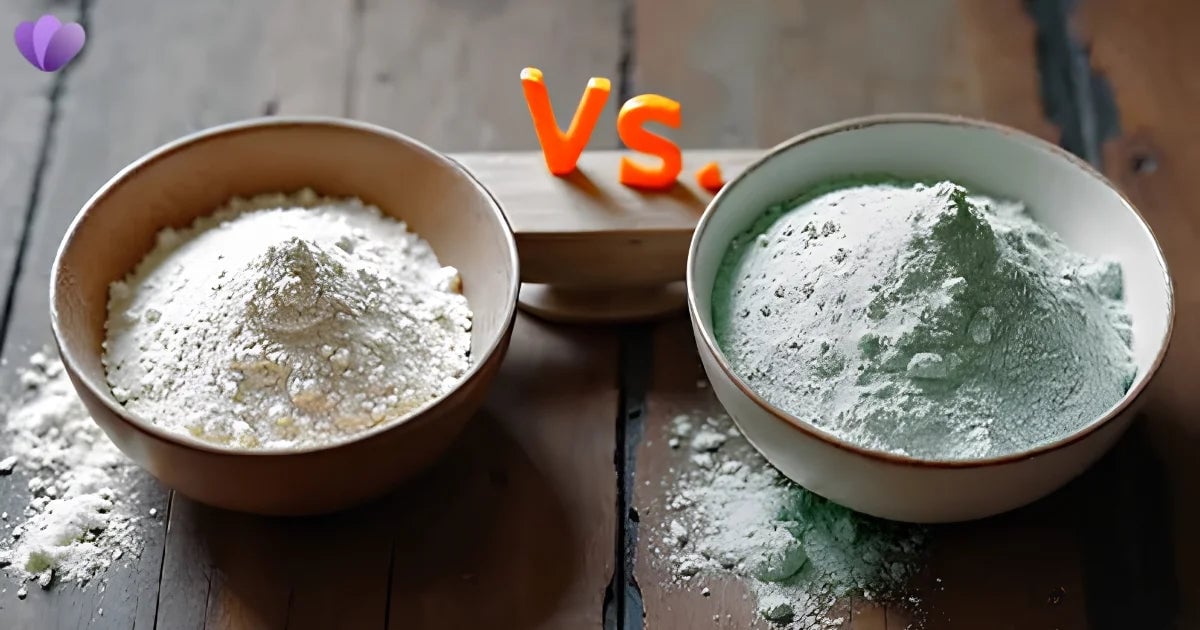
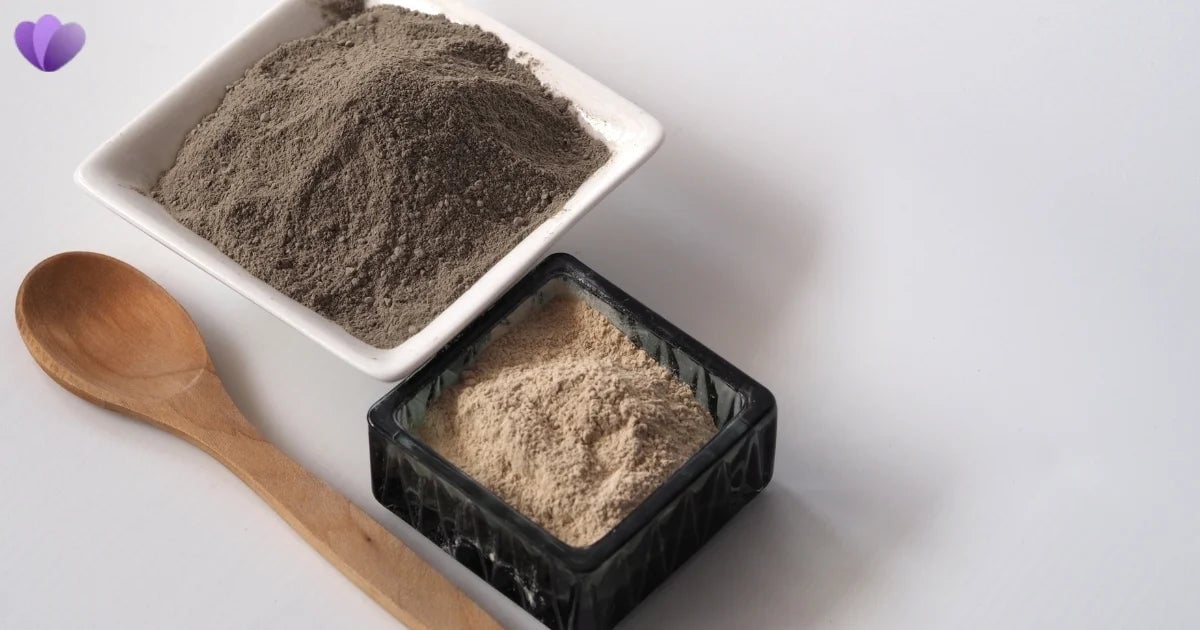
    Bentonite clay and zeolite are different natural minerals. Bentonite is a layered clay that can swell in water, while zeolite has a porous crystalline structure. Both can bind certain substances through adsorption and ion exchange, but neither has been proven to provide general whole-body detox benefits in humans.

    The main differences lie in their mineral structure, binding properties, and available scientific evidence. Understanding these differences can help clarify their uses, safety concerns, and what to look for when comparing products.

    Bentonite Clay vs Zeolite: Key Differences

    Feature Bentonite clay Zeolite
    Common mineral Montmorillonite Clinoptilolite is a frequently studied type
    Structure Thin, layered sheets Three-dimensional crystalline framework
    In water Certain types swell considerably Generally retains its framework
    How it interacts Surface adsorption and ion exchange Adsorption and selective ion exchange
    Common uses Industrial applications, cosmetics, some oral products Filtration, agriculture, some oral products
    Main shopping concern Grade, contaminants, intended use Exact mineral type, processing, purity

    They are both aluminosilicate-based, but a similar chemical family does not mean identical behavior. Even two products labeled “bentonite” may differ considerably depending on the deposit and processing.

    What Is Bentonite Clay?

    Bentonite forms mainly from the alteration of volcanic ash. Its principal clay mineral is often montmorillonite, whose stacked sheets can hold water and exchange certain positively charged ions.

    Sodium bentonite typically swells more in water than calcium bentonite. That distinction matters in manufacturing, but it doesn’t establish which variety is appropriate to swallow. Industrial, cosmetic, and orally marketed clays should never be assumed equivalent.

    Bentonite also appears in comparisons with carbon-based ingredients. The differences between activated charcoal and bentonite clay explain why their origins and binding mechanisms should not be confused.

    What Is Zeolite?

    Zeolites are a family of porous aluminosilicate minerals. Instead of flexible layers, their atoms form ordered frameworks containing channels and cavities. Those spaces can hold water and certain ions.

    Clinoptilolite is one natural zeolite frequently discussed in supplement research. However, “zeolite” on a label is not enough information to identify the specific mineral, its purity, or how it was processed.

    Some zeolites are made synthetically, and others are mined for water filtration or industrial uses. A filtration-grade mineral is not automatically suitable for ingestion.

    For another comparison involving a carbon-based binder, see activated charcoal vs zeolite.

    How Do Bentonite and Zeolite Work?

    How Do Bentonite and Zeolite Work?

    Two terms explain much of the difference: adsorption and ion exchange.

    Adsorption means molecules or ions attach to a material’s surface. Absorption, by contrast, means a substance is taken into the bulk of another material, like water into a sponge.

    Ion exchange occurs when a mineral swaps certain charged particles with those in its surroundings. The particular ions involved depend on the mineral and conditions such as acidity and competing substances.

    Bentonite’s layered structure can swell as water enters the spaces between the sheets. Zeolite’s more rigid framework contains channels with different sizes and affinities. Neither mechanism guarantees that a product will remove a particular substance from the human body.

    A laboratory test showing that a mineral binds something in water cannot, by itself, establish the same outcome in a person’s digestive tract.

    Bentonite Clay vs Zeolite for Detox: What Does Research Show?

    “Detox” is often used as a catch-all term, even though studies typically examine a specific substance, exposure, or medical condition.

    Human Evidence for Bentonite

    In a randomized trial of refined calcium montmorillonite, researchers enrolled 234 adults in Texas with evidence of dietary aflatoxin exposure. After three months, one treatment group showed a statistically significant reduction in a blood marker of that exposure.

    That is an interesting finding for a specific refined clay and a specific food contaminant. It does not show that ordinary bentonite products remove stored heavy metals, treat parasites, or improve general wellness.

    Human Evidence for Zeolite

    A small randomized trial of purified clinoptilolite studied 30 people with diarrhea-predominant irritable bowel syndrome. Some secondary symptom measures improved, but the main overall-relief response was similar in the treatment and placebo groups after 12 weeks.

    The study involved one purified preparation in a defined patient population. It is not proof that zeolite supplements generally cleanse the body.

    Which Has Stronger Evidence?

    There is no sound basis for declaring a universal winner. These trials tested different formulations, outcomes, and populations, not bentonite against zeolite head-to-head.

    Are Bentonite Clay and Zeolite Safe to Use?

    “Natural” does not mean contaminant-free. Minerals extracted from the ground can contain unwanted elements, and product quality varies by source and processing methods.

    For any product intended for oral use, look for clear mineral identification, lot-specific independent testing, and meaningful limits for contaminants such as lead, arsenic, and cadmium. A seller’s broad statement that a product is “pure” is less informative than actual testing documentation. Ideally, the documentation should identify the tested batch, the laboratory, the test date, and the substances measured. If this information is missing, there’s no reliable way to judge what the product’s quality claims mean.

    Digestive discomfort, including constipation or bloating, is possible. Because these materials can interact with substances in the gut, there are also concerns about interference with some medicines and nutrients. The clinical relevance depends on the product and circumstances, so avoid guessing a safe separation interval.

    Do not ingest clays sold for crafts, skin care, gardening, or filtration. Pregnant or breastfeeding people, children, and anyone taking medication or managing a digestive condition should seek qualified medical advice before oral use.

    Bentonite Clay or Zeolite: Which Should You Choose?

    Bentonite Clay or Zeolite: Which Should You Choose?

    Start with the intended use, not a dramatic claim about toxin removal. If you’re examining a supplement, ask exactly which mineral it contains, how its purity was verified, and whether studies support the claims made for that formulation. The presence of a mineral in a published experiment does not establish that every powder or capsule sold under the same name will behave identically. Formulation, particle size, and testing standards can all differ.

    As with other ingredient discussions on Paragon Cleanse, the sensible distinction is between a material’s measurable properties and benefits demonstrated in human research.

    Neither mineral is an established replacement for medical evaluation of suspected heavy-metal exposure, persistent digestive symptoms, or a parasite infection.

    Final Thoughts

    Bentonite clay and zeolite differ in structure, swelling and ion-exchange behavior. Both have been studied in specific contexts, but neither is a proven universal detox solution. Reliable product identification, safety testing, and realistic evidence matter more than broad marketing promises.

    Frequently Asked Questions

    Is zeolite the same as bentonite clay?

    No. Bentonite is typically a montmorillonite-rich layered clay. Zeolites have crystalline frameworks with defined pores. Their properties can overlap, but their structures are different.

    Can bentonite clay and zeolite be taken together?

    There is insufficient clinical evidence to recommend combining them for routine detox use. Taking both might add unwanted effects or complicate medication timing. Ask a healthcare professional before combining oral mineral products.

    Do bentonite clay and zeolite remove heavy metals from the body?

    Certain mineral samples can bind metal ions under laboratory conditions. That does not prove that taking them removes metals already stored in human tissues. Suspected exposure requires appropriate testing and medical guidance.

    Disclaimer: This article is educational and does not replace personalized medical advice.

  • Why Are Zinc and Selenium Added to Liver Support Formulas?

    Why Are Zinc and Selenium Added to Liver Support Formulas?

    Zinc and selenium are added to liver support formulas because they help maintain normal liver function and support the body’s natural antioxidant defense systems. Zinc supports enzyme activity and cellular health, while selenium is essential for antioxidant enzymes that help protect cells from oxidative stress.

    Both are important trace minerals, but getting more isn’t always better. Understanding how they work, why they’re combined in liver supplements, and how much your body actually needs can help you make informed choices.

    What Do Zinc and Selenium Do for Liver Health?

    The liver processes nutrients, helps manage substances absorbed from the digestive tract, and produces bile needed for fat digestion. This work involves chemical reactions that can also generate reactive oxygen species. In excess, these molecules can contribute to oxidative stress.

    The body has enzyme systems to help keep these reactions in balance. Zinc and selenium participate in different parts of those systems. Adequate intake helps maintain their normal function, but that isn’t the same as proving a supplement will cleanse the liver or prevent liver disease.

    Why Is Zinc Included in Liver Support Supplements?

    Zinc is involved in hundreds of enzymes and supports protein synthesis, cell division, immune function, and tissue maintenance. These processes matter in liver cells, too.

    It also has an antioxidant connection. An enzyme called copper-zinc superoxide dismutase (Cu/Zn SOD) uses both copper and zinc to help manage superoxide, a reactive molecule produced during normal metabolism. That’s one reason it appears in these formulas.

    Still, there’s a difference between needing zinc and benefiting from extra zinc. Someone with inadequate intake may need to address it. Someone already getting enough should not assume that a larger dose will offer additional liver protection. More zinc is not automatically better when intake is adequate.

    How Does Selenium Support the Liver’s Antioxidant Systems?

    How Does Selenium Support the Liver's Antioxidant Systems?

    Selenium works through proteins known as selenoproteins. Among them are glutathione peroxidases, enzymes that help reduce certain peroxides before they can damage cells. The liver is one of many organs that relies on these antioxidant systems.

    This is where selenium and glutathione are sometimes confused. Selenium does not turn into glutathione, and it is not a substitute for it. Rather, selenium is part of enzymes that use glutathione during their work.

    Any supplementation benefit depends on selenium status. Research on selenium’s role in antioxidant enzymes suggests that additional selenium may not further increase certain antioxidant enzyme activities in people who already have sufficient selenium.

    Why Are Zinc and Selenium Combined in Liver Support Formulas?

    Think of them as contributors to different steps in the body’s own protective systems rather than two ingredients doing the same job.

    Zinc is involved in Cu/Zn superoxide dismutase and a wide range of cellular processes. Selenium is built into glutathione peroxidases and other selenoproteins. Some of these antioxidant reactions are connected: one enzyme helps convert superoxide into less reactive products, while other enzymes help manage peroxides.

    That provides a sensible nutritional rationale for including both in a liver-support formula. It does not establish that the combination has a special “synergistic” effect, reverses liver damage, or is more effective than an adequate diet.

    When comparing zinc and selenium in liver supplements, look beyond the ingredient names. Their amounts, the rest of the formula, and your total daily intake matter more than a long ingredient list.

    How Do They Relate to Glutathione and Other Liver Support Ingredients?

    Minerals are only one part of the formulation picture. NAC supplies cysteine, an amino acid the body can use to make glutathione. Selenium, by contrast, is needed for certain enzymes that use glutathione. They are related roles, not identical ones.

    If those terms appear together on a label, understanding the difference between NAC and glutathione can make the ingredient list easier to interpret.

    Other ingredients serve different purposes. TUDCA is a bile acid-related compound, while milk thistle is a botanical ingredient studied for various liver-related outcomes. Their presence doesn’t change how much zinc or selenium the body needs.

    How Much Zinc and Selenium Do Adults Need?

    For most adults, the target is nutritional adequacy, not the highest dose available. Recommended Dietary Allowances (RDAs) and upper intake limits provide useful context:

    Mineral Recommended daily amount for adults U.S. adult upper limit
    Zinc 11 mg for men; 8 mg for women 40 mg
    Selenium 55 mcg 400 mcg

    These figures cover total daily intake from food and supplements. The upper limit is a safety ceiling, not a target or recommended serving size. Needs can differ during pregnancy, breastfeeding, or under medical care.

    Zinc comes from foods such as oysters, meat, beans, nuts, and fortified cereals. Selenium is found in fish, meat, eggs, grains, and Brazil nuts. Selenium levels in plant foods vary with soil.

    Can Too Much Zinc or Selenium Be Harmful?

    Yes. The amounts on one bottle may seem modest until you add a multivitamin, a separate mineral tablet, and another wellness formula.

    Long-term high zinc intake can interfere with copper absorption. Copper deficiency can affect blood cells and nerves. Too much selenium can cause nausea, a metallic taste, brittle nails, hair loss, and other symptoms of toxicity.

    Pay attention to units, too: zinc is usually shown in milligrams (mg), while selenium is typically listed in micrograms (mcg). They are not equivalent measurements. If you take prescription medication or have a diagnosed liver condition, check with your healthcare professional before introducing a multi-ingredient supplement.

    What Should You Check in a Liver Support Formula?

    What Should You Check in a Liver Support Formula?

    Start with the Supplement Facts panel, not the claims on the front. Check the quantity of each mineral per serving, the suggested number of servings, and any overlapping ingredients in products you already take. Be cautious of promises about “flushing toxins” or repairing the liver without clinical evidence.

    For example, TNM Liver Support from Paragon Cleanse combines zinc and selenium with NAC, TUDCA, and milk thistle. Understanding what each ingredient does and checking the amounts can help you evaluate the formula more carefully.

    For context, our article on common ingredients in liver support supplements explains how these formulas differ beyond their trace mineral content.

    Final Thoughts

    Zinc and selenium are included in liver support formulas because they support normal cellular and antioxidant functions through distinct pathways. They are essential nutrients, not shortcuts to liver repair. A useful formula makes its amounts clear and fits your actual nutritional needs.

    Frequently Asked Questions

    Can zinc and selenium be taken together?

    They can be present in the same supplement. What matters is whether the combined intake from your diet and supplements is appropriate for your needs.

    Does selenium help the body use glutathione?

    Yes, selenium is required for glutathione peroxidase enzymes, which use glutathione in antioxidant reactions. Taking extra selenium does not necessarily increase this activity if your intake is already sufficient.

    Does everyone need zinc and selenium supplements?

    No. Many adults meet their needs through food. Supplementation may be appropriate in particular circumstances, but it should address a genuine nutritional need rather than a general “detox” promise.

    Disclaimer: This article is for educational purposes and does not replace individualized medical advice. Supplements are not intended to diagnose, treat, cure, or prevent disease.

  • NAC vs Glutathione: What’s the Difference for Antioxidant Support?

    NAC vs Glutathione: What’s the Difference for Antioxidant Support?

    NAC supports the body’s natural glutathione production by supplying cysteine, while glutathione supplements provide the antioxidant directly. Neither is automatically better. The right choice depends on your purpose, formulation, individual needs, and available evidence.

    NAC, or N-acetylcysteine, is a derivative of cysteine, an amino acid the body uses to produce glutathione. Glutathione is a tripeptide made from glutamate, cysteine, and glycine. Although both are involved in antioxidant support, they work differently.

    Understanding the difference between NAC and glutathione can help you compare their roles, absorption, supplement forms, and safety considerations before choosing an option.

    NAC vs Glutathione: Quick Comparison

    Feature NAC Glutathione
    Full name N-acetylcysteine Glutathione / GSH
    What is it? Cysteine derivative Tripeptide made from glutamate, cysteine, and glycine
    Main strategy Supports endogenous glutathione synthesis Provides glutathione directly
    Key relationship Supplies cysteine Finished antioxidant molecule
    Common forms Capsules, tablets, powders Standard oral, liposomal, sublingual
    Main evidence question Does precursor support raise GSH where needed? How well does a specific formulation deliver GSH?
    Key buyer consideration Purpose, amount, tolerance Formulation, amount, delivery system

    NAC and glutathione are connected through the same antioxidant system, but they enter it at different points. That is why searches for glutathione vs NAC, NAC or glutathione, or oral glutathione vs NAC do not have a one-line answer.

    What Is NAC and How Does It Relate to Glutathione?

    N-acetylcysteine is a derivative of the amino acid cysteine. Cysteine is one of the three amino acids required to make glutathione and can sometimes be a limiting factor in glutathione synthesis.

    NAC can therefore support the body’s own production of glutathione by helping provide cysteine. This relationship explains much of the interest in NAC for antioxidant support.

    However, NAC does not automatically raise glutathione in every person or situation. Baseline cysteine availability, glutathione status, metabolism, and other nutritional factors can affect the response.

    N-acetylcysteine (NAC) supplies cysteine, a precursor required for glutathione production. How NAC supports glutathione synthesis relates to its role in replenishing this important cellular antioxidant.

    NAC is also included in some liver-support formulations alongside other ingredients. Our guide on TUDCA vs NAC vs Milk Thistle explains how these ingredients differ in their roles and uses.

    What Is Glutathione?

    Glutathione is a naturally occurring tripeptide made from glutamate, cysteine, and glycine. Its reduced form is commonly abbreviated as GSH.

    It plays an important role in cellular antioxidant systems and redox balance, helping cells manage oxidative processes under normal physiological conditions.

    Taking glutathione directly is therefore a different strategy from taking NAC. One strategy provides precursor material that the body can use to synthesize endogenous glutathione, while the other supplies the completed molecule.

    That distinction also creates different questions about oral absorption, formulation, dose, and evidence.

    6 Key Differences Between NAC and Glutathione

    1. Precursor vs Finished Molecule

    NAC is a cysteine derivative that can support glutathione synthesis.

    Glutathione is the completed tripeptide itself.

    This is the core of the NAC glutathione precursor relationship: NAC supplies one important building block, whereas direct glutathione supplementation provides GSH.

    2. The Body Still Has to Make Glutathione From NAC

    NAC does not convert into glutathione on a simple one-to-one basis.

    The body also needs glycine, glutamate, appropriate enzymes, and sufficient metabolic capacity to synthesize glutathione.

    This is why supplying NAC is not the same as supplying glutathione directly.

    3. Oral Delivery Is Different

    NAC and oral glutathione follow different absorption and metabolic pathways.

    It is too simplistic to say that oral glutathione “does not work” simply because it is a peptide. Human studies have shown that oral supplementation can affect glutathione levels, although results have been inconsistent across studies.

    When comparing oral glutathione vs NAC, formulation, duration, dose, and the outcome being measured matter more than simply comparing the milligrams printed on the label.

    4. Glutathione Formulation Matters

    A “glutathione supplement” is not one completely uniform product category.

    Available formats include standard oral glutathione, liposomal preparations, sublingual products, and other delivery systems.

    This makes the comparison between NAC and liposomal glutathione somewhat different from that between NAC and a standard glutathione capsule.

    Different delivery systems may produce distinct absorption patterns, so formulations should not be treated as equivalent automatically. At the same time, liposomal glutathione should not be declared universally superior simply because of its delivery format.

    5. Evidence Depends on What Is Being Measured

    Mechanism, biomarker changes, and clinical outcomes are not the same thing.

    A study may show that a supplement changes blood or cellular glutathione levels without proving that it improves every symptom, prevents disease, or produces broad “detox” benefits.

    This distinction is especially important in antioxidant supplement marketing.

    6. Milligrams Are Not Directly Comparable

    A 600 mg serving of NAC is not equivalent to 600 mg of glutathione.

    They are different molecules with different roles in the glutathione system.

    Comparing only the number of milligrams on two supplement labels can therefore be misleading.

    Does Oral Glutathione Actually Work?

    Does Oral Glutathione Actually Work?

    The bioavailability of oral glutathione has been debated for years, but the evidence is more nuanced than a simple yes-or-no answer.

    One randomized, double-masked, placebo-controlled trial involving 54 healthy adults found that daily oral glutathione supplementation increased glutathione stores in several measured blood and cellular compartments over a 6-month period.

    A human study on oral glutathione supplementation examined how regular supplementation affects glutathione levels in the body.

    However, not every human trial has produced identical findings. Differences in dose, study duration, population, formulation, and measured endpoints may help explain why results vary.

    It is also important to separate an increase in GSH biomarkers from broader health claims. Raising a biochemical marker does not automatically prove improved long-term health outcomes.

    Does NAC Always Increase Glutathione?

    No. NAC can support glutathione synthesis, but the response is not guaranteed to be the same for everyone.

    Its effect may be more relevant when cysteine availability or glutathione status is limited. If cells already have sufficient cysteine and glutathione, supplying additional NAC may not produce the same response.

    This is why the question “Does NAC increase glutathione?” is better answered with “it can support synthesis under appropriate conditions” rather than “NAC boosts glutathione in everyone.”

    That distinction keeps the claim aligned with the actual biological pathway.

    NAC vs Liposomal Glutathione: Does Form Matter?

    Yes, formulation matters when comparing direct glutathione products.

    Liposomal systems are designed to change how glutathione is delivered through the gastrointestinal tract, while standard capsules use a different delivery approach. Recent human studies also support the idea that different oral glutathione formulations should not be automatically considered equivalent.

    However, this does not mean liposomal glutathione is automatically better than NAC.

    NAC and liposomal glutathione still represent different strategies:

    • NAC provides precursor support.
    • Liposomal glutathione delivers the finished molecule via a specialized delivery system.

    The relevant question is therefore not simply which sounds more advanced, but what evidence supports the specific product and purpose.

    Can NAC and Glutathione Be Taken Together?

    NAC and glutathione act at different points in the same broader antioxidant pathway, so some people consider using both.

    That does not mean combining them automatically provides greater benefit.

    There is no universal dosing or timing protocol that applies to everyone, and adding multiple antioxidant supplements can increase complexity without necessarily improving results.

    People taking prescription medications, managing chronic health conditions, or using multiple supplements should discuss their overall routine with a qualified healthcare professional.

    NAC and Glutathione: Safety Considerations

    NAC can cause digestive side effects such as nausea, stomach discomfort, or diarrhea in some people.

    Glutathione products may also vary in tolerability depending on the formulation, serving size, and additional ingredients.

    Supplement suitability can also depend on health status and medication use. People who are pregnant or breastfeeding, have ongoing medical conditions, or use prescription medications should seek individualized guidance before adding NAC, glutathione, or a combination of both.

    More is not automatically better with antioxidant supplementation.

    How to Compare Antioxidant Support Supplements

    When comparing an NAC supplement with a glutathione supplement, focus on the actual formula rather than marketing claims.

    Check:

    • The exact ingredient
    • Amount per serving
    • Whether the product contains NAC or direct GSH
    • The form of glutathione, if applicable
    • Serving size and directions
    • Third-party or other quality information
    • Additional active ingredients
    • Proprietary blends
    • Exaggerated “detox,” anti-aging, or disease claims
    • Other antioxidant supplements already in your routine

    For comparing antioxidant-support ingredients in Paragone Cleanse Supplements, the same principle applies: focus on ingredient identity, transparent amounts, evidence, and the formula’s purpose rather than assuming one antioxidant strategy is automatically better.

    Liver-support supplements may contain ingredients with different roles, including compounds involved in bile acid metabolism and antioxidants that support normal cellular function. Our guide on liver support supplements explains the roles of common ingredients such as TUDCA, NAC, and milk thistle, along with their potential uses and limitations.

    NAC or Glutathione: Which Should You Choose?

    NAC or Glutathione: Which Should You Choose?

    So, which is better: NAC or glutathione?

    There is no universal winner.

    NAC may be more relevant to people researching precursor support and the body’s own glutathione synthesis. Direct glutathione may interest people who want to supplement the completed molecule or compare specific delivery formats such as liposomal products.

    A useful decision considers:

    • The purpose of supplementation
    • Formulation
    • Available evidence
    • Tolerance
    • Current medications
    • Other supplements
    • Individual health status

    The most appropriate option depends on those factors rather than on a claim that one ingredient is inherently stronger.

    Final Thoughts

    The NAC vs glutathione comparison is best understood as a comparison between two distinct antioxidant support strategies.

    NAC provides cysteine, which the body can use as a precursor for glutathione synthesis. Direct glutathione supplementation provides the complete GSH molecule, with absorption and delivery potentially influenced by formulation.

    Oral glutathione evidence is more nuanced than simply “absorbed” or “not absorbed,” while NAC’s effect can also depend on baseline cysteine and glutathione status.

    Neither option is universally superior. The better comparison considers purpose, formulation, evidence quality, tolerance, medications, and individual circumstances rather than assuming that one antioxidant strategy is automatically stronger.

    Frequently Asked Questions

    Is NAC the Same as Glutathione?

    No. NAC is a cysteine derivative that can serve as a precursor for glutathione synthesis. Glutathione is the tripeptide composed of glutamate, cysteine, and glycine.

    Does NAC Increase Glutathione?

    NAC can support glutathione synthesis by supplying cysteine, but the response varies according to baseline status and individual physiology.

    Is Liposomal Glutathione Better Than NAC?

    Not universally. Liposomal glutathione and NAC represent different strategies. One delivers glutathione in a specialized formulation, while the other provides precursor material for endogenous synthesis.

    Can NAC and Glutathione Be Taken Together?

    They can appear in the same supplement routine, but there is no universal need or evidence-based protocol that applies to everyone. Individual circumstances and medications should be considered.

    Does Oral Glutathione Work?

    Human studies show that some oral glutathione formulations can increase measured glutathione levels, but results vary by formulation, dose, duration, and outcome measured.

    Disclaimer: This content is for educational purposes only and is not intended as medical advice, diagnosis, treatment, or a substitute for guidance from a qualified healthcare professional.

  • Activated Charcoal Capsules vs Powder: Which Format Makes More Sense?

    Activated Charcoal Capsules vs Powder: Which Format Makes More Sense?

    Activated charcoal capsules are more convenient, offering pre-measured servings, portability, and less mess. Activated charcoal powder offers more serving flexibility, allowing users to measure and mix it according to product directions. Neither format is automatically more effective or higher quality.

    When comparing activated charcoal capsules vs powder, consider the charcoal source, serving size, ingredients, manufacturing quality, and safety precautions. The right choice depends on the product itself and how well its format fits your routine.

    Activated Charcoal Capsules vs Powder: Quick Comparison

    Feature Capsules Powder
    Active material Activated charcoal inside a capsule Loose activated charcoal
    Serving Pre-measured Measured according to label
    Convenience High Requires measuring and mixing
    Taste and texture Mostly avoided More noticeable
    Mess Minimal Can spill, stain, or create dust
    Portability Easy Less convenient
    Serving flexibility Fixed by capsule amount More adjustable
    Added ingredients Capsule shell or excipients may be present May be single ingredient; check label
    Cost per gram Varies Bulk powder may sometimes cost less
    Best comparison method Source, amount, ingredients Source, amount, ingredients

    The better choice depends on how you plan to use the product. Choose based on the full formula and your routine, not just whether the charcoal comes in capsules or loose powder.

    What Is Actually Inside an Activated Charcoal Capsule?

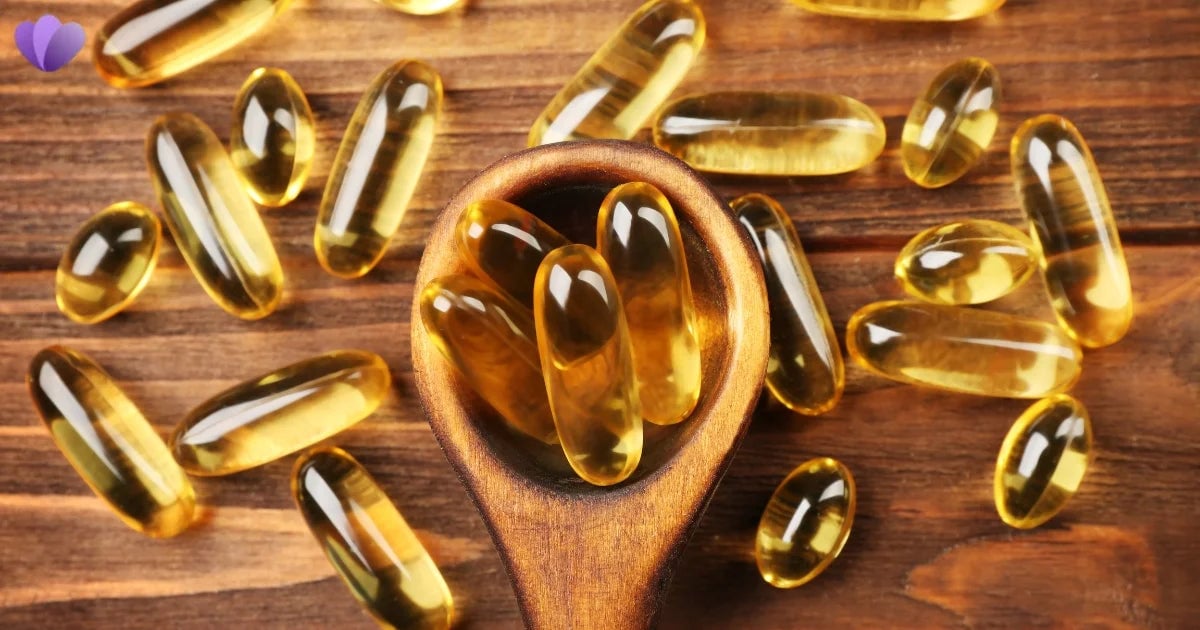
    Many activated charcoal capsules contain powdered activated charcoal enclosed inside a capsule shell.

    The shell may be made from cellulose, HPMC, gelatin, or another material depending on the manufacturer. Some products contain additional excipients or flow agents, while others use very simple formulas.

    This is why it is better to read the complete ingredient list rather than assume all capsules contain unnecessary fillers.

    It also helps to separate source from format. “Coconut charcoal” refers to the source of the carbon material, while “capsule” describes how the finished supplement is delivered. Coconut-shell activated charcoal can be sold either as loose powder or as powder inside capsules.

    Activated charcoal has several uses, but its effects and limitations depend on the application and available evidence. Activated Charcoal Benefits, Uses & Risks covers its mechanism of action, common uses, potential side effects, and important safety considerations.

    What Is Loose Activated Charcoal Powder?

    Loose activated charcoal powder belongs to the same general activated-carbon category but is sold without a capsule shell.

    It is typically measured according to product directions and mixed into liquid. That makes it easier to adjust serving sizes according to the manufacturer’s instructions and can be useful for people who do not want to swallow several capsules.

    The trade-off is convenience. Loose charcoal can be messy, stain surfaces, and create a noticeable black, gritty suspension when mixed with water.

    Importantly, powder format alone does not prove greater purity or quality. An activated charcoal powder supplement should still be evaluated by its source material, ingredient list, serving information, and manufacturing transparency.

    6 Key Differences Between Activated Charcoal Capsules and Powder

    1. Pre-Measured vs Adjustable Servings

    Capsules provide a fixed amount of charcoal in each capsule or serving.

    That can make the serving size of activated charcoal easier to track consistently.

    Loose powder offers more flexibility because the amount can be measured according to label directions. However, that also means the user must measure it accurately.

    2. Convenience and Portability

    Capsules are easy to carry, require no mixing, and can fit more easily into a travel or daily supplement routine.

    Powder usually requires a tub, a scoop, or a measuring device, and a liquid for mixing.

    For people who prioritize convenience, capsules may therefore be more practical.

    3. Taste and Texture

    Activated charcoal powder forms a dark suspension when mixed with liquid and may have a gritty texture.

    Capsules largely avoid this experience because the charcoal is enclosed until the capsule dissolves.

    For users who dislike the texture of charcoal drinks, this can be one of the most noticeable differences in formats.

    4. Mess and Handling

    Loose charcoal powder can spill, stain surfaces, and create dust during handling. It should be measured carefully to avoid spills and breathing in fine particles.

    Capsules reduce direct contact with the powder and generally create less mess, making them easier to handle during everyday use.

    This is mainly a matter of convenience, not evidence that capsules are inherently safer or more effective.

    5. Ingredients and Capsule Shells

    Ingredients and Capsule Shells

    When comparing activated charcoal supplement forms, look beyond the charcoal itself.

    For capsules, review:

    • Capsule shell material
    • Other inactive ingredients
    • Amount of charcoal per capsule
    • Amount per full serving

    For powders, check:

    • Whether activated charcoal is the only ingredient
    • Measuring directions
    • Serving size
    • Any additional ingredients

    Powder is not automatically purer, and capsules do not automatically contain unnecessary fillers.

    6. Cost per Gram

    Bulk powder can sometimes cost less per gram because there is no individual encapsulation process.

    However, this is not guaranteed.

    Price can vary according to:

    • Source material
    • Processing
    • Package size
    • Testing
    • Manufacturing standards
    • Brand
    • Serving amount

    Compare the actual cost per gram or per serving rather than assuming powder is always the cheaper option.

    Does Activated Charcoal Powder Work Faster Than Capsules?

    Activated charcoal powder is mixed with liquid before use, while capsules must dissolve in the digestive tract to release the charcoal. This difference may affect how quickly the charcoal becomes available, but it does not mean powder is always more effective.

    An earlier human study found that an activated charcoal suspension reduced the absorption of a test drug more effectively than the capsule and tablet formulations tested. However, the study examined specific medical formulations rather than the benefits of everyday charcoal supplements.

    Both formats contain activated charcoal, which works by binding to certain substances in the digestive tract through a process called adsorption. Neither format has been proven universally better for routine supplement use.

    Are Activated Charcoal Capsules and Powder Safe?

    Both forms share similar safety concerns because they contain the same active material. Activated charcoal may cause constipation, nausea, or vomiting. People with bowel obstruction should not use it, and accidentally inhaling charcoal into the lungs can cause serious complications.

    Medication interactions are another important concern. A meta-analysis of 64 controlled studies found that activated charcoal could reduce the absorption of certain oral medications. Anyone taking prescription or over-the-counter medicines should consult a doctor or pharmacist before using either format.

    Activated charcoal is also used in hospitals for selected poisoning cases, but medical treatment involves different doses and professional supervision. Consumer supplements should not be used to treat suspected poisoning at home.

    For additional information, our article on Activated Charcoal Binder Timing discusses precautions when taking charcoal alongside medications, meals, and other supplements.

    How to Compare Activated Charcoal Supplements

    When comparing activated charcoal capsules or powder, look beyond the front label.

    Check:

    • Source material, such as coconut shell or wood
    • Amount per capsule or serving
    • Amount per scoop if using powder
    • Capsule shell material
    • Other inactive ingredients
    • Product directions
    • Testing and quality transparency
    • Package size
    • Cost per gram or serving
    • Medication warnings
    • Exaggerated “detox” claims

    Paragon Cleanse offers activated charcoal capsules made with coconut-based charcoal and vegan capsule shells. When comparing capsules with loose powder, consider the serving size, ingredients, product directions, and convenience to decide which format best suits your routine.

    Activated Charcoal Capsules or Powder: Which Makes More Sense?

    Activated Charcoal Capsules or Powder: Which Makes More Sense?

    So, which is better: activated charcoal capsules or powder?

    There is no universal winner.

    Capsules may make more sense for people who value:

    • Pre-measured servings
    • Portability
    • Less mess
    • No gritty charcoal drink
    • A consistent routine

    Powder may make more sense for people who value:

    • Serving flexibility within product directions
    • Mixing charcoal into liquid
    • Avoiding multiple capsules
    • Potentially lower cost per gram

    Quality, charcoal source, amount per serving, complete ingredient list, and safety directions matter more than format alone.

    Final Thoughts

    The comparison between activated charcoal capsules and powder is mainly a matter of Activated charcoal capsules are convenient for people who prefer pre-measured servings, portability, and less mess.

    Loose powder offers greater flexibility in measuring and mixing, but neither format is automatically more effective or higher quality.

    When choosing between activated charcoal capsules and powder, compare the source, ingredients, labeled serving amount, cost, and safety directions.

    Both formats may interfere with oral medications, so consult a healthcare professional if you take any. The better choice depends on the actual product and your individual needs.

    Frequently Asked Questions

    Are Activated Charcoal Capsules Just Powder in a Capsule?

    Often, yes. Many activated charcoal capsules contain powdered activated charcoal enclosed in a capsule shell. However, complete ingredient lists vary, so check the label for capsule materials and additional ingredients.

    Is Activated Charcoal Powder Better Than Capsules?

    Not universally. The formats mainly differ in serving flexibility, dispersion, convenience, taste, handling, and formulation. The quality of the charcoal itself still matters.

    Is Activated Charcoal Powder Cheaper Than Capsules?

    Bulk powder may sometimes cost less per gram, but pricing depends on source, processing, package size, testing, manufacturer, and serving amount.

    Do Activated Charcoal Capsules Interfere With Medications?

    Yes. The interaction concern relates to the activated charcoal itself rather than simply whether it is supplied as powder or in a capsule.

    Disclaimer: This content is for educational purposes only and is not intended as medical advice, diagnosis, treatment, or a substitute for guidance from a qualified healthcare professional.

  • Trace Mineral Drops vs Electrolyte Powders: What’s the Difference?

    Trace Mineral Drops vs Electrolyte Powders: What’s the Difference?

    Trace mineral drops vs. electrolyte powders may sound like a simple liquid-versus-powder comparison, but the real difference goes deeper than just the format. Both types of products can provide minerals, yet they are not automatically equivalent.

    What matters most is which minerals are included, how much each serving provides, whether the formula contains sugar, sweeteners, flavors, or other ingredients, and why you are considering the product in the first place. Some trace mineral drops contain electrolyte minerals, while some electrolyte powders include additional trace elements.

    So when comparing trace minerals vs electrolytes, start with the Supplement Facts panel rather than the product name on the front of the package.

    Trace Mineral Drops vs Electrolyte Powders: Quick Comparison

    Feature Trace Mineral Drops Electrolyte Powders
    Format Concentrated liquid Powder mixed with water
    Mineral profile Formula-specific Formula-specific
    Common minerals May include magnesium, chloride, sodium, potassium, and trace elements Often sodium, potassium, magnesium, and/or chloride
    Sodium amount Can be low or moderate depending on formula Varies widely; some sports formulas emphasize sodium
    Added ingredients Often simple, but formulas vary May include flavors, sugars, sweeteners, or acids
    Typical use Depends on the mineral profile Depends on formula and intended hydration use
    Best way to compare Supplement Facts Supplement Facts

    Neither format is automatically better. The more useful comparison is the actual mineral profile and amount per serving.

    What Are Trace Mineral Drops?

    Trace mineral drops are concentrated liquid formulas designed to be added to water or another beverage. Their composition can vary substantially between products.

    One formula may emphasize magnesium and chloride, while another may contain sodium, potassium, boron, or smaller amounts of other minerals. The term “trace mineral drops” does not guarantee a specific mineral profile or a particular number of minerals.

    For those considering adding minerals to reverse osmosis (RO) water, Trace Mineral Drops for Reverse Osmosis Water explains how remineralization works, which minerals may be present in different formulas, and what to check on product labels.

    What Are Electrolyte Powders?

    Electrolyte powders are dry drink mixes designed to provide specific electrolytes when dissolved in water.

    Many formulas contain sodium, potassium, magnesium, and/or chloride, although the amounts can vary widely. Some products contain carbohydrates or added sugar, some use non-caloric sweeteners, and others are unflavored.

    Electrolytes are minerals that carry an electrical charge when dissolved in body fluids. They contribute to fluid balance and normal nerve and muscle function. Electrolytes and fluid balance are closely connected because these minerals help regulate the distribution of water throughout the body.

    The important point is that a powder format does not automatically make a product stronger, more hydrating, or more complete. The label tells you what the product actually provides.

    Are Trace Minerals and Electrolytes the Same Thing?

    No, although the categories can overlap.

    “Electrolyte” describes minerals or ions that carry an electrical charge in body fluids. Sodium, potassium, chloride, magnesium, and calcium are common examples involved in normal physiological functions.

    “Trace mineral,” by contrast, generally refers to minerals the body requires in relatively small amounts. Examples include zinc, copper, selenium, iodine, and manganese.

    That distinction explains why a product marketed as liquid trace minerals may still contain electrolyte minerals such as magnesium, chloride, sodium, or potassium.

    Likewise, an electrolyte supplement may contain additional trace minerals.

    So the question “Do trace mineral drops contain electrolytes?” does not have one universal answer. The formula determines the answer.

    6 Key Differences Between Mineral Drops and Electrolyte Powders

    1. Liquid vs Powder Format

    Trace mineral drops are concentrated liquids, while electrolyte powders are dry formulas mixed into water.

    This affects convenience and preparation, but it does not prove that one format absorbs better or works better than the other.

    2. Mineral Profiles Can Be Very Different

    Some mineral drops emphasize magnesium and chloride. Some electrolyte powders emphasize sodium and potassium, particularly formulas designed around exercise or sweat losses.

    Other products may contain a wider mixture of minerals.

    This is why mineral drops vs electrolyte powder should be compared formula by formula rather than category by category.

    3. Amounts per Serving Matter

    This is one of the most important differences to check.

    When comparing trace mineral drops vs electrolytes for hydration, look at the amount per serving of:

    • Sodium
    • Potassium
    • Magnesium
    • Chloride
    • Calcium, when included
    • Any actual trace minerals

    A product may list several minerals but provide only small amounts of some of them.

    A longer ingredient list does not automatically make a supplement more suitable for your needs.

    4. Sugar, Sweeteners, and Flavorings Vary

    Sugar, Sweeteners, and Flavorings Vary

    Some electrolyte powders contain added sugar or carbohydrates. Others contain non-caloric sweeteners, flavorings, acids, or no flavoring at all.

    Mineral drops are often simple concentrates, but that is not guaranteed either.

    Do not assume that every electrolyte powder contains sugar or that every mineral drop contains only minerals. Check the complete ingredient list.

    5. Daily Use and Exercise Are Different Contexts

    It is tempting to reduce the comparison to:

    “Mineral drops for daily use, electrolyte powder for workouts.”

    That is too simplistic.

    A product’s suitability depends on its mineral amounts and the reason it is being used. A daily mineral formula may have a very different sodium profile from that of an electrolyte supplement designed for prolonged sweating.

    6. Convenience Differs

    Liquid drops come in a small bottle and can be added according to the product directions.

    Powders usually come in packets, tubs, or scoops and are mixed into a larger serving of water.

    Convenience can influence which product someone prefers, but it should not replace a comparison of the actual formula.

    Trace Mineral Drops vs Electrolyte Powder for Exercise and Heavy Sweating

    Exercise creates a different comparison because sweat contains both water and electrolytes, particularly sodium and chloride.

    During prolonged activity, hot-weather exercise, or heavy sweating, electrolyte losses may become more relevant. If you are comparing trace mineral drops vs electrolyte powder for workouts, pay particular attention to sodium content as well as the amounts of potassium, magnesium, and chloride.

    A product containing minerals is not automatically a sports electrolyte replacement.

    For routine or shorter activity, plain water may be sufficient for many people depending on the environment, exercise duration, diet, and individual sweat rate.

    The key point remains the same: compare the actual electrolyte amounts, not simply whether the product comes in drops or powder.

    Can Trace Mineral Drops Replace Electrolyte Powder?

    Not automatically.

    A mineral-drop formula containing very little sodium or potassium may serve a different purpose from an electrolyte powder formulated around sweat-related mineral losses.

    The reverse is also true. An electrolyte powder designed mainly to provide sodium and potassium may not contain a meaningful range of trace minerals.

    So rather than asking whether TRACE essential mineral drops can always replace electrolyte powder, ask whether the two products provide comparable minerals in comparable amounts for the purpose you have in mind.

    What About Vomiting, Diarrhea, or Significant Dehydration?

    A standard wellness electrolyte powder or trace mineral supplement should not automatically be treated as equivalent to a medically formulated oral rehydration solution.

    During significant diarrhea, the body can lose water and electrolytes, including sodium, chloride, and potassium. Oral rehydration solutions are deliberately formulated with water, glucose or sugar, and electrolytes to help replace these losses.

    Oral rehydration solutions help replace fluids and electrolytes lost through diarrhea. 

    Severe or persistent vomiting, diarrhea, weakness, confusion, inability to keep fluids down, or other signs of significant dehydration warrant medical attention rather than relying solely on a wellness supplement.

    How to Read the Supplement Facts Before Choosing

    When comparing an electrolyte supplement, check the Supplement Facts and ingredient list carefully.

    Look at:

    • Sodium per serving
    • Potassium per serving
    • Magnesium per serving
    • Chloride per serving
    • Calcium, if included
    • Which trace minerals are actually listed
    • Serving size
    • Calories and carbohydrates
    • Added sugars
    • Sweeteners and flavorings
    • Directions and warnings

    A longer mineral list does not automatically make a formula better.

    Paragone Cleanse highlights the importance of comparing mineral profiles, serving sizes, label transparency, and intended use instead of relying solely on product format or marketing claims.

    Can You Use Trace Mineral Drops and Electrolytes Together?

    Sometimes mineral drops and electrolyte products contain overlapping nutrients, so combining them is not automatically necessary.

    Before taking both, compare the amounts of sodium, potassium, magnesium, chloride, and other minerals in each serving.

    More is not always better. Excessive intake of certain minerals can also be inappropriate for some people.

    Anyone with kidney disease, heart conditions, fluid or electrolyte restrictions, or medications that affect potassium, sodium, or fluid balance should seek individualized healthcare advice before using multiple electrolyte or mineral supplements.

    Trace Mineral Drops or Electrolyte Powder: Which Should You Choose?

    Trace Mineral Drops or Electrolyte Powder: Which Should You Choose?

    There is no universal winner.

    When deciding between trace mineral drops or electrolyte powder, consider:

    • The minerals included
    • Amounts per serving
    • Your reason for using the product
    • Daily routine versus prolonged exercise or heavy sweating
    • Sodium needs
    • Added sugar or sweetener preferences
    • Liquid versus powder convenience
    • Dietary or medical restrictions

    The most useful rule is simple:

    Choose the formula, not simply the format.

    Two products that look similar on the front label can have very different mineral profiles once you read the Supplement Facts.

    Final Thoughts

    The comparison between trace mineral drops and electrolyte powders is not simply a choice between liquid and powder.

    Both products can supply minerals, and their formulas may overlap, but the amount of sodium, potassium, magnesium, chloride, and other nutrients can differ considerably.

    That difference matters because a general mineral supplement and a product designed for exercise or heavy sweating may serve different purposes.

    Instead of choosing based on format, mineral count, or front-label marketing, read the Supplement Facts, compare per-serving amounts, and match the formula to the situation.

    Frequently Asked Questions

    Are Trace Minerals the Same as Electrolytes?

    No. The terms describe different concepts, although they can overlap. Electrolytes carry electrical charge in body fluids, while trace minerals are nutrients generally required in relatively small amounts.

    Do Trace Mineral Drops Contain Electrolytes?

    Some do. Trace mineral formulas may contain electrolyte minerals such as magnesium, chloride, sodium, or potassium. Always check the specific Supplement Facts panel.

    Can Trace Mineral Drops Replace Electrolyte Powder?

    Not automatically. Their mineral profiles can overlap, but the amounts may differ greatly. Compare the formula according to the reason you are using it.

    Do Trace Mineral Drops Have Enough Sodium for Exercise?

    Not necessarily. Sodium content varies substantially among mineral-drop products. For prolonged exercise or heavy sweating, compare the actual sodium and electrolyte amounts rather than assuming any mineral formula is designed for sweat replacement.

    Are Electrolyte Powders Necessary Every Day?

    Not necessarily. Needs vary with diet, climate, activity level, sweat loss, medical conditions, and the composition of the specific product.

    Disclaimer: This content is for educational purposes only and is not intended as medical advice, diagnosis, treatment, or a substitute for guidance from a qualified healthcare professional.

  • TUDCA vs Ox Bile: What’s the Difference for Bile Support and Digestion?

    TUDCA vs Ox Bile: What’s the Difference for Bile Support and Digestion?

    If you are comparing TUDCA vs ox bile, the most important thing to know is that they are both related to bile physiology, but they are not the same ingredient and shouldn’t be treated as interchangeable.

    TUDCA, or tauroursodeoxycholic acid, is a specific hydrophilic, taurine-conjugated bile acid commonly discussed in relation to bile-acid metabolism, bile flow, and liver-focused research. Ox bile is a bovine-derived bile preparation with a broader mix of bile components. It is more directly associated with supplying bile acids or bile salts that help emulsify dietary fat.

    Understanding the difference between TUDCA and ox bile is more useful than simply asking which one is better. Their composition, mechanisms, research, sourcing, and potential uses differ, so the better fit depends on why someone is researching a bile support supplement in the first place.

    TUDCA vs Ox Bile: Quick Comparison

    Feature

    TUDCA

    Ox Bile

    What is it?

    Specific taurine-conjugated bile acid

    Bovine-derived bile preparation

    Full name

    Tauroursodeoxycholic acid

    Ox or bovine bile

    Ingredient type

    Defined bile acid

    Mixture containing bile components

    Main area of interest

    Bile-acid metabolism and liver-related pathways

    Supplemental bile for digestive use

    Relation to digestion

    Connected through normal bile physiology

    More directly related to intestinal fat emulsification

    Product type

    Bile acid supplement

    Ox bile or bile salts supplement

    Source consideration

    Source and manufacturing vary by product

    Animal-derived, usually bovine

    Key consideration

    Evidence, amount, health status, and formulation

    Source, composition, digestive need, and quality

    Neither ingredient is automatically “better.” Whether you compare ox bile vs TUDCA, TUDCA vs ox bile, or TUDCA vs bile salts, the key is understanding what each ingredient provides.

    What Is TUDCA?

    TUDCA stands for tauroursodeoxycholic acid. It is the taurine-conjugated form of ursodeoxycholic acid and is considered a hydrophilic bile acid.

    Bile acids support several normal biological processes, including bile formation, digestion, and enterohepatic circulation—the recycling of bile acids between the intestine and liver. TUDCA has also been studied in hepatobiliary and cellular pathways, which explains why a TUDCA supplement commonly appears in liver-support formulations.

    This article compares TUDCA with ox bile rather than repeating the broader discussion of TUDCA’s potential effects on bile flow and liver function. Background on these topics is available in How TUDCA Supports Liver Detox: Benefits, Bile Flow & Liver Support.

    What Is Ox Bile?

    Ox bile is a bile-derived ingredient obtained from cattle. Unlike TUDCA, a single bile acid, ox bile preparations contain a broader mix of bile-related components and are commonly marketed as bile salt supplements.

    In normal digestion, bile acids act as surfactants. They help disperse dietary fats into smaller droplets and form micelles, making fat digestion and absorption more efficient. This process also supports the intestinal absorption of fat-soluble vitamins A, D, E, and K.

    A useful distinction: ox bile is not a digestive enzyme. Bile components help emulsify dietary fat, while digestive enzymes such as pancreatic lipase chemically break triglycerides down.

    Bile acids help break down dietary fats into smaller droplets, allowing digestive enzymes to act more effectively.

    6 Key Differences Between TUDCA and Ox Bile

    1. Specific Bile Acid vs Broader Bile Preparation

    TUDCA is one defined taurine-conjugated bile acid. Ox bile is a broader bile-derived preparation containing multiple bile components.

    This is the fundamental difference between TUDCA and ox bile, and many other differences follow from it.

    2. Different Primary Areas of Interest

    Researchers commonly study TUDCA in relation to bile-acid metabolism, bile flow, hepatobiliary pathways, and cellular processes.

    Ox bile is more directly associated with providing supplemental bile components within the digestive tract, particularly in discussions about dietary fat emulsification.

    This means TUDCA vs ox bile for digestion isn’t a completely like-for-like comparison.

    3. Bile-Acid Support vs Fat Emulsification

    TUDCA participates in bile-acid physiology, but it shouldn’t be described as a digestive enzyme or a direct substitute for a full bile preparation.

    Ox bile supplies bile-related components that support the digestive environment where fats are emulsified before absorption.

    Therefore, people researching TUDCA bile flow and those researching ox bile for fat digestion may actually be looking for different things.

    4. Ingredient Source Differs

    Ox bile is animal-derived and typically comes from bovine sources.

    TUDCA is a defined bile-acid ingredient, but its sourcing and manufacturing method can vary by product. Consumers for whom animal sourcing, dietary preferences, or ingredient origin matter should check individual labels rather than making assumptions based on the ingredient name alone.

    5. The Evidence Base Is Different

    TUDCA has experimental and clinical literature examining hepatobiliary and cellular pathways. However, research in specific clinical populations should not automatically translate into broad claims about routine supplement use in healthy people.

    Ox bile has a clear physiological rationale because bile acids play an established role in fat digestion, but that doesn’t mean everyone with digestive discomfort needs an ox bile supplement.

    6. TUDCA and Ox Bile Are Not Interchangeable

    TUDCA and Ox Bile Are Not Interchangeable

    Choosing between TUDCA and ox bile starts with understanding why you’re considering each ingredient.

    A person researching bile-acid or liver-support formulations may encounter TUDCA, while someone investigating supplemental bile in relation to meals and fat digestion may encounter ox bile.

    The question is therefore not simply which ingredient sounds stronger, but whether either one matches the intended purpose.

    TUDCA vs Ox Bile After Gallbladder Removal

    TUDCA vs ox bile after gallbladder removal is a common search because many people assume that removing the gallbladder means the body stops producing bile.

    It does not.

    The liver continues producing bile after gallbladder removal. Normally, the gallbladder stores and concentrates bile and releases it into the small intestine in response to meals. After the gallbladder is removed, bile flows from the liver through the bile ducts and directly into the small intestine rather than being stored first.

    For that reason, the statement “no gallbladder means everyone needs ox bile” is too simplistic. Some people experience digestive changes after surgery, while others do not require supplemental bile at all.

    TUDCA and ox bile should also not automatically be treated as substitutes for one another after gallbladder removal. Persistent digestive symptoms after surgery deserve proper medical evaluation rather than self-treatment with supplements.

    What Does the Research Tell Us About TUDCA?

    TUDCA has been investigated as a hydrophilic bile acid in research involving bile flow, hepatobiliary physiology, cellular stress pathways, and specific liver-related conditions.

    That research is useful for understanding how TUDCA behaves biologically, but context matters. Results from clinical-disease populations, experimental models, or specific doses cannot automatically be converted into general wellness claims for every over-the-counter bile acid supplement.

    Evidence should always be interpreted according to the population studied, formulation, dose, outcome measured, and quality of the research.

    TUDCA has been studied for its effects on bile acid metabolism, cellular stress, and other biological processes. TUDCA mechanisms and clinical research examines its proposed mechanisms and potential clinical applications.

    Can TUDCA and Ox Bile Be Taken Together?

    Another common question is whether TUDCA and ox bile can be taken together.

    Because they are different ingredients, combining them does not automatically provide better results. The relevance of either supplement depends on the reason it is being considered, the formulation, the amount used, other supplements or medications, and individual health history.

    There is no evidence-based universal schedule that applies to everyone.

    People with diagnosed liver disease, gallstones, bile-duct problems, persistent digestive symptoms, or a history of gallbladder surgery should seek professional guidance before experimenting with bile-related supplements. The same applies to anyone taking prescription medication.

    How to Compare Bile Support Supplements

    When comparing bile support supplements, focus on transparent formulas, realistic claims, and clear directions rather than marketing terms such as “ultimate detox” or “maximum bile cleanse.” 

    For those exploring bile-support ingredients through Paragone Parasite Cleanse, it is important to choose products with clearly identified ingredients, disclosed amounts per serving, transparent sourcing, and meaningful quality information. More ingredients do not automatically make a supplement more effective.

    Check whether the ingredient is clearly identified, whether the amount per serving is disclosed, how the ingredient is sourced, whether bovine sourcing is stated where relevant, whether directions and health warnings are clear, and whether the manufacturer provides meaningful quality information.

    It is also worth distinguishing a single-ingredient product from a combination formula. More ingredients do not automatically make a supplement more effective.

    Readers comparing TUDCA with other ingredients commonly used in liver-support supplements may also be interested in how these compounds differ in their functions and research evidence. TUDCA vs NAC vs Milk Thistle compares their roles, potential uses, and safety considerations.

    TUDCA or Ox Bile: Which Should You Choose?

    TUDCA or Ox Bile: Which Should You Choose?

    So, which is better: TUDCA or ox bile?

    There is no universal winner because these supplements are not designed around exactly the same concept.

    People interested in bile-acid pathways and liver-focused formulations may be more likely to research TUDCA. People investigating supplemental bile components in relation to meal-time fat digestion may be more likely to research ox bile.

    The more useful comparison considers the intended purpose, ingredient source, evidence, formulation quality, current medications, health history, and whether professional guidance is appropriate.

    TUDCA and ox bile are related through bile physiology, but they are not interchangeable versions of the same supplement.

    Final Thoughts

    The TUDCA vs ox bile comparison is best understood as a comparison between two different approaches to bile-related supplementation.

    TUDCA is a specific hydrophilic, taurine-conjugated bile acid commonly researched in connection with bile-acid and hepatobiliary pathways. Ox bile is a broader bovine-derived preparation more directly associated with supplying bile components involved in intestinal fat emulsification.

    Neither is universally superior, and neither should be selected simply because it is marketed as stronger or more comprehensive. Ingredient identity, intended purpose, evidence quality, sourcing, formulation transparency, medications, and individual health circumstances all matter.

    The most useful question is not simply “TUDCA or ox bile?” but which role you are trying to understand and whether either supplement is appropriate for your individual situation.

    Frequently Asked Questions

    Is TUDCA the Same as Ox Bile?

    No. TUDCA is a specific taurine-conjugated hydrophilic bile acid, while ox bile is a broader bovine-derived bile preparation. They are related to bile physiology but differ in composition and how they are typically used in supplements.

    Is TUDCA a Bile Salt?

    TUDCA is a taurine-conjugated bile acid. In physiological conditions, conjugated bile acids commonly exist in ionized bile-salt forms, but a TUDCA supplement should not be treated as equivalent to a generic ox bile or mixed bile salts supplement.

    Does Ox Bile Help Digest Fat?

    Bile acids normally emulsify dietary fats and support micelle formation, giving digestive enzymes more surface area to act on. This established physiological role does not mean an ox bile supplement is necessary or effective for every person.

    Is Ox Bile a Digestive Enzyme?

    No. Ox bile supplies bile-related components that can support fat emulsification. Enzymes such as pancreatic lipase chemically break down dietary triglycerides.

    Can You Take TUDCA and Ox Bile Together?

    There is no universal protocol for combining them. Their suitability depends on the intended purpose, product formulation, health history, medications, and individual circumstances. Seek professional guidance when medical conditions or prescription medicines are involved.

    Do You Automatically Need Ox Bile Without a Gallbladder?

    No. The liver continues producing bile after gallbladder removal, and bile flows directly into the small intestine instead of first being stored in the gallbladder. Individual digestive responses vary, so supplemental ox bile isn’t necessary for everyone.

    Disclaimer: This content is for educational purposes only and is not intended as medical advice, diagnosis, treatment, or a substitute for guidance from a qualified healthcare professional.

  • Activated Charcoal vs Zeolite: 7 Key Differences in Binder Supplements

    Activated Charcoal vs Zeolite: 7 Key Differences in Binder Supplements

    If you are researching binder supplements, you have probably come across both activated charcoal and zeolite and wondered whether they do the same thing. The short answer is no. Activated charcoal vs. zeolite is not a like-for-like comparison.

    Activated charcoal is a highly porous carbon-based material, while zeolite is a naturally occurring aluminosilicate mineral. Clinoptilolite is the zeolite type most commonly discussed in supplement research. The two materials differ in structure, mechanism, binding characteristics, product formats, quality considerations, and safety.

    Understanding those differences is more useful than simply asking which binder is “better.” This guide compares zeolite vs. activated charcoal from an evidence-informed perspective so you can understand what separates these two binder ingredients.

    Activated Charcoal vs Zeolite: Quick Comparison

    Feature

    Activated Charcoal

    Zeolite

    Material

    Carbon-based

    Aluminosilicate mineral

    Common source

    Coconut shell, wood, or other carbon-rich materials

    Naturally occurring mineral deposits

    Common supplement form

    Capsules or powder

    Powder, capsules, or suspensions

    Main interaction

    Adsorption

    Ion exchange plus adsorption

    Binding characteristics

    Relatively broad surface adsorption

    Depends on mineral structure and ion affinity

    Key concern

    Medication interactions and reduced absorption of oral medicines

    Source, purity, composition, and testing

    Main buying consideration

    Source, dose, processing, and instructions

    Zeolite type, purification, testing, and quality

    Neither material is automatically superior. The more useful question is how each works, what evidence supports its use, and whether the specific product provides clear information about quality and safety.

    What Is Activated Charcoal?

    Activated charcoal is a specially processed form of carbon. It can be made from materials such as coconut shell or wood, then activated to create a large network of microscopic pores.

    These pores dramatically increase the material’s surface area. Activated charcoal works primarily through adsorption, meaning certain molecules attach to its surface rather than being absorbed into the charcoal itself.

    Activated charcoal has an established role in clinical toxicology for selected acute oral poisonings. However, medical use in specific poisoning situations should not be confused with broad claims that charcoal routinely “detoxifies” the entire body.

    It also does not adsorb every substance equally, which is one reason its usefulness depends heavily on the compound involved.

    Activated charcoal has several applications, but its benefits and limitations depend on the intended use and available evidence. Activated Charcoal Benefits, Uses & Risks discusses its common uses, potential side effects, and important safety considerations.

    What Is Zeolite and What Is Clinoptilolite?

    Zeolites are crystalline aluminosilicate minerals with microscopic channels and cavities. These cavities can interact with certain ions and molecules.

    Clinoptilolite is a naturally occurring zeolite and is frequently discussed in supplement-related research.

    Unlike activated charcoal, zeolite is not carbon. Its negatively charged mineral framework and exchangeable ions give it characteristic ion-exchange properties alongside adsorption.

    It is also important to understand that “zeolite” is a broad category rather than one completely standardized ingredient. Materials can differ based on their geological source, composition, particle characteristics, and processing and purification.

    That means findings from one purified clinoptilolite material don’t automatically apply to every zeolite supplement.

    7 Key Differences Between Activated Charcoal and Zeolite

    1. Carbon Material vs Mineral Structure

    The most fundamental difference is what the ingredients actually are.

    Activated charcoal is processed carbon with an extremely porous surface. Zeolite is a crystalline mineral made of silicon, aluminum, and oxygen arranged in a structured framework.

    These differences in composition affect how the two materials interact with compounds in the digestive environment.

    2. Adsorption vs Ion Exchange

    Activated charcoal works mainly through adsorption. Molecules adhere to its large internal and external surface.

    Zeolite can also adsorb certain compounds, but its mineral structure is especially known for ion exchange, where ions associated with its framework may exchange with other ions in the surrounding environment.

    This distinction between adsorption and ion exchange is one of the most important mechanistic differences between activated charcoal and zeolite.

    3. Different Binding Characteristics

    Activated charcoal is often described as a relatively broad adsorbent because its large porous surface can interact with many organic compounds.

    Zeolite behaves differently. Its pore structure, charge, and ion affinity influence which substances can interact with it.

    Neither ingredient should be described as capturing “every toxin.” Binding depends on molecular size, chemistry, concentration, environmental conditions, and the specific material being used.

    4. Plant-Derived Carbon vs Mined Mineral

    Activated charcoal can begin with carbon-rich starting materials such as coconut shell or wood.

    Zeolite is mineral-derived and occurs naturally in geological deposits.

    For charcoal supplements, the starting material and activation process are relevant quality considerations. For zeolite, the geological source and subsequent purification become particularly important.

    5. Product Formats Differ

    An activated charcoal binder is commonly available as capsules or loose powder.

    A zeolite binder may appear as powder, capsules, or suspended formulations.

    Format does not automatically determine quality. Consumers should look beyond whether a supplement is a capsule or powder and examine the ingredient identity, serving information, manufacturing transparency, and directions for use.

    6. Quality and Purity Need Different Checks

    Quality and Purity Need Different Checks

    Activated charcoal quality considerations include:

    • Starting material
    • Activation and processing
    • Ingredient transparency
    • Serving amount
    • Manufacturing quality

    Zeolite products require additional attention to:

    • The specific type of zeolite
    • Mineral source
    • Purification
    • Composition
    • Contaminant testing
    • Product-specific quality information

    Because zeolite is a mined material, source and purification deserve particular attention when comparing binder supplements.

    7. Safety Considerations Are Not Identical

    Activated charcoal can adsorb orally administered medicines and reduce how much of a drug is absorbed. That makes medication timing one of its most important safety considerations.

    Zeolite requires a somewhat different evaluation. The safety and behavior of a specific purified clinoptilolite material should not automatically be assumed to apply to every zeolite formulation.

    In either case, more is not necessarily better, and supplement quality matters.

    Activated Charcoal vs Zeolite for Metals: What Does the Evidence Show?

    One of the most common long-tail searches is activated charcoal vs zeolite for heavy metals, but this topic needs careful interpretation.

    Activated charcoal should not be viewed as a universal metal-binding solution. Current clinical toxicology recommendations conclude that activated charcoal has no role in several specific poisonings, including lead and iron. Current clinical recommendations on activated charcoal distinguish between poisonings where activated charcoal may be useful and those where it is ineffective.

    Research on clinoptilolite is different. In one randomized controlled study involving healthy adults, a specific purified clinoptilolite preparation reduced intestinal uptake of an ingested lead tracer. Research on purified clinoptilolite and intestinal lead uptake examined this effect under controlled study conditions.

    However, this finding has important limits. It involved a particular purified material under controlled conditions and does not prove that every commercial zeolite supplement removes previously stored heavy metals from the body.

    This is why evidence quality, product specificity, and careful wording matter more than broad “heavy-metal detox” claims.

    Why Source, Purity, and Testing Matter

    A major difference between good binder education and marketing hype is attention to product quality.

    For activated charcoal, consumers can look for a clearly identified charcoal source, serving amount, straightforward ingredient list, and clear safety directions.

    For zeolite, knowing the exact material is especially important. “Zeolite” alone does not tell you everything about mineral composition, source, purification, or contaminant testing.

    When researching any binder supplement, look for transparent labeling rather than relying on claims such as “captures all toxins” or “full-body detox.”

    Quality documentation does not make every health claim valid, but it does help consumers understand what they are actually taking.

    Medication, Supplement, and Timing Considerations

    Activated charcoal can adsorb many compounds in the gastrointestinal tract, which means it may reduce the absorption of orally administered medications.

    That is particularly important for people taking prescription medicines. A pharmacist or healthcare professional can advise whether activated charcoal is appropriate and how medication timing should be handled.

    Because charcoal is not perfectly selective, it may also interfere with some orally taken supplements when they are consumed together.

    Evidence for routine combined use of activated charcoal and zeolite is limited, so a universal schedule for taking both should not be assumed.

    Activated charcoal may affect the absorption of medications and other supplements, making appropriate timing important. When to Take an Activated Charcoal Binder explains key spacing considerations and precautions when using a charcoal binder.

    Single-Ingredient vs Multi-Binder Supplements

    Another consideration is whether you want one clearly identified binder ingredient or a multi-ingredient formula.

    A single-ingredient activated charcoal product can make it easier to know exactly which binder material you are using.

    Multi-binder formulas may combine ingredients such as activated charcoal, zeolite, clay, fibers, or other materials. That does not automatically make them better or worse; it simply creates a more complex formula.

    For readers comparing binder ingredients, the same principle applies: focus on ingredient transparency, clear directions, and how a formula fits alongside the rest of your supplement routine.

    What Should You Look for in a Binder Supplement?

    When comparing an activated charcoal binder vs. a zeolite binder, consider:

    • Is the ingredient clearly identified?
    • Is the ingredient source explained?
    • If it contains zeolite, does the label identify the zeolite type?
    • Is the serving amount easy to understand?
    • Is quality or testing information available?
    • Are medication warnings clearly stated?
    • Is the product a single-ingredient or multi-binder formula?
    • Are directions for use straightforward?
    • Does the company avoid exaggerated claims about removing every toxin?

    A good product comparison should help you understand what is inside a supplement rather than relying on dramatic detox language.

    Activated Charcoal or Zeolite: Which Should You Choose?

    Activated Charcoal or Zeolite: Which Should You Choose?

    So, which is better: activated charcoal or zeolite? There is no universal answer, as the most appropriate choice depends on individual needs, product quality, and how each ingredient fits into a person’s overall supplement routine.

    When comparing the two, consider the reason you are exploring a binder, your preferred ingredient and format, any medications or supplements you currently take, and the manufacturer’s transparency regarding sourcing, purification, testing, and usage instructions.

    Activated charcoal and zeolite are distinct binder materials with different structures and mechanisms, so they should not be viewed as interchangeable alternatives.

    Rather than focusing solely on whether activated charcoal or zeolite is “better,” evaluate the specific product based on its intended purpose, available evidence, ingredient quality, safety guidance, and manufacturing transparency. This approach provides a more informed and practical basis for choosing a binder supplement.

    Final Thoughts

    The activated charcoal vs zeolite comparison comes down to more than deciding which binder sounds stronger.

    Activated charcoal is a porous carbon material that works mainly through adsorption. Zeolite is a mineral framework with adsorption and ion-exchange properties. Their sources, binding characteristics, evidence bases, quality considerations, and safety issues are different.

    Neither should be treated as a universal solution for removing toxins or metals. When comparing binder supplements, focus on credible evidence, ingredient identity, source, purity, testing, medication considerations, and clear directions.

    If you take prescription medication or have an existing health condition, seek professional guidance before adding any binder supplement to your routine.

    Frequently Asked Questions

    Is Zeolite the Same as Activated Charcoal?

    No. Activated charcoal is processed carbon, while zeolite is a porous aluminosilicate mineral. Their structures and primary mechanisms differ, which is why charcoal vs zeolite is a true ingredient comparison rather than two names for the same substance.

    Which Is Better, Activated Charcoal or Zeolite?

    Neither is universally better. Activated charcoal relies primarily on adsorption, while zeolite also has ion-exchange properties. The appropriate choice depends on the intended use, product quality, evidence, medication considerations, and individual circumstances.

    Can You Take Activated Charcoal and Zeolite Together?

    Products containing both ingredients exist, but evidence for routine combined use and universal timing schedules is limited. People taking medicines or managing health conditions should seek professional guidance before combining binder supplements.

    Does Activated Charcoal Interfere With Medications?

    Yes, activated charcoal can reduce the absorption of many orally administered medicines. Anyone taking prescription medication should speak with a doctor or pharmacist before using activated charcoal.

    Is Clinoptilolite the Same as Zeolite?

    Clinoptilolite is a type of zeolite, but the words are not completely interchangeable. Zeolite refers to a larger family of minerals, while clinoptilolite is one specific naturally occurring member of that family.

    What Is the Difference Between Adsorption and Absorption?

    Adsorption occurs when molecules adhere to a surface. Absorption means a substance moves into the bulk of another material. Activated charcoal primarily works through adsorption, which is why its large porous surface area is so important.

    Disclaimer: This article is for educational purposes only and is not medical advice. Dietary supplements are not intended to diagnose, treat, cure, or prevent disease.
  • What Is Inositol? Benefits, Types, Uses & Safety

    What Is Inositol? Benefits, Types, Uses & Safety

    Inositol is a naturally occurring, sugar-like compound that your body makes and that you also get from everyday foods. You may see it called vitamin B8, although it is not technically a vitamin. Inositol also appears in dietary supplements, most commonly as myo-inositol and D-chiro-inositol.

    Interest in inositol has grown because researchers have studied its possible roles in insulin signaling, metabolic health, PMOS/PCOS, fertility, and other areas. However, the evidence is stronger for some uses than others. This guide explains what inositol is, the main types, potential inositol benefits, food sources, side effects, dosage considerations, and what current research does—and does not—show.

    What Is Inositol?

    Inositol is a carbohydrate-like compound naturally present throughout the body. It helps form parts of cell membranes and participates in cell signaling, the chemical communication system cells use to respond to hormones and other signals.

    The body can produce inositol, and foods also provide it. Supplements offer more concentrated amounts.

    Because of its role in cell signaling and metabolic processes, inositol has gained attention for its potential health benefits. Understanding how it works, its possible uses, and the available scientific evidence can help clarify its role in supporting overall health and wellness.

    Is Inositol Really Vitamin B8?

    Inositol is frequently called vitamin B8, but the name is somewhat misleading.

    True vitamins are nutrients the body cannot make in sufficient amounts and therefore must obtain from the diet. Because the human body can produce inositol, it is not officially classified as an essential vitamin.

    “Vitamin B8” is therefore a common nickname, not its scientific classification.

    What Does Inositol Do in the Body?

    Inositol has several biological roles. It contributes to cell membrane structure and helps create signaling molecules used inside cells.

    One reason researchers are particularly interested in inositol is its involvement in insulin signaling. Insulin helps move glucose from the bloodstream into cells, and inositol-related signaling pathways are involved in that response.
    This connection has led researchers to study inositol’s role in insulin resistance, blood sugar regulation, and metabolic health. However, this does not mean inositol automatically “balances hormones” or improves blood sugar in everyone.

    What Are the Main Types of Inositol?

    Several forms of inositol exist, but two appear most often in supplement research: myo-inositol (MI) and D-chiro-inositol (DCI).

    Myo-Inositol

    Myo-inositol is a major naturally occurring form of inositol in the body. It supports cell signaling and has been widely studied for metabolic and reproductive health.

    If you are buying an inositol supplement, check the Supplement Facts panel rather than assuming which form the product contains.

    D-Chiro-Inositol

    D-chiro-inositol is another biologically active form. The body can produce it from myo-inositol, and it participates in metabolic signaling pathways related to insulin and glucose metabolism.

    Don’t view it simply as a stronger or weaker version of myo-inositol. The two forms have different biological roles.

    Myo-Inositol vs D-Chiro-Inositol

    Researchers have studied both myo-inositol and D-chiro-inositol individually and in combination.

    Researchers have explored whether their different roles make certain combinations useful, particularly in PMOS/PCOS. However, current evidence does not establish one form or combination as universally best for everyone.

    Potential Benefits and Uses of Inositol

    Potential Benefits and Uses of Inositol

    Research into inositol benefits is promising in several areas, but study quality, doses, formulations, and outcomes vary. Therefore, consider potential benefits individually rather than treating inositol as a cure-all supplement.

    Inositol for PMOS/PCOS

    Polyendocrine Metabolic Ovarian Syndrome (PMOS, formerly PCOS) is one of the main reasons people research inositol supplements.

    Studies have examined inositol for metabolic markers, insulin resistance, ovulation, hormonal measures, and other features associated with the condition.

    Current research on inositol for PCOS suggests potential benefits for some metabolic measures, but evidence remains limited for outcomes such as ovulation, hirsutism, and weight management. The available evidence is also insufficient to recommend a specific inositol type, dosage, or combination for everyone.

    Insulin Sensitivity and Metabolic Health

    Because inositol participates in insulin-related signaling, researchers have studied its possible effects on insulin sensitivity, insulin resistance, blood sugar, and metabolic syndrome.

    Some studies report improvements in selected metabolic measurements, but results vary by population and study design.

    An inositol supplement should not replace prescribed diabetes medication, dietary treatment, or professional medical care.

    Fertility and Ovulation

    Myo-inositol is frequently marketed for fertility, particularly to people with PMOS/PCOS.

    Some research has investigated ovulation and reproductive outcomes, but evidence for major outcomes such as pregnancy and live birth remains uncertain. Inositol should therefore be viewed as a supplement under study rather than a proven fertility treatment.

    People who are trying to conceive should discuss supplements with a healthcare professional.

    Does Inositol Help With Weight Loss?

    Inositol is not a proven weight-loss supplement.

    Research has examined body weight and metabolic measures, particularly in people with PMOS/PCOS or insulin resistance, but results do not establish a reliable direct weight-loss effect.

    Any changes seen in studies may also be influenced by metabolic health, diet, physical activity, medication, and other factors. Do not promote inositol as a replacement for evidence-based weight-management strategies.

    What Is the 40:1 Myo-Inositol to D-Chiro-Inositol Ratio?

    You may see supplements advertising a 40:1 myo-inositol to D-chiro-inositol ratio.

    This ratio has been studied partly because it approximates the circulating plasma ratio of the two forms. Some clinical research has explored 40:1 combinations, particularly for PMOS/PCOS.

    However, 40:1 should not be presented as a universally proven “ideal” ratio. Current evidence-based guidance does not establish 40:1—or any other specific ratio, dose, or combination—as the best option for everyone.

    The number on the label describes the formulation; it does not guarantee better results.

    Which Foods Naturally Contain Inositol?

    Inositol occurs naturally in many foods. Common inositol food sources include:

    • Fruits, including citrus fruits and melons
    • Beans, peas, and other legumes
    • Whole grains and bran
    • Nuts and seeds
    • Vegetables

    Food provides inositol naturally, while supplements provide higher concentrations. A varied diet can therefore contribute to normal dietary inositol intake without supplementation.

    Inositol Side Effects and Safety

    In short-term studies, inositol has generally been well tolerated, but inositol side effects can occur.

    Reported effects may include:

    • Nausea
    • Diarrhea
    • Gas or bloating
    • Abdominal discomfort
    • Headache
    • Dizziness
    • Fatigue

    Tolerance varies between individuals and may also depend on the amount and formulation used.

    Digestive discomfort can occur with certain vitamins and supplements, depending on the ingredients, dosage, and individual tolerance. Why Supplements Cause Stomach Upset discusses common factors that may contribute to digestive symptoms.

    If symptoms persist, are severe, or start after you begin a new supplement, speak with a healthcare professional rather than repeatedly adjusting the dose on your own.

    How Much Inositol Should You Take?

    No single inositol dosage fits everyone or every purpose.

    Amounts used in studies vary widely depending on the condition being investigated, whether myo-inositol or D-chiro-inositol is used, and whether the two forms are combined.

    For PMOS/PCOS specifically, current evidence-based guidance does not establish one preferred dose, type, or combination.

    Follow the product label and seek individualized advice if you are taking medication, managing a health condition, pregnant, breastfeeding, or planning pregnancy.

    How to Choose an Inositol Supplement

    How to Choose an Inositol Supplement

    When comparing inositol supplements, look beyond claims on the front of the package.

    Check:

    • Form: Myo-inositol, D-chiro-inositol, or a combination
    • Amount per serving: Not simply the amount per container
    • Serving directions: Including number of servings per day
    • Other ingredients: Such as sweeteners, fillers, flavors, or allergens
    • Quality transparency: Clear ingredient labeling and realistic claims

    Before purchasing health products online, it is important to assess the seller’s credibility, product information, and quality standards. How to Tell If an Online Supplement Store Is Legit outlines key factors to check when evaluating an online supplement retailer.

    As with any wellness product—including something a person may already use as part of a broader routine such as Paragon Cleanse—consider the label, ingredients, serving size, and intended purpose separately, rather than assuming one supplement fits every health goal.

    Final Takeaway

    Inositol is a naturally occurring, sugar-like compound the body makes and that comes from food. Although often called vitamin B8, it is not technically a vitamin. Myo-inositol and D-chiro-inositol are the two forms most commonly discussed in supplement research.

    Researchers have studied potential inositol benefits in PMOS/PCOS, insulin resistance, metabolic health, and fertility, but the strength of evidence varies. Inositol is not a proven weight-loss or fertility treatment, and no single supplement form, 40:1 ratio, or dosage is ideal for everyone.

    Most reported side effects are mild, but individual health conditions, medications, pregnancy, and treatment goals can change the safety picture. If you are considering an inositol supplement for a specific health concern, discuss it with a qualified healthcare professional rather than assuming one form or dose is right for everyone.

    Frequently Asked Questions

    When Is the Best Time to Take Inositol?

    There is no universally proven best time to take inositol. Timing can depend on the product formulation and serving instructions. Follow the label and any advice provided by your healthcare professional.

    Can Inositol Help With PCOS or PMOS?

    Inositol has been studied for metabolic and reproductive features of PMOS/PCOS. Some findings are promising, especially for certain metabolic measures, but clinical evidence remains limited, and no single form, ratio, or dose is currently recommended for everyone.

    Can You Take Inositol Every Day?

    Many research studies have used inositol daily for weeks or months. However, long-term safety data are less extensive, and the appropriate duration depends on why someone is taking it.

    Is Inositol the Same as Folic Acid?

    No. Inositol and folic acid are different substances. Inositol is a sugar-like compound involved in cell signaling, while folic acid is the synthetic form of vitamin B9. Some supplements contain both, but they perform different biological roles.

    Is Myo-Inositol Better Than D-Chiro-Inositol?

    Current evidence does not show that one form is universally better for everyone. Their biological roles differ, and the best formulation depends on the purpose of supplementation.

    Who Should Talk to a Healthcare Professional Before Taking Inositol?

    Professional advice is particularly sensible for people who are pregnant or breastfeeding, trying to conceive, managing diabetes or other metabolic conditions, taking regular medication, or using inositol for PMOS/PCOS or another diagnosed condition.

    Disclaimer: This article is for general educational purposes only and is not intended to diagnose, treat, cure, or prevent any medical condition. It does not replace personalized advice from a qualified healthcare professional.