
Contact USA/Canada Toll Free +1 (800) 917-4461 🔥 To Get Free Shipping Order Over $70 🔥

Blog

  • Parasite Cleanses: Hype or Helpful?

    Parasite Cleanses: Hype or Helpful?

    Parasite cleanses are trending on social media, but not every digestive complaint means parasites are involved. Wellness influencers credit them for weight loss, better digestion, and clearer skin, yet the reality is far more nuanced. Some people explore cleanse routines for general gut wellness support rather than any confirmed infection. Products like Paragon Cleanse are often searched by people interested in structured cleanse support, but understanding what a cleanse can and cannot do is essential before trying one.

    What Are Parasites?

    A parasite lives in or on a host organism and survives at the host’s expense. The human body also carries helpful bacteria that support digestion and immune system response; these are beneficial partners, not harmful invaders. Harmful parasites disrupt gut health, nutrient absorption, and overall well-being. The severity depends on the type of parasite and how advanced the infection becomes.

    Examples of Harmful Parasites That Can Affect Humans

    Harmful parasites range widely in form. Examples include:

    • Ticks
    • Fleas
    • Lice
    • Hookworms
    • Plasmodium malariae, the malaria parasite

    Some parasites affect the skin, while others target the intestines, blood, organs, or multiple body systems. This variety is why proper diagnosis must come before any self-treatment.

    How Do People Get Parasite Infections?

    Parasite infections spread through contaminated water, undercooked meat, and contaminated surfaces. Insect bites transmit some of the most dangerous parasitic infections worldwide. Unprotected sexual contact and close contact with infected individuals also carry risk. 

    Travel history matters significantly, since certain regions have higher rates of specific parasitic infections, which is why doctors ask about recent travel when evaluating a suspected case.

    Symptoms of a Parasite Infection

    Symptoms of a parasite infection can vary widely. Some people may have clear symptoms, while others may have no symptoms at all. Possible symptoms include:

    • Skin rash
    • Bumps or itchiness
    • Abdominal pain
    • Diarrhea
    • Vomiting
    • Fever
    • Weakness
    • Fatigue
    • Weight loss
    • Increased appetite
    • Cramping
    • Gas
    • Bloating
    • Ongoing stomach discomfort

    In some cases, a person without symptoms may still pass an infection to others, depending on the parasite. However, these symptoms can also be caused by many other conditions, such as food intolerance, gut irritation, infection, stress, medication reactions, or other digestive issues. That is why accurate diagnosis matters before assuming parasites are the cause.

    Diagnosing a Parasitic Infection

    To diagnose a parasite infection, a healthcare professional usually starts with a complete medical history, lifestyle history, physical exam, and travel history. This matters because some parasitic infections are more common in certain countries, regions, or exposure situations.

    “Self-diagnosis and treatment is not advisable,” says Susan Ratay, DO, a family medicine specialist at University Hospitals.

    Depending on the symptoms, diagnostic tests may include:

    • Fecal exam to check for parasites or parasite eggs in stool
    • Stool test for parasites
    • Blood tests to look for infection markers
    • Endoscopic exam of the intestines
    • Colonoscopy
    • Imaging exams to detect parasite-related lesions in organs

    Based on the test results, a healthcare provider can recommend the right treatment plan. Confirmed parasitic infections usually require medications that target the specific parasite identified. Hydration may also be recommended, especially if diarrhea or vomiting is present.

    Are Parasite Cleanses Hype?

    Claims that parasite cleanses can kill parasites or cure infections are not backed by strong clinical evidence. A whole-food diet supports general gut balance, but no specific parasite cleanse diet or supplement has been proven to diagnose, treat, or eliminate a confirmed parasitic infection. When these products are marketed as solutions to real parasite problems, they are firmly in hype territory, promising far more than science supports.

    When Can a Cleanse Routine Be Helpful?

    A cleanse routine may be helpful when used for general digestive wellness support rather than as a medical treatment. For example, a routine that encourages hydration, a whole-food diet, fiber-rich meals, less greasy food, less processed food, and better daily habits may support gut health and overall wellness.

    This is where expectations matter. Paragone Cleanse can be positioned as part of a structured wellness support routine, not as a replacement for medical evaluation, parasite testing, or doctor-prescribed parasite treatment.

    A responsible cleanse support routine should focus on balance, hydration support, label directions, and healthy eating. It should not promise to cure a parasitic infection or guarantee that it can remove parasites.

    Parasite Cleanse Supplements and Safety Concerns

    Parasite Cleanse Supplements and Safety Concerns

    Most parasite detox supplements contain herbs and natural oils marketed for anti-parasite properties. Natural does not mean risk-free. Side effects can include nausea, digestive upset, and allergic reactions. Certain herbs interact with prescription medications in ways that reduce effectiveness or cause harm. 

    The FDA does not evaluate these products for safety or efficacy. Anyone pregnant, breastfeeding, managing a condition, or on medication should consult a healthcare professional before starting any cleanse supplement and always follow the product label.

    What Is the Right Treatment for a Real Parasite Infection?

    A real parasite infection usually needs the right treatment based on the specific parasite involved. In many cases, medical treatment for parasites may include medications designed to kill or control the identified parasite and manage symptoms. If diarrhea or vomiting is present, hydration may also be important.

    The key point is that treatment should match the diagnosis. Hookworms, lice, malaria parasites, intestinal parasites, and other infections are not all treated the same way. This is why professional medical help matters if symptoms suggest a possible parasitic infection.

    Final Verdict: Hype or Helpful?

    Parasite cleanses, or detoxes, are hype when they claim to eliminate infections or substitute for genuine medical care. They can be helpful as a general digestive wellness routine that builds healthier daily habits. If you choose Paragon Parasite Cleanse supplements, use them as directed and understand that it is not intended to diagnose, treat, cure, or prevent any disease. For a suspected infection, consult a healthcare professional who can run proper tests and prescribe targeted treatment.

    Frequently Asked Questions

    Do parasite cleanses work?

    There is no strong evidence supporting parasite cleanse dosage as a treatment for infections. Feeling better after a cleanse is more likely linked to dietary improvements. Confirmed infections require doctor-prescribed medication.

    Are parasite cleanses safe?

    Not for everyone. Side effects include digestive discomfort and possible herb-drug interactions. They are not FDA-evaluated. Consult a doctor if pregnant, breastfeeding, or on regular medication.

    What are common symptoms of a parasite infection?

    Diarrhea, abdominal pain, nausea, fatigue, weight loss, fever, and skin rashes are common. Some infections produce no symptoms. Since these signs overlap with many other conditions, medical testing is necessary for a reliable diagnosis.

    How are parasites diagnosed?

    Through stool tests, fecal exams, blood tests, and in some cases endoscopy, colonoscopy, or imaging exams. A full medical and travel history is also an essential part of every evaluation.

    Can a parasite cleanse or detox replace medical treatment?

    No. Confirmed infections need specific antiparasitic medications prescribed by a doctor. Relying on a cleanse delays real treatment and raises the risk of complications.

    Can I use Paragon Cleanse for wellness support?

    Yes, as a general wellness support routine when used as directed. Follow the label, maintain realistic expectations, and speak with a healthcare professional if you have underlying health conditions or take regular medications.


  • Paragon Cleanse Reviews: Honest Buyer Guide on Safety, Complaints, and Results

    Paragon Cleanse Reviews: Honest Buyer Guide on Safety, Complaints, and Results

    If you landed here searching for honest Paragon Cleanse reviews, you probably want to cut through the noise. Is this product real? Is it safe? Are there complaints you should know about before spending your money? Let’s cover all of that — no hype, no empty promises. Just a straight buyer’s breakdown covering legitimacy, safety, ingredients, protocol details, and where to buy it if you decide it is right for you.

    Quick Answer: Is Paragon Cleanse Legit, Safe, and Worth It?

    The short answer is nuanced, which is exactly what you deserve before buying any supplement.

    Paragon Cleanse appears to be a legitimate cleanse support supplement when purchased through the official website. It is not a pharmaceutical drug, and it is not marketed as a medical treatment. Whether it is safe depends heavily on your personal health, any medications you take, and how well you follow the label directions. 

    Whether it is worth it depends on what you are actually looking for. If you want a structured cleanse support routine built around herbal ingredients, binder timing, and liver support, this product fits that category. If you expect it to replace medical testing or diagnose a condition, it does not and cannot do that.

    What Is Paragon Cleanse?

    Paragon Cleanse is a dietary supplement designed to support a structured cleanse wellness routine. It falls into the category of gut wellness and herbal cleanse support products, not prescription treatment.

    Many users incorporate it into a broader protocol that may also include binder support products and liver support supplements. The idea behind this kind of routine is to support the body’s natural detox and digestive processes during a cleanse cycle.

    It is important to understand from the start: Paragon Parasite Cleanse is not a substitute for medical testing. If you have symptoms that concern you, a qualified healthcare provider is the right first call, not a supplement. That said, for people who want to support digestive wellness through a structured supplement routine, Paragon Cleanse is one option worth understanding properly.

    Paragon Cleanse Reviews: What Are Customers Usually Looking For?

    When people search for Paragon Cleanse reviews, they are rarely looking for generic five-star praise. Most buyers want to answer specific questions before they order:

    • Is this product real, or is it a scam?
    • Are the reviews on the website genuine?
    • Will it work for a beginner cleanse routine?
    • Are there hidden complaints nobody is talking about?
    • Is it actually safe to use?

    These are fair questions, and honestly, they are the right ones to ask before buying any wellness supplement. Rather than repeating staged testimonials, the smarter move is to evaluate whether real trust signals exist around the product: transparent ingredients, a working official website, a clear return or refund process, and honest directions on the label.

    If a cleanse supplement cannot answer those basic questions clearly, that itself is a red flag. Based on the available product information, Paragon Cleanse appears to address these points through its official channel.

    Is Paragon Cleanse Legit? Trust Signals to Check

    Legitimacy in the supplement space is not just about whether a brand exists. It comes down to whether a company behaves transparently. Here is what to check before ordering Paragon Cleanse:

    1. Official website availability — The product should be sold only through a clearly identified official website, not on random third-party marketplaces with no seller accountability.
    2. Secure checkout — Look for HTTPS in the URL and a recognizable payment process. Any legitimate supplement store will have this.
    3. Clear product pages — Legitimate products show the supplement facts label, serving directions, and ingredient list. If a brand hides this information, walk away.
    4. Contact and support information — A real company offers a way to reach customer support. Check for a contact page, email, or support chat before ordering.
    5. Refund or return details — Check whether the brand clearly states their return or refund policy. Legitimate companies make this easy to find.
    6. Avoiding third-party sellers — Buying Paragon Cleanse from unverified marketplaces puts you at risk of receiving a counterfeit, expired, or tampered product. Always buy Paragon Cleanse directly from the brand’s store.

    When these trust signals are present, the question of legitimacy becomes much easier to answer.

    Is Paragon Cleanse Safe? Side Effects and Precautions

    Is Paragon Cleanse Safe? Side Effects and Precautions

    Safety is not a one-size-fits-all answer with any supplement, and Paragon Cleanse is no exception.

    Here is what you should realistically understand before use:

    1. Digestive sensitivity is possible. Some users experience digestive changes such as bloating, loose stools, or discomfort when starting a cleanse supplement, especially if their diet or gut microbiome is not used to herbal compounds. This is not unique to this product; it is common across the supplement category.
    2. Medical conditions change the picture. If you have a diagnosed digestive condition, autoimmune issue, hormonal imbalance, or any chronic health condition, speak with a healthcare professional before starting any cleanse routine.
    3. Medication interactions matter. Herbal supplements can interact with prescription and over-the-counter medications. This is especially true for anticoagulants, thyroid medications, and immunosuppressants. Do not assume a supplement is safe simply because it is “natural.”
    4. Pregnancy and nursing. Unless a doctor has specifically cleared a supplement for use during pregnancy or breastfeeding, avoid it. This applies to Paragon Cleanse as well.
    5. Suspected infections need a doctor. If you believe you have a parasitic infection or a serious gut issue based on your symptoms, please seek appropriate medical testing.

    Some generally healthy adults may tolerate it when used as directed, but safety depends on personal health, medications, and label precautions. That is why the word ‘safe’ should always be considered with personal health context.

    Paragon Cleanse Ingredients: What to Check on the Label

    Rather than making claims about specific ingredients, the most honest advice here is to read the label yourself before ordering.

    Here is what to look for when you pull up the supplement facts panel:

    • Serving size and daily directions — How many capsules per day, and when should they be taken?
    • Herbal ingredient list — What plants or botanicals are included, and at what dosages?
    • Allergen disclosures — Are there any fillers, binders, or allergens that could affect you?
    • Warnings section — Most supplement labels include a warnings block. Do not skip this.
    • Binder and liver support inclusions — Some cleanse protocols combine multiple products. Check whether the routine requires additional supplements beyond the core product.

    Transparent ingredient labeling is a sign of a trustworthy supplement company. If that information is easy to find on the product page, that is a positive signal.

    Paragon Cleanse Protocol: Binder Timing and Liver Support

    One area where Paragon Cleanse stands out from basic “take two capsules and forget it” supplements is the attention to protocol specifically around binder timing and liver support.

    Here is why this matters:

    Binders are not the same as cleanse supplements. A binder like activated charcoal is designed to absorb and carry unwanted compounds through the digestive tract. However, because binders are non-selective, they can also absorb medications, supplements, and nutrients if taken at the wrong time. Standard guidance is to take binders at least 1 to 2 hours away from meals, medications, and other supplements, but always follow product-specific directions.

    Liver support is often included in structured cleanse routines. The liver plays a central role in filtering and processing what moves through the body. Some users incorporate a liver support supplement into a broader wellness routine. This is not the same as treating liver disease; it is a supportive wellness approach.

    Follow the parasite cleanse protocol as directed. Taking supplements in the wrong order or at the wrong time can reduce their effectiveness or increase sensitivity. Read the full protocol directions before you start, not after.

    If the Paragon Cleanse Supplements routine includes references to a binder or liver support product, follow those instructions carefully and ask a healthcare provider if anything is unclear.

    Related: Why Your Parasite Cleanse Is Not Working

    Paragon Cleanse Complaints: Common Buyer Concerns Before Ordering

    No supplement review is complete without looking at the complaint side. Here are the most common concerns buyers raise about cleanse supplements like Paragon Cleanse:

    1. Shipping delays — Like many supplement brands, shipping times can vary by location. Check expected delivery windows before ordering, especially for international buyers.
    2. Refund questions — Some buyers are unclear on return policies. Read the refund terms on the official website before checkout to avoid surprises.
    3. Unrealistic expectations — The most common root cause of negative reviews in this category. A cleanse supplement supports a wellness routine; it does not cure infections, diagnose conditions, or produce overnight results. Buyers who go in with clear, realistic expectations tend to have much better experiences.
    4. Confusion about how to use the protocol — Especially with multi-product routines involving binders and liver support — leaves some users unsure of timing and sequence. The solution is to read the directions thoroughly and contact support if anything is unclear.
    5. Buying from unauthorized sellers — Some complaints stem from counterfeit or improperly stored products purchased through unofficial channels. Always buy from the official website to avoid this.

    Paragon Cleanse Pros and Cons

    Paragon Cleanse Pros and Cons

    Pros

    Cons

    Focused cleanse support product

    Not a medical treatment

    Fits into a structured wellness protocol

    Not suitable for everyone

    Available through an official website

    Results vary between individuals

    Can be paired with binder and liver support

    Requires label reading and protocol attention

    Designed for a guided routine approach

    People on medication should consult a doctor first

    Where to Buy Paragon Cleanse Officially

    The only recommended place to purchase the Paragon Cleanse bundle is through the official website. Buying directly from the brand gives you access to accurate product information, correct pricing, available bundles, and proper customer support.

    The official site also ships to buyers in the USA, UK, and Canada. Check current availability and delivery estimates on the product page before ordering, as shipping terms can change.

    Avoid purchasing from unknown third-party sellers on resale platforms. You have no way to verify storage conditions, product authenticity, or expiry dates through those channels. To stay protected, buy Paragon Cleanse products directly from the official website and keep your order confirmation for any support inquiries.

    Final Verdict: Is Paragon Cleanse Worth It?

    Paragon Cleanse may be worth considering if you are looking for a structured cleanse support supplement from a brand that provides clear product information, transparent labeling, and a defined protocol. It is not a cure, not a treatment, and not a guaranteed outcome for any condition. It is a wellness supplement, and your experience with it will depend heavily on your health baseline, your expectations, and how carefully you follow the protocol.

    The best approach: read the label fully, understand binder timing and liver support if they are part of the routine, review the safety precautions honestly, and speak with a healthcare professional if you have any medical history or take ongoing medications.

    For the right buyer one who approaches it with realistic goals and proper protocol knowledge  Paragon Parasite Cleanse reviews suggest it fits meaningfully into a structured cleanse wellness routine.

    FAQs

    Is Paragon Cleanse legit?

    Based on the available information, Paragon Cleanse appears to be a legitimate supplement sold through an official website that provides clear product and ingredient information. Always verify you are purchasing from the official source and check for transparent labeling before ordering.

    Is Paragon Cleanse safe?

    Safety depends on the individual. Generally healthy adults who follow label directions and have no conflicting medications or conditions may use it as directed. Pregnant or nursing individuals, people with chronic conditions, and those on prescription medications should consult a healthcare professional first.

    Does Paragon Cleanse really work?

    It is designed to support a cleanse wellness routine, not to treat or cure any condition. Individual results vary depending on health, diet, consistency, and realistic expectations. Treat it as a supportive supplement, not a standalone solution.

    What are common Paragon Cleanse complaints?

    The most frequently mentioned concerns involve shipping timelines, questions about the refund process, and unmet expectations. Many negative experiences stem from buying from unofficial sellers or misunderstanding the supplement’s role in a wellness protocol.

    Are there Paragon Cleanse side effects?

    Some users may experience mild digestive changes — such as bloating or loose stools — particularly at the start of a cleanse routine. Check the label warnings and discontinue use if you experience significant adverse effects. Consult a doctor if side effects persist.

    Where can I officially buy Paragon Cleanse supplements?

    Purchase only from the official Paragon Cleanse website to ensure product authenticity, correct pricing, and access to customer support. Avoid unknown third-party sellers.

    Do I need a binder with Paragon Cleanse?

    This depends on the protocol. If the routine calls for a binder, follow the timing directions carefully. Binders should generally be taken away from other supplements and medications. Read all product directions before starting.

    Is Paragon Cleanse FDA-approved?

    Dietary supplements are not FDA-approved in the same way prescription drugs are. The FDA regulates supplements under a different framework. Paragon Cleanse should not be used as a treatment for any disease or medical condition.

    Disclaimer: Paragon Cleanse is a dietary supplement and is not intended to diagnose, treat, cure, or prevent any disease. This article is for informational purposes only and does not replace professional medical advice. If you are pregnant, nursing, taking medication, managing a medical condition, or suspect a parasitic infection, speak with a qualified healthcare professional before using any supplement.

  • Can Pets Give Humans Parasites? Symptoms, Risks & Prevention Guide

    Can Pets Give Humans Parasites? Symptoms, Risks & Prevention Guide

    Important: This guide is for educational purposes only and doesn’t replace advice from a doctor or veterinarian. If you suspect a parasite infection in yourself or your pet, seek professional testing and treatment.

    If you’ve ever found a stray flea on your dog or spotted something odd in your cat’s litter box, you’ve probably wondered: can pets give humans parasites? The short answer is yes —it’s possible—but it’s not something that happens through normal affection. Snuggling with your dog on the couch isn’t the risk. Contact with contaminated feces, soil, fleas, or unwashed surfaces is.

    Let’s walk through which parasites pets can carry, how they actually spread to people, what symptoms to watch for, who faces the highest risk, and most importantly, how to keep your household protected without living in fear of your own pet.

    Quick Answer: Can Pets Really Give Humans Parasites?

    Yes, in certain circumstances. This kind of transmission is called zoonotic transmission, in which a disease or parasite passes from an animal to a person. Dogs, cats, and other household pets can carry parasites even when they seem perfectly healthy and show no outward signs.

    Transmission typically happens through:

    • Contact with feces or litter boxes
    • Fleas or ticks
    • Contaminated soil
    • Poor hand hygiene after handling pets or their environment

    The risk goes up noticeably when a pet hasn’t been dewormed recently, isn’t on flea or tick prevention, or spends a lot of time outdoors. Pets don’t usually spread parasites through casual contact alone; the risk increases when parasite eggs, larvae, fleas, or contaminated waste enter your home.

    What Are Zoonotic Parasites?

    Zoonotic parasites are parasites that can move from animals to humans. They can settle in the intestines, skin, blood, or other tissues, depending on the species. Some cause nothing more than mild digestive upset. In contrast, others can trigger skin irritation, allergic reactions, or in rare cases, more serious complications, particularly in people who are pregnant, very young, elderly, or immunocompromised.

    It’s worth keeping this in perspective: most pet owners go their entire lives without ever dealing with a zoonotic parasite. Awareness and basic hygiene go a long way.

    Common Parasites Pets Can Pass to Humans

    Parasite

    Common Pet Source

    How It May Spread

    Possible Human Symptoms

    Roundworms

    Dogs, cats

    Feces, contaminated soil, unwashed hands

    Stomach pain, cough, fever, rare eye problems

    Hookworms

    Dogs, cats

    Skin contact with contaminated soil

    Itchy rash, red marks, irritation

    Tapeworms

    Dogs, cats

    Infected fleas

    Mild digestive discomfort

    Giardia

    Dogs, cats, other pets

    Contaminated water, feces, surfaces

    Diarrhea, cramps, bloating

    Toxoplasma

    Cats

    Cat feces, soil, undercooked meat

    Mild flu-like symptoms; higher risk during pregnancy

    Fleas, ticks, mites

    Dogs, cats, small pets

    Bites or close contact

    Itching, rash, skin irritation

    Not every pet carries these parasites far from home. Regular veterinary checkups, deworming, and pet parasite prevention dramatically lower the odds for any individual animal.

    How Do Parasites Spread From Pets to Humans?

    Parasites generally require a specific pathway to move from a pet to a person. Common routes include:

    • Touching contaminated feces or litter without washing hands afterwards
    • Walking barefoot on soil where pets have defecated
    • Children playing in sandboxes or gardens used by animals
    • Fleas carrying tapeworm larvae that get ingested (often by young kids)
    • Pets licking contaminated areas, then licking or being touched by a person
    • Cleaning cages, bedding, or litter trays without gloves or handwashing
    • Drinking untreated or contaminated water
    • Handling outdoor pets without following up with proper hygiene

    The key takeaway: parasites spread through contamination, not simply because a pet lives in your home. That distinction matters, because it means prevention is genuinely within your control.

    Symptoms of Parasites From Pets in Humans

    Symptoms of Parasites From Pets in Humans

    Digestive Symptoms

    • Diarrhea
    • Stomach cramps
    • Bloating
    • Nausea
    • Appetite changes
    • Unexplained weight changes

    Skin Symptoms

    • Itching
    • Rash
    • Red lines or “tracks” under the skin
    • Irritation following soil contact

    Warning Signs That Need Medical Attention

    • Symptoms lasting more than a few days
    • Fever
    • Severe abdominal pain
    • Blood in stool
    • Eye discomfort or vision changes
    • Symptoms occurring during pregnancy
    • Symptoms in young children or immunocompromised individuals

    Don’t self-diagnose a parasite infection based on symptoms alone. Many digestive issues share overlapping symptoms with unrelated conditions, so proper testing is the only reliable way to know what’s going on.

    Related Reading: Signs of Gut Parasites

    Who Is Most at Risk?

    Some groups should pay closer attention to hygiene and prevention:

    • Young children
    • Pregnant women
    • Elderly adults
    • People with weakened immune systems
    • Frequent gardeners
    • Shelter, kennel, or rescue workers
    • Households with untreated outdoor pets
    • Anyone who regularly cleans litter boxes, cages, or pet waste

    If you fall into one of these categories, extra attention to handwashing, pet deworming schedules, flea control, and medical guidance is worthwhile.

    Can Dogs and Cats Give Humans Parasites?

    Can Dogs Give Humans Parasites?

    Dogs can pass along parasites such as roundworms, hookworms, tapeworms, Giardia, and fleas. Risk climbs when a dog isn’t on a deworming schedule, has an active flea problem, or leaves waste in yards where parasite eggs can survive in soil for extended periods. 

    Can Cats Give Humans Parasites?

    Cats can carry parasites including roundworms, hookworms, Giardia, fleas, and Toxoplasma. Litter box hygiene matters greatly here, and pregnant women in particular should be cautious around cat feces due to the potential link between Toxoplasma and pregnancy complications.

    How to Prevent Parasites From Pets

    This is the part that actually protects your household:

    1. Keep pets on a vet-recommended deworming schedule.
    2. Use flea and tick prevention consistently, year-round if recommended.
    3. Clean up dog waste from yards promptly.
    4. Clean litter boxes daily and wash hands immediately afterwards.
    5. Keep children away from areas contaminated with pet feces.
    6. Wash hands after handling pets, litter, bedding, cages, or soil.
    7. Wash garden fruits and vegetables thoroughly before eating.
    8. Avoid walking barefoot in areas pets may use as a bathroom.
    9. Keep pet bedding and living areas clean.
    10. Schedule routine vet checkups and stool tests as needed.

    Prevention is almost always more effective — and far less stressful — than trying to react after symptoms show up.

    When Should You See a Doctor or Veterinarian?

    See a doctor if:

    • Symptoms persist beyond a few days
    • Diarrhea continues for several days
    • You notice fever, blood, or severe pain
    • A child may have been exposed
    • You’re pregnant or immunocompromised
    • You notice unusual skin tracks or eye symptoms

    See a veterinarian if:

    • Your pet has visible worms in its stool
    • Your pet has fleas
    • Your pet shows diarrhea, vomiting, weight loss, or excessive scooting
    • One pet in a multi-pet household is diagnosed with parasites

    Can a Parasite Cleanse Help?

    Can a Parasite Cleanse Help

    Parasite infections should always be diagnosed and treated by a qualified healthcare professional. Supplements are not a substitute for medical testing, prescription medication, or veterinary care. That said, some people incorporate digestive wellness supplements into a broader gut-health routine after speaking with a healthcare provider.

    Paragon Cleanse focuses on general wellness support, but any suspected parasite issue should be addressed first with proper medical and veterinary guidance.

    Final Thoughts

    Pets can, in certain situations, pass parasites to humans, but the risk is manageable. Routine vet care, consistent deworming, flea prevention, clean litter habits, safe waste disposal, and good hand hygiene cover most of what you need. The goal isn’t to panic about your pet; it’s to stay informed, practice sensible prevention, and see a doctor promptly if symptoms appear.

    For people looking to support their gut health routine alongside healthy hygiene habits, the Paragon Anti-Parasite Bundle can be considered gentle digestive wellness support.

    FAQs About Pets and Human Parasites

    Can I get parasites from touching my pet?

    Usually not from simple touching. Risk increases when your hands come into contact with feces, fleas, soil, litter, or contaminated surfaces.

    Can indoor pets carry parasites?

    Yes. Indoor pets can still pick up parasites through fleas, contaminated food, contact with other pets, or occasional outdoor exposure.

    Can dogs give humans worms?

    Yes, certain dog worms can spread to people, particularly through contaminated feces or soil. See our full guide on worms humans can get from dogs for more detail.

    Can cats give humans parasites?

    Yes. Cats can carry roundworms, fleas, Giardia, and Toxoplasma, which makes litter box hygiene especially important.

    Should I do a parasite cleanse if my pet has worms?

    Don’t self-treat based solely on your pet’s diagnosis. Talk to a doctor about testing for yourself and a veterinarian about your pet’s treatment plan.

    Can dog worms be passed to humans?

    Yes, some dog worms can be passed to humans, especially roundworms and hookworms. The usual risk comes from contaminated feces, soil, or unwashed hands, not from simply sitting near or petting a healthy dog.

    What are dog worms in humans symptoms?

    Possible symptoms may include stomach discomfort, diarrhea, skin itching, rash, coughing, or, in rare cases, eye-related symptoms. Because symptoms can overlap with many other conditions, proper medical testing is important.

  • Parasite Cleanse: Do They Work? Benefits, Risks & Safety

    Parasite Cleanse: Do They Work? Benefits, Risks & Safety

    Parasite cleanse products frequently appear in social media discussions, often accompanied by personal stories and claims about digestive health. But do parasite cleanses work, and what does the available medical evidence actually show?

    Intestinal parasite infections are medical conditions that require appropriate evaluation. Digestive symptoms can have several causes, and commercial herbal cleanses have not been established as treatments for confirmed infections. Understanding the evidence and potential risks helps distinguish medical care from supplement marketing.

    Paragon Cleanse is a dietary supplement that contains a blend of herbal ingredients. Product details, including ingredients, serving instructions, and warnings, are available on the label.

    What Is a Parasite Cleanse?

    A parasite cleanse typically refers to a supplement regimen or dietary approach marketed for parasite removal or digestive concerns. These products are sold as dietary supplements rather than approved treatments for parasitic infections.

    The key distinction matters: a parasite detox supplement is not the same as a prescription antiparasitic medication. Prescription drugs like albendazole or metronidazole are tested, regulated, and prescribed after a confirmed diagnosis. Commercial cleanses operate in a different category entirely; they belong to the supplement aisle, not the pharmacy counter.

    What Are Intestinal Parasites?

    Intestinal parasites are organisms that live inside a human host and derive nutrients at the host’s expense. Common types include:

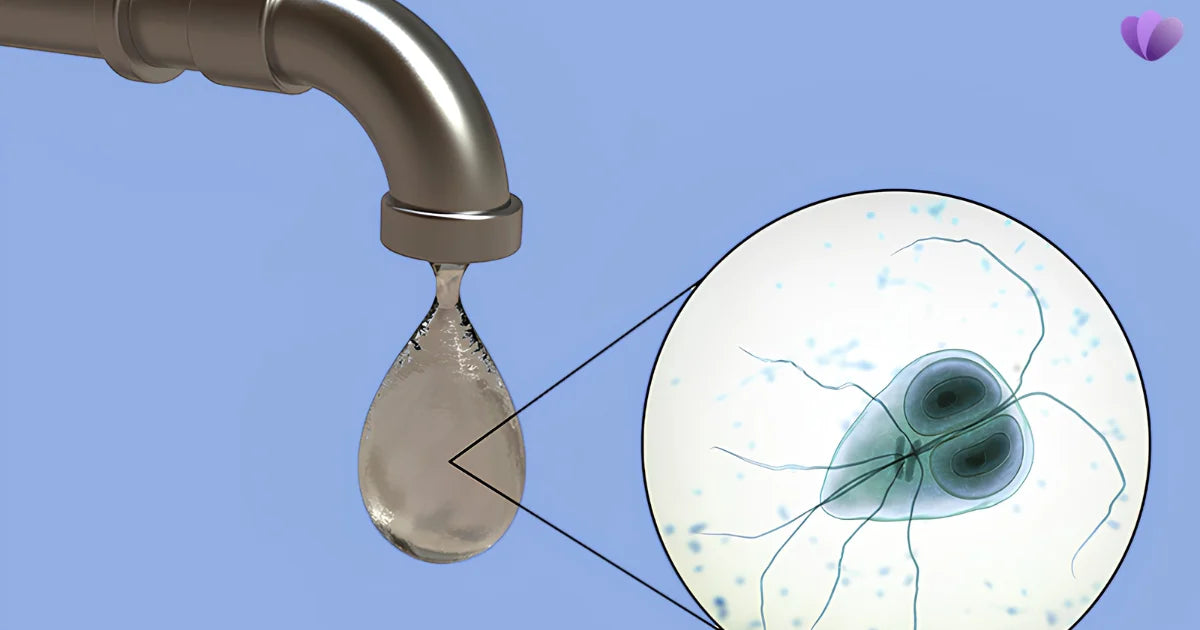
    1. Giardia lamblia — a microscopic parasite spread through contaminated water, responsible for giardiasis
    2. Hookworms — soil-transmitted worms that enter through bare skin, more common in tropical regions
    3. Tapeworms — acquired through undercooked meat, capable of growing several feet inside the intestine

    Exposure risks include drinking untreated water, traveling to regions with poor sanitation, eating undercooked pork or beef, and handling soil without protective gloves. In high-income countries with clean water infrastructure, serious parasitic infections are far less common than social media content implies, though they do occur, particularly after international travel.

    Common Symptoms Linked to Gut Parasites

    The common gut parasite symptoms list associated with parasites is long: 

    • bloating
    • intermittent diarrhea
    • abdominal cramping
    • fatigue
    • unexplained appetite changes
    • nausea

    These symptoms are real, but they are not exclusive to parasitic infections.

    Irritable bowel syndrome, food intolerances, small intestinal bacterial overgrowth (SIBO), stress, and other digestive conditions produce the same cluster of complaints. Attributing every bout of bloating to a parasite without testing is a diagnostic shortcut that can delay identifying the actual cause.

    If symptoms are persistent, severe, or accompanied by blood in the stool or unexplained weight loss, medical evaluation, not a supplement, is the right first step.

    Do Parasite Cleanses Actually Work

    Do Parasite Cleanses Actually Work?

    The evidence for commercial parasite cleanse supplements is limited. No large-scale, peer-reviewed clinical trial has demonstrated that an over-the-counter herbal cleanse reliably eliminates intestinal parasites in humans. For confirmed infections, prescription antiparasitic medications remain the standard of care according to the CDC and Mayo Clinic.

    Some people report changes in how they feel while following a cleanse regimen. However, personal experiences cannot establish whether a supplement is effective or responsible for those changes.

    Some cleanse regimens also involve changes to everyday habits, such as:

    • Reducing certain foods or beverages
    • Changing daily water intake
    • Eating more fiber-containing foods
    • Adjusting meal portions or eating schedules

    Because several dietary and lifestyle changes may occur at the same time, reported experiences cannot reliably establish the effects of a particular supplement.

    Common Ingredients in Herbal Parasite Cleanse Supplements

    Several herbs appear repeatedly across parasite detox products. Here is what the research actually says about each:

    • Wormwood (Artemisia absinthium): A bitter herb found in some traditional herbal preparations. The plant part and amount used can vary between supplement formulations.
    • Garlic (Allium sativum): A common food ingredient also used in supplements as powder, oil, or extract.
    • Black Walnut Hull: The outer covering of black walnuts, sometimes included in herbal supplement formulations. People with tree nut allergies should check ingredient labels carefully.
    • Pumpkin Seeds: Edible seeds containing naturally occurring nutrients. They also appear in some traditional herbal preparations.

    There is insufficient reliable clinical evidence that these ingredients, when used in commercial parasite cleanse supplements, treat parasitic infections in humans. Ingredient combinations and quantities vary between products.

    Parasite Cleanse Side Effects and Safety Risks

    Herbal supplements are not automatically safe because they are natural. Reported side effects from parasite cleanse products include nausea, headaches, loose stools, dehydration, and fatigue, sometimes labeled as “die-off” reactions.

    Important considerations:

    • Supplements are not FDA-approved for treating parasitic infections
    • Some herbal ingredients interact with prescription medications, including blood thinners
    • Prolonged or high-dose use of wormwood can be toxic to the nervous system
    • Pregnant or breastfeeding individuals should avoid antiparasitic herbs entirely without medical supervision

    When You Should See a Doctor

    Skip the supplement aisle and make an appointment if you experience:

    • Blood or mucus in your stool
    • Severe or worsening abdominal pain
    • Persistent diarrhea lasting more than two weeks
    • Unexplained weight loss
    • Travel-related symptoms following a trip to a high-risk region

    Diagnostic tools your doctor may use include stool ova and parasite testing, blood counts (eosinophilia can indicate a parasitic infection), imaging, and PCR-based molecular testing for specific organisms. A supplement can replace none of these.

    Everyday Dietary Habits and Digestive Health

    General dietary and lifestyle considerations include:

    • Hydration and fiber: Water, fruits, vegetables, legumes, and whole grains are common components of everyday diets.
    • Sleep and daily routines: Sleep schedules, physical activity, and stress management are important lifestyle considerations.
    • Fermented foods: Yogurt, kefir, kimchi, and sauerkraut are examples of fermented foods. Their ingredients and microbial composition vary.

    Some individuals also incorporate digestive wellness supplements like Paragon Parasite Cleanse alongside these lifestyle habits and balanced nutrition as a complement, not a replacement for good fundamentals.

    What to Check Before Buying a Parasite Cleanse Supplement

    What to Check Before Buying a Parasite Cleanse Supplement

    Before buying a parasite cleanse supplement, review the product label, ingredient information, and relevant safety warnings using the following checklist:

    • Ingredient labeling: Check the complete ingredient list, serving size, stated quantities, and any proprietary blends.
    • Manufacturing information: Review available manufacturing details and verify any GMP certification mentioned by the seller.
    • Medical claims: Be cautious of supplements marketed as treatments for parasitic infections.
    • Third-party testing: Check whether independent laboratory reports are available and what the testing covers.

    As the FDA notes, no supplement can guarantee the removal of all parasites. Any product claiming otherwise should be treated with skepticism.

    Final Thoughts

    Parasitic infections are medical conditions that require appropriate evaluation and, when indicated, treatment. Some people consider parasite cleanse products without a confirmed diagnosis, even though digestive symptoms alone cannot establish the presence of parasites.


    Commercial parasite cleanse supplements are not established substitutes for medical testing or treatment. Persistent or worsening digestive symptoms should be assessed by a qualified healthcare professional rather than attributed to parasites without appropriate evaluation.

    Frequently Asked Questions

    What is a parasite cleanse?

    A parasite cleanse is a supplement regimen or dietary approach commonly marketed for parasite removal or digestive concerns. These products are not established medical treatments for confirmed parasitic infections.

    Do parasite cleanses work?

    There is no clinical evidence that commercial parasite cleanse supplements reliably eliminate intestinal parasites. Prescription medications prescribed after diagnosis remain the standard treatment.

    Can parasites cause fatigue?

    Yes, intestinal parasites can contribute to fatigue, but fatigue is also a symptom of many other conditions, including anemia, thyroid disorders, and poor sleep.

    Are herbal parasite cleanses safe?

    Safety depends on the ingredients, dosage, individual health circumstances, and possible medication interactions. Some herbal supplements can cause adverse effects. Consult a healthcare professional before use.

    How long does a parasite cleanse take?

    The duration of commercial parasite cleanse regimens varies by product. These schedules should not be confused with medically established treatment plans for confirmed parasitic infections.

    Do I need stool testing for parasites?

    If you have persistent or severe digestive symptoms, yes. A stool ova and parasite test is the standard diagnostic first step for suspected intestinal parasites.

    Can diet support digestive health during a cleanse?

    Food choices and hydration are separate from parasite diagnosis and treatment. Dietary changes cannot confirm or rule out a parasitic infection, and supplement use should not replace professional medical evaluation.

    Medical Disclaimer: This article is for educational purposes only and does not replace professional medical advice, diagnosis, or treatment. Always consult a qualified healthcare provider before starting any supplement or cleanse.

  • Common Parasites in Humans: Types, Symptoms, Causes and Prevention

    Common Parasites in Humans: Types, Symptoms, Causes and Prevention

    Parasites are organisms that live in or on a host and depend on that host for survival. Some parasites may exist without causing noticeable symptoms, while others can lead to infections that affect digestion, skin health, or overall well-being.

    Humans can encounter different types of parasites through contaminated food, unsafe water, soil exposure, animals, or everyday environments. Because many symptoms associated with parasite infections can also appear in other health conditions, understanding the difference between possible parasite-related symptoms and general digestive issues is important.

    This guide explains common parasites in humans, including their types, symptoms, causes, diagnosis methods, treatment approaches, and prevention tips.

    What Are Parasites in Humans?

    A parasite is an organism that lives on or inside another living organism, known as the host, and relies on that host for nutrients or shelter.

    Human parasites are different from beneficial microorganisms that naturally exist in the body. For example, the digestive system contains many microorganisms that support normal body functions. A parasite, however, survives by depending on the host and may trigger an immune response or other health concerns.

    The effects of a parasite infection can vary depending on:

    • The type of parasite involved
    • Where it lives in the body
    • The person’s immune response
    • The severity of the infection

    Because symptoms can overlap with many other conditions, proper identification and professional evaluation are important.

    Types of Parasites That Affect Humans

    Understanding the different types of parasites and how they affect humans can help people recognize potential risks and learn more about parasite-related conditions.

    Human parasites are commonly grouped into helminths (parasitic worms), protozoa (single-celled organisms), and ectoparasites (external parasites). Some helminths and protozoa live in the intestines.

    Intestinal Parasites

    Intestinal parasites are organisms that mainly live in the digestive tract. They are among the most commonly discussed types of human parasites.

    Common examples include:

    Pinworms

    Pinworms are small intestinal worms that commonly spread through close contact and shared environments.

    Roundworms

    Roundworms are parasitic worms that may spread through contaminated soil, food, or water.

    Tapeworms

    Tapeworm infections can occur after consuming food containing parasite larvae, especially undercooked meat or fish.

    Hookworms

    Hookworms may enter the body through skin contact with contaminated soil and can affect the intestinal system.

    Protozoan Parasites

    Protozoa are single-celled organisms that may cause parasite infections in humans.

    Examples include:

    Giardia

    Giardia is commonly associated with contaminated water and may cause digestive symptoms.

    Cryptosporidium

    Cryptosporidium is another water-related parasite that can affect the digestive system.

    External Parasites

    Some parasites live outside the body and affect the skin or hair.

    Examples include:

    Lice

    Lice spread through close personal contact and commonly affect the scalp.

    Mites

    Certain mites can affect the skin and may cause irritation or itching.

    Common Symptoms of Parasites in Humans

    Symptoms of parasites in humans depend on the type of organism, where it is located, and the individual’s health condition.

    Common parasite infection symptoms may include:

    • Digestive discomfort
    • Abdominal pain or cramping
    • Changes in bowel habits
    • Diarrhea
    • Bloating
    • Fatigue
    • Skin irritation or itching
    • Fever in some infections

    These symptoms are not exclusive to parasite infections. Similar symptoms may occur because of dietary changes, digestive disorders, infections, or other health conditions.

    This is why self-diagnosis based only on symptoms is not reliable.

    Parasites vs Other Digestive Issues

    If you are wondering how to know if you have parasites, digestive symptoms alone cannot confirm an infection because similar symptoms can have many different causes.

    Stool tests may help identify parasite eggs, larvae, or organisms.

    For example, bloating, abdominal discomfort, irregular bowel movements, and fatigue may be related to:

    • Food sensitivities
    • Changes in diet
    • Stress
    • Digestive disorders
    • Changes in gut bacteria
    • Temporary infections

    A parasite infection is only one possible explanation.

    Understanding this difference helps prevent unnecessary concern and highlights the importance of proper testing when symptoms continue.

    How Do Humans Get Parasites?

    How Do Humans Get Parasites?

    Understanding how humans get parasites can help with prevention.

    Common causes of parasite infections include:

    1. Contaminated Food

    Eating undercooked meat, seafood, or improperly washed fruits and vegetables may increase exposure risk.

    2. Unsafe Water

    Parasites may spread through untreated or contaminated water sources.

    3. Poor Hygiene

    Not washing hands properly after using the bathroom or before preparing food can contribute to transmission.

    4. Animal Exposure

    Some parasites can spread through contact with animals, animal waste, or contaminated environments.

    5. Travel Exposure

    Traveling to areas with different food and water safety conditions may increase exposure to certain parasites.

    How Parasites Spread Through Their Life Cycle

    Many parasites follow a life cycle that allows them to survive and spread.

    A simplified parasite life cycle may include:

    1. Parasite eggs or organisms entering the environment
    2. Human exposure through food, water, soil, or contact
    3. Development inside or on the human body
    4. Reproduction and continuation of the parasite cycle

    Understanding how parasites spread helps explain why hygiene and prevention practices are important.

    How Are Parasites Diagnosed?

    Parasite diagnosis usually requires professional evaluation because symptoms can overlap with many other conditions.

    Common diagnostic methods include:

    Medical History Review

    Healthcare professionals may consider:

    • Recent travel
    • Food and water exposure
    • Symptoms
    • Possible environmental risks

    Stool Testing

    A stool test for parasites may be used to identify parasite eggs or organisms. A healthcare professional can determine whether stool testing or another diagnostic method is appropriate.

    Blood Tests

    Some parasite infections may require blood testing to identify immune responses or other markers.

    Professional Evaluation

    A healthcare provider can interpret test results and recommend suitable next steps.

    Accurate diagnosis is important because different parasites may require different treatment approaches.

    Treatment Options for Parasite Infections

    Human parasite treatment depends on:

    • The specific parasite involved
    • The severity of infection
    • Individual health factors

    Healthcare professionals may recommend targeted treatments, including medications designed for specific parasite infections.

    It is important to understand that general wellness products or supplements are not replacements for medical diagnosis or prescribed treatment.

    A confirmed parasite infection should always be managed according to guidance from a qualified healthcare professional.

    Dietary Supplements and Parasite Infections

    Dietary Supplements and Parasite Infections

    After learning about parasite infections, it is important to understand the difference between medically recommended treatment and general dietary supplement information.

    General dietary and lifestyle habits include:

    • Eating a balanced diet
    • Drinking enough water
    • Including dietary fiber
    • Maintaining regular physical activity
    • Following healthy daily routines

    Dietary supplements are consumer products with specific ingredient lists, serving directions, and warnings. They should not be used as substitutes for medical evaluation or prescribed treatment.

    For product-specific information, review the ingredient list, serving directions, and warnings for Paragon Cleanse capsules. This dietary supplement is not a treatment for parasitic infections and should not replace professional medical care.

    You can learn more about parasite cleanse approaches and how they differ from medical parasite treatment in this detailed guide.

    How To Prevent Parasite Infections

    Most parasite prevention tips focus on simple daily habits.

    Helpful prevention practices include:

    • Washing hands regularly
    • Cooking food properly
    • Drinking safe water
    • Washing fruits and vegetables before eating
    • Avoiding untreated water sources
    • Practicing safe hygiene while traveling
    • Maintaining clean living environments

    Simple prevention habits can play an important role in reducing exposure to parasites. Research-based information on preventing parasite infections provides additional guidance on everyday safety measures.

    When Should You Talk to a Healthcare Professional?

    Many digestive symptoms are temporary and unrelated to parasites. However, professional advice may be appropriate if you experience:

    • Persistent symptoms that do not improve
    • Severe abdominal discomfort
    • Symptoms after international travel
    • Signs of dehydration
    • Concerns involving children, pregnancy, or higher-risk situations

    A healthcare professional can determine whether testing or treatment is appropriate.

    FAQs About Parasites in Humans

    What are the most common parasites in humans?

    Common parasites include pinworms, roundworms, tapeworms, hookworms, Giardia, and Cryptosporidium.

    What are the signs of parasites in humans?

    Signs may include digestive discomfort, diarrhea, abdominal pain, fatigue, itching, or other symptoms depending on the parasite type.

    Can parasites cause digestive problems?

    Yes, some parasite infections may affect digestion and cause symptoms such as diarrhea, bloating, or abdominal discomfort. However, these symptoms can also have other causes.

    How do doctors check for parasites?

    Doctors may use medical history, stool testing, blood tests, and other evaluations depending on the suspected parasite.

    Can parasites go away without treatment?

    The need for treatment depends on the parasite type and individual circumstances. Professional evaluation can help determine the appropriate approach.

    Are parasite cleanses the same as medical parasite treatment?

    No. Dietary supplements and parasite cleanse products are not substitutes for medical treatment of confirmed parasitic infections. Appropriate treatment depends on the identified parasite and professional medical assessment.

    Medical Disclaimer

    This article is for educational purposes only and does not replace professional medical advice, diagnosis, or treatment. If you suspect you may have a parasitic infection or have ongoing health concerns, consult a qualified healthcare professional.