
Contact USA/Canada Toll Free +1 (800) 917-4461 🔥 To Get Free Shipping Order Over $70 🔥

Blog

  • Activated Charcoal: Benefits, Uses, and Risks

    Activated Charcoal: Benefits, Uses, and Risks

    Activated charcoal has become a go-to ingredient for people interested in digestive comfort, gas support, and cleanse routines. It also has a long history of use in emergency medical settings for certain poisoning cases, though that is very different from everyday supplement use.

    This guide breaks down what activated charcoal is, the benefits people commonly seek, how this carbon-based binder works in the body, potential side effects, and how to use it safely. We’ll also look at how a charcoal binder supplement can help people seeking simple binder support during a cleanse routine. Timing and safe use matter, so read through the safety sections before adding it to your routine.

    Important: Activated charcoal is not a substitute for emergency medical care. If you suspect poisoning or an overdose, contact Poison Control or emergency services immediately.

    What Is Activated Charcoal?

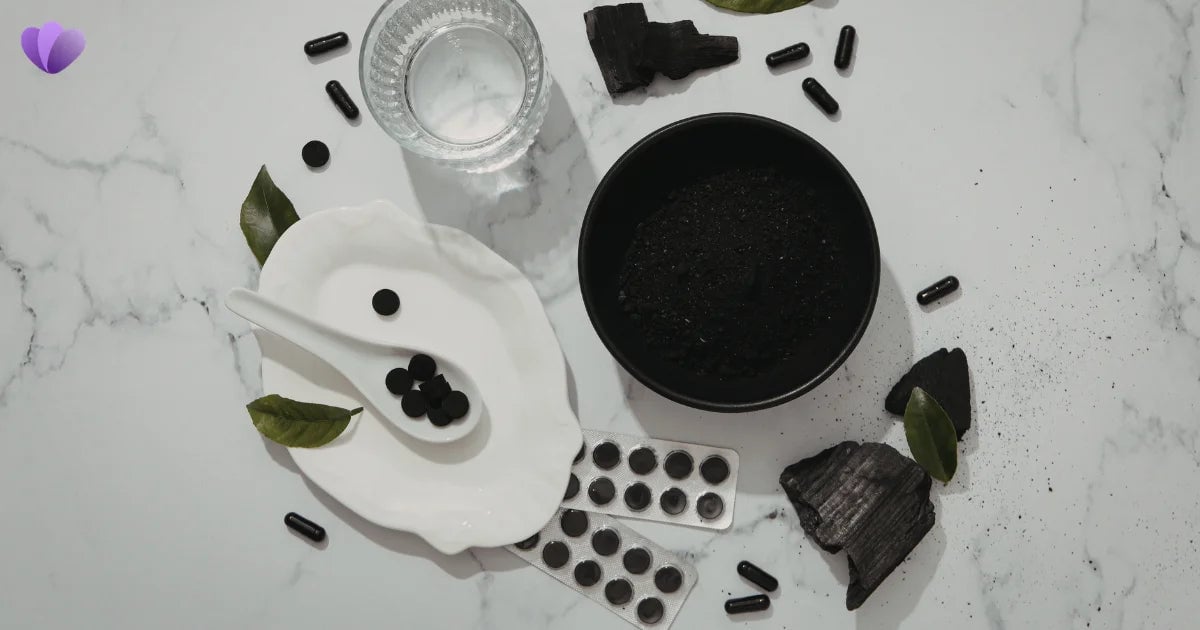
    Activated charcoal is a specially processed form of carbon. It’s typically made from natural materials such as coconut shells, wood, or peat, and then treated at high temperatures to create a highly porous surface.

    This processing step is what sets it apart from the charcoal you’d use on a grill. Regular barbecue charcoal isn’t designed for the body and should never be used as a supplement. Supplement-grade charcoal, on the other hand, undergoes additional processing that dramatically increases its surface area, which is the foundation of how it works.

    You’ll find this ingredient in several forms, including:

    • Capsules
    • Loose powder
    • Tablets
    • Toothpaste products
    • Skincare products
    • Water filtration systems
    • Coconut-based charcoal is a particularly popular supplement option because of its fine texture and porous structure.

    How Does Activated Charcoal Work?

    Activated charcoal works through a process called adsorption, not absorption. The difference matters: adsorption means substances stick to the surface of the charcoal rather than being soaked up into it.

    Because this binder has a large, porous surface area, it offers ample room for other substances to bind to it as it moves through the digestive tract. Once bound, those substances pass through the digestive system along with the charcoal and are eliminated through stool.

    Here’s the catch: this supplement doesn’t “know” what’s good or bad for your body. It can bind to medications, vitamins, minerals, and other supplements just as readily as it might bind to anything else in the digestive tract. This is why binder timing matters so much, and it’s a theme you’ll see repeated throughout this guide.

    Activated Charcoal Benefits: What It May Help With

    1. Emergency Poisoning Support in Medical Settings

    One of the most well-established uses of activated charcoal is in emergency medicine. In certain poisoning or overdose situations, medical professionals may administer it to help limit how much of a toxic substance gets absorbed.

    This is strictly a medical intervention performed under professional supervision, not something to attempt at home. If you or someone else may have been poisoned or has taken too much of a substance, call Poison Control or emergency services right away rather than reaching for a supplement.

    2. Gas and Bloating Support

    Activated charcoal for gas and bloating is one of the more common reasons people reach for this type of supplement. Some people report that it helps with occasional digestive discomfort, though the research on this use is mixed.

    If you’re considering a charcoal supplement for gas and bloating, it’s reasonable to think of it as something that may help some people rather than a guaranteed fix. Pay attention to how your body responds, and don’t expect it to address the root cause of ongoing digestive issues.

    3. Cleanse and Binder Support

    Activated charcoal is commonly used as a binder during cleanse routines. In this context, a binder refers to a supplement that may help support digestive comfort by binding to certain substances in the gut as part of a broader cleanse-support approach.

    This is where charcoal binder products, such as Activated Charcoal Binder from Paragon Parasite Cleanse, tend to fit into a person’s routine. Used correctly and with proper spacing from other supplements and meals, this binder-style supplement can be a simple addition to a structured cleanse-support plan.

    4. Water Filtration

    Outside of supplements, this porous carbon material is widely used in water filters. Its structure allows it to trap certain impurities and odors as water passes through, which is part of why it’s such a common filtration material in both household and industrial settings.

    5. Benefits With Limited Evidence

    Several other activated charcoal benefits get attention online, but the supporting research is limited. These include:

    • Teeth whitening
    • Skin care applications, such as face masks
    • Cholesterol support
    • Kidney support
    • Hangover relief

    These uses are worth knowing about, but it’s important to approach them with realistic expectations. Some people find value in these applications, but the science behind them isn’t as well established as the digestive and emergency-use cases above.

    Common Uses of Activated Charcoal

    Common Uses of Activated Charcoal

    To summarize, here are the most common activated charcoal uses people encounter:

    • Medical treatment for certain poisoning cases under professional supervision
    • Digestive support supplements
    • Binder support during cleanse routines
    • Support for occasional gas and bloating
    • Water filtration
    • Teeth-whitening products
    • Face masks and skincare products
    • Natural deodorizing products

    One clarification worth repeating: supplement use is different from emergency medical use. A dietary supplement should not be used to treat poisoning, overdose, disease, infection, or parasites. Those situations call for professional medical care.

    Activated Charcoal as a Binder During a Cleanse

    If you’ve spent any time researching ways to detox your body naturally, you’ve probably come across the term “binder.” In this context, a binder is usually taken separately from meals and other supplements because it may bind to certain substances in the digestive tract.

    Because this carbon-based binder works through adsorption, it’s generally recommended that it not be taken at the same time as vitamins, minerals, trace minerals, liver support supplements, or other cleanse capsules. Spacing these products out helps ensure each one can do its job without one binding to the other.

    Hydration is also an important part of using any binder responsibly. Drinking enough water throughout the day supports digestive comfort and may help reduce some of the common side effects discussed later in this guide.

    Charcoal Binder Supplement can be positioned as a simple binder option for people following a cleanse-support routine. For best use, it should be taken as directed on the label and spaced at least 2 hours apart from meals, medications, vitamins, minerals, and other supplements.

    When and How to Take Activated Charcoal Safely

    Knowing when to take activated charcoal is just as important as knowing whether to take it at all. Here are some general practical guidelines:

    • Always follow the directions on the product label first.
    • Take the supplement with a full glass of water.
    • Many people choose to take binders between meals or before bed, since this naturally creates separation from food and other supplements.
    • Keep this binder away from medications, vitamins, minerals, trace mineral drops, liver support supplements, cleanse capsules, and meals.

    A commonly used practical spacing window is at least 2 to 4 hours from medications and other supplements. However, if you take any prescription or over-the-counter medication, it’s worth asking a healthcare professional or pharmacist for guidance specific to your situation, since some medications may require more spacing than others.

    To make timing easier to visualize, here’s a simple reference table:

    What You’re Doing

    How to Handle the Binder

    Eating a meal

    Take it separately, not with food

    Taking medication

    Ask your doctor or pharmacist about spacing

    Taking vitamins or minerals

    Keep separate from the binder

    Taking cleanse capsules

    Space out from the binder

    Going to bed

    A common option, if away from other products

    Activated Charcoal Side Effects, Risks, and Medication Interactions

    Like any supplement, this binder also comes with potential downsides. Understanding the risks and side effects can help you make a more informed decision and recognize when something might need attention.

    1. Constipation

    This supplement may cause constipation in some people. Staying well-hydrated can help, and people who are already prone to constipation should be particularly mindful when introducing a binder into their routine.

    2. Black Stool

    It’s common for stool to appear black after taking charcoal, simply because the ingredient itself is black. That said, if you notice stool changes that seem unusual, are painful, or otherwise concerning, it’s a good idea to check in with a doctor rather than assume it’s only from the supplement.

    3. Nausea or Digestive Discomfort

    Some people experience nausea, stomach discomfort, or even vomiting after taking a charcoal binder. If this happens, it may be worth reconsidering the dose, timing, or whether this product is the right fit for you.

    4. Medication Interaction

    This is one of the most important risks to understand. Because activated charcoal can bind to medications, it has the potential to reduce how much of a medication your body actually absorbs.

    Medications that are sometimes mentioned in this context include birth control, heart medications, thyroid medication, antidepressants, and diabetes medications. However, this is far from a complete list and is meant only as examples. If you take any prescription medication, speak with a doctor or pharmacist before adding this supplement to your routine, and pay close attention to timing.

    5. Nutrient and Supplement Absorption

    Beyond medications, a charcoal binder may also bind to vitamins, minerals, and other supplements you’re taking. This is part of why it’s generally not recommended to take it at the same time as meals or daily supplements; doing so could reduce how much benefit you get from those other products.

    6. Rare but Serious Risks

    While uncommon, more serious risks have been associated with this type of supplement, including:

    • Bowel blockage
    • Dehydration
    • Aspiration risk in emergency medical situations

    These risks underscore that binders are not suitable for everyone, and it’s worth reading the next section carefully before starting any new supplement.

    Who Should Avoid Activated Charcoal?

    Is activated charcoal safe for everyone? Not necessarily. Certain groups of people should speak with a healthcare professional before using it, including anyone who:

    • Takes prescription medication
    • Is pregnant or breastfeeding
    • Has a bowel obstruction, severe constipation, or another digestive disorder
    • Is at risk of dehydration
    • Has kidney disease, liver disease, or another chronic health condition
    • Is considering giving it to a child
    • Suspects poisoning or an overdose

    On that last point, it’s worth repeating: do not use charcoal supplements for poisoning at home. If poisoning is suspected, seek emergency medical help right away.

    Can You Take Activated Charcoal Every Day?

    This is one of the most common questions people ask, and the honest answer is that daily, long-term use isn’t ideal without professional guidance. Because this binder may reduce the absorption of medications and nutrients over time, using it every single day could have a cumulative effect on your overall nutrition and medication effectiveness.

    For most people, occasional or short-term use of a binder is a safer way to think about it. If you’re using it as part of a cleanse routine, following the label directions and maintaining proper spacing between meals and other supplements remain the most important habits to build.

    Paragone Cleanse recommends using binder-style supplements responsibly and according to label directions, rather than as an everyday, indefinite addition to your routine.

    Paragon Cleanse Activated Charcoal Binder Supplement
    Paragon Cleanse Activated Charcoal Binder Supplement

    If you’re looking for a straightforward charcoal capsule to support a cleanse routine, activated charcoal detox binder is designed with that goal in mind. It’s a binder-style supplement intended for people who want simple, no-frills support as part of a broader cleanse-support plan.

    As with any coconut charcoal binder product, timing matters. This supplement should be taken away from food, medications, vitamins, minerals, and other supplements, and paired with adequate hydration throughout the day.

    Charcoal binder supplement is made for people who want straightforward binder support during a cleanse routine. It is not a treatment for poisoning, parasites, infection, or disease, and it should be used responsibly according to the product label.

    Final Thoughts

    Activated charcoal has a long track record of real, documented uses, particularly in medical settings, where it is used in certain poisoning cases under professional care. As a supplement, it’s more commonly associated with digestive comfort, occasional gas and bloating support, and binder-style use during cleanse routines.

    That said, not every claim about its benefits is backed by strong evidence, so it’s worth approaching some of the more popular claims with a healthy dose of skepticism. The single most important safety rule to remember is this: don’t take this binder at the same time as medications, vitamins, minerals, meals, or other supplements.

    When used thoughtfully and according to label directions, Paragon Cleanse Charcoal Binder can fit into a cleanse-support routine as a simple, binder-style addition.

    Frequently Asked Questions

    What is activated charcoal good for?

    Activated charcoal is commonly used for certain medical poisoning cases, digestive comfort, gas support, water filtration, and binder-style cleanse routines. Supplement benefits vary from person to person, and some of the more popular claims need more research before they can be considered well established.

    Can activated charcoal detox your body?

    Activated charcoal may bind to some substances in the digestive tract, but it does not detox your entire body. It’s not a replacement for the natural work your liver and kidneys do, and it doesn’t substitute for hydration, sleep, and good nutrition.

    When should I take an activated charcoal binder?

    Many people take this type of binder between meals or before bed, keeping it away from food, medications, vitamins, minerals, and other supplements. Always follow the product label, and if you take medication, check with a healthcare professional about the right timing for you.

    Can I take activated charcoal with medications?

    No, it shouldn’t be taken at the same time as medications, since it may reduce how well your body absorbs them. If you take prescription or over-the-counter medication, speak with a doctor or pharmacist before using this supplement, and ask about appropriate spacing.

    Does activated charcoal cause constipation?

    Yes, constipation is a possible side effect for some people. Drinking enough water and using the product as directed may help reduce this risk, but if constipation persists, it’s worth checking in with a healthcare provider.

    Is Paragon Cleanse Activated Charcoal Binder for daily use?

    It should be used according to the product label rather than as an indefinite daily supplement. If you’re considering long-term use, especially while taking medication or other supplements, it’s best to discuss this with a healthcare professional first.

    Disclaimer

    This content is for educational purposes only and is not medical advice. Activated charcoal supplements are not intended to diagnose, treat, cure, or prevent any disease. If you take medication, are pregnant or breastfeeding, have a medical condition, or suspect poisoning or overdose, speak with a healthcare professional or contact emergency services.
  • How TUDCA Supports Liver Detox: Benefits, Bile Flow & Liver Support

    How TUDCA Supports Liver Detox: Benefits, Bile Flow & Liver Support

    People are increasingly searching for smarter ways to support liver health without relying on extreme detox trends. Most are not looking for a magic flush; they want to understand what genuinely helps the body’s natural detox pathways function 1better.

    TUDCA is one supplement that keeps coming up in those conversations. Unlike trendy cleanse teas, it is a bile acid derivative that has been studied for its role in supporting healthy liver function and bile flow.

    People across the USA, UK, and Canada are increasingly searching for smarter ways to support liver health without relying on extreme detox trends. This guide covers TUDCA benefits for liver health, dosage, side effects, and how TUDCA supports liver detox naturally.

    What Is TUDCA?

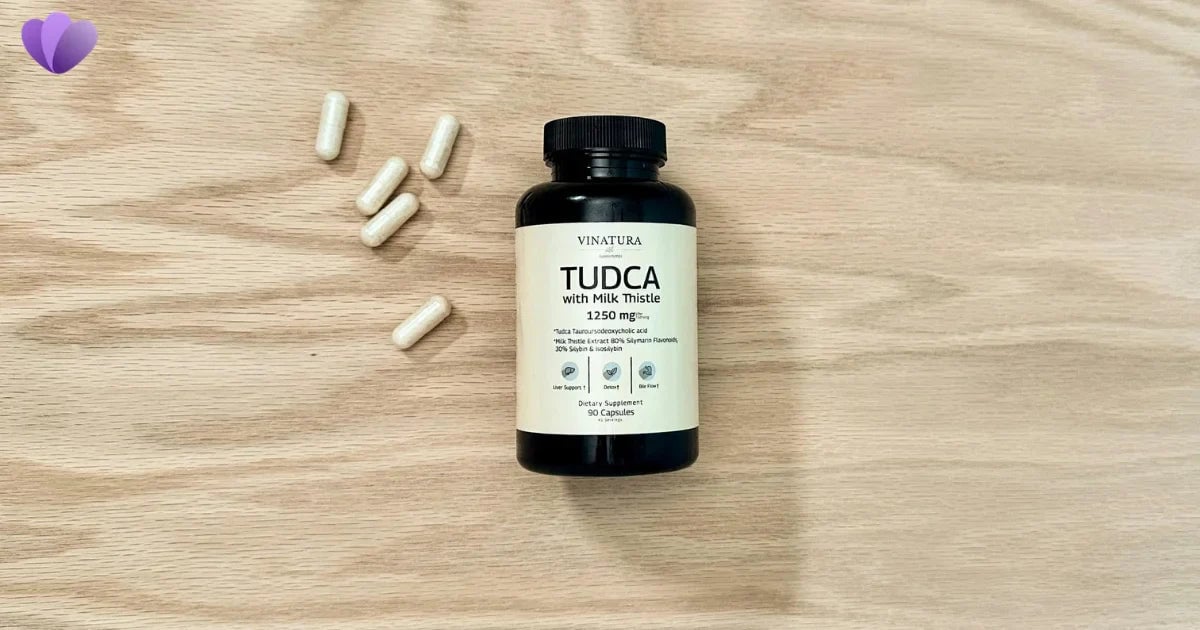
    TUDCA stands for tauroursodeoxycholic acid, a water-soluble bile acid that the human body produces naturally in small amounts. Bile acids are compounds made by the liver that help digest fats and carry waste through the digestive system.

    As a TUDCA supplement, it is typically taken in capsule or powder form to support the body’s natural bile acid pool. It is a derivative of UDCA (ursodeoxycholic acid).

    What Does TUDCA Do in the Body?

    TUDCA acts primarily in the liver and digestive system. It supports healthy bile flow by helping maintain the movement of bile from the liver through the bile ducts and into the small intestine.

    Bile carries waste and processed compounds out of the liver so they can be eliminated naturally. Because bile is also involved in breaking down dietary fats, TUDCA is associated with fat digestion support.

    TUDCA may also support liver cell function. Research suggests it interacts with cellular stress pathways in liver cells, which is why cellular liver protection is among the most commonly cited TUDCA benefits for liver health.

    How TUDCA Supports Liver Detox Naturally

    The liver is not a drain you can flush out. Liver detox is a continuous biological process that occurs daily through bile production, enzymatic reactions, and waste elimination via the digestive tract.

    TUDCA may support the liver’s natural detoxification pathways by helping to maintain healthy bile flow and composition. When bile moves efficiently, the liver can export processed waste into the intestines more effectively. Sluggish bile flow is often linked to digestive discomfort and bloating after fatty meals.

    TUDCA also supports healthy bile composition. Bile is made up of bile salts, water, cholesterol, phospholipids, and other compounds. When this balance shifts, it can affect how smoothly bile flows. TUDCA’s bile acid properties may help maintain a more balanced composition over time.

    TUDCA and Bile Flow: Why It Matters

    Bile is produced by the liver, stored in the gallbladder, and released into the small intestine every time you eat, especially when fat is present in a meal.

    TUDCA bile salts support this movement. As a hydrophilic, or water-friendly, bile acid, TUDCA is considered gentler and less irritating to bile duct cells than some other bile acids. This is why bile flow and digestion support are closely associated with TUDCA supplementation.

    Why Healthy Bile Flow Supports Digestion

    When bile flows well, dietary fats are broken down properly, fat-soluble vitamins such as A, D, E, and K are better absorbed, and waste materials exit the liver efficiently. Poor bile flow can contribute to issues with fat digestion and nutrient absorption.

    Key TUDCA Benefits for Liver Health

    1. Supports Healthy Bile Flow

    TUDCA’s most recognized benefit is bile flow support. By helping maintain normal bile movement through the liver’s bile ducts, it supports a core part of the body’s natural elimination system.

    2. Supports Fat Digestion

    Because bile is essential for fat digestion, supporting healthy bile composition may also support how well the body processes dietary fats.

    3. Supports Cellular Liver Protection

    TUDCA is widely discussed for its effects on liver cell health. It may help support liver cells against oxidative and cellular stress. These are supportive effects, not treatments for liver disease.

    4. Supports a Balanced Detox Routine

    TUDCA fits into a broader wellness plan alongside hydration, fiber-rich foods, quality protein, minerals, adequate sleep, and regular movement. No single supplement replaces those foundations.

    Is TUDCA Good for Liver Health?

    For people looking to support bile flow, digestion, and general liver function, TUDCA liver support may be a worthwhile addition to a wellness routine. However, the right answer depends on your individual health situation.

    TUDCA is not a replacement for medical care. Anyone with a diagnosed liver or gallbladder condition, chronic illness, or who is pregnant, nursing, or taking prescription medications should speak with a healthcare professional first.

    TUDCA Dosage: How Much TUDCA Per Day?

    TUDCA dosage varies by product and individual goals. Many supplement discussions cite 250-500 mg per day as a general starting point, but this is not a universal rule.

    The most important guidance is to follow the directions on the product label. If you are unsure about the right daily TUDCA dose for your goals, consult a healthcare professional. More is not always better with bile acid supplementation.

    TUDCA 500mg Benefits: Is 500mg a Common Option?

    Many people researching TUDCA 500mg benefits want to know whether this amount fits their liver support routine. A 500mg serving is commonly discussed because it may provide a consistent daily amount for people focused on bile flow, fat digestion support, and general liver cleanse.

    However, 500mg is not automatically the right amount for everyone. The best TUDCA dosage depends on the product label, your tolerance, your wellness goals, and whether you are taking other liver support supplements.

    Best Time to Take TUDCA

    The best time to take TUDCA usually depends on the product directions and your personal routine. Because bile is involved in digestion, many people prefer to take TUDCA with or around meals, especially those that contain healthy fats.

    Some people take TUDCA once daily, while others split their TUDCA dosage per day into two smaller servings. If you are wondering when to take TUDCA, follow the supplement label and stay consistent.

    TUDCA Side Effects and Safety Considerations

    TUDCA is generally well tolerated, but some people may notice mild digestive changes, including loose stool, nausea, or shifts in bowel habits.

    Key safety points:

    • Do not stack multiple liver support supplements without professional guidance.
    • Limit alcohol if liver support is your goal.
    • Disclose all supplements to your healthcare provider if managing a medical condition or taking medications.
    • Always follow product label directions.

    Can You Take TUDCA With Other Liver Support Supplements?

    Can You Take TUDCA With Other Liver Support Supplements

    TUDCA is often paired with NAC, milk thistle, B vitamins, and minerals like zinc and selenium. These ingredients have different mechanisms, and many people include more than one in their routine.

    That said, combining multiple liver support supplements without guidance can create unintended overlap. Introduce one supplement at a time to monitor your body’s response.

    A complete routine may also include a dedicated formula such as TNM Liver Support, depending on your wellness goals and product directions.

    How TUDCA Fits Into a Detox Wellness Routine

    No supplement works in isolation. A solid liver-supportive routine includes adequate daily water, fiber-rich produce, quality protein, restful sleep, physical activity, and reduced ultra-processed food intake.

    For people using Paragon Parasite Cleanse as part of a broader wellness routine, liver-support habits may help create a more balanced detox plan, providing the body with what it needs to function efficiently.

    This is also where natural detox support habits, kidney support, and gut health matter. The liver, gut, kidneys, and digestive system work together, so supporting only one area while ignoring the rest may limit your results.

    TUDCA vs Milk Thistle: Are They the Same?

    No. TUDCA and milk thistle are different supplements with different primary roles.

    TUDCA is mainly connected with bile flow and bile acid support. Milk thistle, also known as silymarin, is traditionally discussed for antioxidant properties and liver cell protection from oxidative damage. They are not interchangeable, and many people use both. 

    Related: Milk thistle benefits

    Who Should Be Careful Before Taking TUDCA?

    Certain groups should consult a healthcare provider before starting:

    • Pregnant or breastfeeding individuals
    • People with diagnosed liver or gallbladder conditions
    • Anyone on prescription medications affecting bile acid metabolism
    • Those managing chronic health conditions

    Used thoughtfully and in accordance with label guidance, TUDCA can be a valuable liver-support supplement, but professional oversight matters when health conditions are involved.

    Final Thoughts: How TUDCA Supports Liver Detox

    TUDCA is not a miracle supplement. It does not detox the liver overnight or replace a healthy lifestyle. What it may do is support healthy bile flow and composition, fat digestion, and cellular liver function when used consistently and responsibly.

    For wellness-focused users in the USA, UK, and Canada, understanding how TUDCA supports liver detox is a practical step toward smarter supplement choices. When combined with smart daily habits, Paragon Cleanse users may better understand why liver support matters during any detox protocol.

    Frequently Asked Questions

    What is TUDCA used for?

    TUDCA is used to support healthy bile flow, liver function, and fat digestion. It is a bile acid derivative that may help maintain the liver’s natural detox pathways.

    Does TUDCA detox the liver?

    TUDCA does not directly flush the liver. It may support the liver’s natural detox processes by helping maintain healthy bile flow and liver cell function.

    How long does TUDCA take to work?

    Results vary. Most people focus on consistent daily use over several weeks rather than expecting immediate results.

    Can I take TUDCA every day?

    Many people take TUDCA daily as part of a liver support routine. Always follow the product label and consult a professional if unsure.

    Can TUDCA be taken with milk thistle or NAC?

    Many people combine liver support ingredients. Avoid stacking multiple supplements without guidance; introduce them one at a time.

    What should I avoid when taking TUDCA?

    Avoid excessive alcohol, a poor diet, ignoring label directions, and combining multiple liver supplements without professional advice.

    What is the best time to take TUDCA?

    The best time to take TUDCA depends on the product label and your routine. Many people prefer taking it with or around meals because bile is involved in digestion.

    What are the TUDCA 500mg benefits?

    TUDCA 500mg benefits are commonly discussed in terms of bile flow, fat digestion support, and liver detox support. However, the right dosage depends on the product label and individual needs.

    This article is for informational and educational purposes only and is not intended to diagnose, treat, cure, or prevent any disease. Always consult a qualified healthcare professional before starting any supplement.

  • Do You Need a Parasite Cleanse? Symptoms, Risks & Safer Options

    Do You Need a Parasite Cleanse? Symptoms, Risks & Safer Options

    Scroll through almost any wellness feed today, and you’ll find someone swearing by their “parasite cleanse.” They credit it for less bloating, clearer thinking, and more energy, and honestly, it sounds pretty convincing at first.

    But here’s the thing: most of the symptoms people blame on parasites, bloating, fatigue, cravings, stomach discomfort, can just as easily come from food intolerances, stress, poor sleep, or irritable bowel syndrome.

    Medical experts generally don’t recommend parasite cleanses as a routine wellness practice. Why? There’s limited clinical evidence that commercial cleanse products are either necessary or reliable for treating actual parasitic infections.

    This guide breaks down what a parasite cleanse really is, whether it works, which symptoms might indicate parasites, which ingredients are typically used, what risks you should know about, and what to consider before choosing any cleanse product, including Paragon Cleanse.

    Quick Answer: Do You Actually Need a Parasite Cleanse?

    Short answer? Probably not unless a healthcare professional has already confirmed you have a parasitic infection.

    If you’re dealing with ongoing digestive issues, the smarter move is proper testing followed by targeted treatment. A general cleanse supplement can’t tell you whether you have Giardia, pinworms, tapeworms, or something else entirely. The CDC notes that diagnosing Giardia, for example, involves stool samples and treatment means prescribed medicine, not a herbal kit from the internet.

    What Is a Parasite Cleanse?

    In the USA, UK, and Canada, a parasite cleanse is typically marketed as a supplement, herbal formula, detox kit, capsule, powder, or tea that claims to help “flush” parasites from your digestive tract.

    Products such as Paragon Cleanse may be positioned as a natural parasite detox and often contain herbs, spices, plant extracts, or digestive-support ingredients, but “natural” should never be mistaken for inherently risk-free.

    But here’s an important distinction: natural doesn’t automatically mean risk-free. And a parasite detox is not the same as actual medical treatment. Confirmed parasitic infections require diagnosis first, because different parasites need different treatments.

    Do Parasite Cleanses Actually Work?

    Some ingredients found in these supplements do have antimicrobial or digestive-support properties. But that’s a long way from saying they can treat a real parasitic infection in humans.

    The problem is evidence or the lack of it. Commercial detox formulas vary widely in quality, dosage, and ingredient combinations. Most are sold as wellness supplements, not tested medical treatments.

    When a parasite is actually confirmed, doctors turn to targeted anti-parasitic medications chosen based on the type of parasite, the patient’s symptoms, risk level, and health history.

    So yes, some cleanse ingredients may offer general gut support, but there’s a big difference between “helps digestion” and “removes parasites.”

    Related: Do parasite cleanses work

    Common Parasites in the United States

    The United States is not free from parasites. Still, most intestinal parasite infections are linked to specific exposures such as contaminated water, poor hand hygiene, close contact, travel, or unsafe food handling.

    As many health professionals explain, common intestinal parasite concerns often include Giardia, Cryptosporidium, and pinworms, and each requires proper diagnosis rather than guesswork.

    1. Giardia

    Giardia is an intestinal parasite that spreads through contaminated water, food, surfaces, or person-to-person contact. It can cause diarrhea, stomach cramps, nausea, dehydration, and weight loss. Some people barely notice it; others feel sick for weeks.

    The CDC explains that diagnosis usually involves stool testing, and a healthcare provider may prescribe medication when needed.

    2. Cryptosporidium and Cryptosporidiosis

    Cryptosporidium is a microscopic parasite that causes cryptosporidiosis, and it can survive in pools, splash pads, and untreated water. The most common symptom is watery diarrhea.

    The main treatment? Staying hydrated. Many healthy people recover on their own, though people with underlying conditions may need more medical support.

    3. Pinworms

    Pinworms are surprisingly common, especially in school-age children. The telltale symptom is itching around the anus, often worse at night. The CDC recommends the tape test for diagnosis, and treatment options include mebendazole, pyrantel pamoate, or albendazole. Pyrantel pamoate is available over the counter in many places.

    Because pinworms in the USA spread easily, treating close household contacts and washing bedding are important steps too.

    4. Roundworms and Tapeworms

    These can cause digestive symptoms such as abdominal discomfort, nausea, and changes in appetite and weight. Still, symptoms vary depending on the species and where the parasite has settled in the body.

    This is exactly why testing matters. Guessing based on symptoms alone can lead to the wrong treatment entirely.

    How to Know If You Actually Have Parasites

    The only reliable way? Talk to a healthcare professional.

    Your doctor might ask about your symptoms, recent travel, exposure to food and water, contact with animals, household infections, or how long you’ve had digestive issues. They may also ask about blood in stool or unexplained weight loss.

    A stool test for parasites, sometimes called an ova and parasite (O&P) test, is often recommended. Some infections require more than one sample, since parasites don’t always appear in every stool sample.

    Skipping testing and jumping straight to a cleanse can delay the care you actually need. It can also make things worse if the cleanse contains aggressive laxatives or irritating herbs.

    Common Symptoms People Link to Parasites

    Many people reach for a cleanse formula because they’re frustrated with digestive symptoms. Some gut parasite symptoms include:

    • Persistent or watery diarrhea
    • Stomach cramps or abdominal pain
    • Nausea or bloating
    • Unexplained weight loss
    • Anal itching, especially at night
    • Visible worms or eggs
    • Dehydration from ongoing diarrhea

    That said, symptoms like fatigue, anxiety, acne, teeth grinding, sugar cravings, and brain fog are not reliable indicators of parasites. These are nonspecific symptoms with many possible causes, and they shouldn’t be self-diagnosed based on a social media checklist.

    What’s Usually Inside a Parasite Cleanse?

    What's Usually Inside a Parasite Cleanse

    These products typically combine herbs, spices, roots, and plant extracts. Some are everyday foods. Others are stronger botanicals that carry more risk than people realize.

    Ingredients That Are Generally Fine

    Pumpkin Seeds: Rich in fiber, magnesium, zinc, and healthy fats, pumpkin seeds are safe and genuinely good for you. They support overall digestive health.

    Oregano Leaf: Great in cooking, and it contains plant compounds studied for antimicrobial activity. Concentrated oregano supplements, however, can be stronger than the culinary version.

    Chamomile Flowers: Often used as a calming tea and a gentle digestive aid. Worth noting: people with ragweed allergies or those on certain medications should use caution.

    Garlic: Widely used in cooking and wellness. May support gut and heart health in supplemental amounts, though large doses can cause gas or odour and interact with some medications.

    Ginger: A familiar and well-tolerated ingredient commonly used for nausea and digestive comfort.

    Cloves: Fine in food amounts, but concentrated clove oil or high-dose clove supplements can irritate the digestive tract and may interact with blood-thinning concerns.

    Turmeric: Contains curcumin, popular for inflammation support, but high-dose turmeric supplements may not be suitable for everyone, especially those on blood thinners.

    Marshmallow Root: Traditionally used to soothe the throat and digestive tract. Generally gentle for most adults, but it may affect the timing of medication absorption, so it’s worth checking with your doctor.

    Ingredients That May Cause Problems

    Black Walnut Hull: Common in herbal parasite cleanse formulas, but high-dose safety isn’t well established. People with tree nut allergies should avoid it entirely.

    Pau D’Arco Bark: Interesting ingredient with ongoing research, but we don’t fully understand how it interacts with medications. It’s known to inhibit blood clotting, which can lead to serious issues.

    Neem Leaf: Not suitable for children, pregnant people, or anyone with liver or kidney concerns. Despite some traditional uses, the risks around dosing and safety are real.

    Cascara Bark: Acts as a strong stimulant laxative. The FDA previously noted that cascara sagrada was not generally recognized as safe and effective for OTC laxative use, which is why it was removed from approved formulas. Diarrhea after a cleanse does not prove that parasites are leaving your body.

    Slippery Elm Bark: Often used to soothe mucous membranes. Generally low-risk for most adults, but pregnant people should consult a healthcare provider before using it.

    Wormwood: One of the most well-known parasite detox ingredients. Some wormwood products contain thujone, which can be unsafe in high amounts. It’s not appropriate for people who are pregnant, breastfeeding, have seizure disorders, kidney problems, or ragweed allergies without medical supervision.

    Are the Benefits Proven?

    The central claim most digestive cleanses make is that they remove “hidden parasites” from the body. For most commercial formulas, this claim simply isn’t supported by evidence.

    Some ingredients may offer genuine benefits for digestion, inflammation, or general wellness. But that doesn’t mean the full cleanse formula can treat a parasitic infection.

    A common misconception is that experiencing diarrhea, mucus, or unusual stool after a cleanse means parasites are being “flushed out.” In reality, this is typically caused by laxatives, gut irritation, dehydration, or changes in bowel movement patterns, not parasite removal.

    Possible Side Effects

    Possible parasite cleanse side effects include:

    • Diarrhea and loose stools
    • Stomach pain and cramping
    • Nausea and bloating
    • Dehydration and electrolyte imbalances
    • Allergic reactions
    • Interactions with medications
    • Worsening digestive symptoms

    Children, pregnant people, older adults, and anyone with chronic health conditions should be especially cautious. Strong herbal formulas affect the body in real ways even when marketed as “all natural.”

    Why Guessing Is the Wrong Move

    Digestive symptoms are frustrating, especially when they drag on for weeks. But parasites are just one possible explanation among many.

    Bloating, diarrhea, stomach pain, and fatigue can also point to:

    • Food intolerance or lactose sensitivity
    • Gluten sensitivity or celiac disease
    • Irritable bowel syndrome (IBS)
    • Small intestinal bacterial overgrowth (SIBO)
    • Bacterial or viral infections
    • Inflammatory bowel disease
    • Stress and anxiety
    • Poor sleep
    • Medication side effects

    Using a parasite cleanse without a diagnosis can delay finding the real answer. It can also create new symptoms, making it even harder to figure out what’s actually going on.

    Safer Ways to Support Your Gut and Prevent Parasites

    Safer Ways to Support Your Gut and Prevent Parasites

    You don’t need a harsh cleanse to protect your digestive health. These habits go a long way:

    • Wash your hands regularly. Especially after using the bathroom, before eating, and after contact with animals or soil.
    • Drink clean water. When traveling or camping, filter or boil untreated water.
    • Don’t swallow pool or lake water. Crypto and other pathogens can spread through recreational water.
    • Cook meat thoroughly. Undercooked meat and fish can carry foodborne parasites.
    • Rinse fruits and vegetables. Wash produce under running water before eating.
    • Feed your gut microbiome. Fiber-rich foods, adequate hydration, and balanced meals support digestion without any detox products.
    • See a doctor when symptoms persist. If diarrhea, abdominal pain, weight loss, or dehydration continue, get evaluated properly.

    The Bottom Line

    A parasite cleanse might sound like an easy fix, especially when social media makes it seem like hidden parasites are everywhere. But the more grounded truth is this: symptoms need proper context, and treatment should match the actual cause.

    If you have a confirmed parasitic infection, targeted medical treatment is more reliable than a broad herbal cleanse. If you don’t have parasites, a cleanse is unnecessary and may even cause side effects you didn’t bargain for.

    Paragon Parasite Cleanse products are available across the USA, UK, Canada, and beyond, but they should be approached responsibly. Use them with realistic expectations, and focus first on good hygiene, safe food and water habits, gut-supportive nutrition, and proper medical testing when symptoms do not go away on their own.

    Frequently Asked Questions

    Do parasite cleanses really work?

    There’s limited clinical evidence that commercial parasite wellness supplements reliably eliminate confirmed intestinal parasites. Proper testing and targeted anti-parasitic medications are the safer, more effective route when infection is confirmed.

    What are the signs of parasites in humans?

    Possible signs include persistent diarrhea, stomach cramps, nausea, bloating, unexplained weight loss, anal itching, or visible worms. Keep in mind that these symptoms can have many other causes, too.

    Can a parasite cleanse cause diarrhea?

    Yes. Some cleanse ingredients act as laxatives or irritate the digestive tract. Diarrhea during a cleanse doesn’t mean parasites are being expelled.

    Is a natural cleansing program safe?

    Not always. Natural ingredients can still cause side effects, allergic reactions, or medication interactions. Wormwood, cascara bark, neem, and black walnut hull carry real risks for certain people.

    When should I see a doctor about possible parasites?

    If you have persistent diarrhea, blood in your stool, unexplained weight loss, severe abdominal pain, dehydration, symptoms following travel, or symptoms in a child, see a doctor.

    This article is for educational and informational purposes only. It does not replace professional medical advice, diagnosis, or treatment. If you suspect a parasitic infection or have persistent symptoms, please speak with a qualified healthcare professional before taking any supplement or medication.

  • Can You Take Probiotics After a Parasite Cleanse? Timing, Benefits & What to Know

    Can You Take Probiotics After a Parasite Cleanse? Timing, Benefits & What to Know

    Completing a parasite cleanse often leads to a common question: what comes next? Many people shift their focus from following a structured cleanse routine toward maintaining digestive wellness through balanced nutrition, healthy habits, and supportive supplements.

    One topic that frequently comes up is probiotics after a parasite cleanse. Since the gut naturally contains a wide variety of microorganisms, some people consider probiotics as part of their post-cleanse wellness routine to support a balanced digestive environment.

    While probiotics are not a required step after every cleanse, many people choose to include them as part of a broader approach that focuses on digestive support, healthy lifestyle habits, and long-term wellness. Understanding how probiotics fit into a routine, when people commonly take them, and what factors to consider can help you make more informed decisions.

    What Happens After Completing a Parasite Cleanse?

    After completing a cleanse routine, many people transition from an active phase into a maintenance phase. Instead of focusing on a structured program, attention often shifts toward creating sustainable habits that support overall wellness.

    The post-cleanse period can look different for everyone. Some people return to their regular routines immediately, while others prefer a gradual approach that includes mindful eating, hydration, and continued attention to digestive health.

    Moving From a Cleanse Routine to a Maintenance Phase

    A maintenance routine after a cleanse may include:

    • Eating a variety of nutrient-rich foods
    • Staying properly hydrated
    • Maintaining regular daily habits
    • Supporting overall digestive wellness

    There is no single approach that works for everyone. Individual goals, dietary choices, and lifestyle factors can influence what a person chooses to do after completing a cleanse.

    Before beginning a cleanse, understanding preparation and responsible practices through a parasite cleanse safety checklist can help create realistic expectations about the overall process.

    Building Healthy Habits After a Cleanse

    Long-term wellness is usually supported by consistent habits rather than a single routine or supplement. Balanced meals, quality sleep, regular movement, and stress management all play a role in maintaining a healthy lifestyle.

    Why Do People Consider Probiotics After a Parasite Cleanse?

    Probiotics are live microorganisms, including certain beneficial bacteria and yeasts, that are commonly found in supplements and fermented foods.

    Many people search for information about probiotics after a cleanse because they want to understand whether these supplements can support their digestive wellness routine after completing a structured program.

    Understanding Probiotics and Gut Microorganisms

    The digestive system naturally contains a complex community of microorganisms known as the gut microbiome. Maintaining a balanced gut environment is an important part of overall digestive wellness.

    People commonly consider probiotic supplements because they may help support:

    • A balanced gut environment
    • Normal digestive function
    • Everyday digestive comfort
    • General wellness habits

    Probiotics are generally used as a wellness support option and are not intended to diagnose, treat, or prevent medical conditions.

    Why People Add Probiotics to Their Wellness Routine

    Some people include probiotics after completing a cleanse because they want to continue focusing on digestive support. Others may use probiotics simply as part of their regular nutrition and wellness routine.

    The decision to use probiotics depends on personal preferences, dietary habits, and individual wellness goals.

    How Probiotics Support Digestive Wellness

    Probiotics are often discussed in relation to gut health because beneficial microorganisms may interact with the digestive system in different ways.

    When people talk about gut support after a parasite cleanse, they are usually referring to maintaining healthy habits that support normal digestive processes.

    Supporting Gut Microbiome Balance

    The gut microbiome is influenced by many factors, including:

    • Diet
    • Lifestyle habits
    • Stress levels
    • Physical activity
    • Sleep patterns

    Probiotics are one part of a broader digestive wellness approach and are usually considered alongside healthy daily habits.

    For those interested in the science behind these supplements, research on probiotics and digestive health provides additional information about how probiotics are studied and understood.

    Why Probiotics Work Best Alongside Healthy Lifestyle Habits

    A probiotic supplement is not usually considered a replacement for a balanced lifestyle. Nutrition, hydration, movement, and other daily habits remain important parts of digestive wellness.

    Can You Take Probiotics During a Parasite Cleanse?

    Can You Take Probiotics During a Parasite Cleanse?

    A common question is whether people can use probiotics during a parasite cleanse or whether they should wait until after completing the routine.

    There is no universal answer that applies to everyone. Some people choose to include probiotics during their cleanse routine, while others prefer introducing them afterward.

    Factors That May Affect Supplement Timing

    Factors that may influence timing include:

    • The type of cleanse routine being followed
    • Other supplements being used
    • Individual preferences
    • Product instructions

    Following the guidance provided with each supplement can help create a more organized routine.

    Considering Other Supplements During a Cleanse Routine

    People who use multiple supplements often consider how products fit together within their daily schedule.

    Spacing supplements may be an important consideration. For example, understanding activated charcoal binder timing can help people organize when different supplements are taken throughout the day.

    When Should You Take Probiotics After a Cleanse?

    One of the most common searches is when to take probiotics after a cleanse.

    The answer depends on the specific probiotic product, personal routine, and individual preferences.

    Following Product Instructions

    A practical approach is to:

    • Follow the serving instructions provided with the product
    • Take probiotics consistently
    • Create a routine that is easy to maintain

    Consistency is often more realistic than trying to find one perfect time that works for everyone.

    Spacing Probiotics With Other Supplements

    If you are taking multiple supplements after a cleanse, reviewing product instructions and considering timing differences may help create a simple routine.

    People often organize supplements throughout the day based on their individual preferences and product recommendations.

    Other Ways to Support Gut Health After a Cleanse Routine

    Probiotics are only one part of supporting digestive wellness. Lifestyle habits remain an important foundation.

    Focus on Balanced Nutrition

    A supportive nutrition routine may include:

    • Fruits and vegetables
    • Fiber-rich foods
    • Whole grains
    • Balanced meals with a variety of nutrients

    Fiber-rich foods are often discussed because they help support normal digestive function.

    Maintain Hydration and Healthy Lifestyle Habits

    Other habits that support overall wellness include:

    • Drinking enough water
    • Getting quality sleep
    • Staying physically active
    • Managing everyday stress

    For additional information about digestive health and healthy lifestyle habits, general guidance on maintaining digestive wellness provides evidence-based information about supporting overall digestive function.

    Choosing a Probiotic Supplement for Your Wellness Routine

    Not all probiotic supplements are the same. Understanding what to look for can help you choose a product that matches your personal routine.

    Checking Probiotic Strains and Ingredients

    Important factors include:

    • Specific probiotic strains
    • Ingredient transparency
    • Serving size information
    • Product formulation

    Different probiotic products may contain different strains, so reviewing the label is an important step.

    Understanding Quality and Storage Requirements

    When choosing a probiotic supplement, consider:

    • Manufacturing quality practices
    • Storage requirements
    • Expiration information
    • Clear usage instructions

    A quality product should provide transparent information so consumers can make informed decisions.

    Can You Take Probiotics With Other Supplements?

    Can You Take Probiotics With Other Supplements?

    Many people combine probiotics with other wellness supplements as part of their daily routine.

    Creating a Simple Supplement Routine

    A simple routine may involve:

    • Reviewing supplement instructions
    • Avoiding unnecessary overlap
    • Creating consistent timing habits
    • Tracking how different products fit into your schedule

    For people following a structured wellness approach, products such as Paragon Cleanse may be used alongside healthy nutrition, hydration, and digestive wellness practices.

    When to Seek Professional Guidance

    If you have specific health concerns, take medications, or have questions about combining supplements, speaking with a qualified healthcare professional can provide personalized guidance.

    Things to Consider Before Adding Probiotics After a Cleanse

    Before adding probiotics or other supplements after a cleanse, consider:

    Reviewing Your Current Wellness Routine

    Think about:

    • Current supplements you use
    • Dietary habits
    • Lifestyle factors
    • Personal wellness goals

    Choosing Products That Match Your Goals

    Rather than choosing a supplement based only on popularity, consider ingredients, quality standards, and whether the product fits your routine.

    Frequently Asked Questions

    Can you take probiotics after a parasite cleanse?

    Yes, many people choose to include probiotics after a parasite cleanse as part of their digestive wellness routine. Probiotics are generally considered a supportive supplement option rather than a required step.

    How long should you wait before taking probiotics after a cleanse?

    No fixed waiting period applies to everyone. Timing may depend on the cleanse routine, probiotic product instructions, and personal preferences.

    Can you take probiotics during a parasite cleanse?

    Some people choose to use probiotics during a cleanse routine, while others prefer taking them afterward. The best approach depends on individual preferences and product guidance.

    Can probiotics support gut health after cleansing?

    Probiotics are commonly used to support digestive wellness and maintain a balanced gut environment as part of a healthy lifestyle.

    What should I do after finishing a parasite cleanse?

    After finishing a cleanse routine, many people focus on balanced nutrition, hydration, healthy habits, and supportive wellness practices.

    Are all probiotic supplements the same?

    No. Probiotic supplements can vary based on strains, ingredients, formulation, storage requirements, and quality standards.

    Disclaimer: This article is intended for general wellness information only and does not constitute medical advice. If you have questions about your digestive health or supplement routine, consult a qualified healthcare professional.

  • Gut Parasite Symptoms: Common Signs, Causes, Testing & What to Know

    Gut Parasite Symptoms: Common Signs, Causes, Testing & What to Know

    Understanding gut parasite symptoms can help people recognize possible digestive concerns and understand when professional evaluation may be needed. Intestinal parasites are organisms that can live in the digestive system and may affect digestion, nutrient absorption, and overall gut function.

    However, many common symptoms associated with gut parasites can also appear with other digestive issues, infections, food sensitivities, or lifestyle-related factors. Because of this overlap, symptoms alone cannot confirm a parasite infection. Learning about the possible signs, testing options, and when to seek medical advice can help people make more informed decisions about their digestive health.

    What Are Gut Parasites?

    Gut parasites are organisms that live inside the digestive tract and depend on the host environment for survival. They are generally divided into two main groups: protozoa, which are microscopic single-celled organisms, and helminths, which include different types of parasitic worms.

    Intestinal parasites in humans can enter the body through contaminated food, unsafe water, poor sanitation, contact with infected environments, or exposure during travel. Some people may carry parasites without experiencing noticeable symptoms, while others may develop digestive discomfort or other health concerns.

    The impact of a parasite can vary depending on:

    • The type of organism involved
    • The duration of infection
    • A person’s overall health
    • Immune system response
    • The amount of exposure

    Because many digestive conditions share similar symptoms, identifying the exact cause requires proper evaluation rather than relying only on symptom lists.

    Common Gut Parasite Symptoms

    The signs of parasites in the gut can vary from person to person. Some individuals may experience noticeable digestive problems, while others may have mild or no symptoms.

    Below are some commonly reported symptoms of gut parasites.

    Digestive Changes

    Digestive symptoms are often among the first signs people notice. Possible symptoms may include:

    • Bloating and abdominal discomfort
    • Stomach cramps
    • Changes in bowel movements
    • Diarrhea
    • Constipation
    • Nausea
    • Gas and digestive discomfort

    These stomach parasite symptoms can also occur with many other digestive conditions, so they should not automatically be considered proof of a parasite infection.

    Changes in Energy and General Wellness

    Some people report changes in their overall well-being when dealing with digestive concerns.

    Possible signs may include:

    • Fatigue
    • Low energy
    • Changes in appetite
    • Difficulty maintaining normal routines

    Some intestinal parasites may affect nutrient absorption, which can contribute to changes in how a person feels. However, fatigue and low energy have many possible causes and should be evaluated in context.

    Other Possible Signs of Parasites in Gut

    Other possible symptoms may include:

    • Unexplained weight changes
    • Sleep disruption
    • Skin irritation in certain cases
    • Changes in digestion after travel or food exposure

    These symptoms are not specific to parasites and may be linked to several other health conditions.

    How Do You Know If You Have a Gut Parasite?

    How Do You Know If You Have a Gut Parasite?

    Many people search for how to know if you have parasites, but symptoms alone are not enough to confirm an infection.

    Digestive symptoms such as bloating, abdominal discomfort, or irregular bowel movements can occur because of:

    • Food intolerances
    • Digestive disorders
    • Temporary infections
    • Stress-related digestive changes
    • Changes in diet

    A healthcare professional may consider several factors, including:

    • The type and duration of symptoms
    • Recent travel history
    • Possible food or water exposure
    • Medical history
    • Testing results

    A proper evaluation helps determine whether parasites are actually the cause or whether another explanation is more likely.

    How Are Gut Parasites Diagnosed?

    Diagnosis of intestinal parasites usually involves laboratory testing rather than identifying symptoms alone.

    Stool Testing

    Stool testing is commonly used to look for evidence of parasites or parasite-related markers. In some cases, more than one sample may be needed because certain organisms are not always detected in a single test.

    Additional Medical Evaluation

    Depending on symptoms and suspected causes, healthcare providers may recommend additional testing or evaluation.

    Testing helps separate parasite infection symptoms from other digestive conditions that may look similar.

    A professional diagnosis can provide a clearer understanding of what may be causing ongoing digestive concerns.

    Gut Parasite Symptoms vs Other Digestive Issues

    One of the biggest challenges with identifying gut parasites is that many symptoms overlap with other digestive problems.

    Common overlapping symptoms include:

    • Bloating
    • Abdominal discomfort
    • Changes in bowel habits
    • Fatigue
    • Appetite changes

    Similar symptoms may also occur because of:

    • Food sensitivities or intolerances
    • Digestive disorders
    • Temporary infections
    • Stress and lifestyle factors

    This is why a balanced approach is important. Assuming that parasites cause every digestive symptom may delay finding the actual reason behind ongoing discomfort.

    How Long Do Gut Parasite Symptoms Last?

    The duration of parasite-related symptoms can vary depending on the type of organism, the person’s health, and whether appropriate treatment is received.

    Some symptoms may appear for a short period, while others may continue for longer if the underlying cause is not identified.

    Factors that may influence parasite symptoms duration include:

    • Type of parasite
    • Severity of infection
    • Immune response
    • Timing of diagnosis
    • Access to appropriate medical care

    Anyone experiencing ongoing or worsening digestive symptoms should consider speaking with a healthcare professional for proper guidance.

    When Should You Seek Medical Advice?

    When Should You Seek Medical Advice?

    While occasional digestive discomfort is common, certain symptoms should not be ignored.

    Consider seeking medical advice if you experience:

    • Persistent digestive problems
    • Severe or worsening abdominal pain
    • Signs of dehydration
    • Unexplained weight loss
    • Blood in stool
    • Symptoms that continue without improvement

    These concerns may require professional evaluation to determine the underlying cause.

    Supporting Digestive Health During a Wellness Routine

    Maintaining digestive wellness involves several lifestyle factors, including balanced nutrition, adequate hydration, quality sleep, and stress management.

    Some people also explore structured wellness routines and supplement options as part of their overall digestive health approach. Paragon Cleanse is one example of a cleanse-support supplement routine that some individuals choose to include in their wellness practices.

    Before starting any supplement routine, especially when dealing with ongoing digestive symptoms, it is important to consider personal health needs and seek professional guidance when necessary.

    For those researching cleanse-related approaches, discussing digestive wellness and cleanse routines together can help people make more informed choices about their overall gut health.

    Frequently Asked Questions

    What are the most common gut parasite symptoms?

    Common symptoms may include bloating, abdominal discomfort, diarrhea, constipation, nausea, and changes in digestion. However, these symptoms can also occur with many other digestive conditions.

    Can gut parasites cause bloating and digestive discomfort?

    Yes, gut parasites may be associated with digestive discomfort and bloating. However, these symptoms are not specific to parasites and can have many other causes.

    How are intestinal parasites detected?

    Intestinal parasites are typically detected through laboratory testing, such as stool testing, along with evaluation by a healthcare professional.

    Can symptoms alone confirm a parasite infection?

    No. Symptoms can suggest a possible issue, but testing is generally needed to confirm whether a parasite infection is present.

    How long do parasite symptoms usually last?

    The duration varies depending on the type of parasite, the person’s health, and whether the underlying cause is identified and addressed.

    Should digestive symptoms always be checked by a healthcare professional?

    Persistent, severe, or unexplained digestive symptoms should be discussed with a healthcare professional to determine the appropriate next steps.

    Disclaimer: This article is intended for general informational purposes only and does not replace professional medical advice, diagnosis, or treatment. Always consult a qualified healthcare provider regarding ongoing digestive symptoms or health concerns.

  • Can Dogs Give Humans Worms? How It Happens, Symptoms & Prevention

    Can Dogs Give Humans Worms? How It Happens, Symptoms & Prevention

    If your dog has ever come home from the park with a little extra dirt (or worse, a flea), you’ve probably wondered how much of that risk actually transfers to you. Can dogs give humans worms? Yes — but the real answer is more nuanced than a simple yes or no. Transmission depends on contamination, not contact. A quick pat on the head isn’t going to hand you a parasite. Contaminated soil, feces, or fleas making their way onto your hands (or your kids’ hands) is where the actual risk lives.

    This guide breaks down exactly which worms dogs can carry, how they can move from dog to human, the symptoms to watch for, and the specific steps to keep your household protected.

    While good hygiene and routine veterinary care are the foundation of prevention, some pet owners also choose to support their family’s wellness with natural gut health supplements from Paragon Cleanse as part of a broader health routine. These products are not a substitute for medical diagnosis or prescribed treatment.

    Quick Answer: Can Humans Get Worms From Dogs?

    Yes, it’s possible. This is known as zoonotic transmission; certain parasites that live in dogs can infect people as well. But it doesn’t happen through everyday affection like petting, cuddling, or sharing a couch. It happens through indirect exposure: contaminated feces, infected soil, or fleas that have picked up worm larvae.

    In short, dogs aren’t inherently “dangerous” to be around. The risk comes from what’s left behind in the environment, not the dog itself.

    Types of Worms in Dogs That Can Affect Humans

    Not every worm a dog can carry is capable of infecting a person, but a few common ones are.

    Roundworms (Toxocara)

    Roundworms are the most frequently reported worms that can jump from dogs to humans. Eggs shed in a dog’s feces can contaminate soil and remain infectious there for a long time. People, often children, pick up the eggs through hand-to-mouth contact after playing outside.

    Hookworms (Ancylostoma)

    Hookworm larvae live in contaminated soil and can actually penetrate human skin directly, most commonly through bare feet or hands. This is what causes the itchy, winding rash sometimes called “cutaneous larva migrans.”

    Tapeworms

    Tapeworms take an indirect route. A dog picks up tapeworm segments through fleas, and a human can become infected only by accidentally ingesting an infected flea — which is uncommon but has happened, particularly in young children.

    How Do Dogs Pass Worms to Humans?

    Worms don’t jump from dog to person on their own. They need a transmission pathway, which usually looks like one of these:

    • Contact with contaminated feces
    • Contact with infected soil (yards, parks, sandboxes)
    • Fleas carrying tapeworm larvae
    • Indirect risk: a dog licking a contaminated area, then licking a person
    • Poor hand hygiene after cleaning up after a dog
    • Children playing in areas where dogs have defecated

    Note that this list focuses specifically on dog-to-human transmission. If you’re looking for a broader breakdown that also covers cats and other household pets, our general guide on whether pets can give humans parasites covers that ground in more detail.

    Symptoms of Worms From Dogs in Humans

    Symptoms of Worms From Dogs in Humans

    Digestive Symptoms

    • Stomach pain
    • Diarrhea
    • Nausea

    Skin Symptoms

    • Itching
    • Rash
    • Red, winding tracks under the skin (associated with hookworm)

    Rarer Symptoms

    • Fever
    • Eye issues from roundworm larval migration (uncommon, but documented)

    Symptoms vary widely from person to person, and several overlap with completely unrelated conditions. If something feels off, proper medical testing is the only way to know for sure what’s going on. Don’t rely on symptoms alone to self-diagnose.

    Who Is Most at Risk?

    Certain groups face a higher likelihood of exposure or complications:

    • Young children, who tend to have more hand-to-mouth contact
    • Gardeners and anyone who works with soil regularly
    • Pet owners with inconsistent hygiene habits around waste cleanup
    • Owners of outdoor dogs with more soil and flea exposure
    • Multi-dog households, where parasite loads can build up faster
    • If you fall into one of these categories, it’s worth being a little more deliberate about handwashing, yard cleanup, and your dog’s deworming schedule.

    Can Indoor Dogs Give Humans Worms?

    It’s a common assumption that indoor dogs are essentially risk-free, but that’s not entirely accurate. The risk is genuinely lower; indoor dogs have far less exposure to contaminated soil, but it isn’t zero. Fleas can still hitch a ride into the house on clothing or through window screens, and soil can be tracked in on shoes or brought inside on paws after a walk. Indoor dogs still benefit from routine veterinary care, flea prevention, and deworming, even if their overall risk profile is lower than that of a dog that spends most of its time outside.

    How to Prevent Worms From Dogs

    This is the section that actually moves the needle:

    1. Keep your dog on a regular, vet-recommended deworming schedule.
    2. Use consistent flea control treatment to cut off the tapeworm transmission route.
    3. Clean up yard waste promptly, especially in areas where kids play.
    4. Wash hands thoroughly after handling your dog, its waste, or its bedding.
    5. Avoid walking barefoot in areas where dogs may have defecated.
    6. Schedule routine vet checkups, including periodic stool testing.

    Pet owners can also follow prevention recommendations from the Companion Animal Parasite Council (CAPC) to help reduce the risk of parasite infections.

    None of these steps is complicated, but consistency is what actually reduces risk over time.

    Can Dog Licking Cause Worms?

    Can Dog Licking Cause Worms?

    This one comes up a lot, and the honest answer is: rarely, and only indirectly. A dog’s saliva itself doesn’t transmit worms. The risk exists only if a dog has recently licked a contaminated area, such as its own rear end, after contact with infected soil or feces, and then licks a person’s face or an open wound shortly after. 

    Normal licking (a greeting lick on the hand, for example) carries very low risk. It’s worth being mindful, especially with young children, but it’s not something that should stop you from enjoying your dog’s affection.

    While preventing dog-to-human transmission depends on hygiene and proper veterinary care, some adults also include Paragon Parasite Cleanse in their broader digestive wellness routine. It is formulated to support gut health and digestive wellness, but it is not a substitute for professional diagnosis or treatment if you think you may have a parasitic infection. 

    Final Thoughts

    Dogs can pass certain worms to humans, but for most households, the actual risk is low and very manageable. Consistent deworming, flea prevention, prompt yard cleanup, and good hand hygiene cover the vast majority of what you need to stay protected. There’s no need for fear here just steady, sensible habits and a willingness to check in with your vet or doctor if something seems off.

    FAQs

    Can Dogs Give Humans Worms?

    Yes, primarily through contact with contaminated feces or soil, not through direct contact with the dog itself.

    Can Puppies Give Humans Worms?

    Yes. The risk is actually higher with puppies because roundworm infections are extremely common in young dogs.

    How Likely Is It to Get Worms From Dogs?

    The overall risk is fairly low, especially in households that maintain good hygiene, regular deworming, and effective flea control.

    Are Dog Worms Contagious to Humans?

    Some types are zoonotic (such as roundworms and hookworms), while others, including certain dog-specific tapeworm species, do not pose a direct risk to humans.

    Do All Dogs Have Worms?

    No. Many dogs never develop a worm infection, particularly when they receive routine veterinary care. Even so, regular prevention remains important.

    Important: This guide is for educational purposes only and doesn’t replace advice from a doctor or veterinarian. If you suspect a worm infection in yourself or your dog, seek professional testing and treatment.

  • Milk Thistle Benefits and Side Effects: Uses, Safety, and What You Need to Know

    Milk Thistle Benefits and Side Effects: Uses, Safety, and What You Need to Know

    Milk thistle has become one of the most recognized herbal supplements in modern wellness routines. Many people search for milk thistle benefits and side effects to understand what this plant-based ingredient is, why it is commonly used, and whether it may fit into their personal wellness approach.

    Traditionally used for centuries, milk thistle continues to attract attention because of its active compound silymarin, a group of natural plant compounds found in the seeds of the milk thistle plant.

    Before adding any supplement to your routine, understanding both the potential benefits and possible risks is important. This guide explains what milk thistle is, its commonly discussed benefits, possible side effects, and important safety considerations.

    What Is Milk Thistle?

    Milk thistle (Silybum marianum) is a flowering plant that belongs to the daisy family. Its purple flowers and spiky leaves are recognizable, and it has a long history of traditional use.

    The main reason milk thistle is researched today is its naturally occurring compound called silymarin. Silymarin is not a single ingredient but a combination of plant compounds known as flavonolignans.

    Most milk thistle supplements are created by extracting silymarin from milk thistle seeds and producing it in different forms, including:

    • Capsules
    • Tablets
    • Powders
    • Liquid extracts

    Milk thistle is commonly included in wellness routines because of its association with:

    • Liver support
    • Antioxidant activity
    • General wellness support
    • Plant-based supplementation

    Milk thistle and its active compound silymarin have been the subject of ongoing scientific research. Available research on milk thistle and silymarin provides further context about this commonly used herbal supplement.

    Potential Benefits of Milk Thistle

    1. Milk Thistle and Liver Support

    One of the most common reasons people use milk thistle is for liver support. The liver plays an important role in processing substances within the body, which is why researchers have studied plant-based compounds that may support normal liver function.

    Silymarin is widely researched because of its antioxidant characteristics and its relationship with liver health discussions.

    However, milk thistle should not be considered a treatment or cure for liver conditions. It is best viewed as a supportive supplement that may complement healthy lifestyle habits.

    Many people also explore structured wellness routines where different supportive ingredients are combined. You can learn more through our cleanse routine guide.

    2. Antioxidant Properties of Silymarin

    One of the key reasons behind the popularity of milk thistle is the antioxidant activity associated with silymarin.

    The body naturally produces free radicals during normal processes. When there is an imbalance between free radicals and the body’s ability to manage them, oxidative stress may occur.

    Antioxidants are compounds that help maintain balance. Silymarin continues to be studied because of its antioxidant properties, which is why it remains a popular ingredient in many wellness supplements.

    3. May Support General Wellness

    Beyond liver-related discussions, many people use milk thistle as part of a broader wellness routine.

    A balanced approach to wellness usually includes:

    • Healthy nutrition
    • Regular physical activity
    • Proper hydration
    • Quality sleep
    • Responsible supplement use

    Milk thistle is not intended to replace healthy lifestyle choices. Instead, many people use it as one supportive option within an overall wellness plan.

    Related Reading: How Liver Support Fits Into a Parasite Cleanse Routine

    Milk Thistle Side Effects and Possible Risks

    Milk Thistle Side Effects and Possible Risks

    Although many adults tolerate milk thistle well, supplements can affect individuals differently.

    Understanding milk thistle side effects is important before starting any new supplement.

    1. Digestive Discomfort

    Some people may experience mild digestive symptoms when using milk thistle supplements.

    Possible side effects may include:

    • Bloating
    • Gas
    • Nausea
    • Stomach discomfort
    • Digestive changes

    These effects are generally mild, but monitoring your body’s response when introducing a new supplement is recommended.

    2. Allergic Reactions

    Milk thistle belongs to the same plant family as ragweed, daisies, and chrysanthemums.

    People who are sensitive to these plants may be more likely to experience an allergic reaction.

    Possible symptoms may include:

    • Skin irritation
    • Itching
    • Rash
    • Other allergy-related reactions

    Anyone with known plant allergies should consider professional guidance before using milk thistle.

    3. Possible Interactions With Medications

    Natural supplements are not automatically free from interactions.

    Milk thistle may interact with certain medications, so people who regularly take prescription medicines should discuss supplement use with a healthcare professional.

    Understanding supplement safety is an important step before introducing new products into your routine. 

    Who Should Be Careful Before Taking Milk Thistle?

    While milk thistle is generally considered well tolerated, some individuals should take extra precautions.

    You should consider speaking with a healthcare professional before using milk thistle if you:

    • Take prescription medications
    • Have existing health conditions
    • Are pregnant or breastfeeding
    • Have plant allergies
    • Have concerns about supplement interactions

    Individual responses to supplements can vary, so personal health factors should always be considered.

    How to Take Milk Thistle Supplements Properly

    How to Take Milk Thistle Supplements Properly

    There is no single approach that works for everyone when using a milk thistle supplement. Usage can depend on the product formulation, concentration, and individual wellness goals.

    Follow Product Instructions

    Different milk thistle products may contain different levels of silymarin.

    Always follow the instructions provided on the product label and avoid exceeding recommended amounts.

    Choose Quality Supplements

    When selecting a milk thistle supplement, look for clear information about:

    • Ingredients
    • Serving size
    • Extract concentration
    • Manufacturing standards

    Ingredient transparency helps consumers make better decisions.

    Be Consistent With Your Routine

    Supplements are generally used as part of a consistent wellness routine rather than for immediate effects.

    Combining responsible supplement use with healthy daily habits is usually the most practical approach.

    How Milk Thistle Fits Into a Wellness Routine

    Many people do not use milk thistle alone. Instead, they include it as part of a broader wellness approach that may involve different supportive ingredients.

    A structured wellness routine focuses on selecting ingredients based on personal goals while maintaining healthy lifestyle habits.

    Products such as TNM Liver Support are designed around a structured supplement approach where different ingredients are selected to support a balanced wellness routine.

    As with any supplement, individuals should consider their personal needs and seek professional guidance when appropriate.

    Final Thoughts

    Milk thistle remains a popular herbal supplement because of its long history of traditional use and ongoing interest in silymarin research.

    Understanding both milk thistle benefits and side effects can help you make a more informed decision before adding it to your wellness routine.

    While milk thistle may provide supportive benefits for some individuals, it should be considered part of a balanced lifestyle rather than a replacement for healthy habits or professional healthcare advice.

    Frequently Asked Questions About Milk Thistle

    What Are the Main Benefits of Milk Thistle?

    Milk thistle is commonly associated with liver support and antioxidant properties because of its active compound, silymarin. Many people include it as part of their general wellness routine.

    Can Milk Thistle Cause Side Effects?

    Yes. Some people may experience mild digestive discomfort such as bloating, nausea, or stomach upset. Allergic reactions are also possible.

    Is Milk Thistle Safe for Daily Use?

    Many healthy adults tolerate milk thistle well. However, safety depends on individual factors such as health conditions, medications, and personal circumstances.

    How Long Does Milk Thistle Take to Work?

    There is no universal timeline. Individual experiences can vary depending on consistency, supplement quality, and personal wellness goals.

    What Is Silymarin in Milk Thistle?

    Silymarin is a group of natural compounds found in milk thistle seeds. It is considered the primary active component researched for its antioxidant properties.

    What Is the Recommended Milk Thistle Dosage?

    Milk thistle dosage varies depending on the supplement formulation and concentration. Always follow product instructions and avoid exceeding recommended amounts.

    Disclaimer: This article is for informational purposes only and is not intended as medical advice. Always consult a qualified healthcare professional before starting any new supplement, especially if you are pregnant, breastfeeding, taking medication, or managing a health condition.

  • Why Your Parasite Cleanse May Not Be Working: Safe Reasons & Next Steps

    Why Your Parasite Cleanse May Not Be Working: Safe Reasons & Next Steps

    If you have been following a parasite cleanse routine and are not seeing the changes you expected, you are not alone. Many people start a cleanse hoping for quick, obvious results, but the reality is that every body responds differently. A cleanse routine may feel confusing when symptoms stay the same, results are slow to appear, or nothing noticeable happens at all.

    It is also important to remember that digestive symptoms do not always mean parasites are involved. Bloating, gas, fatigue, constipation, diarrhea, nausea, and stomach discomfort can happen for many reasons. A cleanse supplement should never replace proper medical testing, professional advice, or treatment when symptoms are ongoing or severe.

    Quick Answer: 

    A parasite cleanse may feel like it is not working because of inconsistent use, unrealistic expectations, poor diet, low hydration, low fiber intake, or symptoms unrelated to parasites. Some people also expect fast visible results, but a cleanse routine does not work the same way for everyone. If symptoms are severe, unusual, or ongoing, professional testing and medical guidance should come first.

    Possible Reasons You Are Not Seeing Parasite Cleanse Results

    If your cleanse feels like it is not working, there are usually several possible reasons to consider before assuming the routine has failed. Many people start with high expectations, especially after reading personal stories online, but supplement routines can vary from person to person.

    A structured cleanse routine may feel less effective if you:

    • Have not followed the routine long enough
    • Skip doses or use the product inconsistently
    • Eat a diet that does not support digestion
    • Do not drink enough water
    • Get too little fiber in your meals
    • Expect dramatic or visible results too quickly
    • Have symptoms that are not related to parasites
    • Use too many supplements at the same time
    • Ignore ongoing digestive issues that need medical attention

    It is also helpful to think of a cleanse supplement as part of a structured wellness routine rather than a guaranteed solution. A supplement does not “kill” or “remove” parasites in a medical sense. A safer way to understand it is that it may support a cleanse routine when used responsibly with healthy daily habits.

    How Long Before a Parasite Cleanse Works?

    There isn’t a fixed or universal timeline. Some people may start noticing digestive changes within a week or two, while others may not experience any clear or noticeable changes at all. That doesn’t necessarily mean the routine isn’t working.

    Your response can depend on many factors, including your diet, hydration, bowel regularity, stress levels, sleep quality, activity level, and overall digestive health. If your body is already dealing with poor digestion, low fiber intake, or irregular meals, the routine may feel less supportive.

    Patience and consistency usually matter more than speed. Instead of expecting instant results, focus on following the label directions, staying hydrated, eating balanced meals, and paying attention to how your body feels over time.

    For more detail, you can read this guide on how long a parasite cleanse may take.

    Common Parasite Cleanse Mistakes That Can Affect Results

    Small mistakes in a cleanse routine can add up and make it feel less effective. Many people do not realize that the way they use a supplement can affect their overall experience.

    Common digestive wellness routine mistakes include:

    • Starting without reading the full label directions
    • Skipping days or taking doses at random times
    • Stopping too early before giving the routine enough time
    • Taking too many cleanse products together
    • Not drinking enough water during the day
    • Eating too many processed foods and low-fiber meals
    • Expecting visible changes every day
    • Ignoring symptoms that continue or become worse
    • Following online advice instead of professional guidance
    • Using a cleanse while dealing with an undiagnosed health issue

    A more aggressive routine is not always better. In many cases, a steady and consistent approach is safer and easier to follow. If you are unsure whether a product is right for you, especially if you take medication or have a health condition, speak with a healthcare professional first.

    Diet Mistakes That May Affect Your Cleanse Routine

    Diet Mistakes That May Affect Your Cleanse Routine

    Your parasite cleanse diet can make a big difference in how your routine feels. A cleanse may feel less supportive if your diet is high in processed foods, sugary snacks, alcohol, fried meals, and low-fiber foods. These habits can affect digestion, bowel regularity, and overall gut comfort.

    A more supportive diet usually includes:

    • Plenty of water throughout the day
    • Vegetables with meals
    • Fiber-rich foods such as fruits, oats, seeds, and legumes
    • Simple whole-food meals
    • Balanced portions of protein, carbs, and healthy fats
    • Less processed sugar
    • Regular meal timing
    • Foods that support normal digestion

    It is important to avoid exaggerated claims. Diet does not “starve parasites,” and no meal plan should be treated as a cure for infection. A balanced diet can support digestion and help your body feel more stable during a cleanse.

    For meal ideas, see this parasite cleanse diet plan.

    What If You See No Results From a Parasite Cleanse?

    Seeing no results from a structured cleanse routine can be frustrating, but it does not always mean something is wrong. Some people expect visible changes, but a cleanse routine may not create obvious effects for everyone. In many cases, “no results” may simply mean your expectations were different from how your body responds.

    Before changing products or extending your routine, review the basics. Did you follow the label directions? Were you consistent? Did you drink enough water? Was your diet supporting digestion? Were your symptoms actually related to parasites, or could there be another cause?

    If you still feel unwell after following a consistent routine, the safest next step is not to make the cleanse stronger. It is better to speak with a healthcare professional and consider proper testing. Persistent symptoms deserve proper attention instead of guesswork.

    Symptoms May Not Always Mean Parasites

    This is one of the most important points to understand if your parasite cleanse is not working. Many symptoms people connect with parasites can also happen for completely different reasons.

    Symptoms such as bloating, gas, fatigue, constipation, diarrhea, nausea, stomach discomfort, appetite changes, and irregular bowel movements may be linked to:

    • Food sensitivities
    • A low-fiber diet
    • Stress or poor sleep
    • Gut imbalance
    • Medication changes
    • Viral or bacterial infections
    • Irritable bowel issues
    • Other digestive conditions
    • Poor hydration
    • Lifestyle changes

    Because these symptoms can overlap with many health concerns, it is not safe to assume parasites are the cause without proper testing. If symptoms persist, worsen, or keep returning, a healthcare provider can help identify what is really going on.

    Should You Continue or Stop Your Cleanse Routine?

    Knowing when to pause is just as important as knowing how to stay consistent. A cleanse routine should not make you feel unsafe or cause severe discomfort. If something feels unusual, it is better to be cautious.

    You should stop your routine and seek medical guidance if you experience:

    • Severe or worsening symptoms
    • Signs of an allergic reaction
    • Ongoing diarrhea or vomiting
    • Dehydration
    • Intense or unusual pain
    • Blood in the stool
    • Fever
    • Dizziness or weakness
    • Pregnancy-related concerns
    • Possible medication interactions

    Mild digestive changes may happen for different reasons, but severe or ongoing symptoms should never be ignored.

     For more information, read this guide on parasite cleanse side effects.

    How Paragon Cleanse Fits Into a Safe Wellness Routine

    How Paragon Cleanse Fits Into a Safe Wellness Routine

    Paragon Parasite Cleanse can be part of a broader wellness routine for people seeking general cleanse support. However, it should not be used as a standalone fix or as a replacement for medical care. Like any dietary supplement, it should be used according to label directions and with realistic expectations.

    A safer routine may include consistent use, enough water, balanced meals, fiber-rich foods, regular sleep, and attention to how your body responds. It is also important not to combine too many products at once unless you have professional guidance.

    The goal should be a responsible wellness routine, not extreme detoxing or guaranteed results.

    Safe Checklist Before Continuing

    Before deciding that your parasite cleanse is not working, go through this checklist:

    • Did you follow the label directions correctly?
    • Have you used the routine consistently?
    • Are you drinking enough water each day?
    • Are you eating enough fiber?
    • Is your diet high in processed foods or sugar?
    • Are your symptoms severe, unusual, or ongoing?
    • Could your symptoms be caused by something other than parasites?
    • Are you taking medication that may interact with supplements?
    • Have you spoken with a healthcare professional if symptoms persist?
    • Are your expectations realistic?

    Answering these questions honestly can help you understand whether the issue is the routine, your lifestyle habits, or something that needs medical attention.

    Final Takeaway

    If your parasite cleanse does not feel like it is working, the reason may be timing, diet, consistency, hydration, expectations, or symptoms that were never related to parasites in the first place. A safe and realistic approach is always better than chasing quick results or using an aggressive routine.

    Focus on label directions, balanced meals, hydration, fiber, and professional guidance when symptoms persist. Paragon Cleanse may support a structured cleanse routine, but it should always be used responsibly and safely, with realistic expectations.

    FAQs

    Why is my parasite cleanse not working?

    It may feel like it is not working due to inconsistent use, poor diet, low hydration, unrealistic expectations, or symptoms unrelated to parasites. If symptoms continue, proper testing and medical advice are safer than guessing.

    How long before a parasite cleanse works?

    There is no fixed timeline. Some people may notice digestive changes within a short time, while others may not notice obvious results. Diet, hydration, consistency, digestion, and overall wellness can all affect the experience.

    What if I see no results from a parasite cleanse?

    If you see no results, review your routine, label directions, hydration, fiber intake, and diet quality. If symptoms continue or feel unusual, speak with a healthcare professional.

    Can diet affect a cleanse support routine?

    Yes. A diet high in processed foods, sugar, alcohol, and low-fiber meals can affect digestion and make a cleanse routine feel less supportive. A balanced diet with water, vegetables, and fiber-rich foods may support better digestive comfort.

    Is parasite detox not working the same as parasite cleanse not working?

    Many people use these phrases to mean the same thing, but “parasite detox” can be a broad and sometimes misleading term. It is better to focus on a safe cleanse routine, realistic expectations, and professional advice when symptoms continue.

    Should I stop if I feel side effects?

    If you experience severe, unusual, or ongoing symptoms, stop use and seek medical advice. Do not continue a supplement routine if you feel unsafe or if symptoms become worse.

    Disclaimer: This article is for general wellness education only. Paragon Cleanse is a dietary supplement and is not intended to diagnose, treat, cure, or prevent parasites, infections, or any disease. If you have ongoing digestive symptoms, severe discomfort, or suspect a parasite infection, speak with a qualified healthcare professional.

  • How to Detox Your Body Naturally: 6 Safe Ways to Support Gut & Liver Health

    How to Detox Your Body Naturally: 6 Safe Ways to Support Gut & Liver Health

    Your body is already built to detox itself. Every day, your liver, kidneys, gut, lungs, skin, and lymphatic system work together to filter waste and support normal body function. You do not need extreme juice cleanses, laxative teas, or harsh fasting plans to support this process.

    A better way to detox your body naturally is to support your body’s normal cleansing systems with hydration, fiber-rich foods, liver support, movement, quality sleep, and better daily habits. At Paragon Cleanse, natural detox support means taking a gentle wellness approach rather than chasing overnight results. Let’s discover safe, natural ways to detox your body, what to avoid, how gut health fits into the detox process, and how a structured cleanse routine can support your wellness goals.

    What Does It Mean to Detox Your Body Naturally?

    When people search for how to detox your body naturally, they often imagine something dramatic, such as a strict juice-only cleanse, a strong detox tea, or a short plan that promises fast results. But that is not how the body works.

    Natural detox support means giving your liver, kidneys, gut, skin, lungs, and lymphatic system what they need to function properly. Your liver helps process and break down waste. Your kidneys remove waste through urine. Your gut supports waste removal through regular bowel movements. Your skin and lungs also play supporting roles in the body’s natural cleansing process.

    This is why hydration, fiber, digestion, and bowel regularity matter so much. A natural cleanse routine is not about forcing your body to detox. It is about safely and consistently supporting normal body function.

    Do Detox Diets and Cleanses Really Work?

    Many people ask: do detox diets work? The honest answer is that most extreme detox diets do not work the way they are marketed.

    Juice-only cleanses, laxative teas, and very low-calorie detox plans may produce rapid, visible changes. Still, those changes are often due to water loss, reduced food intake, and temporary shifts in bowel movements. That does not mean your body has removed harmful toxins overnight.

    Some harsh detox methods can also cause side effects, such as dehydration, weakness, headaches, dizziness, digestive discomfort, diarrhea, constipation, low energy, and poor sleep.

    The safest way to detox your body is not to shock it for a few days. A better approach is to build daily habits that support your body’s natural detox system over time.

    6 Safe Ways to Detox Your Body Naturally

    1. Drink Enough Water Daily

    Hydration is one of the simplest and most important parts of any natural body detox. Water supports kidney function, digestion, circulation, and regular waste removal. It also helps your body stay balanced during a natural cleanse routine.

    You do not need to drink huge amounts at once. Instead, aim for steady water intake throughout the day. If plain water feels boring, add lemon, cucumber, mint, or berries for natural flavor.

    Water supports your detox system, but it does not “flush all toxins” instantly. Think of hydration as a daily foundation, not a quick fix.

    Hydration becomes even more important if you are following a parasite cleanse support routine because fiber, bowel movements, and digestion all work better when your body has enough fluid.

    2. Eat Fiber-Rich Whole Foods

    Fiber is one of the most important nutrients for gut health, detox, and natural waste removal. It supports regular bowel movements, feeds beneficial gut bacteria, and helps your digestive system move waste through the body more efficiently.

    Good fiber-rich detox foods include:

    • Oats
    • Apples
    • Berries
    • Lentils
    • Beans
    • Chia seeds
    • Flaxseeds
    • Leafy greens
    • Broccoli
    • Carrots
    • Sweet potatoes

    If your current diet is low in fiber, increase it slowly. Adding too much fiber too quickly may cause bloating, gas, or digestive discomfort. Drink enough water while increasing fiber so your digestive system can adjust.

    If you are following a structured cleanse, our parasite cleanse diet guide can help you understand which foods fit well into a gentle cleanse routine.

    3. Support Liver Health with Better Food Choices

    Your liver is one of the body’s main detox organs. It helps process substances, supports metabolism, and plays a key role in the body’s natural cleansing system. This is why liver support naturally through food is an important part of any safe detox plan.

    Liver-friendly foods include leafy greens, broccoli, cauliflower, garlic, berries, nuts, seeds, olive oil, clean protein, and green vegetables.

    At the same time, try to reduce foods and drinks that may add stress to your liver and digestion, such as alcohol, sugary drinks, fried foods, and heavily processed snacks.

    A good natural detox routine does not require extreme restriction. It simply means choosing more whole foods and fewer processed foods most of the time. 

    4. Move Your Body Regularly

    Movement supports circulation, digestion, metabolism, and sweating. All of these play a role in how your body manages waste and maintains energy.

    You do not need an intense gym routine to support natural detox. Simple movement can help, especially if you stay consistent. Walking, stretching, yoga, swimming, light strength training, cycling, and gentle home workouts are all good options.

    A 20–30 minute walk most days can support digestion, reduce sluggishness, and help your body feel more active. Movement can also support regular bowel movements, which is important during any natural cleanse routine.

    5. Prioritize Quality Sleep

    Sleep is often overlooked in detox conversations, but it is one of the most important detox tips for the body. During sleep, your body repairs, restores energy, balances hormones, and supports overall wellness.

    Most adults need around 7–9 hours of quality sleep each night. Poor sleep can affect appetite, cravings, mood, energy, digestion, and recovery.

    To improve sleep quality, avoid caffeine late in the day, reduce screen time before bed, keep your room cool and dark, and try to sleep and wake at consistent times. A natural cleanse routine works better when your body is rested.

    6. Reduce Alcohol, Sugar, and Processed Foods

    If you want to detox your body naturally, one of the best things you can do is cut back on foods and drinks that make your body work harder.

    You do not need to be perfect. Small swaps can make a big difference. Try replacing soda with water or herbal tea, candy with fruit, fried snacks with nuts or seeds, and processed meals with whole-food meals.

    Excess alcohol, sugar, and ultra-processed foods can affect digestion, liver health, energy levels, and cravings. Reducing them supports your body’s natural detox system without needing a harsh detox plan.

    How Natural Detox Supports Gut Health

    How Natural Detox Supports Gut Health

    Your gut is one of the most important parts of the body’s natural waste removal system. This is why gut health detox deserves special attention.

    A healthy gut supports digestion, nutrient absorption, immune function, and regular bowel movements. When your digestion slows down, you may feel bloated, heavy, constipated, or uncomfortable.

    To support gut health naturally, focus on fiber-rich foods, enough water, fermented foods, clean protein, regular movement, consistent meal timing, and better sleep. Fermented foods such as yogurt, kefir, sauerkraut, and kimchi may support a healthy gut environment for some people.

    If you have ongoing bloating, digestive changes, or discomfort, do not assume everything is just “detox.” 

    How to Support Your Body During a Parasite Cleanse

    If you are following a structured parasite cleanse, the same natural detox habits become even more important. A parasite cleanse support routine should not be harsh, extreme, or based solely on fasting.

    During a cleanse, your body needs steady support from hydration, fiber, liver-friendly foods, sleep, and gentle movement. These habits help support digestion and normal waste removal.

    Helpful parasite cleanse support tips include drinking enough water, eating fiber-rich foods, keeping bowel movements regular, avoiding extreme fasting, reducing sugar and processed foods, supporting liver health naturally, and avoiding too many supplements at once.

    Paragon Cleanse may fit into a structured wellness routine for adults who want herbal cleanse support. It should not be used as a replacement for medical testing, diagnosis, or treatment. If you believe you may have a parasite infection, or if symptoms are severe or persistent, speak with a healthcare professional.

    Related Reading:  Parasite cleanse side effects

    Should You Use a Binder During a Cleanse?

    Some people use binder support during a cleanse routine, but timing matters. Activated charcoal binders are usually taken away from meals, medication, and other supplements because they may interfere with absorption. Always follow the product label and speak with a healthcare professional if you take medication, are pregnant, nursing, or have a medical condition.

    Foods That Support Natural Detox

    A well-rounded plate can do more for your natural detox system than any extreme cleanse. Foods that support your body’s natural cleanse and detox routine include:

    • Leafy greens
    • Broccoli
    • Cauliflower
    • Garlic
    • Berries
    • Apples
    • Oats
    • Lentils
    • Beans
    • Chia seeds
    • Flaxseeds
    • Nuts and seeds
    • Fermented foods
    • Clean protein
    • Water-rich fruits
    • Olive oil

    These foods provide fiber, antioxidants, minerals, and nutrients that support digestion, liver health, gut health, and overall wellness.

    If you want to cleanse your body naturally at home, build most meals around simple whole foods instead of relying on harsh detox products.

    What to Avoid During a Natural Cleanse

    Just as important as what you add is what you avoid. Some detox methods can be too harsh, especially if they involve dehydration, laxatives, or extreme calorie restriction.

    For a safer cleanse routine, try to avoid juice-only cleanses, laxative teas, extreme fasting, too much caffeine, alcohol, high-sugar foods, fried foods, ultra-processed snacks, random supplement stacking, “parasite cure” claims, overnight detox promises, and products that claim to treat or cure disease.

    No supplement should claim to diagnose, treat, cure, or prevent disease. A safe natural detox routine should support your body, not stress it.

    Detox Symptoms vs Warning Signs

    Some mild changes can happen when you change your diet, increase fiber, reduce sugar, or start a new wellness routine. These may include temporary bloating, mild changes in bowel movements, or a short period of tiredness.

    However, not every symptom should be called “detox.” Some symptoms can be warning signs that need medical attention.

    Speak with a healthcare professional if you experience severe abdominal pain, blood in stool, persistent vomiting, signs of dehydration, fever, unexplained weight loss, diarrhea that lasts more than a couple of days, severe weakness, or symptoms that keep getting worse.

    If symptoms feel unusual, intense, or long-lasting, do not push through. Stop the routine and get proper medical guidance.

    Where Paragon Cleanse Fits Into a Wellness Routine

    Where Paragon Cleanse Fits Into a Wellness Routine

    Paragon Cleanse is designed to fit alongside the habits covered in this guide, not replace them. It works best as part of a balanced wellness routine that includes hydration, fiber-rich foods, healthy digestion, liver support, sleep, and consistent daily habits.

    If you are building a structured cleanse routine, the Paragon Parasite Cleanse supplement may be used as part of a broader wellness plan. It is a dietary supplement intended for general wellness support and should not be used as a treatment, cure, or diagnostic tool for any disease.

    For users who want a more complete support routine, you can also explore the Paragon Cleanse bundle, which may include additional binder support options depending on your cleanse goals.

    Always read product directions carefully and speak with a healthcare professional if you are pregnant, nursing, taking medication, or managing a health condition.

    Final Thoughts

    True detox is not about a quick fix, a strict three-day cleanse, or a tea that promises overnight results. It is about consistently supporting the systems your body already has through water, fiber, sleep, movement, gut health, and liver-friendly food choices.

    The safest way to detox your body naturally is to avoid extremes and focus on habits that support digestion, energy, bowel regularity, and overall wellness.

    Paragon Cleanse is designed to fit naturally into that kind of wellness routine when used as directed. For best results, combine it with hydration, fiber-rich foods, balanced meals, gentle movement, quality sleep, and safe supplement timing.

    Frequently Asked Questions

    How can I detox my body naturally at home?

    You can detox your body naturally at home by drinking enough water, eating fiber-rich whole foods, getting quality sleep, moving daily, and reducing processed foods, alcohol, and excess sugar. These habits support your liver, gut, kidneys, and natural detox system.

    What is the safest way to detox your body?

    The safest way to detox your body is through gentle daily habits instead of extreme cleanses. Hydration, fiber, whole foods, sleep, and movement support your body without the risks linked to laxative teas, juice-only cleanses, or harsh fasting.

    Do detox diets really work?

    Most detox diets produce temporary changes through water loss, reduced calorie intake, or bowel changes. They do not usually provide long-term wellness support. A better approach is to support your body’s natural detox system with consistent healthy habits.

    What foods help cleanse your body naturally?

    Foods that help support natural detox include leafy greens, broccoli, berries, apples, oats, lentils, beans, chia seeds, garlic, clean protein, nuts, seeds, and water-rich fruits. These foods support fiber intake, digestion, and liver-friendly nutrition.

    Can I detox during a parasite cleanse?

    Yes, you can support your body naturally during a parasite cleanse with hydration, fiber, sleep, clean meals, and liver support. Avoid extreme fasting or harsh detox products, and pay attention to how your body responds.

    Does Paragon Cleanse detox the body?

    Paragon Cleanse is a dietary supplement designed for general wellness support. It is not intended to diagnose, treat, cure, or prevent disease. It works best as part of a balanced routine that includes hydration, fiber-rich foods, healthy digestion, and safe daily habits.

    Should I use a binder during a cleanse?

    Some people use a binder during a cleanse, but timing matters. Activated charcoal binders are usually taken away from meals, medications, and other supplements because they may interfere with absorption. Always follow the product label and speak with a healthcare professional if needed.

    When should I talk to a healthcare professional?

    Speak with a healthcare professional if you experience severe abdominal pain, fever, blood in stool, persistent vomiting, dehydration, unexplained weight loss, or diarrhea that lasts more than a couple of days. You should also ask for guidance if you are pregnant, nursing, taking medication, or managing a health condition.

    Disclaimer: This article is for educational wellness purposes only and should not replace medical advice, diagnosis, or treatment from a healthcare professional.

  • Do Detox Drinks Actually Work? The Science-Based Truth

    Do Detox Drinks Actually Work? The Science-Based Truth

    After a weekend of takeout, alcohol, and late nights, it is tempting to reach for a “liver detox drink” or a 3-day cleanse promising a full reset. Nowadays, detox drinks are everywhere: on wellness blogs, TikTok, and health store shelves. They promise quick fixes that sound almost medical.

    But do detox drinks actually work, or are you mostly paying for clever marketing? Learn what detox drinks really are, how your body naturally removes toxins, and the truth behind their claimed benefits and side effects. You’ll also learn safe, practical ways to support your liver and overall detox system, including options for natural detox support from Paragon Cleanse without relying on extreme or unrealistic cleanses.

    What Are Detox Drinks?

    “Detox drinks” is an umbrella term used for beverages marketed to cleanse your body or remove toxins. Common types include:

    • Juice cleanses: Cold-pressed fruit and vegetable juices consumed for 1–7 days instead of meals.
    • Lemon water detox: Water with lemon, sometimes cayenne, and maple syrup, is promoted as a liver flush.
    • Herbal detox teas: Teas with herbs and often laxatives (senna, cascara) claiming colon or liver detox.
    • Powder supplements: Greens powders or “detox blends” mixed with water, often containing fibers, herbs, and vitamins.

    These products are heavily marketed in Western wellness communities. Many labels imply medical-level cleansing, but the actual evidence for most detox drinks is weak or absent.

    How Your Body Actually Detoxes

    Your body already runs a continuous, highly sophisticated detoxification system. It does not wait for a 3-day cleanse to start working.

    • Liver: The main detox organ. It converts potentially harmful substances (alcohol, drugs, metabolic by-products, environmental chemicals) into forms that can be safely excreted. This happens via multi-step enzyme systems (often called phase I and phase II detox pathways).
    • Kidneys: These filter blood 24/7, removing water-soluble waste and excess minerals into urine. Adequate hydration and blood flow are key to kidney function.
    • Gut and bile: The liver packages some toxins into bile, which travels to the intestines and leaves the body in stool. Healthy digestion and sufficient fiber help carry this waste out.

    Your lungs, skin, and lymphatic system also play supporting roles. Your body already has a natural detox system; it does not need extreme cleanses to function. It needs consistent support through nutrition, hydration, and lifestyle, not aggressive “flushing.”

    Do Detox Drinks Actually Work?

    To answer whether detox drinks cleanse your body, we need to separate realistic benefits from exaggerated claims.

    What detox drinks may help with

    • Better hydration: Many people are mildly dehydrated. Drinking more fluids, even as “detox drinks,” can support kidney function and help with headaches and fatigue.
    • More nutrients: Vegetable-based juices or teas can provide vitamins, antioxidants, and plant compounds that indirectly support liver detox pathways.
    • Supporting liver detox naturally: Some ingredients (like dandelion, green tea, or certain antioxidants) have preliminary evidence for supporting liver health, especially when combined with an overall healthy diet.

    What detox drinks do not do

    • No overnight “toxin flush”: There is no scientific evidence that detox drinks alone can “cleanse” your liver or pull stored toxins out of your organs in a few days.
    • Rapid weight loss is mostly water: When people lose several pounds on a juice cleanse, most of it is water and glycogen, not fat or toxins.
    • Unproven toxin removal claims: Claims like “remove 90% of toxins” or “flush heavy metals” are not backed by rigorous studies in humans.

    So do detox drinks really remove toxins? They can support your body’s existing detox processes indirectly, mainly via hydration and nutrition. But they are not magic cleanses, and they cannot fix ongoing poor lifestyle habits.

    What detox drinks do not do

    Why People Feel Better After Detox Drinks

    Many people report feeling lighter or clearer after a detox. That does not mean the drink itself removes toxins.

    • Higher water intake: More fluids can improve digestion, skin appearance, and energy.
    • Less junk food and alcohol: When you stop ultra-processed foods, excess sugar, and alcohol for a few days, inflammation and bloating often decrease.
    • Temporary calorie reduction: Eating less overall can lead to feeling less heavy and may improve short-term mental clarity.
    • Placebo effect: Expecting to feel “cleansed” can make subtle changes feel bigger.

    The perceived benefits usually come from what you stop doing, not from special detox properties of the drinks themselves.

    The Hidden Risks of Detox Drinks

    Detox drinks are often marketed as harmless, but frequent or extreme use can cause problems.

    • Electrolyte imbalance: Prolonged juice fasts or high-water intake without minerals can disturb sodium and potassium levels, causing weakness or, rarely, serious complications.
    • Blood sugar crashes: Fruit-heavy juices can spike blood sugar, then cause crashes—especially risky for people with diabetes or insulin resistance.
    • Digestive issues: Sudden fiber changes or sugar loads can trigger bloating, diarrhea, or constipation.
    • Overuse of laxative teas: Herbal detox teas with senna or cascara can cause dependency, dehydration, and electrolyte loss when overused.

    What Actually Works: Real Detox Methods

    Instead of chasing extreme cleanses, focus on daily habits that help your liver, kidneys, and gut do their jobs.

    • Balanced diet: Emphasize vegetables, fruits, lean proteins, healthy fats, and minimally processed foods. This provides the amino acids, antioxidants, and micronutrients that detox enzymes rely on.
    • Adequate fiber: Aim for roughly 25–35 g per day from whole grains, legumes, fruits, and vegetables. Fiber binds some waste products and supports regular bowel movements, so toxins leave via stool.
    • Consistent hydration: Most adults benefit from about 1.5–2.5 liters of fluids daily, adjusted for body size and activity.
    • Prioritizing sleep: Deep sleep supports cellular repair and hormonal balance, indirectly helping detox systems.
    • Key liver-support nutrients: Nutrients such as B-vitamins, selenium, zinc, choline, and certain plant extracts (like milk thistle) are involved in liver detox pathways.

    If you are looking for extra support, supplements from Paragon Parasite Cleanse can help provide nutrients that support your liver’s natural detox pathways, especially available in the USA, UK, and Canada, where processed food intake is high. Such products should complement, not replace, lifestyle changes and should be used under professional guidance if you have medical conditions.

    Detox Drinks vs Detox Supplements

    Both detox drinks and supplements are marketed for cleansing, but they work differently.

    • Detox drinks: Often offer short-term changes such as hydration, calorie reduction, and mild digestive effects. Benefits are usually temporary and highly dependent on the overall diet.
    • Detox supplements: Can provide more targeted support for liver enzymes, bile flow, or gut health, often using specific nutrients and herbs at standardized doses.

    For deeper cleansing support, some people prefer structured options offered by Paragon Cleanse, which focus on improving gut health, an important part of the body’s natural detox system. Any such protocol should be supervised by a qualified practitioner, especially if you have symptoms or existing health conditions.

    Detox Drinks vs Detox Supplements

    Best Natural Detox Drinks (That Actually Help)

    Certain simple drinks can gently support your body’s existing detox capacity without extreme claims.

    • Lemon water: Encourages hydration and may support digestion. The vitamin C content adds antioxidant support.
    • Green tea: Rich in catechins, which have antioxidant and liver-supportive properties in some studies.
    • Ginger tea: May ease nausea, support digestion, and modestly reduce inflammation.
    • Apple cider vinegar (diluted): In small amounts, before meals, it may help some people with digestion and blood sugar responses.

    These beverages can be part of a healthy routine, but remember: these support your body, they do not replace your liver.

    Who Should Avoid or Limit Detox Drinks

    Certain groups should be cautious with detox drinks and cleanses:

    • Pregnant or breastfeeding women: Extreme calorie restriction or herbal blends can affect both mother and baby.
    • People with diabetes or blood sugar disorders: Juice cleanses and sugary drinks can cause dangerous swings.
    • Individuals on medications: Herbs and high-dose nutrients can interact with drugs, including blood thinners and heart medications.
    • Those with kidney or liver disease: Any detox program should be supervised medically.

    A Smart, Simple Detox Routine

    Instead of periodic “resets,” build a daily routine that keeps your detox systems working smoothly.

    • Morning: Start with 1–2 glasses of water or lemon water, then a protein-rich breakfast with fiber (eggs with vegetables, oats with nuts).
    • Daytime: Focus on whole foods, 1–2 servings of cruciferous vegetables (broccoli, cabbage), and regular movement such as walking.
    • Evening: Light dinner, limit alcohol, and aim for 7–9 hours of sleep.

    Adding a gentle binder like an Activated Charcoal Binder may support toxin removal through the digestive system when used correctly and not overused. It should be separated from medications and supplements by several hours and used under professional advice for longer periods.

    Conclusion: The Real Truth About Detox Drinks

    Detox drinks are not magic solutions. Your body already detoxes continuously through your liver, kidneys, and gut. While some detox drinks can help with hydration and nutrient intake, there is no scientific evidence that detox drinks alone can cleanse your liver or rapidly remove toxins.

    If you want real results, focus on sustainable habits, balanced nutrition, fiber, hydration, sleep, and, when appropriate, well-designed supplements, not quick fixes or extreme cleanses. Support your body’s natural systems instead of outsourcing your health to marketing promises.

    FAQs

    Are detox drinks safe?

    Occasional, moderate use of simple detox drinks (like lemon water or green tea) is generally safe for healthy adults. Extreme juice fasts or laxative teas can carry risks.

    How can I support liver detox naturally?

    Eat a nutrient-dense diet, limit alcohol, maintain a healthy weight, stay hydrated, and consider evidence-based liver-support nutrients with professional guidance.

    Do I need a yearly detox?

    No. Your body detoxes daily. A yearly “detox” is less useful than consistent healthy habits throughout the year.

  • How Liver Support Fits Into a Parasite Cleanse Routine

    How Liver Support Fits Into a Parasite Cleanse Routine

    Most people starting a parasite cleanse routine spend time researching herbs, supplements, and cleanse schedules. But a well-rounded routine is not only about which cleansing product you use. Hydration, bowel regularity, binder timing, food choices, and normal liver function all matter during the process.

    A parasite cleanse routine should not be about extreme flushing, aggressive detox claims, or dramatic overnight results. It should be about creating a gentle and consistent daily structure that supports the body’s natural processes. Paragon Cleanse can fit into this balanced approach when paired with smart timing, supportive nutrition, hydration, and liver wellness habits.

    Let’s discover how liver support fits into a parasite cleanse routine, how to use binders responsibly, what foods may support digestion, and when to speak with a healthcare professional.

    Quick Answer

    Liver support during a parasite cleanse means supporting normal liver function, bile flow, hydration, bowel regularity, and responsible supplement timing. A balanced parasite cleanse routine may include Paragon Cleanse, TNM Liver Support, an Activated Charcoal Binder, TRACE Essential Minerals, fiber-rich foods, and consistent water intake. The key is timing: binders should usually be taken away from meals, vitamins, minerals, supplements, and medications to avoid interference with absorption.

    Why Liver Support Matters During a Parasite Cleanse Routine

    The liver is one of the body’s hardest-working organs. It supports bile production, which plays an important role in fat digestion and the movement of waste through the digestive tract. It also helps process substances the body naturally handles as part of everyday metabolic activity.

    During a parasite cleanse routine, many people focus only on which herbs or supplements to take. What often gets missed is the support system around the cleanse: drinking enough water, eating fiber-rich foods, maintaining regular bowel movements, and supporting normal liver function.

    Liver support during a parasite cleanse does not mean forcing the liver to work harder. It means creating the right daily conditions for healthy function. These conditions include adequate hydration, balanced meals, adequate fiber intake, regular elimination, sufficient rest, and responsible supplement use.

    Bile flow is especially important because bile helps break down fats and supports digestion. When digestion feels sluggish, or bowel habits become irregular during a cleanse, supporting normal liver function and bile production can help keep the routine more comfortable and structured.

    TNM Liver Support can be used as a gentle wellness addition during a parasite cleanse protocol, but it should be treated as part of a broader routine rather than a replacement for healthy habits.

    What Liver Support Does Not Mean

    Before going further, it is important to be clear about what liver support is not.

    Liver support does not mean flushing toxins from your body overnight. It does not reverse liver damage, treat liver disease, cure infections, or replace medical testing. It should also not be used to self-treat a suspected parasitic infection.

    The phrase “liver detox” is often used loosely in wellness content. In many cases, it promises quick results that are unrealistic. Genuine liver support is much simpler: drinking enough water, eating nutrient-rich foods, getting enough fiber, supporting regular elimination, and using supplements responsibly.

    If you experience yellowing of the skin or eyes, severe abdominal pain, fever, blood in the stool, dark urine, pale stool, repeated vomiting, or persistent digestive problems, do not treat those symptoms as normal cleanse reactions. Stop the routine and speak with a healthcare professional.

    Natural liver support, as part of a cleanse routine, is a helpful habit. It is not a medical treatment.

    A Simple Paragon Cleanse Routine With Liver Support

    Building a daily parasite cleanse routine does not need to be complicated. The easiest routines to follow are usually structured enough to stay consistent but simple enough to avoid stress.

    Here is how the core components can fit together:

    Routine Part

    How It Fits Into the Routine

    Paragon Cleanse

    Main parasite cleanse routine support

    TNM Liver Support

    Gentle liver wellness support during the routine

    Activated Charcoal Binder

    Binder support when taken away from meals, supplements, and medications

    TRACE Essential Minerals

    Hydration and mineral support

    Fiber-rich foods

    Supports bowel regularity

    Water

    Supports hydration and normal elimination

    Sleep and rest

    Helps the body maintain a balanced routine

    The key principle behind this structure is separation. Not everything should be taken at the same time. Paragone Cleanse and liver support products may be part of one phase of the routine, while the Activated Charcoal Binder should be taken separately from food, supplements, minerals, and medications.

    TRACE Essential Minerals should also be spaced away from binder use. Water, fiber, and balanced meals should remain part of the routine throughout the day.

    Sample Daily Parasite Cleanse Routine

    Time of Day

    Routine Focus

    Morning

    Water, breakfast, and Paragon Cleanse as directed

    Midday

    Balanced meal, hydration, and fiber-rich foods

    Afternoon

    TNM Liver Support as directed, spaced away from binder use

    Evening

    Activated Charcoal Binder away from meals, supplements, minerals, and medications

    Throughout the Day

    Water, gentle movement, regular meals, and rest

    This is only a simple example, not a fixed medical protocol. Always follow product directions and adjust timing around medications or healthcare advice.

    Related: Do Parasite Cleanses Really Work

    Binder Timing During a Parasite Cleanse

    Binder timing is an important part of a balanced parasite cleanse routine because activated charcoal may bind to nutrients, minerals, supplements, and medications if taken too close to them. For that reason, an Activated Charcoal Binder is usually taken separately from meals, vitamins, minerals, liver support supplements, and prescription medications.

    A common approach is to keep a 1–2 hour gap between activated charcoal and other supplements, but anyone taking prescription medication should ask a doctor or pharmacist before using a binder.

    For a complete breakdown of timing, read our detailed guide on when to take an activated charcoal binder during a parasite cleanse.

    Hydration, Minerals, and Bowel Regularity During a Cleanse

    Hydration, Minerals, and Bowel Regularity During a Cleanse

    Dehydration and constipation are two common reasons a parasite cleanse routine becomes uncomfortable. Both can make the process feel harder than it needs to be.

    Water is the foundation. Aim for consistent water intake throughout the day instead of waiting until you feel thirsty. During a cleanse routine, hydration supports digestion, bowel regularity, and normal elimination.

    Fiber-rich foods are also important. Vegetables, legumes, whole grains, fruits, and root vegetables help support regular bowel movements. If bowel habits become sluggish during a parasite cleanse protocol, increasing water and fiber is usually the first place to start.

    Electrolytes and minerals may also support a hydration-focused routine. TRACE Essential Minerals can be added to support mineral balance, but it should not be taken at the same time as activated charcoal. Space minerals and binders at least one to two hours apart.

    Constipation during a cleanse should not be ignored or automatically blamed on “die-off.” Regular bowel movements are part of a healthy and comfortable parasite cleanse routine.

    Foods That Support a Parasite Cleanse Routine

    What you eat during a parasite cleanse routine can affect how comfortable and consistent the process feels. The goal is not extreme restriction. The goal is a simple whole-food approach that supports digestion, gut balance, and regular elimination.

    Focus on including:

    • Leafy greens such as spinach, kale, and arugula
    • Cruciferous vegetables like broccoli, cabbage, and cauliflower
    • Garlic as part of a balanced diet
    • Pumpkin seeds as a traditional cleanse-friendly food
    • Lean protein such as chicken, fish, eggs, or legumes
    • Fiber-rich foods such as oats, lentils, vegetables, and root vegetables
    • Plenty of water throughout the day

    Consider limiting:

    • Excess sugar and sweetened drinks
    • Alcohol
    • Ultra-processed foods
    • Heavy or greasy meals
    • Frequent packaged snacks

    A parasite cleanse diet should not be built around fear or extreme rules. Whole foods, fiber, protein, and hydration support digestion and regularity, which are central to a balanced cleanse routine.

    Avoid making strong claims that certain foods “kill parasites.” A safer and more accurate approach is to focus on foods that support gut health, bowel regularity, and overall wellness.

    Should You Use Liver Support Before, During, or After a Parasite Cleanse?

    Each phase of a parasite cleanse routine has a slightly different focus.

    Before starting, prepare your body instead of jumping straight into multiple supplements. Increase your water intake, reduce excess sugar and processed foods, and work on regular bowel movements. This foundation can make the cleanse phase more comfortable.

    During the cleanse, liver support becomes more relevant. This is when hydration, bile flow support, proper binder timing, fiber intake, and normal liver wellness all work together. TNM Liver Support may fit into this phase as a gentle wellness addition when used as directed.

    After the cleanse, the focus shifts toward gut balance and recovery. This is a good time to prioritize fiber-rich meals, probiotic foods such as yogurt or fermented vegetables, hydration, and a steady return to your normal balanced diet.

    A good parasite cleanse protocol is not only about the cleanse phase. Preparation and recovery matter too.

    What If You Feel Unwell During a Parasite Cleanse?

    Some people notice temporary digestive changes during a cleanse routine. These may include mild bloating, changes in bowel habits, low energy, or occasional headache. These changes may occur as the body adjusts to a new diet, supplement routine, and hydration pattern.

    However, there is a clear difference between mild temporary changes and symptoms that require medical attention.

    Do not push through the following symptoms:

    • High fever
    • Severe abdominal pain or cramping
    • Blood in the stool
    • Repeated vomiting
    • Severe or prolonged diarrhea
    • Signs of dehydration
    • Yellowing of the skin or eyes
    • Dark urine or pale stool
    • Confusion, extreme weakness, or difficulty functioning

    These are not parasite cleanse die-off symptoms to manage at home. These are warning signs that a healthcare professional should evaluate.

    If symptoms feel strong, unusual, or persistent, stop the routine and get medical guidance. Parasite cleanse side effects should be manageable, not frightening.

    Who Should Talk to a Doctor Before Starting?

    A parasite cleanse routine is a wellness support approach, not a medical treatment. For many healthy adults, a gentle cleanse routine with hydration, food support, and proper binder timing may fit into a wellness plan. But some people should speak with a healthcare professional before starting.

    Talk to a doctor first if you are:

    • Pregnant or breastfeeding
    • Considering a cleanse routine for a child
    • Living with liver disease or kidney disease
    • Taking prescription medications
    • Managing a chronic health condition
    • Experiencing ongoing digestive symptoms
    • Seeing blood in stool or unexplained weight loss
    • Concerned about a possible parasitic infection

    A parasite cleanse routine should not replace testing, diagnosis, or prescribed treatment for a confirmed infection. If you genuinely suspect a parasitic infection, the right first step is clinical evaluation and lab testing.

    Parasite cleanse safety starts with knowing when supplements are not enough.

    How Paragon Cleanse Fits Into a Balanced Wellness Routine

    How Paragon Cleanse Fits Into a Balanced Wellness Routine

    Paragon Cleanse Supplements can fit into a structured wellness routine when used thoughtfully alongside hydration, nutrition, and proper supplement timing. It should not be treated as the entire routine.

    For a more balanced approach, TNM Liver Support may support normal liver wellness, the Activated Charcoal Binder should be spaced away from meals and supplements, and TRACE Essential Minerals can support a hydration-focused routine when taken separately from the binder.

    The best natural parasite cleanse support routine is simple, consistent, and gentle. It does not need extreme restriction, aggressive detox claims, or complicated supplement stacking. It needs structure: the right products at the right times, enough water, supportive meals, fiber, and rest.

    Final Thoughts: Keep Your Parasite Cleanse Routine Gentle and Structured

    A parasite cleanse or detox routine is not only about the cleanse product. It is about the daily structure that surrounds it.

    Liver support during a parasite cleanse means supporting normal liver function through hydration, nutrition, regular elimination, and responsible supplement use. Binder timing means taking activated charcoal away from meals, minerals, vitamins, supplements, and medications. Hydration means drinking water consistently throughout the day. Safety means knowing when mild changes are manageable and when symptoms require medical attention.

    Paragone Cleanse can fit into a balanced parasite cleanse routine when used thoughtfully with TNM Liver Support, proper binder timing, mineral support, and sound nutrition. The goal is to support the body gently, not strain it.

    Frequently Asked Questions

    Do I need liver support during a parasite cleanse?

    Not everyone needs a separate liver support supplement, but supporting normal liver function through hydration, nutrition, and regular digestion is helpful during a cleanse routine. TNM Liver Support may fit into a balanced parasite cleanse protocol when used responsibly.

    Can I take TNM Liver Support with Paragon Parasite Cleanse?

    TNM Liver Support can fit into a Paragone Cleanse routine as a separate wellness addition. Follow each product’s directions and speak with a healthcare professional if you take medication or have a health condition.

    When should I take an activated charcoal binder during a parasite cleanse?

    An activated charcoal binder is usually taken away from meals, vitamins, minerals, supplements, and medications. A common gap is one to two hours, but medication timing should be confirmed with a doctor or pharmacist.

    Can I take TRACE Essential Minerals with a binder?

    No. Do not take TRACE Essential Minerals at the same time as an activated charcoal binder. Charcoal may bind minerals and reduce absorption, so space them at least one to two hours apart.

    What foods should I avoid during a parasite cleanse routine?

    Limit excess sugar, alcohol, ultra-processed foods, and heavy greasy meals. Focus on whole foods, vegetables, fiber-rich meals, lean protein, and consistent hydration.

    Are die-off symptoms during a parasite cleanse normal?

    Some people report mild temporary changes, such as bloating, fatigue, or changes in bowel habits. Severe symptoms such as fever, blood in the stool, persistent vomiting, dehydration, or severe pain are not normal and require medical guidance.

    Can a parasite cleanse replace medical treatment?

    No. A parasite cleanse routine is a wellness support approach, not a medical treatment. It should not replace testing, diagnosis, or prescribed treatment for a confirmed parasitic infection.

    Medical Disclaimer

    This article is for educational purposes only and is not medical advice. Dietary supplements are not intended to diagnose, treat, cure, or prevent any disease. If you have a medical condition, take prescription medication, are pregnant or breastfeeding, or suspect a parasitic infection, speak with a qualified healthcare professional before starting any cleanse or supplement routine.

  • Parasite Cleanse Diet: Safe Foods, 7-Day Meal Plan & What to Avoid

    Parasite Cleanse Diet: Safe Foods, 7-Day Meal Plan & What to Avoid

    A parasite cleanse diet is a short-term, gut-supportive eating routine built around whole foods, fiber, clean hydration, and fewer processed foods. It is not a medical treatment. Instead, it is a structured approach to eating more intentionally, reducing common dietary triggers, and supporting digestion as part of a wellness routine.

    Many people pair this type of eating plan with a supplement like Paragon Cleanse to stay consistent. Paragone Cleanse may support your wellness routine when combined with mindful eating, steady hydration, restful sleep, and consistent healthy habits.

    A parasite cleanse diet is not a replacement for medical testing or treatment if you have a confirmed or suspected parasite infection. Speak with a healthcare professional if you have serious, persistent, or worsening symptoms.

    Key Takeaways

    • A parasite cleanse diet focuses on whole foods, fiber, hydration, herbs, clean protein, and fermented foods.
    • It usually limits sugar, alcohol, refined carbohydrates, fried foods, ultra-processed snacks, and raw or undercooked meat.
    • A 7-day meal plan can help you stay consistent without following an extreme diet.
    • Paragon Parasite Cleanse may support a structured wellness routine when used as directed.
    • A healthcare professional should always check serious symptoms.

    Quick Answer: What Is the Best Parasite Cleanse Diet?

    A safe digestive cleanse diet includes vegetables, fruits, seeds, clean protein, fermented foods, herbs, healthy fats, and water. It limits sugar, alcohol, refined carbohydrates, ultra-processed foods, fried foods, and raw or undercooked meat.

    The goal is to support digestion and gut balance, not to diagnose, treat, or cure parasites.

    What Is a Parasite Cleanse Diet?

    A parasite cleanse diet, sometimes called a parasite detox diet, gut cleanse diet, or digestive cleanse diet, is a short-term eating plan designed to support the digestive system.

    At its core, it focuses on:

    • Whole-food meals
    • More dietary fiber
    • Better hydration
    • Fewer gut irritants
    • Safer food preparation habits

    It should be balanced and realistic, not extreme. Cutting calories too low, removing too many food groups, or increasing fiber too quickly can cause discomfort and make the routine harder to follow.

    Related: Parasite Cleanses: Hype or Helpful

    How to Support a Parasite Cleanse Diet Routine

    A gut cleanse diet supports the routine by improving the quality of daily food choices. For many people, sugar, alcohol, fried foods, refined carbohydrates, and ultra-processed snacks may contribute to digestive discomfort or make a gut-support routine harder to follow.

    Fiber-rich vegetables, fruits, and seeds can support bowel regularity when paired with adequate water intake. Fermented foods such as kefir, yogurt, and sauerkraut can add gut-friendly food variety. A clear meal plan also makes the routine easier because meals, snacks, and hydration are planned.

    Foods to Eat on a Parasite Cleanse Diet

    Food Category

    Examples

    Why It Helps

    Leafy greens

    Spinach, kale, rocket, Swiss chard

    Adds fiber and nutrients

    Vegetables

    Carrots, beetroot, broccoli, cucumber, zucchini

    Supports balanced meals

    Fruits

    Berries, apples, citrus, kiwi

    Adds fiber and natural nutrients

    Seeds

    Pumpkin seeds, chia seeds, flaxseeds

    Adds fiber and healthy fats

    Fermented foods

    Yogurt, kefir, sauerkraut, kimchi

    Adds gut-friendly variety

    Herbs and spices

    Garlic, ginger, oregano, turmeric

    Adds flavor to cleaner meals

    Protein

    Eggs, chicken, turkey, fish, lentils, beans

    Keeps meals filling

    Healthy fats

    Olive oil, avocado, coconut in moderation

    Supports balanced eating

    Drinks

    Water, ginger tea, peppermint tea, chamomile tea

    Supports hydration


    Related: Detox Drinks

    Foods to Avoid During a Parasite Cleanse

    Foods to Avoid During a Parasite Cleanse

    Food or Drink

    Why Limit It?

    Better Option

    Sugar and sweets

    Can increase cravings

    Berries or fresh fruit

    Soft drinks

    High in sugar

    Water or herbal tea

    Alcohol

    May irritate digestion

    Water or caffeine-free tea

    Refined carbs

    Usually low in fiber

    Oats, quinoa, or whole foods

    Ultra-processed snacks

    Often high in sugar, salt, and additives

    Nuts, seeds, or fruit

    Fried foods

    Can feel heavy

    Baked or grilled foods

    Raw or undercooked meat

    Food safety risk

    Properly cooked protein

    Undercooked seafood

    Food safety risk

    Fully cooked seafood

    Sugary sauces

    Hidden sugar adds up

    Olive oil and lemon dressing

    Excess caffeine

    May affect sleep or digestion

    Herbal tea

    7-Day Parasite Cleanse Diet Meal Plan

    This simple 7-day parasite cleanse meal plan is designed for general wellness. Adjust portions based on your appetite, activity level, and dietary needs.

    Day

    Breakfast

    Lunch

    Dinner

    Snack

    Day 1

    Greek yogurt with berries and chia seeds

    Grilled chicken salad with leafy greens

    Baked fish with broccoli and carrots

    Apple with pumpkin seeds

    Day 2

    Eggs with spinach and avocado

    Lentil soup with cucumber salad

    Turkey or tofu lettuce bowls

    Ginger tea with nuts

    Day 3

    Kefir smoothie with berries and flaxseed

    Quinoa bowl with roasted vegetables

    Chicken vegetable soup

    Carrot sticks with hummus

    Day 4

    Oats with flaxseed and berries

    Tuna or chickpea salad

    Chicken with zucchini and beetroot

    Kiwi or orange

    Day 5

    Boiled eggs with avocado

    Vegetable soup with pumpkin seeds

    Salmon or lentils with greens

    Yogurt with chia seeds

    Day 6

    Kefir bowl with berries and seeds

    Protein salad lettuce wrap

    Garlic ginger vegetable stir-fry

    Apple with nut butter

    Day 7

    Omelet with spinach and herbs

    Lentil vegetable bowl

    Baked protein with steamed greens

    Chamomile tea with a light snack

    Simple Digestive Cleanse Diet Shopping List

    Vegetables: spinach, kale, broccoli, carrots, beetroot, cucumber, zucchini, garlic, ginger.
    Fruits: apples, berries, oranges, kiwi, lemon.
    Seeds and fats: flaxseeds, olive oil, pumpkin seeds, coconut in moderation.
    Protein: eggs, chicken, turkey, fish, lentils, beans, chickpeas, tofu.
    Gut-friendly foods: natural yogurt, kefir, sauerkraut, kimchi.
    Drinks: water, ginger tea, peppermint tea, chamomile tea, fennel tea.

    Can You Use Paragon Cleanse with a Parasite Cleanse Diet?

    Yes, Paragon Cleanse Supplements can fit into a structured wellness routine when used as directed. A strong routine should not depend on a supplement alone. It should also include whole foods, enough water, quality sleep, movement, and consistent daily habits.

    Paragone Parasite Cleanse may support a structured wellness routine alongside cleaner eating and better hydration. However, supplements should never replace medical testing, professional medical advice, or prescribed treatment.

    If you have a confirmed or suspected parasite infection, speak with a healthcare provider before starting any supplement or cleanse routine.

    What to Expect During the First Week

    During the first 1–2 days, most people are adjusting to cleaner meals, less sugar, more water, and a more regular eating pattern. Sugar cravings or snack cravings can happen during this phase.

    During days 3–5, fiber intake often increases. This may support bowel regularity, but adding too much fiber too quickly can cause temporary gas or bloating. Add fiber slowly over time and keep your water intake steady throughout the day.

    By days 6–7, the routine may feel easier. Meals may feel lighter, food choices may become more intentional, and the plan may become easier to follow. Results vary from person to person. If symptoms are severe, persistent, or getting worse, seek medical advice.

    Food Safety Tips During a Parasite Cleanse Diet

    Food Safety Tips During a Parasite Cleanse Diet

    Food safety is an important part of any parasite cleanse diet. These habits help reduce risk from contaminated food or water:

    • Wash fruits and vegetables before eating or cooking.
    • Cook meat, poultry, seafood, and eggs properly.
    • Avoid raw or undercooked meat and seafood.
    • Avoid untreated water, especially while traveling.
    • Wash hands before preparing food.
    • Keep raw meat separate from ready-to-eat foods.
    • Store leftovers safely and promptly.
    • Use clean cutting boards, knives, and surfaces.

    Who Should Talk to a Doctor First?

    Speak with a healthcare professional before starting a parasite cleanse diet or supplement routine if you are pregnant or breastfeeding, considering it for a child, taking prescription medication, managing a chronic condition, dealing with immune concerns, or managing liver or kidney issues.

    You should also seek medical advice if you notice blood in stool, persistent diarrhea, unexplained weight loss, symptoms after international travel, severe stomach pain, or symptoms that continue to get worse.

    Common Mistakes to Avoid

    Going too extreme: A cleanse diet should not feel like punishment.
    Dropping calories too low: Your body still needs adequate nutrition.
    Increasing fiber too fast: Add fiber gradually to reduce bloating.
    Not drinking enough water: Fiber works better with hydration.
    Ignoring protein: Protein helps meals stay balanced and satisfying.
    Using too many supplements: More is not always better.
    Ignoring serious symptoms: Diet should not delay medical care.
    Returning to processed foods immediately: Keep the healthy habits after the cleanse.

    After the Cleanse: What Should You Eat Next?

    After a 7-day parasite cleanse diet, do not immediately return to high-sugar and ultra-processed foods. After the cleanse, keep your meals centered on vegetables, high-fiber foods, lean protein, nourishing fats, and fermented options if they suit your digestion.

    Keep drinking enough water and continue safe food preparation habits. Use the 7-day routine as a starting point for better long-term gut health, not as a temporary quick fix.

    Summary

    A parasite cleanse diet should be safe, balanced, and gut-supportive. The foundation is simple: whole foods, fiber, hydration, fermented foods, clean protein, herbs, healthy fats, and good food safety habits. Limit sugar, alcohol, refined carbohydrates, ultra-processed foods, fried foods, and undercooked meat. These foods can make the routine harder to follow and may not support your digestive goals.

    Paragon Cleanse can fit into a structured wellness routine when used as directed alongside dietary changes and healthy habits. A qualified healthcare professional should always evaluate persistent, serious, or worsening symptoms.

    Frequently Asked Questions

    What is a parasite cleanse diet?

    A digestive cleanse diet is a short-term, gut-supportive eating plan focused on whole foods, fiber, hydration, and fewer common gut irritants. It is not a medical treatment.

    What foods can you eat on a parasite cleanse diet?

    You can eat leafy greens, vegetables, fruits, pumpkin seeds, chia seeds, flaxseeds, fermented foods, clean protein, herbs, healthy fats, water, and herbal teas.

    What foods should you avoid during a parasite cleanse?

    Limit sugar, soft drinks, alcohol, refined carbohydrates, ultra-processed snacks, fried foods, raw or undercooked meat, undercooked seafood, sugary sauces, and excess caffeine.

    Can I eat fruit during a parasite cleanse?

    Yes, you can eat fruit during a gut cleanse diet. Choose fiber-rich fruits such as berries, apples, citrus, and kiwi. Try to avoid fruit juices and sugary canned fruits because they are usually lower in fiber and higher in sugar.

    What are the best breakfast options for a parasite cleanse?

    Good breakfast options include Greek yogurt with berries and chia seeds, eggs with spinach and avocado, oats with flaxseed, or a kefir smoothie with berries. These meals provide protein, fiber, and hydration-friendly nutrients.

    Can I drink coffee during a parasite cleanse diet?

    You can drink coffee in moderation if it does not upset your stomach or affect your sleep. However, avoid sugary coffee drinks, flavored syrups, and heavy creamers. Herbal tea or water is a better option during the routine.

    Can I drink alcohol on a parasite cleanse diet?

    It is best to avoid alcohol during a parasite cleanse diet. Alcohol may irritate digestion, affect hydration, and make it harder to follow a clean eating routine.

    How much water should I drink during a parasite cleanse?

    Drink water consistently throughout the day, especially when increasing fiber. Exact needs vary by body size, activity level, weather, and health status, but your goal should be steady hydration rather than drinking a large amount at once.

    Can I take probiotics during a parasite cleanse diet?

    Probiotic-rich foods such as yogurt, kefir, sauerkraut, and kimchi can be included if you tolerate them well. Introduce fermented foods slowly, because adding too much too quickly may cause gas or bloating in some people.

    What are the best vegetables for a parasite cleanse diet?

    Good vegetables include spinach, kale, broccoli, carrots, beetroot, cucumber, zucchini, garlic, and ginger. These foods add fiber, nutrients, and variety to a gut-supportive eating plan.

    Can I use Paragon Cleanse with a parasite cleanse diet?

    Paragon Cleanse may support a structured wellness routine when used as directed alongside whole foods, hydration, and healthy daily habits. It should not replace medical testing, medical advice, or prescribed treatment.

    Can a parasite cleanse diet cure parasites?

    No. A parasite cleanse diet cannot diagnose, treat, or cure a parasite infection. If you suspect an infection or have serious symptoms, consult a healthcare professional for proper testing and treatment.

    How long should I follow a parasite cleanse diet?

    Many people follow a structured parasite cleanse diet for 7 to 14 days, then continue whole foods, fiber, hydration, and clean protein as part of long-term gut health habits.

    This article is for informational purposes only and does not constitute medical advice. Always consult a qualified healthcare professional before starting any new diet, supplement, or wellness routine.