Contact USA/Canada Toll Free +1 (800) 917-4461 🔥 To Get Free Shipping Order Over $70 🔥

Blog

  • Anal Itching at Night: Could It Be Pinworms?

    Anal Itching at Night: Could It Be Pinworms?

    Anal itching at night can be a symptom of pinworms, but nighttime itching alone does not confirm an infection. Hemorrhoids, excess moisture, contact irritation, fungal infections, anal fissures, and dermatitis can cause similar discomfort.

    When pinworms are suspected, a tape test is generally the preferred diagnostic method because the eggs are usually deposited on the skin around the anus. Standard stool samples may not contain enough pinworm eggs or worms for reliable detection.

    If an itchy anus at night is disturbing your sleep, the following signs can help you understand the possible causes, appropriate testing options, and when professional medical care may be needed.

    Why Does Anal Itching Get Worse at Night?

    Nighttime anal itching may feel more noticeable because the body is still and there are fewer distractions. Heat, sweating, tight sleepwear, retained moisture, and unconscious scratching can also make existing skin irritation worse after dark.

    When pinworms are involved, female worms typically move to the skin surrounding the anus at night to deposit their eggs. This activity may trigger fresh itching and irritation in the perianal area.

    However, perianal itching at night does not automatically mean worms are present. Skin sensitivity, excessive cleaning, scented wipes, harsh soaps, loose stool, hemorrhoids, and fungal irritation can also become more uncomfortable during the night.

    Does Anal Itching at Night Mean You Have Pinworms?

    No. Pinworms are one possible cause of anal itching at night, but itching by itself cannot confirm an infection.

    Pinworms may be more likely when:

    • Itching repeatedly becomes worse at night
    • Sleep is regularly interrupted by itching
    • Another household member has similar symptoms
    • Small, pale, thread-like worms are seen near the anus
    • Symptoms began after close contact with an infected person
    • The itching returns after apparently successful treatment

    Even when these patterns are present, diagnosis should not be based only on symptoms or the appearance of material in stool. A clinician-guided tape test or examination can help determine whether pinworms are present.

    Common Pinworm Symptoms in Adults and Children

    Pinworm symptoms can vary considerably. Some people experience intense nighttime itching, while others have mild symptoms or no noticeable symptoms at all.

    Pinworm Symptoms in Children

    Possible pinworm symptoms in children include:

    • Scratching around the anus, particularly at night
    • Restless or interrupted sleep
    • Irritability after poor sleep
    • Redness or soreness around the anus
    • Difficulty concentrating because of disturbed sleep
    • Occasionally seeing small, thread-like worms

    Children may scratch while asleep and transfer eggs to their fingernails, bedding, clothing, toys, and nearby surfaces.

    Pinworm Symptoms in Adults

    Pinworm symptoms in adults may include:

    • Persistent anal itching that becomes worse at night
    • Sleep disruption
    • Irritation or redness in the perianal area
    • Symptoms following exposure to an infected child or household member
    • Recurrent symptoms after treatment
    • No obvious symptoms despite infection

    Bloating, fatigue, and general digestive discomfort are sometimes described online as signs of pinworms. However, these symptoms are not specific and should not be considered proof of an infection.

    What Do Pinworms Look Like?

    What Do Pinworms Look Like?

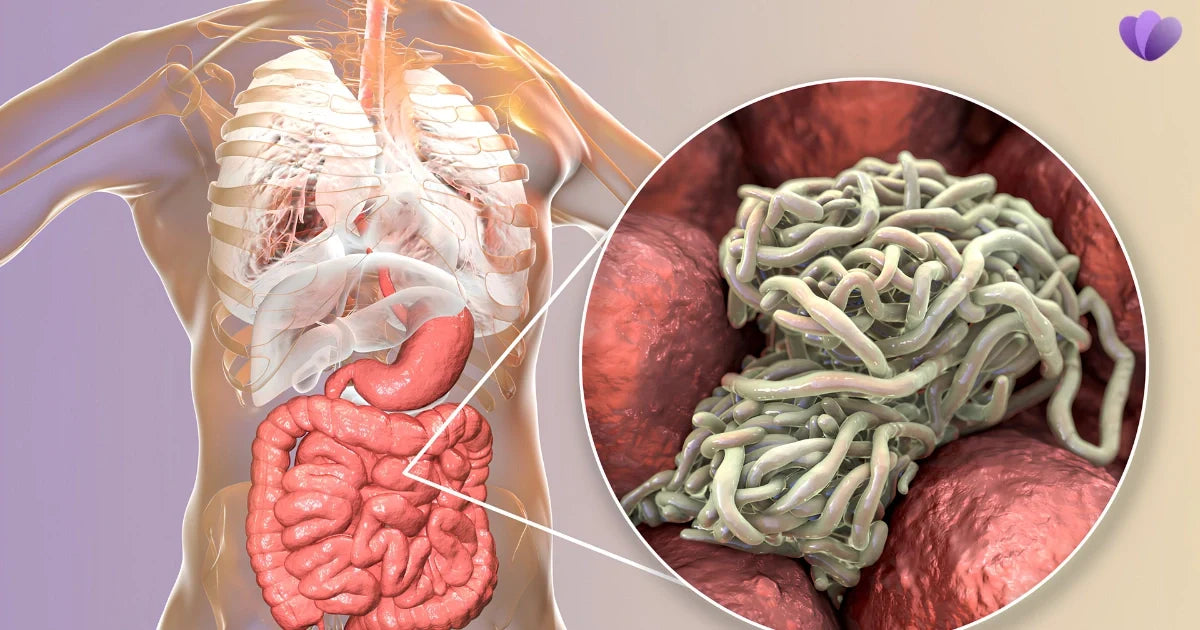
    Pinworms are generally small, white or pale, and thin. Their thread-like appearance is why they are sometimes called threadworms.

    When visible, they may be found:

    • Around the anus at night
    • In underwear
    • On sleepwear or bedding
    • Occasionally on the surface of stool
    • Around the anal area early in the morning

    Food fibers, mucus, lint, and other undigested material can look surprisingly similar. Visual appearance alone is therefore not a reliable diagnosis.

    Learn how to distinguish mucus, undigested food, or worms in stool before assuming that visible material confirms an infection.

    Pinworms vs Hemorrhoids and Other Causes

    Several conditions can cause pruritus ani, the medical term for itching around the anus. Some causes produce symptoms that overlap with pinworm infection.

    Possible cause

    Common signs

    Nighttime pattern

    Pinworms

    Intense itching, disturbed sleep, and possible thread-like worms

    Often worse at night

    Hemorrhoids

    Swelling, discomfort, irritation or bleeding

    Can occur at any time

    Contact irritation

    Burning or itching after soaps, wipes or excessive cleaning

    Variable

    Fungal irritation

    Redness, rash, moisture and sensitivity

    May worsen with heat

    Anal fissure

    Sharp pain during or after bowel movements

    Not specifically nighttime

    Eczema or dermatitis

    Dry, inflamed, cracked or sensitive skin

    Variable

    Stool leakage

    Moisture, staining and repeated irritation

    May occur throughout the day

    Infection or inflammation

    Pain, sores, discharge or swelling

    Variable

    When comparing pinworms vs hemorrhoids, the timing and type of symptoms can provide clues. Pinworms commonly cause repeated nighttime itching, while hemorrhoids are more likely to cause swelling, discomfort, or bleeding that is not limited to the night.

    Symptoms can still overlap, so persistent anal itching should be evaluated rather than self-diagnosed.

    How the Pinworm Tape Test Works

    The pinworm tape test is the most commonly used diagnostic test for suspected pinworms. It is designed to collect eggs from the skin surrounding the anus.

    Timing is important. The test is generally performed:

    • First thing in the morning
    • Before bathing
    • Before using the toilet
    • Before changing clothes
    • Before applying creams or ointments

    Clear adhesive tape is gently applied to the perianal skin according to the instructions supplied by a healthcare professional or laboratory. The collected sample is then examined for pinworm eggs.

    Because eggs may not be successfully collected on every occasion, testing may be recommended on three consecutive mornings. Careful handwashing is essential after collecting or handling the sample.

    Because pinworm eggs are typically deposited overnight, the tape test is usually performed first thing in the morning, before bathing, using the toilet, or getting dressed. 

    Can a Stool Test Detect Pinworms?

    A stool test may occasionally detect pinworms, but it is generally not the preferred test. Pinworm eggs are usually deposited on the skin around the anus rather than consistently released into stool in detectable quantities.

    Therefore, a negative stool test does not reliably rule out pinworms.

    Stool testing can still be useful when a healthcare professional suspects other intestinal parasites. Different organisms require different testing methods, and an ova-and-parasite stool examination may be appropriate for some infections but not for every suspected pinworm case.

    If you are wondering whether a stool test can detect pinworms, the practical answer is that tape testing is usually more directly aligned with the way pinworm eggs are deposited.

    Different intestinal parasites may require different diagnostic methods, so review the broader signs of intestinal parasites and available testing options before assuming that one negative test provides a complete answer.

    How Pinworms Spread Through a Household

    Understanding how pinworms spread is important because household transmission and reinfection are common.

    The cycle may involve:

    1. Pinworm eggs being deposited on the skin around the anus
    2. Scratching the irritated area
    3. Eggs collecting beneath the fingernails
    4. Eggs transferring to bedding, sleepwear, towels, toys, or surfaces
    5. Accidental hand-to-mouth transfer
    6. Reinfection or transmission to another person

    Eggs may also spread when contaminated clothing or bedding is handled. Regular handwashing, clean fingernails, and appropriate laundering can help reduce the risk of pinworm reinfection.

    Human pinworms are specific to humans. A dog or cat scratching itself does not mean that the pet is transmitting human pinworms.

    What to Do If You Suspect Pinworms

    When trying to understand how to know if you have pinworms, avoid relying only on symptoms, online photographs, or visible material in stool.

    Practical next steps include:

    • Speak with a healthcare professional or pharmacist
    • Explain when the itching occurs and how long it has continued
    • Ask whether a pinworm tape test is appropriate
    • Follow the exact collection instructions provided
    • Use approved treatment only as directed
    • Ask whether household members also need evaluation or treatment
    • Wash hands after using the toilet and before eating
    • Keep fingernails short and clean
    • Avoid biting nails or scratching the affected area
    • Wash sleepwear, towels, and bedding as advised
    • Clean commonly touched household surfaces
    • Avoid veterinary medication and unverified home remedies

    A general parasite cleanse is not a substitute for the diagnosis and approved treatment of a suspected or confirmed pinworm infection.

    Paragon Cleanse encourages a testing-first approach, as dietary supplements should not replace professional diagnosis or approved treatment for a suspected or confirmed pinworm infection. 

    When Should You See a Healthcare Professional?

    When Should You See a Healthcare Professional?

    Professional assessment is particularly important when anal itching is persistent, unexplained, or accompanied by additional symptoms.

    Seek medical advice when you experience:

    • Itching that continues or becomes worse
    • Bleeding from the anus
    • Significant pain
    • Swelling, sores, or discharge
    • A spreading rash
    • Fever or signs of infection
    • Unexplained weight loss
    • Major changes in bowel habits
    • Symptoms that continue after treatment
    • Repeated suspected infections
    • Symptoms during pregnancy
    • Symptoms in a baby or very young child

    Anal itching can also result from hemorrhoids, skin irritation, fungal infections, or other conditions, and persistent itching accompanied by bleeding, pain, swelling, or discharge should be medically assessed.

    Final Takeaway

    Anal itching at night may be associated with pinworms, particularly when the itching repeatedly disrupts sleep or affects multiple household members. However, the symptom does not confirm an infection.

    Hemorrhoids, skin irritation, moisture, fungal conditions, fissures, and dermatitis can produce similar discomfort. When pinworms are suspected, a properly performed tape test is generally more useful than relying on a standard stool test.

    If nighttime anal itching keeps returning, becomes severe, or occurs with bleeding, pain, sores, or bowel changes, seek professional medical assessment.

    Frequently Asked Questions

    Why Is My Anus Itchy Only at Night?

    Itching can feel stronger at night because there are fewer distractions. Heat, moisture, and skin irritation may contribute, while pinworms can cause itching when eggs are deposited around the anus during the night.

    Do Pinworms Always Cause Nighttime Anal Itching?

    No. Pinworms are one possible cause, but hemorrhoids, dermatitis, fungal irritation, moisture, anal fissures, and reactions to soaps or wipes can cause similar nighttime symptoms.

    Can Adults Get Pinworms?

    Yes. Adults can become infected, especially through close household contact with an infected child or another adult. Some adults experience nighttime itching, while others have no noticeable pinworm symptoms.

    How Can I Tell Pinworms From Hemorrhoids?

    Pinworms are more commonly associated with intense nighttime itching and possible thread-like worms. Hemorrhoids more often cause swelling, discomfort, or bleeding that can occur at any time.

    What Do Pinworms Look Like?

    Pinworms usually appear small, pale, and thread-like. They may occasionally be visible around the anus, on underwear or on bedding, but appearance alone cannot confirm an infection.

    Can a Stool Test Miss Pinworms?

    Yes. Pinworm eggs are generally deposited on the skin surrounding the anus, so they may not be present in a stool sample. A tape test is usually the preferred diagnostic method.

    When Should the Pinworm Tape Test Be Performed?

    The test is generally performed first thing in the morning, before bathing, using the toilet, getting dressed or applying creams. Testing may be repeated on three consecutive mornings.

    Are Pinworms Contagious?

    Yes. Eggs can spread through hands, fingernails, bedding, clothing, towels and shared surfaces. Hand-to-mouth transfer can infect another person or cause reinfection.

    Can Pets Spread Human Pinworms?

    Human pinworms are transmitted between people. Dogs and cats do not normally spread the human pinworm infection, although pets can carry other parasites that require separate evaluation.

    When Should Anal Itching Be Medically Evaluated?

    Seek medical advice when itching persists, becomes severe, or occurs with bleeding, pain, swelling, sores, discharge, unexplained weight loss, or major changes in bowel habits.

    This article is for general educational purposes and is not a substitute for professional medical advice, diagnosis, or treatment.


  • Mucus, Undigested Food or Worms in Stool? How to Tell the Difference

    Mucus, Undigested Food or Worms in Stool? How to Tell the Difference

    White, stringy or rice-like material in stool may be mucus, undigested food or, less commonly, a visible worm or worm segment. Appearance alone usually cannot confirm whether you are seeing undigested food or worms in stool. Shape, texture, recent meals, accompanying symptoms, and appropriate testing provide more useful clues than a quick visual inspection.

    If you have noticed white strings in poop, avoid immediately assuming they are parasites. Several harmless materials can look similar, while many intestinal parasites cannot be identified with the naked eye. This guide explains the main differences and when professional evaluation may be needed.

    Mucus vs Food vs Worms in Stool: Quick Comparison

    The following table provides a general comparison of materials that may appear unusual in stool. It is intended for educational purposes and cannot diagnose an infection.

    Material

    Possible Appearance

    Texture or Shape

    Common Context

    Can Appearance Confirm It?

    Mucus

    Clear, white or yellowish

    Slimy, jelly-like and irregular

    Constipation, diarrhea or intestinal irritation

    No

    Undigested food

    Food-colored, pale or fibrous

    Uneven strands, skins or particles

    Recent high-fiber meal

    No

    Pinworm

    Small and white

    Thin and thread-like

    Night-time anal itching may occur

    Testing may be needed

    Tapeworm segment

    White or pale

    Small, flat and rice-like

    Possible exposure; symptoms may or may not occur

    Testing may be needed

    Roundworm

    Longer and pale

    Cylindrical or spaghetti-like

    Possible contaminated food, soil, or travel exposure

    Medical evaluation is recommended

    Although this comparison may help you describe what you observed, shape and color alone are not reliable enough to confirm a parasite.

    What Do Parasites Look Like in Stool?

    What worms in human stool look like depends on the organism involved. Some adult worms or worm segments may occasionally be visible, but many parasites and their eggs require laboratory examination.

    Pinworms

    Pinworms are usually small, thin, and white or light-colored. They are often described as looking like short pieces of thread.

    A common symptom associated with pinworms is itching around the anus, particularly at night. However, symptoms and appearance alone are not enough to confirm an infection. A specific tape test may be recommended when pinworms are suspected.

    Tapeworm Segments

    Tapeworm segments may appear as small, flat, white or pale pieces. They are commonly compared to grains of rice or cucumber seeds.

    An individual segment is not the complete tapeworm. It is one section that may separate from the larger worm. Some people with tapeworm infections have digestive symptoms, while others may notice few or no obvious symptoms.

    Roundworms

    Roundworms tend to be longer and cylindrical. They may resemble spaghetti or an earthworm when visible.

    Finding a large worm-like object in stool should be discussed with a healthcare professional rather than managed through self-diagnosis or an over-the-counter cleanse.

    Parasites That Cannot Normally Be Seen

    Many parasite eggs are microscopic and cannot be reliably identified with the naked eye. Protozoa and microscopic parasite cysts also cannot be diagnosed by visually inspecting stool.

    This means that small white particles are not automatically parasite eggs. Food, mucus, medication residue, and other digestive material may produce similar-looking particles.

    What Does Mucus Look Like in Stool?

    Mucus may appear clear, whitish, or yellowish. It often has a slippery, jelly-like or snot-like consistency and may coat the outside of the stool or appear mixed around it.

    Unlike a visible worm, mucus usually does not have a consistent, clearly defined body shape. It may stretch, break apart, or appear irregular.

    A small amount of mucus in stool may occasionally appear without indicating a serious problem. However, persistent, increasing, or bloody mucus should be medically assessed, especially when it occurs with abdominal pain, ongoing diarrhea, fever, or unexplained weight loss. 

    Because mucus can vary in appearance, it may still be difficult to distinguish mucus vs worms in stool through observation alone.

    Which Foods Can Look Like Worms in Stool?

    Which Foods Can Look Like Worms in Stool?

    Undigested food is commonly mistaken for worms. Plant fibers, skins, and seed coverings do not always break down completely during digestion.

    Foods that may look stringy, segmented, or worm-like include:

    • Banana fibres
    • Bean sprouts
    • Onion strands
    • Tomato skins
    • Bell-pepper skins
    • Corn shells
    • Citrus fibres
    • Vegetable stems
    • Seed husks
    • High-fiber grains

    These materials may retain their shape or color after passing through the digestive tract. Checking what you ate during the previous one or two days can sometimes provide useful context.

    However, you should not assume that every unusual object is definitely food. If the material appears repeatedly or occurs alongside pain, diarrhea, weight loss, bleeding, or other concerning symptoms, seek professional advice.

    Can Movement or Appearance Confirm a Worm?

    No single visual feature can reliably confirm an intestinal parasite.

    Light food fibers or mucus may shift in toilet water and appear to move. Water currents, bubbles, and changes in the stool can also create apparent motion.

    At the same time, a still object cannot automatically be dismissed as harmless. Some worm segments may not visibly move by the time they are noticed.

    A clear photograph may help a healthcare professional understand what you observed, but photos cannot replace examination or laboratory testing. Healthcare professionals generally select tests based on symptoms, exposure history, recent travel, and the type of parasite suspected.

    Does Seeing Strings After a Cleanse Mean Parasites Are Leaving?

    Seeing strings or unusual material after using a cleanse does not prove that parasites are leaving the body.

    Supplements such as Paragon Cleanse may change bowel habits or stool appearance, but visible strings or unusual material do not confirm that parasites are leaving the body. 

    Possible explanations include:

    • Intestinal mucus
    • Undigested food fibers
    • Changes caused by increased fiber intake
    • Altered bowel movements
    • Supplement residue
    • Other digestive material

    Stool appearance alone cannot confirm that a cleanse removed parasites. Similarly, digestive discomfort should not automatically be described as “die-off.”

    Persistent pain, constipation, diarrhea, vomiting, bleeding, or worsening symptoms should not be ignored as a normal cleanse reaction. These symptoms may require medical evaluation.

    How Are Intestinal Parasites Tested?

    Since appearance cannot settle the question, professional evaluation and appropriate testing can help investigate or confirm a suspected intestinal parasite.

    Testing may involve:

    • Reviewing symptoms and medical history
    • Discussing recent travel or exposure
    • Examining stool for ova and parasites
    • Organism-specific antigen testing
    • Molecular or PCR-based testing
    • Collecting more than one stool sample
    • Performing a tape test for suspected pinworms
    • Conducting additional investigations when symptoms continue

    The correct test depends on the suspected parasite. No single test identifies every possible organism, and parasites may not appear in every stool sample.

    A negative result may therefore require further assessment when symptoms or exposure history still raise concern. Learn more about whether a stool test can miss parasites, particularly when only one sample was examined, or the selected test did not match the suspected organism.

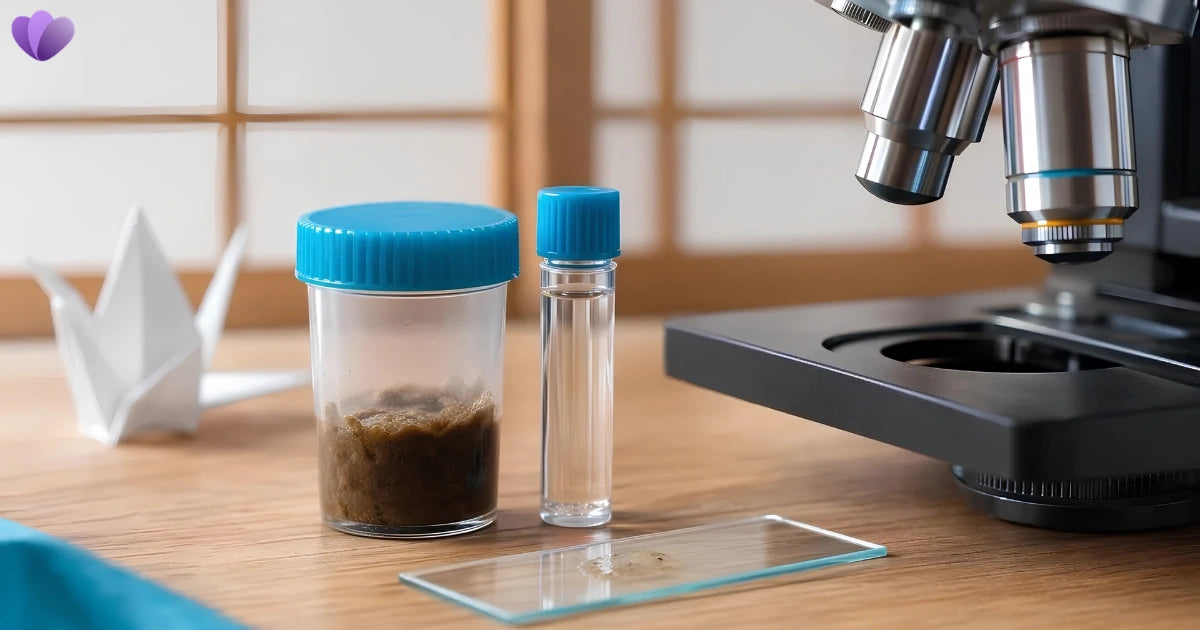
    An ova and parasite test examines a stool sample for certain intestinal parasites and their eggs.

    When Should You Seek Medical Advice?

    When Should You Seek Medical Advice?

    Contact a qualified healthcare professional if you notice worm-like material along with any of the following:

    • Blood in stool
    • Black or tar-like stool
    • Severe abdominal pain
    • Persistent diarrhea
    • Repeated vomiting
    • Fever
    • Dehydration
    • Unexplained weight loss
    • A large visible worm
    • Repeated worm-like material
    • Persistent night-time anal itching
    • Symptoms after international travel
    • Symptoms in a young child
    • Symptoms in an immunocompromised person

    Appearance should be considered alongside other digestive and general health changes. A single unusual-looking bowel movement may not indicate an infection, but repeated changes or significant symptoms should not be ignored.

    You can also review common gut parasite symptoms to understand which digestive and systemic changes may warrant further evaluation.

    Frequently Asked Questions

    Are White Strings in Poop Always Worms?

    No. White strings in poop may be mucus, undigested plant fibers, or other digestive material. Shape, recurrence, and accompanying symptoms provide useful context, but professional evaluation and appropriate testing offer the most reliable confirmation.

    Can Mucus Look Like Worms in Stool?

    Yes. Mucus can occasionally appear stringy or thread-like. However, it is usually slippery, irregular, and jelly-like rather than having a consistent body shape. Appearance alone cannot confirm the difference.

    What Foods Are Commonly Mistaken for Parasites?

    Banana fibers, bean sprouts, onion strands, tomato skins, pepper skins, corn shells, citrus fibers, and seed husks may remain partially undigested and look like worms or segments in stool.

    Can You See Parasite Eggs With the Naked Eye?

    Generally, no. Most parasite eggs are microscopic and require laboratory examination. Visible white particles are more likely to be food residue, mucus, or other material than parasite eggs.

    Do Tapeworm Segments Look Like Rice?

    Tapeworm segments may appear small, flat, pale, and rice-like. However, food particles can have a similar appearance, so visual inspection alone should not be used to diagnose a tapeworm infection.

    Can Worms Move After Passing in Stool?

    Some worms or segments may move, but apparent movement does not confirm a parasite. Toilet water can also shift light mucus or plant fibers. Proper testing may still be required.

    Should I Save or Photograph Worm-Like Material?

    Avoid touching the material directly. A clear photograph may help a healthcare professional understand what you observed. Do not collect or store a stool sample unless you receive instructions about safe handling and the correct container.

    This article is intended for general educational purposes only and is not a substitute for professional medical advice, diagnosis, or treatment. Consult a qualified healthcare provider if you have concerns about parasites, persistent digestive symptoms, or unusual material in your stool.

  • Can a Stool Test Miss Parasites? Understanding False Negatives and Next Steps

    Can a Stool Test Miss Parasites? Understanding False Negatives and Next Steps

    Yes, a stool test can sometimes miss an intestinal parasite. A negative result means that no targeted parasite or parasite eggs were detected in the specimen examined, but it does not always provide a complete answer. Detection can depend on the test method, number of samples, specimen handling, and suspected organism.

    This does not mean parasite stool testing is generally unreliable. It is an established diagnostic method, but every test has limitations. Understanding those limitations can help you interpret a negative result and discuss appropriate next steps with a qualified healthcare professional.

    What Is a Parasite Stool Test?

    “Stool test” can refer to several laboratory methods, and each one looks for different evidence.

    An ova and parasite test, also called an O&P exam, uses microscopy to look for eggs, cysts, larvae, or visible organisms. An antigen test looks for specific proteins associated with selected parasites. A PCR or molecular test looks for genetic material from organisms included in a defined panel.

    A stool culture is different because it usually looks for certain bacteria rather than parasites. The exact test ordered therefore matters when interpreting a negative result.

    Can a Stool Test Miss Parasites?

    A parasite stool test can be negative even when further investigation may be appropriate. This may happen when only one specimen is examined, the organism is not present in detectable amounts in that sample, the selected test does not target it, or the specimen is collected or preserved incorrectly.

    In other words, can parasites be missed in a stool sample? In some circumstances, yes. A negative result should be interpreted alongside the test method, number of specimens, symptoms, travel history, and possible food, water, or animal exposure.

    It should not automatically be treated as proof of a hidden infection, but it may not answer every diagnostic question.

    Why Can a Parasite Stool Test Be False Negative?

    Several factors can contribute to a parasite stool test being false negative.

    The Organism Was Not Detectable in That Sample

    Some intestinal parasites may not be present in detectable amounts in every bowel movement. A specimen collected on one day may therefore produce a different result from a specimen collected on another day.

    This variation is sometimes described as intermittent shedding. It is one reason a healthcare professional may request samples collected on different days rather than relying on a single specimen.

    Only One Sample Was Examined

    A single stool sample can provide useful information, but it may not detect every infection. Examining specimens collected on separate days may improve the chance of finding parasites or eggs that are not present consistently.

    The appropriate number of samples depends on the suspected organism, laboratory method, and instructions provided by the healthcare professional or laboratory.

    The Test Did Not Target the Suspected Parasite

    A general O&P examination does not necessarily include every possible organism. Some parasites may require a special stain, antigen test, molecular panel, blood test, or another diagnostic method.

    A report marked “negative” applies only to the organisms and methods included in that test. It does not necessarily mean that every known parasite was evaluated.

    Collection or Handling Problems Occurred

    Contamination with urine or toilet water, use of the wrong container, delayed delivery, unsuitable storage, or failure to follow collection instructions may affect specimen quality.

    Samples should be collected in the container provided and returned exactly as directed. Different test methods may require different preservatives, temperatures, or delivery times.

    What Does a Negative O&P Test Mean?

    What Does a Negative O&P Test Mean?

    A negative O&P test means that no parasites or parasite eggs were found in the specimen examined. Depending on the circumstances, this may mean:

    • No intestinal parasite is present.
    • The organism was not detectable in that specimen.
    • The test did not include the suspected parasite.
    • Another condition is causing the symptoms.

    A negative result is useful information, but its significance depends on what was tested and why. A healthcare professional may consider another specimen, a different test, or an evaluation for other causes when symptoms or exposure concerns continue.

    A negative result should not be used by itself to confirm that a hidden infection exists.

    How Many Stool Samples Are Needed for Parasite Testing?

    There is no single answer for every person or parasite. In some evaluations, three or more specimens collected on separate days may be examined because detection can vary from one sample to another.

    Parasite testing and stool specimens explain why multiple samples or special tests may sometimes be considered.

    Patients should follow the instructions supplied with the test kit rather than repeatedly submitting samples without professional guidance. The appropriate collection schedule depends on the organism being investigated and the test being used.

    O&P Test vs PCR vs Antigen Testing

    Test

    What It Detects

    Main Benefit

    Possible Limitation

    O&P microscopy

    Eggs, cysts, larvae, or visible organisms

    Examines a specimen for different parasite stages

    Detection varies by organism, specimen, and method

    Antigen test

    Proteins from selected parasites

    Useful when a specific organism is suspected

    Detects only targeted organisms

    PCR test

    Genetic material from organisms included in a panel

    Identifies selected organisms without relying only on visual detection

    Does not detect organisms outside the panel

    Blood test

    Selected antibodies, antigens, or blood parasites

    Useful for certain infections outside routine stool microscopy

    No single blood test detects every parasite

    No method is universally best. The choice between a PCR vs O&P test for parasites depends on the suspected organism, symptoms, exposure history, and available laboratory methods.

    Negative Parasite Test but Still Have Symptoms?

    Diarrhea, abdominal discomfort, gas, nausea, bloating, fatigue, or changes in bowel habits are not specific to parasitic infections.

    Food intolerance, bacterial or viral infections, medication side effects, irritable bowel conditions, inflammatory digestive disorders, stress, diet changes, and other health issues may produce similar symptoms.

    You can review possible signs of gut parasites, but symptoms alone cannot confirm an infection. Persistent or worsening symptoms should be professionally assessed rather than automatically attributed to parasites.

    What to Do After a Negative Parasite Test

    When a parasite test is negative, but concerns remain, use these questions when discussing the result with a healthcare professional:

    1. What exact test was performed?
    2. How many specimens were examined?
    3. Which organisms were included?
    4. Was microscopy, antigen testing, PCR, or another method used?
    5. Could travel, food, untreated water, or animal exposure affect test selection?
    6. Would another specimen or targeted test be appropriate?
    7. Could a non-parasitic condition explain the symptoms?

    Because parasites may not appear in every specimen, healthcare professionals may request multiple stool samples collected on separate days before interpreting a negative result. 

    Should You Start a Parasite Cleanse After a Negative Test?

    A supplement cannot diagnose or confirm a parasitic infection. Digestive changes after taking a product also do not prove that a parasite was present or that a “die-off” reaction occurred.

    People taking prescription medicines, managing a medical condition, pregnant, breastfeeding, or considering a supplement for a child should discuss its use with a qualified healthcare professional.

    Products should only be used according to their current labels. Review what to consider before starting a cleanse routine before making a decision.

    Paragon Cleanse is a dietary supplement and should not be used as a substitute for parasite testing, diagnosis, or medical treatment.

    When to Seek Medical Care

    When to Seek Medical Care

    Seek professional care when symptoms persist, worsen, or affect hydration and normal daily activity.

    Prompt medical attention may be needed for:

    • Blood in the stool
    • Severe abdominal pain
    • Persistent vomiting
    • High fever
    • Signs of dehydration
    • Unexplained weight loss
    • Prolonged diarrhea
    • Symptoms after international travel
    • Symptoms in someone with a weakened immune system

    Final Takeaway

    Can a stool test miss parasites? In some situations, yes. Detection depends on the test type, suspected organism, number and quality of specimens, and proper collection and handling.

    A negative result means no targeted parasite was detected in the specimen examined. It should be interpreted alongside symptoms, exposure history, and the test method rather than used alone to confirm or dismiss an infection.

    When concerns continue, professional evaluation is the safest next step.

    FAQs

    Can One Stool Sample Rule Out Parasites?

    One specimen may not detect every intestinal parasite. Depending on the suspected organism and test method, a healthcare professional may request samples collected on separate days.

    What Does a Negative O&P Test Mean?

    It means no parasite or parasite eggs were detected in the specimen examined. No infection may be present, the organism may not have been detectable in that sample, or a different test may be needed.

    Is PCR Better Than an O&P Test?

    Not always. PCR detects organisms included in its panel, while O&P microscopy visually examines a specimen. The most appropriate method depends on the suspected parasite and clinical circumstances.

    What Should I Do if Symptoms Continue After a Negative Test?

    Confirm which test was performed, how many specimens were examined, and which parasites were included. Discuss continuing symptoms and relevant exposure history with a healthcare professional.

  • Can You Get Parasites From Water? Tap Water, Wells, Pools and Lakes

    Can You Get Parasites From Water? Tap Water, Wells, Pools and Lakes

    Yes, certain parasites can spread through contaminated water, particularly when untreated water is consumed or recreational water is accidentally swallowed. However, the actual risk depends on the water source, how it is treated, and the way exposure occurs.

    Properly treated municipal tap water and untreated lake or well water carry substantially different levels of risk. Giardia and Cryptosporidium are two well-known waterborne parasites associated with contaminated drinking and recreational water. Both can be present in water that looks clear, clean, and safe.

    This guide explains whether you can get parasites from tap water, private wells, swimming pools, lakes and rivers, along with the symptoms to watch for and practical ways to reduce your risk.

    What Are Waterborne Parasites?

    Waterborne parasites are microscopic organisms that can enter the human body through contaminated water. Infection usually occurs when a person swallows water containing the infectious form of a parasite.

    However, not every illness linked to contaminated water is caused by a parasite. Bacteria, viruses, parasites and free-living amoebas are different organisms with different transmission patterns, symptoms and treatment requirements.

    Exposure may happen when someone:

    • Drinks untreated surface water
    • Swallows water while swimming
    • Uses contaminated water for cooking
    • Drinks from a poorly maintained private well
    • Consumes food washed with unsafe water

    Water does not need to look dirty to contain harmful microorganisms. Clear, odorless water may still contain microscopic contaminants.

    Which Parasites Can Spread Through Water?

    Several organisms may spread through contaminated water, but Giardia and Cryptosporidium are among the most frequently discussed.

    Giardia

    Giardia is a microscopic parasite associated with untreated lakes, rivers, streams, springs, private wells, and contaminated recreational water.

    Swallowing contaminated water is a common route of Giardia infection, although it can also spread through contaminated food, surfaces, and person-to-person contact. Giardia infection may cause diarrhea, gas, bloating, stomach cramps, nausea, and unusual-smelling or greasy stools.

    Cryptosporidium

    Cryptosporidium, commonly called Crypto, may spread through contaminated drinking water, swimming pools, splash pads, lakes and rivers.

    It is commonly associated with watery diarrhea and can be more difficult to control in recreational water because it is relatively resistant to chlorine. This means a properly maintained pool may reduce the risk without eliminating it.

    Water is only one possible source of exposure. Readers looking for a broader overview can learn more about common parasites found in humans, including their possible transmission routes and prevention measures.

    Parasite Risk by Water Source

    The risk of finding parasites in drinking water varies significantly depending on the source and treatment method.

    Water source

    General risk

    Main concern

    Treated tap water

    Usually lower

    Treatment failure, pipe damage or local contamination

    Private well

    Variable

    Flooding, septic leakage and surface runoff

    Swimming pool

    Possible

    Accidentally swallowing contaminated water

    Lake or river

    Higher than treated water

    Untreated surface water and animal or human waste

    Can Tap Water Have Parasites?

    Properly treated public tap water generally carries a lower risk than untreated surface water. Municipal water systems normally use filtration and disinfection processes designed to control harmful microorganisms.

    However, parasites in tap water may become a concern during:

    • Water-treatment failures
    • Flooding
    • Broken or damaged pipes
    • Sewage contamination
    • Natural disasters
    • Local boil-water advisories

    The smell, taste, or appearance of tap water cannot confirm whether it is safe. Residents should follow official local instructions whenever a boil-water advisory or contamination warning is issued.

    Can Well Water Have Parasites?

    Property owners generally manage private wells and are not routinely monitored or treated in the same way as public water systems.

    Parasites in well water may become a concern when contamination enters the system through:

    • Floodwater
    • Damaged well casings
    • Septic-system leaks
    • Animal waste
    • Agricultural runoff
    • Poor drainage
    • Shallow well construction

    Private-well owners should arrange routine water testing and test again after flooding, repairs, changes in taste or odor, or a suspected contamination event. Floodwater can introduce contaminants into a private well even when no obvious damage is visible.

    Can Pools Carry Parasites?

    Can Pools Carry Parasites?

    Parasites in pool water can cause infection when contaminated water is accidentally swallowed.

    A properly maintained pool lowers the risk, but it does not make the water completely germ-free. Cryptosporidium is particularly important because it can survive longer than many other organisms in chlorinated recreational water.

    People experiencing diarrhea should avoid swimming, as this can contribute to contamination and expose other swimmers. Parents should also remind children not to swallow water in swimming pools, splash pads or water parks.

    Can Lakes and Rivers Carry Parasites?

    Parasites in lake water, rivers and streams are a greater concern because these natural sources usually do not receive the same treatment as municipal drinking water.

    Contamination may come from:

    • Human waste
    • Wildlife
    • Livestock
    • Sewage overflow
    • Stormwater runoff
    • Campsites near water
    • Flooding

    Lake or river water may look clean while still containing Giardia, Cryptosporidium, or other harmful organisms. Untreated surface water should not be used for drinking, brushing teeth, washing food, or preparing meals unless it has first been properly treated.

    Symptoms of Waterborne Parasites

    The possible symptoms of waterborne parasites often affect the digestive system.

    Common symptoms may include:

    • Watery diarrhea
    • Gas and bloating
    • Stomach cramps
    • Nausea
    • Vomiting
    • Fatigue
    • Reduced appetite
    • Greasy or unusual-smelling stools
    • Dehydration
    • Unexplained weight loss

    Symptoms may begin within days or weeks of exposure, depending on the organism involved. They may also continue after the initial infection in some people.

    However, these symptoms do not confirm that parasites are present. Food poisoning, bacterial infections, viral illnesses, food intolerances and other digestive conditions may cause similar problems.

    Recent exposure history can help a healthcare professional evaluate the situation. Relevant information may include swimming in a lake, drinking untreated water, using a recently flooded well or traveling to an area with uncertain water quality.

    How Are Waterborne Parasites Diagnosed?

    A healthcare professional may begin by asking about symptoms, recent travel, drinking-water sources and recreational-water exposure.

    Depending on the suspected infection, testing may include:

    • Stool microscopy
    • Stool antigen testing
    • Molecular or PCR testing
    • Multiple stool samples collected on different days
    • Additional blood or imaging tests when appropriate

    An ova and parasite test examines a stool sample for intestinal parasites or their eggs. Multiple samples may sometimes be requested because parasites may not appear consistently in every sample.

    A healthcare professional may recommend laboratory testing for intestinal parasites based on the symptoms and possible exposure.

    Persistent digestive symptoms should not automatically be described as a cleanse reaction or parasite “die-off.” Proper testing is needed to identify the actual cause.

    Does Boiling or Filtering Water Remove Parasites?

    Treatment can reduce the risk of Giardia, Cryptosporidium, and other waterborne organisms, but the correct method matters.

    Does Boiling Water Kill Parasites?

    Yes. Boiling is one of the most reliable ways to kill parasites and other disease-causing organisms in uncertain water.

    Bring clear water to a full rolling boil for at least one minute. At elevations above 6,500 feet, boil it for three minutes. Allow the water to cool naturally before storing it in a clean, covered container.

    If the water is cloudy, first pass it through a clean cloth, paper towel, or coffee filter before boiling.

    Boiling can kill biological organisms, but it does not remove:

    • Heavy metals
    • Fuel
    • Pesticides
    • Salt
    • Other chemical contaminants

    Water suspected of chemical contamination should not be made safe simply by boiling it.

    Can Water Filters Remove Parasites?

    Some filters can remove parasites, but a standard household filter is not automatically suitable.

    For parasite removal, look for a filter specifically certified for:

    • Cyst reduction
    • Oocyst reduction
    • Giardia removal
    • Cryptosporidium removal

    Filters meeting appropriate cyst-reduction standards may help remove these organisms. A basic carbon pitcher designed mainly to improve taste or odor should not be assumed to remove parasites.

    Filter cartridges must also be installed, cleaned, and replaced according to the manufacturer’s instructions. A damaged or poorly maintained filter may not provide the expected protection.

    Follow recognized safe water treatment and filtration guidance when using untreated water for drinking, cooking, or brushing teeth. Certified cyst-reduction filters can remove certain parasites, but many do not remove all bacteria or viruses.

    How to Reduce the Risk of Waterborne Parasites

    Practical water-safety habits can lower the risk of infection:

    • Do not drink directly from untreated lakes, rivers, springs, or streams.
    • Avoid swallowing water while swimming.
    • Treat water before drinking or cooking while hiking and camping.
    • Test private-well water after flooding or suspected contamination.
    • Follow local boil-water advisories carefully.
    • Avoid swimming while experiencing diarrhea.
    • Keep children from swallowing pool or splash-pad water.
    • Use clean containers when storing treated water.
    • Maintain private wells and household filtration systems properly.
    • Do not assume that clear water is safe.

    Combine good water habits with other practical ways to reduce parasite exposure at home, while traveling, and when preparing food.

    When Should You Seek Medical Advice?

    When Should You Seek Medical Advice?

    Contact a healthcare professional if you experience:

    • Persistent or severe diarrhea
    • Blood in the stool
    • Severe abdominal pain
    • Frequent vomiting
    • Inability to keep fluids down
    • Signs of dehydration
    • High fever
    • Unexplained weight loss
    • Symptoms after international travel
    • Symptoms after drinking untreated water

    Medical advice may be especially important when symptoms affect young children, older adults, pregnant individuals, or people with weakened immune systems.

    A suspected waterborne infection should be properly evaluated rather than treated through self-diagnosis or a general cleanse routine.

    Summary

    Parasites can spread through contaminated drinking and recreational water, but the risk depends on the water source, treatment system, and type of exposure.

    Properly treated tap water generally carries a lower risk, while untreated wells, lakes, rivers, and accidentally swallowed recreational water require greater caution. Boiling, certified filtration, private-well testing and responsible swimming habits can help reduce exposure.

    Understanding whether you can get parasites from water allows you to take practical precautions without assuming that every digestive symptom confirms an infection. Persistent symptoms should always be professionally evaluated rather than diagnosed through guesswork.

    Frequently Asked Questions

    Can You Get Parasites From Tap Water?

    Properly treated public water generally carries a lower risk. However, contamination may occur during flooding, infrastructure failures, damaged pipes, treatment problems, or local water-quality incidents.

    Can You Get Parasites From Swimming-Pool Water?

    Yes. Infection may occur when contaminated pool water is swallowed. Avoid swimming while experiencing diarrhea and try not to swallow water in pools, splash pads, or water parks.

    Can You Get Parasites From Well Water?

    Yes, parasites in well water may be possible if floodwater, sewage, septic leakage, animal waste, or surface runoff contaminates the well. Regular testing and proper maintenance help reduce the risk.

    Can You Get Parasites From Lake Water?

    Untreated lake water may contain Giardia, Cryptosporidium and other harmful organisms. It should be boiled or appropriately filtered before being used for drinking or food preparation.

    Does Boiling Water Kill Giardia and Cryptosporidium?

    Yes. Bring clear water to a rolling boil for one minute, or three minutes at elevations above 6,500 feet, before allowing it to cool.

    Can a Normal Household Filter Remove Parasites?

    Not every filter can remove parasites. Check whether the filter is specifically certified for cyst or oocyst reduction and follow its maintenance and cartridge-replacement instructions.

    How Do You Know if Water Contains Parasites?

    You generally cannot identify parasites by looking at, smelling, or tasting the water. Proper water testing is required to evaluate possible contamination.

  • Can Sushi Give You Parasites? Risks, Symptoms, and Safety Tips

    Can Sushi Give You Parasites? Risks, Symptoms, and Safety Tips

    Sushi is enjoyed around the world, but eating raw fish can raise an understandable question: can you get parasites from sushi?

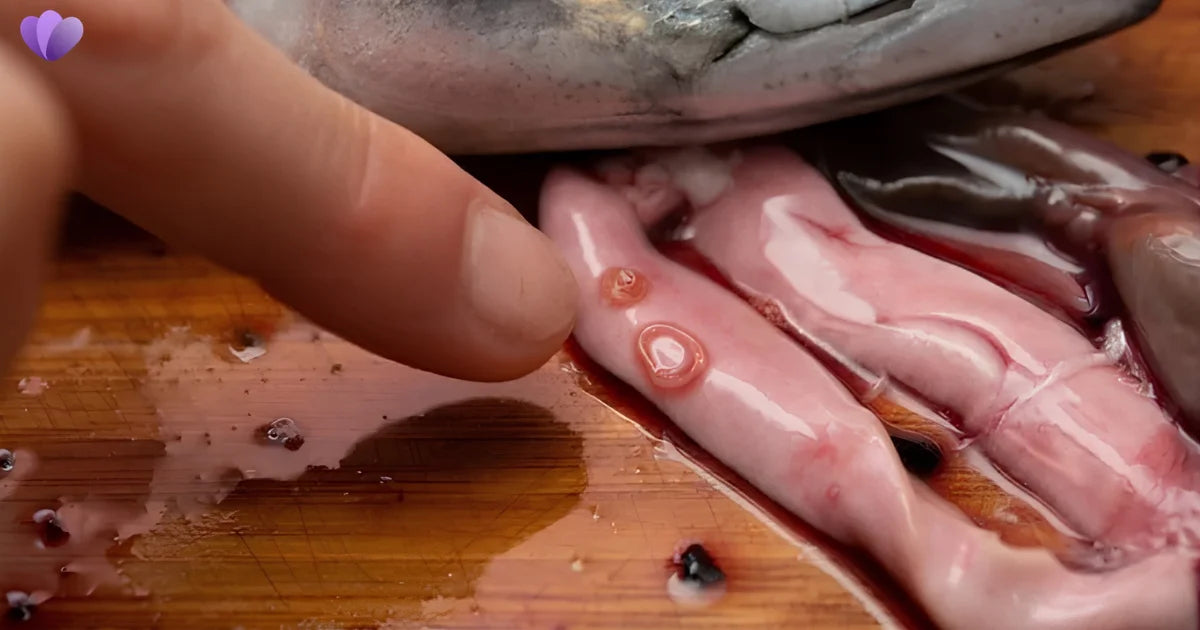
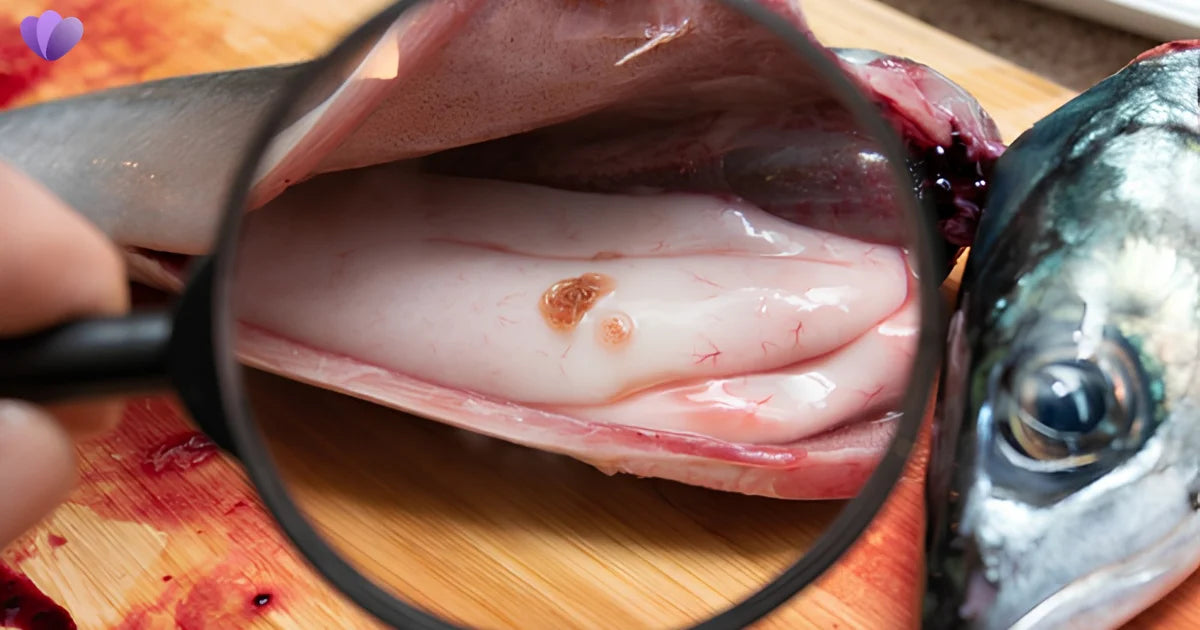
    Yes, certain raw or undercooked fish used in sushi and sashimi can carry parasites. One of the best-known examples is Anisakis, a type of roundworm associated with raw marine fish and squid. Consuming infected seafood may cause an illness known as anisakiasis.

    However, eating sushi does not automatically mean you will develop a parasite infection. Proper sourcing, controlled freezing, careful storage, and hygienic preparation can significantly reduce the risk. Knowing how raw fish is handled and prepared can help you choose sushi more safely without worrying unnecessarily about every meal.

    Can Sushi Really Give You Parasites?

    People often search “can sushi give you parasites?” or “can sushi give you worms?” after eating raw salmon, tuna, or sashimi.

    The risk is connected specifically to raw or undercooked seafood, rather than sushi as an entire food category. A cucumber roll, avocado roll, cooked crab roll, or tempura shrimp roll does not carry the same raw-fish parasite risk as sashimi or nigiri topped with uncooked seafood.

    Eating infected raw or undercooked fish can expose people to certain parasites. The actual risk depends on factors such as:

    • The fish species
    • Where the fish was sourced
    • Whether it was properly frozen
    • How it was stored
    • How hygienically it was prepared

    Vegetarian and fully cooked rolls do not carry the same parasite risk, although normal food-handling and cross-contamination concerns can still apply.

    Sushi vs. Sashimi: What Is the Difference?

    Sushi and sashimi are often treated as interchangeable terms, but they are not the same.

    Sushi is prepared with vinegared rice and can include raw or cooked seafood, vegetables, egg, and other fillings. Sashimi, by contrast, is sliced raw fish or seafood served on its own without rice.

    Therefore, the risk of parasites from sushi depends on whether raw seafood is included. The vinegared rice itself is not responsible for fish-borne parasites. A cooked sushi roll carries a different risk profile from raw salmon sashimi.

    What Parasites Can Be Found in Raw Fish?

    Several parasites may be associated with raw or undercooked seafood, although the specific risk depends on the fish species and region.

    1. Anisakis

    Anisakis is the parasite most commonly discussed in relation to sushi and sashimi. It is a roundworm whose larvae may be found in marine fish and squid.

    When someone consumes infected raw or undercooked seafood, the larvae may attach to the stomach or intestinal lining. The resulting condition is called anisakiasis.

    2. Fish tapeworms

    Certain freshwater and migratory fish may carry tapeworm larvae. Infection can occur when contaminated fish is eaten raw or insufficiently cooked.

    The likelihood varies according to the fish species, geographic origin, preparation method, and whether an effective freezing process was used.

    3. Other causes of illness

    A parasite does not always cause stomach discomfort after sushi. Bacteria, viruses, food intolerance, food allergies, and unrelated digestive conditions may cause similar symptoms.

    For this reason, symptoms alone cannot confirm that someone has acquired a parasite from sushi.

    Which Sushi Fish May Carry Parasites?

    No raw fish should be described as completely parasite-free. However, some types of fish are more commonly associated with parasite concerns than others.

    Fish or seafood

    Potential concern

    Common preparation

    Salmon

    Parasite larvae may occur in some wild fish

    Often previously frozen

    Mackerel

    May carry Anisakis larvae

    Frozen, cured, or cooked

    Herring

    Possible Anisakis exposure

    Pickled, frozen, or cooked

    Cod

    May carry anisakid larvae

    Usually served cooked

    Squid

    May carry anisakid larvae

    Raw or lightly cooked

    Tuna

    Generally considered a lower parasite concern than several other species

    Commonly served raw

    People searching for parasites in raw salmon should remember that sourcing and preparation are often more important than the name of the fish alone. Wild and farmed fish may also have different risk profiles depending on how they were raised, processed, and handled.

    What Are Sushi Parasite Symptoms?

    What Are Sushi Parasite Symptoms?

    Possible sushi parasite symptoms may include:

    • Sudden or severe abdominal pain
    • Nausea
    • Vomiting
    • Diarrhea
    • Abdominal swelling or bloating
    • Mild fever
    • Blood or mucus in stool
    • Itching
    • Hives
    • An allergic reaction

    Rarely, a serious allergic reaction may cause facial swelling, dizziness, or difficulty breathing. These symptoms require urgent medical attention.

    These signs do not automatically prove that raw fish caused a parasite infection. Food poisoning and other digestive problems can produce very similar effects.

    Persistent digestive issues may also resemble the general signs of intestinal parasites, so symptoms should be evaluated alongside food history, severity, timing, and appropriate medical testing.

    How Soon Can Sushi Parasite Symptoms Appear?

    People often ask how soon sushi parasite symptoms appear after eating raw fish.

    Some anisakiasis symptoms may begin within hours of consuming infected seafood. In other cases, intestinal symptoms may take longer to develop, depending on where the larvae attach and how the body reacts.

    Still, rapid stomach pain after eating sushi does not automatically indicate a parasite infection. Food poisoning, overeating, food intolerance, or another digestive condition can also cause symptoms shortly after a meal.

    Contact a healthcare professional if symptoms are severe, persistent, or worsening rather than trying to diagnose the cause from timing alone.

    Does Freezing Fish Kill Parasites?

    Proper freezing is one of the main methods used to reduce parasite risk in fish intended to be eaten raw.

    However, both the temperature and length of freezing matter. Briefly placing fresh fish in a normal home freezer may not provide the same controlled conditions used by commercial seafood processors.

    Fish intended for raw consumption is often frozen under specific conditions before being served, although requirements and exemptions may vary according to the fish species and local regulations.

    It is also important to understand that freezing does not eliminate every foodborne hazard. It can kill parasites when performed correctly, but it may not destroy all harmful bacteria, viruses, or toxins.

    Consumers should follow recognized seafood freezing, storage, and cooking guidance. Thoroughly cooking seafood remains the safest option for reducing both parasite and general foodborne-illness risks.

    Is Restaurant Sushi Safer Than Homemade Sushi?

    A reputable sushi restaurant may have food-safety advantages that are difficult to reproduce at home, including:

    • Approved seafood suppliers
    • Documented storage procedures
    • Better cold-chain control
    • Commercial freezing equipment
    • Trained food handlers
    • Established sanitation procedures

    Nevertheless, restaurant sushi is not automatically risk-free. Safety still depends on the quality of the supplier, temperature control, preparation practices, and compliance with local food regulations.

    The term “sushi-grade” is widely used in seafood marketing, but the wording alone should not be treated as a complete safety guarantee. Proper handling and freezing history matter more than the label.

    When preparing sushi at home, purchase fish specifically intended for raw consumption from a knowledgeable and reputable supplier. Do not assume that ordinary supermarket fish is suitable for eating raw.

    How to Reduce Parasite Risk When Eating Sushi

    You can reduce the risk of sushi parasites by following practical food-safety habits:

    • Choose reputable restaurants with good hygiene practices.
    • Ask whether fish served raw was previously frozen when appropriate.
    • Select cooked rolls when the fish source is uncertain.
    • Purchase homemade-sushi ingredients from a reliable seafood supplier.
    • Keep raw fish refrigerated and avoid leaving it at room temperature.
    • Avoid seafood with an unusual smell, color, or texture.
    • Prevent raw seafood from contacting ready-to-eat foods.
    • Do not rely on wasabi, soy sauce, lemon juice, or vinegar to kill parasites.
    • Choose fully cooked seafood when you want the lowest-risk option.

    Pregnant people, young children, older adults, and individuals with weakened immune systems should be particularly cautious with raw or undercooked seafood.

    Safe seafood handling is also one part of the broader ways to reduce parasite exposure through food hygiene, clean water, handwashing, and responsible meal preparation.

    When Should You Seek Medical Care?

    When Should You Seek Medical Care?

    Contact a qualified healthcare provider after eating raw fish if you experience:

    • Severe or worsening abdominal pain
    • Persistent vomiting
    • Blood or mucus in stool
    • Signs of dehydration
    • A high or persistent fever
    • Symptoms that do not improve
    • Facial or throat swelling
    • Breathing difficulty
    • A widespread rash or serious allergic reaction

    Breathing difficulty, throat swelling, or other signs of a severe allergic reaction require urgent medical attention.

    A suspected parasite infection should be professionally evaluated. Symptoms alone cannot determine whether the cause is anisakiasis, another parasite, food poisoning, an allergy, or a different medical condition.

    Final Takeaway

    Getting parasites from sushi is possible when infected raw or undercooked seafood is consumed, but it is not an inevitable result of eating sushi.

    Proper sourcing, controlled freezing, hygienic preparation, and safe storage can meaningfully reduce the risk. Cooked sushi remains the safer option for anyone concerned about raw-fish parasites or foodborne illness.

    Seek professional medical advice when symptoms after eating raw fish are severe, persistent, or worsening.

    Frequently Asked Questions

    Can You Get Worms From Restaurant Sushi?

    Yes, it is possible if infected raw or undercooked fish is consumed. However, reputable sourcing, correct freezing, temperature control, and proper preparation significantly reduce the risk.

    Does Freezing Sushi Fish Kill Parasites?

    Correct freezing at controlled temperatures for the required length of time can kill parasites in fish. However, freezing does not eliminate every type of bacterium, virus, or foodborne hazard.

    Can You See Parasites in Sushi?

    Some worms may be visible, but many parasite larvae are small or hidden within the fish tissue. Visual inspection alone cannot confirm that raw fish is safe.

    Does Wasabi Kill Parasites in Raw Fish?

    No. Wasabi, soy sauce, vinegar, and lemon juice should not be relied upon to kill parasites or make contaminated fish safe to eat.

    Is Cooked Sushi Safe From Parasites?

    Proper cooking kills parasites in seafood, making fully cooked sushi a lower-risk choice than sushi or sashimi made with raw fish.

    How Soon Can Symptoms Start After Eating Sushi?

    Some symptoms may begin within hours, while others may appear later. The timing depends on the organism and the area of the digestive system affected. Timing alone cannot confirm a parasite infection.

    This article is intended for general informational purposes and is not a substitute for professional medical advice, diagnosis, or treatment. Consult a qualified healthcare provider if you suspect an infection or experience persistent symptoms after eating raw seafood.

  • Paragon Cleanse Protocol Schedule: A Step-by-Step Daily Routine Guide

    Paragon Cleanse Protocol Schedule: A Step-by-Step Daily Routine Guide

    Many people don’t struggle with understanding what a cleanse product does. They struggle to follow a consistent routine.

    You open the package, read the instructions, feel motivated at the beginning, and then daily responsibilities take over. Meals get skipped, timing gets forgotten, and the routine becomes difficult to maintain.

    In many cases, the challenge is not the idea of a cleanse routine itself; it is having a clear structure to follow.

    A well-organized schedule can make a routine easier to manage by creating consistency and removing unnecessary guesswork. A structured approach like the Paragon Cleanse Protocol focuses on organizing different parts of a wellness routine together, including cleanse support, binder support, and healthy daily habits.

    This guide explains how to create a practical daily cleanse schedule, what steps to consider before starting, and how to maintain a consistent routine from beginning to end.

    What Is a Paragon Cleanse Protocol?

    A protocol is an organized plan that follows a specific sequence rather than using different products randomly.

    A Paragon Cleanse Protocol follows this same structured approach by combining different parts of a daily wellness routine into a clear system.

    Instead of focusing on one single element, a structured cleanse plan may include:

    • Cleanse support – the main part of the routine
    • Binder support – an additional step that requires proper timing consideration
    • Lifestyle support – hydration, balanced meals, sleep, and healthy habits

    The biggest difference between a structured parasite cleanse protocol and an unplanned routine is consistency.

    A person may have the same products as someone else, but their experience with the routine can be different depending on how well they organize their daily schedule.

    Before Starting Your Paragon Cleanse Routine

    Before beginning any structured cleanse routine, preparation can make the process easier to follow.

    A few simple steps can help create a better daily system:

    Review Product Instructions

    Always start by understanding the instructions provided with your specific products. Every supplement routine may have different recommendations.

    Organize Your Daily Schedule

    Decide when your routine will fit best into your day.

    Consider:

    • Morning habits
    • Meal timing
    • Work schedule
    • Evening routine

    Prepare Supporting Habits

    A consistent routine often works better when combined with basic healthy lifestyle and wellness habits such as:

    • Drinking enough water
    • Maintaining balanced meals
    • Getting proper rest
    • Keeping a regular daily schedule

    Preparation helps reduce missed steps and makes your cleanse routine easier to maintain.

    Why Following a Daily Cleanse Schedule Matters

    A daily cleanse schedule is not about making the routine complicated. It is about creating a simple system that is easier to remember and follow.

    A consistent parasite cleanse schedule can help by:

    • Creating predictable timing throughout the day
    • Reducing the chance of forgetting routine steps
    • Making supplement organization easier
    • Helping you track your routine more effectively

    Consistency is usually the most important part of any structured routine. A simple schedule that can be followed regularly is often more practical than a complicated plan that becomes difficult to maintain.

    Example Paragon Cleanse Protocol Schedule (Morning to Evening)

    Example Paragon Cleanse Protocol Schedule (Morning to Evening)

    Below is a general example of how a cleanse protocol schedule can be organized.

    This is a general framework only. Always follow the instructions provided with your specific products.

    Time

    Routine Focus

    Morning

    Begin your routine according to product instructions

    Daytime

    Maintain hydration and balanced meals

    Between supplements

    Follow recommended timing guidance

    Evening

    Complete your routine and prepare for the next day

    The purpose of a schedule is not to create strict rules but to provide structure.

    Your exact timing may depend on your personal routine, lifestyle, and product instructions.

    Step-by-Step Cleanse Routine Guide

    Step 1: Prepare Your Routine Before Starting

    Before your first day, organize everything you need.

    Helpful steps include:

    • Reading all instructions carefully
    • Preparing supplements in an accessible location
    • Planning meals ahead
    • Creating reminders if needed

    Small preparation steps can make it easier to maintain your parasite cleanse routine consistently.

    Step 2: Maintain Consistency Throughout Your Schedule

    Once your routine begins, focus on following the same general pattern each day.

    A consistent cleanse routine may include:

    • Following the recommended sequence
    • Avoiding unnecessary changes
    • Keeping track of your daily progress

    The goal is not perfection. The goal is creating a routine that is realistic enough to follow.

    Step 3: Include Supportive Elements in Your Routine

    A structured routine is usually more than one product.

    Many people focus on supporting their overall wellness habits alongside their supplement routine.

    This may include:

    • Maintaining hydration
    • Eating balanced meals
    • Supporting healthy lifestyle habits
    • Getting adequate rest

    Morning vs Evening Cleanse Routine

    Creating a morning and evening structure can make a cleanse schedule easier to follow.

    Morning Routine

    The morning is often when people establish the foundation of their daily routine.

    Common practices include:

    • Reviewing the day’s schedule
    • Following product instructions
    • Starting the day with healthy habits

    Evening Routine

    The evening can be used to complete remaining routine steps and prepare for the following day.

    Helpful habits include:

    • Reviewing your progress
    • Preparing for tomorrow’s routine
    • Maintaining consistency

    A simple morning-to-evening structure can make a parasite cleanse plan easier to manage.

    Understanding Binder Timing During a Cleanse Routine

    Binder timing is one of the areas people often have questions about when creating a cleanse routine.

    Many supplement routines involve spacing different products according to specific instructions.

    Instead of taking everything together, it is important to follow the timing guidance provided with your products.

    Understanding how binder timing fits into your routine can help create a more organized schedule.

    For more details, read this guide on activated charcoal binder timing.

    Common Mistakes People Make During a Cleanse Schedule

    Even with a good plan, some common mistakes can make routines harder to maintain.

    1. Not Creating a Consistent Routine

    Starting without a clear schedule can make it easier to forget steps.

    2. Ignoring Timing Guidance

    Taking everything together without checking instructions may not follow the intended routine.

    3. Changing Too Many Things at Once

    Making multiple lifestyle and supplement changes at the same time can make it difficult to understand your routine.

    4. Not Tracking Progress

    Keeping simple notes can help you understand whether you are consistently following your routine.

    How Long Should a Cleanse Routine Be Followed?

    How Long Should a Cleanse Routine Be Followed?

    There is no single schedule that applies to everyone.

    The length of a cleanse routine can depend on:

    • Product instructions
    • Individual preferences
    • Personal routine structure

    Understanding dietary supplements and how they fit into your personal routine can help you make more informed decisions about your wellness approach.

    Start Building a Structured Cleanse Routine

    Following a structured approach can make a cleanse routine easier to understand and manage.

    Products designed around a complete routine can help users organize different parts of their wellness plan, including cleanse support and binder support.

    Learn more about the Paragon Cleanse instructions.

    Frequently Asked Questions

    What is a Paragon Cleanse Protocol?

    A Paragon Cleanse Protocol is a structured routine that organizes cleanse support, binder support, and daily wellness habits into a consistent schedule.

    How do you create a parasite cleanse schedule?

    Start by reviewing product instructions, organizing your daily timing, and creating a routine that fits your lifestyle.

    What is the best way to maintain a cleanse routine?

    Consistency is the key. Following the same general schedule and tracking your routine can make it easier to stay organized.

    Should supplements be taken at the same time?

    Not always. Different supplements may have different timing recommendations, so follow the instructions provided with each product.

    Why is consistency important during a cleanse routine?

    A consistent routine helps create better organization and makes it easier to follow your planned schedule.

    Important Note

    Always follow product instructions and consult a qualified healthcare professional if you have questions about supplements or health concerns.

  • Parasite Cleanse and Gut Health: The Gut Microbiome Connection

    Parasite Cleanse and Gut Health: The Gut Microbiome Connection

    Gut health has become one of the most discussed topics in modern wellness because the digestive system affects many important functions, including digestion, nutrient absorption, and overall well-being. Your gut is not only responsible for breaking down food; it is also home to trillions of microorganisms that make up the gut microbiome.

    Because of this, the topics of parasite cleanse and gut health are often discussed together. Many people want to understand how parasites may relate to digestion, how the gut microbiome works, and what habits can help support a balanced digestive environment.

    A healthy digestive system depends on many factors, including nutrition, hydration, lifestyle habits, stress management, and overall wellness practices. Understanding the relationship between parasites, digestion, and gut health can help people make more informed decisions about their wellness routines.

    Quick Answer:
    Gut health refers to the balance and function of the digestive system, including the microorganisms that make up the gut microbiome. Parasites and other factors may influence the digestive environment, which is why many people explore supportive routines focused on nutrition, healthy habits, and digestive wellness.

    What Is Gut Health and Why Does It Matter?

    Gut health refers to how well the digestive system functions and maintains a balanced internal environment. It includes digestion, nutrient absorption, intestinal function, and the relationship between the body and the microorganisms that live in the digestive tract.

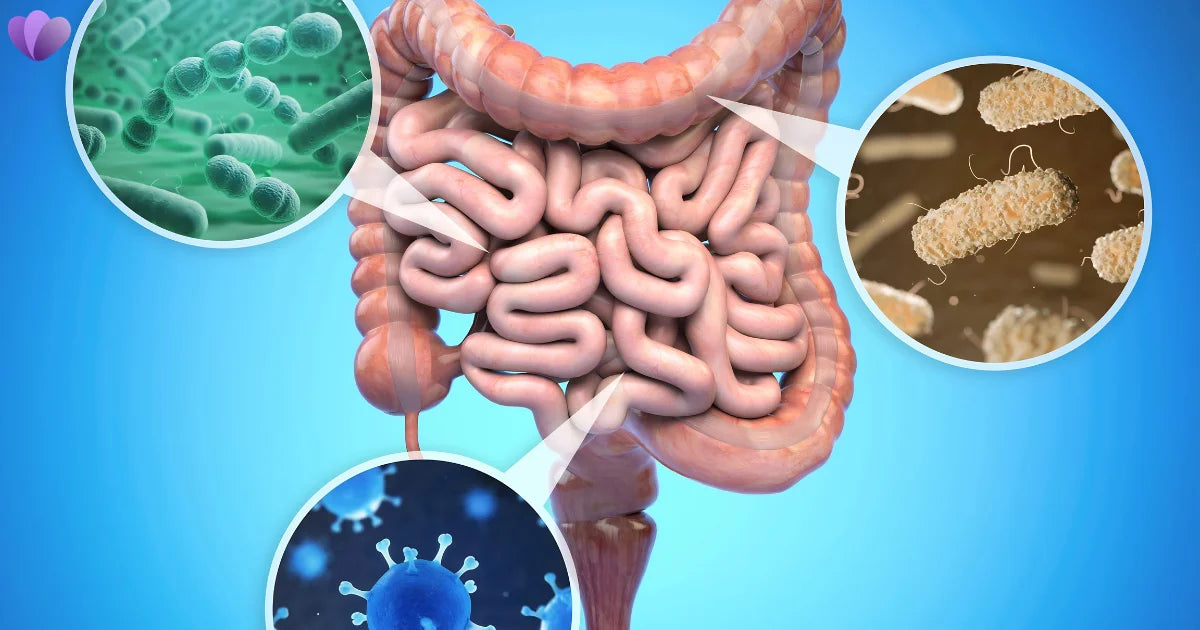
    The gut microbiome is a complex community of bacteria, fungi, and other microorganisms that naturally live in the digestive system. These microorganisms play an important role in maintaining a healthy digestive environment.

    A balanced gut microbiome is associated with:

    • Supporting normal digestive processes
    • Breaking down certain types of food, especially fiber
    • Maintaining a healthy intestinal environment
    • Supporting normal immune system functions
    • Helping maintain microbial diversity

    Gut health is not about eliminating all microorganisms from the digestive system. Instead, it is about maintaining balance between different microorganisms and supporting a stable digestive ecosystem.

    Many everyday factors can influence gut health, including:

    • Diet quality
    • Fiber intake
    • Sleep habits
    • Stress levels
    • Physical activity
    • Lifestyle choices

    This is why digestive wellness is usually supported through consistent daily habits rather than focusing on one single factor.

    Can Parasites Affect Gut Health?

    Parasites are organisms that live in or on a host and depend on that environment for survival. Some intestinal parasites interact directly with the digestive tract, which is why they are often discussed in relation to gut health.

    Since intestinal parasites reside in the digestive tract, they may interact with the systems involved in digestion and nutrient absorption. However, digestive health is complex, and many different factors can influence how someone feels.

    Digestive wellness can be affected by:

    • Food choices
    • Hydration levels
    • Stress
    • Sleep quality
    • Lifestyle habits
    • Existing digestive concerns

    It is important to understand that digestive symptoms do not automatically indicate parasites. Many conditions and lifestyle factors can contribute to digestive changes.

    A balanced approach focuses on understanding the complete picture rather than assuming one single cause.

    For individuals experiencing ongoing or concerning digestive issues, consulting a qualified healthcare professional is always recommended.

    The Connection Between Parasites and the Gut Microbiome

    The gut microbiome functions like a complex ecosystem in which different microorganisms interact with one another and with the digestive environment.

    A diverse microbiome helps maintain balance inside the gut. Beneficial microorganisms contribute to normal digestive processes and support the environment where healthy bacteria can thrive.

    The relationship between parasites and the gut microbiome is an area of ongoing scientific interest because the digestive tract contains a wide range of microorganisms that influence overall gut function.

    Supporting a healthy gut environment generally involves:

    • Eating a variety of whole foods
    • Including fiber-rich foods
    • Staying properly hydrated
    • Maintaining healthy sleep patterns
    • Managing everyday stress

    Research on the gut microbiome and digestive health continues to explore how microorganisms interact with digestion and overall health.

    How Parasites and Digestive Health Are Connected

    How Parasites and Digestive Health Are Connected

    The digestive system plays a major role in breaking down food, absorbing nutrients, and maintaining the body’s internal balance.

    Because intestinal parasites interact with the digestive tract, many people research the connection between parasites and digestive health.

    Some areas commonly discussed include:

    1. Digestive Environment

    The digestive tract contains a unique environment where food, microorganisms, and the body interact continuously.

    2. Nutrient Absorption

    The digestive system helps process nutrients from food, making digestive wellness an important part of overall health.

    3. Microbial Balance

    The balance of microorganisms inside the gut can influence the overall digestive environment.

    Understanding this relationship allows people to focus on supporting healthy habits instead of relying on quick solutions or unsupported claims.

    Common Signs Your Gut May Need Support

    Many people begin paying closer attention to digestive wellness when they notice changes in how their body responds.

    Common digestive concerns may include:

    • Occasional bloating
    • Digestive discomfort
    • Changes in digestion patterns
    • Sensitivity to certain foods
    • Changes after lifestyle or dietary adjustments

    However, these signs can have many possible causes and do not automatically mean parasites are present.

    Supporting gut health involves considering overall lifestyle habits, dietary choices, and personal health factors.

    How to Support Gut Health During a Parasite Cleanse Routine

    For people exploring a parasite cleanse routine, supporting overall digestive wellness is an important part of a balanced approach.

    Focus on Balanced Nutrition

    Nutrition provides the foundation for digestive health.

    Foods commonly associated with gut-supportive eating patterns include:

    • Vegetables
    • Fruits
    • Whole foods
    • Fiber-rich foods
    • Quality protein sources

    Fiber is especially important because it supports digestive regularity and helps maintain a healthy environment for beneficial gut microorganisms. Understanding the role of dietary fiber in digestive wellness can help support a balanced approach to gut health.

    Stay Hydrated

    Hydration plays an important role in digestive function.

    Drinking enough water supports:

    • Digestive comfort
    • Regularity
    • Overall wellness habits

    Maintain Healthy Lifestyle Habits

    Gut health is influenced by more than food alone.

    Important lifestyle factors include:

    • Quality sleep
    • Regular movement
    • Stress management
    • Consistent daily routines

    These habits create a stronger foundation for any wellness approach.

    The Role of Cleanse Supplements in Gut Health Support

    Some people include supplements as part of a structured wellness routine alongside healthy nutrition and lifestyle habits.

    A supplement routine such as Paragone Cleanse may be considered by individuals researching cleanse-support products and digestive wellness approaches.

    Supplements should complement healthy habits rather than replace balanced nutrition or lifestyle practices. It is also important to understand product ingredients, follow directions, and consider individual health circumstances.

    Anyone pregnant, nursing, taking medications, or managing health conditions should discuss supplement use with a healthcare professional.

    Maintaining Gut Health After a Cleanse Routine

    Maintaining Gut Health After a Cleanse Routine

    Gut health is an ongoing process rather than a one-time goal. Long-term digestive wellness depends on consistent habits and maintaining a balanced lifestyle.

    After completing a cleanse-related routine, many people focus on:

    • Maintaining balanced nutrition
    • Continuing healthy hydration habits
    • Supporting regular sleep
    • Paying attention to digestive comfort
    • Creating sustainable wellness habits

    A long-term approach is generally more valuable than focusing only on short-term changes.

    Understanding the different stages of a cleanse routine can help create realistic expectations. Learn more about the parasite cleanse timeline and what to consider during each stage.

    Final Thoughts

    The connection between parasite cleanse and gut health is about understanding the digestive system as a whole. The gut is a complex environment influenced by microorganisms, nutrition, lifestyle habits, and many other factors.

    Rather than focusing on quick fixes, a balanced approach involves learning how digestion works, maintaining healthy habits, and making informed decisions about wellness routines.

    By understanding the relationship between parasites, digestion, and the gut microbiome, individuals can take a more thoughtful approach toward supporting their digestive wellness.

    Frequently Asked Questions

    Can parasites affect gut health?

    Parasites that interact with the digestive tract may influence the digestive environment. However, gut health is affected by many factors, including nutrition, lifestyle habits, and overall wellness.

    What is the connection between parasites and digestion?

    Because some parasites interact with the digestive system, they are often discussed in relation to digestion and nutrient absorption. The relationship depends on many different factors within the digestive environment.

    Does the gut microbiome affect digestive wellness?

    Yes. The gut microbiome plays an important role in maintaining a balanced digestive environment and supporting normal digestive processes.

    How can I support gut health naturally?

    Supporting gut health may include eating a balanced diet, consuming fiber-rich foods, staying hydrated, managing stress, exercising regularly, and maintaining healthy sleep habits.

    Should everyone follow a parasite cleanse routine?

    Not everyone requires the same wellness approach. Individual goals and circumstances vary, so people should research carefully and consider professional guidance when appropriate.

    Can lifestyle changes improve gut health?

    Healthy lifestyle changes, including improved nutrition, hydration, sleep, and stress management, can support overall digestive wellness over time.

  • Parasite Cleanse Hydration: How Much Water Should You Drink?

    Parasite Cleanse Hydration: How Much Water Should You Drink?

    Whether you are starting, continuing, or finishing a parasite cleanse, understanding hydration can help you make better decisions about your daily routine. If you are wondering how much water you should drink during a parasite cleanse, the answer is not as simple as following one fixed number of glasses. Your water needs depend on factors such as body size, activity level, climate, diet, fiber intake, and how much fluid you may lose through sweating or digestive changes.

    Water plays an important supporting role in normal digestion and everyday body functions, but drinking more water does not make a cleanse work faster or “flush out” anything on its own. This guide explains parasite cleanse hydration, water intake during a cleanse, electrolyte considerations, and how to maintain normal hydration without overdoing fluids.

    People with kidney or heart conditions, fluid restrictions, or other medical concerns should follow personalized guidance from a healthcare professional rather than relying solely on general hydration advice.

    Why Hydration Matters During a Parasite Cleanse

    Water is involved in many normal digestive processes, including helping maintain regular bowel movements. Many cleanse routines increase fiber intake through foods or supplements, and adequate fluid intake becomes more important when dietary fiber increases.

    Hydration during a parasite cleanse may help support:

    • Normal digestion
    • Regular bowel habits
    • Comfortable movement through the digestive system
    • Replacement of fluids lost through sweating or occasional digestive upset

    None of this means water is doing something unusual or directly affecting parasites. Hydration simply supports the basic functions your body already depends on every day.

    Maintaining hydration balance is about meeting your body’s needs rather than forcing extra fluids beyond what is necessary.

    How Much Water Should You Drink During a Parasite Cleanse?

    There is no scientifically established water requirement for parasite cleanse-specific water. Instead, general hydration guidance and daily fluid needs vary from person to person.

    As a general reference, many healthy adults need around 2–3 liters of total water per day from both beverages and food combined. However, this amount can be higher or lower depending on factors such as body size, activity level, climate, diet, and fluid loss. 

    This is a general hydration guideline, not a parasite cleanse-specific requirement.

    Your water intake during a parasite cleanse may depend on:

    • Body size
    • Physical activity level
    • Weather and temperature
    • Overall diet
    • Fiber intake
    • Sweating
    • Digestive fluid loss, such as diarrhea or vomiting

    Rather than chasing a specific number of glasses per day, it is usually more practical to pay attention to your body’s signals, including thirst, urine color, and general energy levels.

    Remember that total water intake includes fluids from beverages as well as water-rich foods. Daily fluid needs can vary based on factors such as age, activity level, environment, and overall health, which is why hydration recommendations are usually personalized rather than based on one fixed amount.

    For many healthy adults, normal hydration habits are a better guide than forcing a specific cleanse-related water target. If you increase fiber intake, exercise more, or spend time in hot conditions, your fluid needs may increase.

    Does Drinking More Water Make a Parasite Cleanse More Effective?

    This is a common question, but drinking extra water does not make a parasite cleanse more effective.

    Water supports normal body functions, digestion, and hydration, but increasing water intake beyond your body’s needs does not speed up a cleanse or provide additional benefits.

    More is not always better. Excessive water intake can disrupt normal electrolyte balance and may pose health risks in certain situations.

    Hydration should be viewed as a support habit, not as a way to intensify a cleanse.

    What Drinks Can You Have During a Parasite Cleanse?

    What Drinks Can You Have During a Parasite Cleanse?

    1. Plain Water

    Plain water remains the simplest hydration choice for most people. It provides fluids without added ingredients and can support normal hydration throughout the day.

    2. Herbal Teas

    Herbal teas can contribute to overall fluid intake. However, if you are using blends containing multiple herbs, review the ingredients carefully because some combinations may not be suitable for everyone.

    3. Electrolyte Drinks

    Electrolyte drinks are not necessary for everyone. They may be useful in situations involving significant fluid loss, but routine use without a clear need is not required for most people.

    When choosing drinks during a parasite cleanse, focus on maintaining hydration rather than adding unnecessary products.

    Do You Need Electrolytes During a Parasite Cleanse?

    Electrolytes are minerals such as sodium, potassium, and magnesium that help maintain normal fluid balance and nerve and muscle function.

    Electrolytes may become more relevant when significant fluid loss occurs, including:

    • Heavy sweating
    • Vomiting
    • Diarrhea
    • Extended physical activity
    • Hot weather exposure

    For someone following a normal daily routine and a balanced diet, additional electrolyte supplementation is usually unnecessary.

    Some people choose to include mineral supplements in their hydration routine for additional mineral support. Liquid trace mineral products can be mixed into beverages as one option, but they should be viewed as a supplement choice rather than a requirement for everyone.

    Electrolyte needs depend on what your body is experiencing. Adding electrolyte powders or drinks simply because you are doing a cleanse may not provide additional benefit.

    Signs of Dehydration During a Cleanse

    Knowing the signs of dehydration during a cleanse can help you respond before symptoms worsen.

    Common signs may include:

    • Increased thirst
    • Dark urine
    • Reduced urination
    • Dry mouth
    • Dizziness
    • Fatigue
    • Headache

    These signs are not evidence that a cleanse is “working.” They generally indicate that your body may need better fluid balance.

    If symptoms continue despite improving hydration, consider other possible causes rather than assuming they are related to the cleanse.

    Can You Drink Too Much Water During a Parasite Cleanse?

    More water is not automatically better. Drinking very large amounts beyond your body’s needs can disrupt electrolyte balance rather than improve hydration.

    This is especially important for people with:

    • Kidney conditions
    • Heart conditions
    • Fluid restrictions
    • Certain medication requirements

    Avoid forcing large amounts of water simply because you believe it will improve cleanse results.

    Healthy hydration is about balance. Your goal should be to meet your body’s needs, not to consume the highest possible amount of fluid.

    How Hydration Works With Fiber During a Cleanse

    Many cleanse routines increase fiber intake through diet or supplements. Because fiber absorbs water, increasing fiber without enough fluid may contribute to constipation or digestive discomfort.

    A few practical tips:

    • Increase fiber gradually
    • Match fluid intake with your body’s needs
    • Avoid adding several fiber supplements at the same time
    • Monitor how your digestion responds

    Whole-food fiber sources may include:

    • Oats
    • Vegetables
    • Fruit
    • Beans and lentils
    • Whole grains

    You can learn more about foods commonly included during a cleanse and how dietary choices fit into a balanced routine.

    When Should You Get Medical Advice?

    When Should You Get Medical Advice?

    Most hydration adjustments during a cleanse are manageable, but certain symptoms should not be ignored.

    Seek professional medical advice if you experience:

    • Persistent diarrhea
    • Repeated vomiting
    • Severe abdominal pain
    • Blood in stool
    • Signs of dehydration that do not improve
    • Difficulty keeping fluids down
    • Severe weakness or dizziness

    Digestive symptoms can have many possible causes. If symptoms are severe, persistent, or worsening, proper evaluation is more appropriate than continuing to adjust supplements or hydration alone.

    For more information about common parasite cleanse reactions, learn about the changes and symptoms that may occur during a cleanse. 

    If you are following a Paragon Parasite Cleanse routine, continue using the product according to the current label directions and avoid changing multiple supplements at the same time.

    Final Takeaway

    Hydration is an important part of supporting normal digestion during a parasite cleanse, but there is no universal water amount that works for everyone.

    The best approach is to drink according to your body’s needs, taking into account your activity level, climate, diet, and digestive changes. Electrolytes may be useful in situations involving significant fluid loss, but they are not automatically required for every person.

    Avoid excessive water intake to make a cleanse more effective. Balanced hydration, a sensible diet, and attention to warning signs are more important than simply increasing fluid volume.

    FAQs

    How much water should you drink during a parasite cleanse?

    No fixed amount applies to everyone. Water needs depend on factors such as body size, activity level, climate, diet, and the amount of fluid your body loses.

    Can you drink electrolytes during a parasite cleanse?

    Electrolytes may be useful when significant fluid loss occurs through sweating, vomiting, or diarrhea. They are not automatically necessary for everyone.

    What is the best drink during a parasite cleanse?

    Plain water is usually the simplest option. Herbal teas and other drinks may also contribute to hydration depending on their ingredients and your individual needs.

    Can drinking more water make a cleanse work better?

    No. Water supports normal hydration and body functions, but drinking more than your body needs does not make a cleanse more effective.

    How do I know if I am dehydrated during a cleanse?

    Common signs include increased thirst, dark urine, reduced urination, dry mouth, dizziness, and fatigue.

  • What to Do After a Parasite Cleanse: A Safe 7-Day Gut Recovery Guide

    What to Do After a Parasite Cleanse: A Safe 7-Day Gut Recovery Guide

    Finishing a parasite cleanse is only one part of the process. What you do afterward may affect how comfortably you return to your normal diet and daily routine. In most cases, the best approach is simple: reintroduce balanced meals gradually, stay hydrated, support regular bowel movements, and avoid starting another cleanse immediately.

    A healthy post-parasite-cleanse routine should not involve extreme restriction or several new supplements at once. Your digestive system may need time to adjust, especially if your diet or supplement intake changed significantly during the routine. Persistent or worsening symptoms should not automatically be dismissed as part of the cleansing process.

    This guide explains what to do after a parasite cleanse, which foods to eat, how to gradually increase fiber, whether probiotics may be useful, and when digestive symptoms warrant professional attention. It is intended for general educational purposes and does not diagnose or treat parasitic infections.

    What Happens After You Finish a Parasite Cleanse?

    Experiences after finishing a cleanse can vary. Some people return to their usual eating patterns without noticeable changes, while others may experience temporary changes in appetite, stool frequency, bloating, or overall digestive comfort.

    These changes may depend on several factors, including:

    • The ingredients used during the cleanse
    • The length of the routine
    • Changes in food and fiber intake
    • Individual supplement tolerance
    • Existing digestive sensitivity
    • Hydration levels

    There is no single reaction that everyone should expect. Mild, temporary digestive changes may occur, but not every sensation should be described as “toxins leaving the body” or evidence that a cleanse worked.

    Digestive symptoms can have many possible causes. If discomfort continues after the routine ends, worsens, or interferes with eating and drinking, it should be evaluated rather than automatically attributed to the cleanse.

    What to Eat After a Parasite Cleanse

    Start With Simple, Balanced Meals

    You generally do not need to continue a highly restrictive diet after finishing a cleanse. Instead, focus on familiar, balanced foods that provide protein, carbohydrates, fiber, and healthy fats.

    Suitable options may include:

    • Cooked vegetables
    • Oats and other whole grains
    • Eggs
    • Fish or poultry
    • Beans or lentils, if well tolerated
    • Fresh fruit
    • Yogurt or fermented foods
    • Olive oil, avocado, nuts, and seeds
    • Soups and simple home-cooked meals

    The goal is not to follow another short-term detox diet. It is to return gradually to a varied eating pattern that can be maintained over time.

    Reintroduce Foods Gradually

    If you avoided certain foods during the routine, reintroduce them one at a time where practical. This makes it easier to notice which foods are tasty and which appear to increase bloating or digestive discomfort.

    Avoid making several major dietary changes during the same few days. For example, suddenly increasing raw vegetables, beans, fermented foods, fiber supplements, and probiotics together may make it difficult to identify the cause of a reaction.

    The foods commonly included during a cleanse may be more limited than a normal long-term diet. Once the active routine has ended, continuing the same restrictions is not always necessary.

    A gradual return to varied, balanced meals may be a more practical way to support gut health after a parasite cleanse than remaining on a narrow or overly restrictive diet.

    How to Increase Fiber Without Causing More Bloating

    Dietary fiber can support regular bowel movements, but increasing your intake too quickly may cause gas, cramping, or bloating. This is particularly important after a cleanse if your fiber intake was previously low or inconsistent.

    Follow these practical steps:

    • Increase fiber over several days rather than all at once
    • Drink adequate fluids as fiber intake increases
    • Introduce one high-fiber food or supplement at a time
    • Avoid combining several fiber supplements
    • Prioritize whole-food sources where possible
    • Reduce the amount temporarily if discomfort becomes significant

    Useful whole-food fiber sources include:

    • Oats
    • Apples and berries
    • Cooked vegetables
    • Beans and lentils
    • Whole-grain bread or rice
    • Chia or flax seeds in moderate amounts

    Digestive health guidance generally recommends gradually increasing dietary fiber intake so the digestive system has time to adjust.

    More fiber is not always better. Severe constipation, repeated vomiting, significant abdominal pain, or an inability to pass stool or gas requires professional assessment rather than additional fiber.

    Should You Take Probiotics After a Parasite Cleanse?

    Should You Take Probiotics After a Parasite Cleanse?

    Probiotic Foods vs. Supplements

    Probiotic foods and probiotic supplements are not identical. Yogurt and some fermented foods may contain live microorganisms, while supplements are usually formulated with selected bacterial strains.

    The effects of probiotics can vary by strain, dose, formulation, and intended use. Evidence for one strain should not automatically be applied to every probiotic product.

    Research on probiotic usefulness and safety also shows that benefits can vary depending on the specific strain and the health condition being studied. 

    Possible food sources include:

    • Yogurt containing live cultures
    • Kefir
    • Fermented vegetables
    • Other properly prepared fermented foods

    Probiotics are optional and not required in every post-parasite-cleanse routine. Some people may tolerate them well, while others may notice more gas or bloating when they are introduced too quickly.

    People with weakened immune systems, serious medical conditions, or ongoing treatment should consult an appropriate healthcare professional before using probiotic supplements.

    Should You Continue Taking a Binder After the Cleanse?

    A binder should not automatically be continued indefinitely. Follow the duration and directions listed on the current product label.

    Activated charcoal and similar products may affect the absorption of:

    • Prescription medicines
    • Over-the-counter medicines
    • Vitamins
    • Minerals
    • Other supplements

    For this reason, people who take medication should ask a pharmacist or clinician about appropriate timing rather than relying on a single universal spacing rule.

    A binder is not necessary for every post-cleanse routine. Continuing one without a clear purpose may complicate your supplement schedule and could affect how other products are absorbed.

    Do not extend its use simply because mild digestive symptoms continue. Ongoing discomfort should be evaluated based on its underlying cause rather than automatically adding or continuing supplements.

    How Long Does Parasite Cleanse Recovery Take?

    There is no universal parasite cleanse recovery time. Some people may return to their normal eating routine immediately, while others may prefer a slower transition over several days.

    Recovery may depend on:

    • Your normal diet
    • How restrictive the cleanse diet was
    • The supplements used
    • Your digestive sensitivity
    • Your hydration level
    • Whether constipation or diarrhea occurred

    Understanding how long a parasite cleanse routine may take can help set realistic expectations for the days that follow.

    However, you should not expect the digestive system to “reset” according to a fixed schedule. Claims that everyone should feel completely different after a specific number of days are not reliable.

    Ongoing discomfort is also not a reason to keep extending the cleanse. If symptoms do not improve after returning to a normal routine, a qualified healthcare professional can help identify other possible causes.

    Common Mistakes to Avoid After a Parasite Cleanse

    Avoiding a few common mistakes may make the post-cleanse transition more manageable.

    1. Starting Another Cleanse Immediately

    Repeating a routine without allowing time to return to normal eating may increase unnecessary exposure to supplements and make digestive symptoms more difficult to interpret.

    2. Adding Several Supplements at Once

    Introducing probiotics, fiber powders, binders, herbal products, and vitamins together makes it difficult to determine which product is helping or causing discomfort.

    3. Increasing Fiber Too Quickly

    A sudden increase in whole grains, beans, seeds, or fiber supplements may worsen bloating and cramping.

    4. Relying Only on Juices or Restrictive Foods

    Juices and broths can be part of a diet, but they should not replace balanced meals containing adequate protein, carbohydrates, and fats.

    5. Continuing a Binder Longer Than Directed

    Long-term or unnecessary use may interfere with medications and nutrients.

    6. Assuming Every Symptom Is a Cleanse Reaction

    Pain, diarrhea, nausea, fatigue, or bloating may have causes unrelated to the cleanse.

    7. Ignoring Persistent Symptoms

    Symptoms that continue, worsen, or affect hydration and eating deserve appropriate medical attention.

    8. Expecting One Routine to Fix Every Digestive Problem

    Digestive health is influenced by diet, stress, medication, sleep, medical conditions, and many other factors. One cleanse cannot address every possible cause of discomfort.

    A Simple 7-Day Post-Cleanse Transition

    The following is a flexible example rather than a medical treatment protocol. Individual dietary needs and supplement tolerance may differ.

    Days 1–2

    Focus on simple, balanced meals that you already tolerate well. Maintain adequate fluid intake and avoid introducing several new supplements.

    Suitable choices may include cooked vegetables, whole grains, soup, eggs, fish, poultry, or other familiar foods.

    Days 3–4

    Gradually increase whole-food fiber. Add one or two higher-fiber foods while monitoring bloating, bowel movements, and general comfort.

    Try to return to a regular meal schedule rather than skipping meals or relying mainly on juices.

    Days 5–7

    Continue building a varied diet that includes protein, vegetables, fruit, whole grains, and healthy fats.

    Review whether optional supplements are still necessary. Focus on habits that can be maintained long-term rather than planning another short-term cleanse.

    When Should You Seek Medical Advice?

    When Should You Seek Medical Advice?

    Certain symptoms should not be dismissed as a normal cleanse reaction.

    Seek appropriate medical advice if you experience:

    • Blood in the stool
    • Severe or worsening abdominal pain
    • Persistent diarrhea
    • Repeated vomiting
    • Fever
    • Signs of dehydration
    • Unexplained weight loss
    • Difficulty eating or drinking
    • Fainting or significant weakness
    • Symptoms following international travel
    • Symptoms that continue after supplements are stopped

    Digestive symptoms may have many causes, including food intolerance, infection, medication effects, and existing gastrointestinal conditions. Severe, persistent, or worsening symptoms deserve proper evaluation rather than repeated supplementation.

    Final Takeaway

    The best post-parasite-cleanse routine is usually simple. Return to balanced meals gradually, stay hydrated, increase fiber according to your tolerance, and avoid adding several supplements at once.

    Probiotics may be useful for some people, but they are optional, and their effects depend on the strain and product. Binders should be used according to label directions rather than continued automatically.

    Avoid beginning another cleanse immediately or treating every digestive symptom as evidence of a cleanse reaction. If symptoms persist or worsen, seek appropriate professional guidance.

    The same approach applies after completing a Paragon Cleanse routine: gradually return to normal habits and follow the product label, rather than extending the routine unnecessarily.

    FAQs

    What should I do immediately after a parasite cleanse?

    Return gradually to balanced meals, drink adequate fluids, and avoid starting another cleanse or introducing several new supplements at once. Monitor how your digestion responds over the next few days.

    What foods should I eat after a parasite cleanse?

    Choose simple whole foods such as cooked vegetables, fruit, whole grains, tolerated protein sources, soups, and healthy fats. Reintroduce higher-fiber or richer foods gradually.

    Should I take probiotics after completing a cleanse?

    Probiotics are optional. Their effects vary by strain and formulation, so not every product produces the same result. Introduce them gradually and seek guidance if you have a serious health condition.

    How long should I wait before doing another cleanse?

    There is no standard waiting period that applies to everyone. Avoid repeating a routine automatically. Persistent symptoms should be evaluated instead of being used as a reason to begin another cleanse.

    Is bloating normal after finishing a cleanse?

    Mild and temporary bloating may occur, especially when fiber or fermented foods are increased too quickly. Severe, painful, or persistent bloating should be professionally assessed.

  • Activated Charcoal vs Bentonite Clay: Key Differences Explained

    Activated Charcoal vs Bentonite Clay: Key Differences Explained

    If you have researched cleanse-style supplements or binder ingredients, you have probably come across two commonly discussed ingredients: activated charcoal and bentonite clay.

    Because both ingredients are often mentioned in similar wellness conversations, many people assume they are interchangeable. However, they are different materials with different origins, structures, and characteristics.

    Understanding the activated charcoal and bentonite clay difference can help you compare supplement formulas more effectively and explain why different products may use different binding ingredients.

    Activated charcoal is a carbon-based material known for its porous structure, while bentonite clay is a naturally occurring mineral clay. Neither ingredient is automatically better than the other. The right choice depends on the formula design, ingredient quality, product instructions, and individual preferences.

    This guide explains the difference between activated charcoal vs bentonite clay, how each ingredient is commonly used, and what to consider before choosing a binder supplement.

    Activated Charcoal vs Bentonite Clay: Quick Comparison

    Before exploring each ingredient in detail, here is a simple comparison:

    Feature

    Activated Charcoal

    Bentonite Clay

    Source

    Carbon-based materials such as coconut shells or wood

    Natural clay formed from volcanic ash

    Material type

    Processed carbon

    Mineral-based clay

    Processing

    Heat activation increases surface area

    Mined and refined

    Common forms

    Capsules and powder

    Mainly powder-based formulas

    Main characteristic

    Porous carbon structure

    Mineral clay composition

    Common consideration

    Timing and usage instructions

    Sourcing and product quality

    The main difference between activated charcoal and bentonite clay is their structure and origin. A binder supplement comparison should focus on understanding these differences rather than deciding that one ingredient is universally better.

    What Is Activated Charcoal?

    Activated charcoal is a carbon-based material created through a process called activation. During this process, carbon sources such as coconut shells, wood, or other materials are treated under controlled conditions to increase their surface area.

    This creates a highly porous structure that makes activated charcoal different from regular charcoal.

    Because of its unique structure, activated charcoal is used in various applications, including filtration systems and certain supplement formulations.

    In cleanse-related products, activated charcoal is often included as a binding agent. Product instructions may include specific timing recommendations because different ingredients can have different usage considerations.

    When evaluating activated charcoal supplements, it is important to review:

    • Ingredient information
    • Serving instructions
    • Product directions
    • Personal supplement routines

    For additional educational information about supplement ingredients, consumers can consult health professionals.

    What Is Bentonite Clay?

    Bentonite clay is a naturally occurring clay formed from volcanic ash over long periods of time.

    Unlike activated charcoal, bentonite clay is not created through heat activation. Instead, it is mined, processed, and prepared for use in different products.

    The characteristics of bentonite clay come from its mineral composition rather than the porous carbon structure found in activated charcoal.

    People researching a bentonite clay supplement often consider:

    • Where the clay is sourced
    • How it is processed
    • Product transparency
    • Quality information

    As with any ingredient, overall supplement quality depends on the specific product and its formulation.

    Main Differences Between Activated Charcoal and Bentonite Clay

    Main Differences Between Activated Charcoal and Bentonite Clay

    Activated charcoal and bentonite clay differ in several important ways.

    Source and Composition

    Activated charcoal:

    • Comes from carbon-based materials
    • Goes through an activation process
    • Has a porous carbon structure

    Bentonite clay:

    • Comes from natural mineral deposits
    • Is mined and refined
    • Has a clay-based structure

    Processing Methods

    The production process is one of the biggest differences.

    Activated charcoal is processed to increase its surface area, while bentonite clay maintains its natural mineral characteristics after refinement.

    Common Product Forms

    Activated charcoal is commonly found in:

    • Capsules
    • Powder supplements

    Bentonite clay is commonly found in:

    • Powder formulas
    • Clay-based products

    What Are Binder Ingredients in Supplement Routines?

    The term “binder” is commonly used in cleanse-related supplements to describe ingredients included in a broader formula.

    A cleanse binder may contain different ingredients depending on the product design.

    Examples may include:

    • Activated charcoal
    • Bentonite clay
    • Other supporting ingredients

    The role of a binder depends on the complete formula, ingredient amounts, and product instructions.

    This is why reading the full label is more useful than judging a supplement by a single ingredient.

    Activated Charcoal Binder: What To Consider Before Use

    Before using an activated charcoal binder, consider the following factors.

    1. Follow Product Instructions

    Different products have different directions. Always follow the recommended serving size and timing information provided on the label.

    2. Consider Timing

    Many activated charcoal formulas include timing instructions related to meals, supplements, or medications.

    Understanding these instructions helps users follow the product as intended.

    3. Review Your Current Routine

    If you take medications or use other supplements, consider discussing your routine with a healthcare professional when needed.

    For more details, see our activated charcoal binder timing guide.

    Bentonite Clay Supplement: What To Know Before Choosing One

    When comparing bentonite clay supplements, consider these factors:

    Ingredient Transparency

    Look for clear information about:

    • Ingredients
    • Product composition
    • Usage instructions

    Quality Information

    Review whether the product provides information about:

    • Processing methods
    • Manufacturing practices
    • Testing information

    Product Purpose

    Different formulas may use bentonite clay differently, so reviewing the complete product details is important.

    Can Activated Charcoal and Bentonite Clay Be Used Together?

    Many people ask whether activated charcoal and bentonite clay can be used together.

    The answer depends on the specific products involved.

    Some formulas are designed with multiple ingredients, while others contain only one binder.

    Before combining separate products, consider:

    • Reviewing each ingredient list
    • Following product instructions
    • Understanding how each formula is designed

    Supplement safety information can help consumers make more informed decisions.

    How To Choose the Right Binder Supplement

    How To Choose the Right Binder Supplement

    When comparing binder supplements, focus on the complete formula instead of a single ingredient.

    Review the Ingredients

    Ask:

    • Are ingredients clearly listed?
    • Are amounts provided?
    • Is the formula transparent?

    Check Quality Information

    Consider:

    • Manufacturing details
    • Ingredient sourcing
    • Testing information

    Understand Your Personal Routine

    Think about:

    • How the product fits your schedule
    • Whether instructions are clear
    • Whether you have specific considerations

    A good binder supplement comparison should look at the complete formula rather than only comparing individual ingredients.

    Consumers reviewing cleanse formulas can also explore ingredient information and formula details to better understand how different ingredients are combined in a complete formula. 

    Activated Charcoal vs Bentonite Clay: Which One Should You Choose?

    There is no single answer because activated charcoal and bentonite clay are different ingredients with different characteristics.

    A better approach is to:

    • Understand ingredient differences
    • Review product information
    • Follow usage instructions
    • Choose formulas that match your personal needs

    The most informed decisions come from understanding what is inside a product and why each ingredient is included.

    Final Thoughts

    Activated charcoal and bentonite clay are two distinct ingredients often compared because they appear in similar supplement categories.

    Understanding the difference between activated charcoal and bentonite clay helps consumers make better decisions when reviewing binder supplements.

    Instead of focusing only on which ingredient sounds better, consider:

    • Ingredient quality
    • Formula design
    • Product transparency
    • Usage instructions

    Reading labels and understanding ingredients are important steps when choosing any supplement routine.

    Frequently Asked Questions

    What is the difference between activated charcoal and bentonite clay?

    Activated charcoal is a processed carbon-based material with a porous structure, while bentonite clay is a natural mineral clay. They have different origins and characteristics.

    Is activated charcoal the same as bentonite clay?

    No. Activated charcoal and bentonite clay are different materials. One is carbon-based, while the other is mineral-based clay.

    What is a binder supplement?

    A binder supplement contains ingredients included as part of a broader formula. The purpose depends on the ingredients and product design.

    Are activated charcoal and bentonite clay used for the same purpose?

    Not always. Although they are often discussed together, they are different ingredients and may be included in formulas for different reasons.

    Can activated charcoal and bentonite clay be taken together?

    It depends on the specific products. Consumers should review labels carefully and consider professional guidance when combining supplements.

    What should I look for when choosing a binder supplement?

    Look for ingredient transparency, quality information, clear usage instructions, and a formula that fits your personal routine.

    Disclaimer: This article is for general informational purposes only and is not intended as medical advice. Consult a healthcare professional before starting any new supplement routine, especially if you have specific health concerns or use medications.

  • Herbal Supplements Guide: How to Choose Quality Formulas Before Buying

    Herbal Supplements Guide: How to Choose Quality Formulas Before Buying

    Walking through a wellness store or browsing online, you will find hundreds of herbal supplements claiming to support energy, digestion, immunity, and overall wellness. With so many options available, choosing the right formula can quickly become confusing.

    The challenge is that two products may appear similar on the surface but differ significantly in ingredient quality, sourcing practices, manufacturing standards, and transparency.

    A quality herbal supplement is not determined only by attractive packaging or marketing promises. Factors such as a complete ingredient list, clear serving information, responsible sourcing, quality testing, and realistic claims all play an important role.

    This herbal supplement guide explains what to look for when choosing a quality formula so you can make a more informed decision based on product information rather than advertising alone.

    What Makes a High-Quality Herbal Supplement?

    Quality herbal supplements are built around transparency, consistency, and responsible manufacturing. While the front label may highlight popular ingredients, the real quality of a formula depends on what is inside and how it is produced.

    When evaluating a herbal supplement, consider several important factors:

    • Ingredient transparency
    • Manufacturing standards
    • Ingredient sourcing
    • Testing procedures
    • Clear usage instructions
    • Realistic product claims

    Look for Transparent Ingredient Labels

    One of the most important signs of a quality herbal supplement is a clear and detailed ingredient label.

    A trustworthy formula should clearly show:

    • Full ingredient names
    • Amount per serving
    • Serving size
    • Other ingredients
    • Botanical forms or extracts used

    Avoid products that list only a general blend without specifying individual ingredient amounts. These are often called proprietary blends, and they can make it difficult to understand how much of each ingredient you are actually consuming.

    For example, two supplements may both contain a botanical ingredient such as ginger extract, but the concentration, extraction method, and amount per serving can differ significantly.

    Understanding supplement labels allows consumers to compare formulas more accurately.

    Choose Supplements With Clearly Defined Herbal Ingredients

    A quality herbal formula should explain exactly which botanical ingredients are included and why they are part of the formulation.

    Common ingredients found in herbal wellness formulas include:

    • Wormwood
    • Black walnut
    • Clove
    • Psyllium husk
    • Other plant-based extracts

    Each ingredient should be clearly identified rather than hidden behind vague terminology.

    Consumers should look for information about:

    • Ingredient source
    • Extract type
    • Amount included
    • Recommended usage

    For example, when reviewing a cleanse-focused formula, understanding the individual ingredients is often more valuable than simply looking at the product name.

    You can also review a detailed breakdown of ingredients used in cleanse formulas through our Paragon Cleanse ingredients guide.

    Check Manufacturing Standards and Quality Control

    Ingredients are only one part of supplement quality. The manufacturing process also plays an important role.

    Look for companies that follow recognized manufacturing standards, including Good Manufacturing Practices (GMP).

    Quality manufacturing typically involves:

    • Proper ingredient handling
    • Batch consistency checks
    • Quality control procedures
    • Product testing
    • Safe storage practices

    A reliable manufacturer should have processes in place to help ensure that each batch meets established quality expectations.

    Why Third-Party Testing Matters for Herbal Supplements

    Third-party testing is another important factor when evaluating herbal supplements.

    Independent testing can help verify:

    • Ingredient identity
    • Product purity
    • Quality standards
    • Potential contaminants

    While not every supplement requires the same type of testing, brands that prioritize transparency often provide additional information about their quality control practices.

    When comparing supplements, look beyond marketing statements and check whether the company provides meaningful information about testing and manufacturing.

    How to Read a Herbal Supplement Label

    How to Read a Herbal Supplement Label

    Learning how to read supplement labels is one of the easiest ways to make better purchasing decisions.

    1. Check the Serving Size

    The serving size indicates how much of the product is recommended at one time.

    Always compare:

    • Amount per serving
    • Number of servings per container
    • Recommended daily use

    A larger bottle does not always mean a better value if the serving size is unclear.

    2. Review Active Ingredients

    Understanding how to read supplement labels can help consumers better understand ingredients and serving sizes before choosing a formula.

    Look for:

    • Clearly listed ingredients
    • Specific amounts
    • Easy-to-understand information

    A quality label should help you understand exactly what you are taking.

    3. Understand Other Ingredients

    The “other ingredients” section may include:

    • Capsule materials
    • Binders
    • Fillers
    • Preservatives

    These ingredients are not automatically harmful, but transparency helps consumers make choices that fit their personal preferences.

    Common Mistakes When Choosing Herbal Supplements

    Many people make supplement decisions based on factors that do not always indicate quality.

    1. Choosing Only Based on Price

    The cheapest product is not always the best option. Extremely low prices may sometimes reflect differences in sourcing, testing, or ingredient quality.

    2. Ignoring Ingredient Transparency

    If a product does not clearly explain what is inside the formula, it becomes difficult to compare with other options.

    3. Believing Unrealistic Claims

    Be cautious of supplements that promise guaranteed results or claim to treat specific medical conditions.

    Quality supplements should focus on supporting wellness rather than replacing medical care.

    4. Not Following Usage Instructions

    Using more than the recommended amount does not necessarily improve results.

    Always follow the directions provided on the product label.

    Why Ingredient Sourcing Matters

    The quality of herbal supplements depends greatly on where ingredients come from and how they are processed.

    Important sourcing factors include:

    • Plant origin
    • Harvesting methods
    • Processing techniques
    • Batch consistency

    Responsible sourcing helps manufacturers maintain more consistent formulas and gives consumers greater confidence in the product they choose.

    Herbal Supplements vs Synthetic Supplements: Understanding the Difference

    Herbal supplements are made from plant-based ingredients such as roots, leaves, seeds, and botanical extracts.

    Synthetic supplements are produced through manufacturing processes designed to create specific compounds.

    Neither category is automatically better for everyone.

    Some consumers prefer herbal supplements because they align with a plant-based wellness approach, while others choose synthetic options because of specific formulation preferences.

    The most important factors are:

    • Ingredient quality
    • Transparency
    • Safety
    • Personal health goals

    Are Herbal Supplements Safe?

    Herbal supplement safety depends on several factors, including the ingredients used, product quality, individual health conditions, and proper usage.

    Before starting any new supplement:

    • Follow the product instructions
    • Review ingredient information
    • Consider possible interactions with medications
    • Speak with a healthcare professional when needed

    Extra caution may be important for:

    • Pregnant or nursing individuals
    • People managing health conditions
    • People taking prescription medications

    Natural ingredients can still affect the body, which is why responsible use matters.

    Can Herbal Supplements Interact With Medications?

    Some herbal ingredients may interact with certain medications or affect how the body processes them.

    Before combining supplements with prescription medications, consider:

    • Checking ingredient lists carefully
    • Discussing supplements with a healthcare professional
    • Avoiding unnecessary combinations

    Understanding potential interactions is an important part of responsible supplement use.

    How to Build a Better Herbal Supplement Routine

    How to Build a Better Herbal Supplement Routine

    Choosing a quality formula is only the first step. Building consistent habits can improve your overall supplement experience.

    Helpful practices include:

    1. Stay Consistent

    Follow the recommended routine rather than using supplements randomly.

    2. Read Labels Regularly

    Formula updates may occur, so review the product information when purchasing again.

    3. Track Your Experience

    Pay attention to how your body responds and make informed decisions.

    4. Follow Recommended Usage

    More is not always better. Use products according to their instructions.

    Example: Evaluating a Herbal Supplement Formula

    When reviewing any herbal supplement, consumers should use the same checklist:

    • Are ingredients clearly listed?
    • Are serving amounts provided?
    • Is manufacturing information available?
    • Are claims realistic?
    • Does the company provide product details?

    For example, products such as Paragon Cleanse can be evaluated using these same factors: ingredient transparency, formulation details, usage information, and available product education.

    The goal is not simply to choose a product name; it is to understand what makes a formula suitable for your personal wellness routine.

    Final Thoughts

    Choosing a herbal supplement does not have to be based on guesswork. By understanding ingredient labels, manufacturing standards, sourcing practices, and safety considerations, you can make more informed decisions.

    A quality formula is not defined only by the ingredients listed on the front label. It is defined by transparency, responsible production, and honest information that helps consumers understand what they are choosing.

    Frequently Asked Questions

    What should I look for when buying herbal supplements?

    Look for transparent ingredient labels, clear serving sizes, quality manufacturing practices, and realistic product claims.

    How can I tell if a herbal supplement is high quality?

    High-quality herbal supplements usually provide detailed ingredient information, follow manufacturing standards, and maintain transparency about sourcing and testing.

    Are natural herbal supplements better?

    Natural does not automatically mean better. The quality of ingredients, formulation, and manufacturing standards are more important than whether a product is natural or synthetic.

    Why is ingredient transparency important?

    Ingredient transparency helps consumers understand exactly what they are taking and compare different supplement formulas more effectively.

    Are herbal supplements tested for quality?

    Some supplements undergo third-party testing to verify ingredient identity, purity, and quality standards. Consumers should look for brands that provide clear information about their testing practices.

    This article is for informational purposes only and is not intended as medical advice.

  • Parasite Cleanse vs Detox: Understanding the Key Differences

    Parasite Cleanse vs Detox: Understanding the Key Differences

    If you’ve spent any time researching gut health or wellness routines online, you’ve probably noticed that “parasite cleanse” and “detox” are thrown around as if they mean the same thing. Scroll through a few product pages or social posts, and the two terms start to blur together: same shelf, same vague promises, same “reset your body” language.

    But they’re not describing the same thing. A parasite cleanse and a detox routine are built around different ideas, different ingredients, and different goals. Mixing them up isn’t a huge deal if you’re just browsing, but it matters if you’re actually trying to build a routine that fits what you want to accomplish. This article breaks down what each term actually means, where they overlap, and how to think about choosing between them. Some structured wellness routines, such as Paragon Cleanse, are built around specific cleanse approaches that combine particular ingredients with clear routine guidance, which is a good example of how these programs are typically structured in practice.

    What Is a Parasite Cleanse?

    A parasite cleanse usually refers to a supplement-based routine built around a specific combination of ingredients, typically herbs, fiber sources, and binders, taken over a set period of time. The idea behind these routines is to support the digestive system during a structured window, rather than to claim to eliminate a specific organism.

    Common ingredients people encounter in these routines include:

    • Herbal blends — things like black walnut, wormwood, or clove, which show up frequently in traditional wellness practices
    • Fiber sources — psyllium husk or similar bulking agents
    • Binders — activated charcoal or bentonite clay, often included to support the routine’s overall structure

    People generally use these products as part of a broader wellness routine rather than as a stand-alone fix. The goal, as most reputable brands frame it, is to support digestive wellness, not to diagnose, treat, or cure anything. If you see a product claiming to eliminate or kill parasites, that’s a claim worth skepticism, since legitimate wellness supplements are not designed or marketed to treat medical conditions.

    What Is a Detox Routine?

    “Detox” is a much broader term, and it’s used loosely across the wellness industry to describe almost any routine meant to help the body “reset.” In practice, most detox routines focus on things like:

    • Increasing water intake
    • Eating more whole, minimally processed foods
    • Cutting back on sugar, alcohol, or heavily processed ingredients
    • Getting consistent sleep and movement

    The body already has its own systems for managing waste, including the liver and kidneys. Learning more about the body’s natural waste-removal systems can provide better context when comparing detox routines.

    Parasite Cleanse vs Detox: Main Differences

    Laid out side by side, the differences are easier to see:

    Aspect

    Parasite Cleanse

    Detox Routine

    Main focus

    Specific, structured cleanse routine

    General wellness support

    Common ingredients

    Herbs, fiber, binders

    Whole foods, hydration, lifestyle habits

    Approach

    Supplement-based, time-bound

    Lifestyle-focused, ongoing

    Goal

    Digestive wellness support

    Overall healthy habits

    Duration

    Depends on the specific routine

    Varies, often open-ended

    Is a Parasite Cleanse the Same as a Detox?

    Is a Parasite Cleanse the Same as a Detox?

    No. While the two are often discussed in the same breath, they’re aimed at different things. A parasite cleanse is a specific, ingredient-driven routine with a defined structure. A detox is more of an umbrella term for lifestyle changes that support the body’s existing processes.

    Part of the confusion comes down to marketing. Because both terms get used to sell wellness products, and because both involve some overlap fiber, hydration, “cleaning up” your diet it’s easy to see why people assume they’re interchangeable. But if you’re comparing products or deciding what you actually want out of a routine, it helps to know that one is a targeted approach and the other is a broader lifestyle framework.

    Can You Combine a Parasite Cleanse and Detox Routine?

    Some people do combine elements of both, for example, by following a structured cleanse routine while also making broader lifestyle changes, such as drinking more water or eating fewer processed foods. There’s nothing inherently wrong with that, but a few things are worth keeping in mind:

    • Everyone’s starting point and goals are different, so what works for one person may not make sense for another
    • Always follow the specific instructions that come with any product you’re using
    • Avoid stacking multiple supplement routines at once; more isn’t automatically better, and combining several products without a clear plan can make it harder to tell what’s actually helping.

    If timing is something you’re unsure about, it’s worth reading up on common cleanse timing mistakes before you start combining routines.

    Choosing the Right Approach for Your Wellness Goals

    Before picking a direction, it helps to ask yourself a few honest questions:

    • What’s my actual goal? Digestive support, general wellness, or something else?
    • What ingredients are in this product? Do you recognize them, and do you know what they’re meant to do?
    • Is the brand transparent? Do they explain how the routine works, or just make big promises?
    • Does this fit my lifestyle? A routine you can’t realistically stick to isn’t going to help much, no matter how well designed it is.

    There’s no universal right answer here; it depends on what you’re trying to get out of it and how much structure you want in your routine.

    Common Mistakes People Make During Cleanse Routines

    A few patterns show up again and again with people who try cleanse or detox routines:

    • Taking too many products at once. Stacking multiple supplements without understanding how they interact isn’t a shortcut to better results.
    • Ignoring hydration. Fiber and herbal ingredients generally work better alongside adequate water intake.
    • Skipping the instructions. Dosage and timing guidance exists for a reason; skipping it can affect how well a routine works for you.
    • Expecting immediate results. Wellness routines are generally gradual by nature, not instant fixes.

    Fiber plays a role in many cleanse and detox conversations. Understanding dietary fiber and its role in digestive health can help provide better context when evaluating different wellness routines. 

    Frequently Asked Questions

    Is a parasite cleanse the same as a detox?

    No. A parasite cleanse is a specific, ingredient-based routine, while a detox is a broader term for lifestyle habits that support the body’s natural processes.

    What is the difference between a cleanse and detox?

    A cleanse typically refers to a structured, time-bound routine built around specific ingredients. A detox is a wider concept that usually involves hydration, diet, and lifestyle changes.

    Can a detox remove parasites?

    Detox routines aren’t designed or marketed to remove parasites. They focus on supporting the body’s own waste-processing systems through healthy diet and lifestyle habits.

    Should you do a parasite cleanse or detox first?

    It depends on your goals. If you’re focused on digestive wellness, a parasite cleanse routine may be a more targeted approach. If you’re aiming for broader lifestyle changes, a detox-style routine may make more sense. Some people choose to combine elements of both.

    Are parasite cleanse products safe?

    Safety can vary depending on the product, ingredients, and individual circumstances. Always read product instructions carefully and consult a healthcare professional if you have existing health conditions or take medication.

    This article is for general wellness information only and isn’t intended as medical advice. Speak with a healthcare provider before starting any new supplement or cleanse routine, especially if you have an existing health condition or take medication.