
Contact USA/Canada Toll Free +1 (800) 917-4461 🔥 To Get Free Shipping Order Over $70 🔥

Blog

  • Constipation During a Parasite Cleanse: Why It Happens, What Helps & When to Stop

    Constipation During a Parasite Cleanse: Why It Happens, What Helps & When to Stop

    If your bowel habits have changed since starting a cleanse routine, there may be a straightforward explanation. Some people notice they go less often, strain more, pass harder stools, or feel bloated after changing their diet or supplement routine.

    Constipation during a parasite cleanse does not prove that parasites are dying, nor does it show that a cleanse is “working.” Constipation is a common digestive symptom influenced by fluid intake, fiber, diet, physical activity, medications, and supplements.

    People using products such as Paragon Cleanse may also change several parts of their routine at once, making it important to look at the full picture. Here is why constipation may occur, what may help support regular bowel movements, and when symptoms need medical attention.

    Is Constipation Normal During a Parasite Cleanse?

    Mild, temporary constipation can occur when someone changes their diet, supplements, fluid intake, or daily routine. Because cleanse routines may involve several of these changes at once, some people may notice changes in bowel frequency or stool consistency.

    However, no specific bowel pattern confirms a parasite infection or proves that a cleanse is effective.

    What is “regular” also varies between individuals. Instead of focusing only on how often you have a bowel movement, pay attention to whether the change is new, whether stools are becoming difficult or painful to pass, and whether symptoms are getting worse.

    Persistent or severe constipation deserves more attention than a brief change in bowel habits.

    Why Can You Become Constipated During a Cleanse?

    Several ordinary factors may contribute to parasite cleanse constipation, especially when multiple lifestyle changes happen at once.

    Changes in Food and Fiber

    A sudden change in diet can affect both stool consistency and bowel frequency. Increasing fiber rapidly may cause gas and bloating, while eating considerably less fiber than usual may also make bowel movements less regular.

    The digestive system may need time to adjust to significant dietary changes.

    Not Drinking Enough Fluids

    Adequate fluid intake becomes particularly important when fiber intake increases. Without enough fluid, stools may become harder to pass.

    If you have recently added more high-fiber foods or a fiber supplement, reviewing your fluid intake is a sensible place to start.

    Supplements and Binders

    New supplements can also coincide with changes in digestion. Certain binding agents, including activated charcoal, can contribute to constipation in some people.

    If your constipation during a cleanse began shortly after adding a new product, consider whether the timing could be related.

    Changes in Routine or Food Intake

    Eating less than usual, traveling, sleeping poorly, stress, and reduced physical activity can all influence bowel habits.

    When several of these factors occur together, it may be difficult to identify one single cause.

    Does a Parasite Cleanse Make You Poop More or Less?

    A common question is: does a parasite cleanse make you poop?

    There is no universal response. Some people report more frequent bowel movements after changing their diet or supplements, while others may have harder stools or less frequent bowel movements.

    Fiber intake, hydration, food choices, specific supplement ingredients, medications, and normal variation in digestive function may influence these differences.

    A change in parasite cleanse bowel movements should therefore not be treated as evidence that parasites are being removed. Going more frequently does not prove that a cleanse is working, just as becoming constipated does not automatically mean something is “detoxing.”

    Can Activated Charcoal Make Constipation Worse?

    Activated charcoal can contribute to constipation in some people. If you have recently started using a binder and are also noticing harder stools or less frequent bowel movements, pay attention to whether the symptoms appeared around the same time.

    Rather than increasing binder use for constipation, review the product directions and consider discussing persistent symptoms with a healthcare professional.

    You can also read more about activated charcoal binder timing during a parasite cleanse, including how it fits into a broader supplement routine.

    Can Fiber and Hydration Help Keep Bowel Movements Regular?

    Can Fiber and Hydration Help Keep Bowel Movements Regular?

    Fiber and fluids both play a role in normal bowel function, but suddenly increasing fiber is not always better.

    A large increase in fiber can cause temporary gas, fullness, or bloating in some people. Increasing it gradually while maintaining adequate fluid intake may be easier to tolerate.

    Different types of fiber also affect people differently. Psyllium is a soluble fiber commonly used to support bowel regularity, but take it with enough fluid and follow the directions.

    For a more detailed explanation, see our guide to psyllium husk during a parasite cleanse.

    Bloating and Constipation During a Parasite Cleanse

    Parasite cleanse bloating and constipation may occur together because constipation itself can create a feeling of fullness or abdominal pressure.

    Changes in fiber intake and diet can also temporarily increase gas. However, significant abdominal swelling, persistent discomfort, or worsening pain should not automatically be labeled as “detox” or “die-off.”

    If symptoms are severe or continue to worsen, they need to be assessed on their own rather than assumed to be part of a cleanse.

    What Can Help With Constipation During a Cleanse?

    If symptoms are mild, reviewing recent changes to your diet and routine may help identify what is contributing to them.

    General measures that may support bowel regularity include:

    • Keeping fluid intake consistent throughout the day
    • Eating a balanced diet rather than making unnecessary extreme restrictions
    • Increasing fiber gradually instead of making a sudden large change
    • Staying physically active when appropriate for you
    • Reviewing supplements or binders added shortly before constipation started
    • Avoiding several aggressive dietary or supplement changes at the same time

    General constipation management usually begins with diet, fluid, activity, and other lifestyle considerations. If symptoms persist or the cause is unclear, a proper constipation diagnosis can help identify whether dietary habits, medications, supplements, or an underlying digestive issue may be contributing. 

    Avoid assuming that being constipated during a parasite cleanse means you need to “detox harder.” Aggressive enemas, colon-cleansing procedures, unnecessary laxative use, or repeatedly adding more supplements may introduce additional problems rather than addressing the reason for constipation.

    How Long Does Constipation Last During a Parasite Cleanse?

    No reliable timeframe applies specifically to a parasite cleanse.

    If constipation is caused by a recent change in diet, hydration, activity, or supplements, bowel habits may change again as you adjust those factors. But you shouldn’t wait out persistent constipation just because someone is following a cleanse routine.

    If symptoms last longer than expected, keep returning, or get progressively worse, speak with a healthcare professional rather than assuming they are a normal stage of cleansing.

    When Should You Stop and Get Medical Advice?

    When Should You Stop and Get Medical Advice?

    Whether someone should continue a cleanse depends on the product being used, their health history, medications, and the symptoms they are experiencing.

    Seek medical advice for constipation that is severe, unusual for you, persistent, or accompanied by concerning symptoms.

    Warning signs can include:

    • Severe or worsening abdominal pain
    • Vomiting
    • Blood in the stool
    • Significant abdominal swelling
    • Inability to pass stool or gas
    • Unexplained weight loss
    • Symptoms that continue or become progressively worse

    Knowing the warning signs that constipation needs medical attention can help you recognize when symptoms may require prompt evaluation rather than continued self-management. Constipation accompanied by major bloating, severe abdominal pain, vomiting, or an inability to pass stool or gas should not be ignored.

    Do not assume significant symptoms are simply parasite “die-off.”

    Could Something Other Than a Cleanse Be Causing Constipation?

    Yes. It is easy to connect a new symptom to a cleanse when both occur at the same time, but constipation has many possible causes.

    Dietary changes, dehydration, low activity levels, travel, stress, medications, supplements, irritable bowel syndrome, and other digestive or medical conditions may all affect bowel habits.

    Constipation alone also does not establish that someone has an intestinal parasite.

    If symptoms are persistent, recurrent, or unexplained, proper medical evaluation is more useful than trying to diagnose the cause based on bowel movements alone.

    Final Thoughts

    Constipation during a parasite cleanse can have several ordinary explanations, including changes in diet, hydration, fiber intake, supplements, and daily routine. Don’t automatically assume it’s parasite die-off or proof that a cleanse is working.

    If you become constipated, review the changes you have recently made rather than intensifying the routine. Mild symptoms may respond to basic adjustments, while persistent constipation, severe pain, vomiting, blood in the stool, significant swelling, or inability to pass gas deserves appropriate medical attention.

    FAQs

    Is Constipation Normal During a Parasite Cleanse?

    Temporary constipation may occur when diet, fiber intake, hydration, supplements, or daily routines change. However, constipation does not prove parasite die-off or that a cleanse is working.

    Why Am I Not Pooping During a Parasite Cleanse?

    Reduced bowel movements may be related to dehydration, changes in food or fiber intake, reduced activity, supplements, medications, or another cause of constipation. Evaluate persistent symptoms rather than assuming they’re part of cleansing.

    Does a Parasite Cleanse Make You Poop?

    There is no consistent pattern. Some people notice more frequent bowel movements, while others experience constipation. Diet, hydration, fiber, supplements,s and individual digestive function can all influence the difference.

    Can Activated Charcoal Cause Constipation?

    Yes, activated charcoal can contribute to constipation in some people. If bowel movements become noticeably harder or less frequent after adding a binder, review its use and seek professional advice if symptoms persist.

    Why Am I Bloated and Constipated During a Cleanse?

    Constipation itself may cause bloating or fullness, while sudden dietary and fiber changes can increase gas. Severe bloating, pain, vomiting, or inability to pass gas requires medical attention.

    Should I Stop a Parasite Cleanse If I Am Constipated?

    There is no one-size-fits-all answer. Mild symptoms may sometimes improve after reviewing diet, fluids, activity, and supplements, but persistent or worsening constipation should be discussed with a healthcare professional. Severe symptoms require prompt medical evaluation.

    Disclaimer: This article is for informational purposes only and is not a substitute for professional medical advice, diagnosis, or treatment.


  • Can You Get Parasites From Food? High-Risk Foods, Symptoms & Prevention

    Can You Get Parasites From Food? High-Risk Foods, Symptoms & Prevention

    Yes, you can get parasites from food, but the risk is not the same for every food. Certain parasites can be transmitted through contaminated produce, raw or undercooked meat and seafood, or food exposed to contaminated water or poor sanitation.

    The good news is that many foodborne parasite risks can be reduced with simple food-safety habits. Proper cooking, washing fresh produce, choosing pasteurized products, and preventing cross-contamination can all make a difference.

    So, which foods can carry parasites, and what can you do to reduce your risk?

    How Do Parasites Get Into Food?

    Parasites can enter the food supply in several ways.

    Some are associated with infected animals and may be present in meat or fish. Others can contaminate fruits and vegetables through soil, irrigation water, or handling. Inadequate sanitation can also allow contaminated water or human and animal waste to enter the food chain.

    Raw or undercooked foods can be particularly important because cooking may destroy many parasites that could otherwise survive in the food.

    Food contamination can also happen during preparation. For example, using the same cutting board for raw meat and ready-to-eat vegetables without proper cleaning can spread harmful organisms between foods. Understanding these contamination routes is an important part of preventing foodborne parasite transmission.

    10 Foods That Can Carry Parasites

    There is no universal list of the “most dangerous” foods because parasite risk depends on the particular food, parasite, location, source, and preparation method.

    However, several food categories are associated with foodborne parasite exposure.

    1. Raw or Undercooked Fish

    Raw or undercooked fish can carry certain parasites, including some worms that can infect humans.

    This is one reason raw fish dishes require careful food-safety controls. The risk varies between fish species and regions, so it is not accurate to say that all raw fish contains parasites.

    If you regularly eat sushi or sashimi, our article on parasites from raw fish and sushi provides more detail about this specific type of exposure.

    2. Raw or Undercooked Shellfish

    Some freshwater crustaceans and other aquatic foods can transmit parasites when eaten raw or inadequately cooked.

    Crabs, crayfish, and similar foods may carry particular parasites depending on where they were harvested. Thorough cooking is an important way to reduce this risk.

    Raw shellfish can also carry other foodborne hazards, so cooking is generally safer than eating these foods raw.

    3. Undercooked Pork

    Certain parasitic infections can be associated with contaminated pork that has not been adequately cooked.

    The important point is that eating pork does not automatically mean you will get parasites. The concern is contaminated meat combined with insufficient cooking.

    Proper preparation and cooking substantially reduce this type of exposure.

    4. Undercooked Beef

    Some tapeworm infections can be transmitted through contaminated beef that is eaten raw or undercooked.

    Again, the risk depends on the source of the meat and whether it contains an infectious stage of a parasite.

    If you prefer beef cooked rare or medium-rare, following established food-safety recommendations is especially important.

    5. Wild Game

    Wild animals can carry parasites that are less commonly encountered in commercially raised meat.

    For that reason, wild game deserves extra care during preparation. Eating inadequately cooked meat from hunted animals can increase exposure to certain parasites.

    Use separate utensils and preparation surfaces for raw game, wash your hands after handling it, and cook it appropriately.

    6. Unwashed Fruits

    Fresh fruit can become contaminated through soil, irrigation water, handling, or contact with contaminated surfaces.

    This does not mean that fruit naturally contains parasites. Rather, contamination can occur at any point between growing, harvesting, transportation, preparation, and consumption.

    Washing fresh fruit under safe running water before eating it is a simple food-safety habit.

    7. Raw or Unwashed Vegetables

    Raw or Unwashed Vegetables

    Vegetables can also become contaminated before reaching your kitchen.

    Raw vegetables and leafy greens deserve particular attention because they are often eaten without cooking. Contaminated water, soil, or handling can introduce organisms onto the surface.

    Wash fresh produce carefully and keep it away from raw meat and seafood during preparation.

    Washing is useful, but it should not be treated as a guarantee that all parasites or other harmful organisms have been removed.

    8. Raw Aquatic Plants

    Certain parasites have life cycles involving freshwater environments and aquatic plants.

    For example, some foodborne flukes can be associated with contaminated raw aquatic vegetables or plants.

    This risk is particularly relevant in regions where these parasites occur naturally. Cooking aquatic plants rather than eating them raw can reduce exposure.

    9. Unpasteurized Milk and Dairy Products

    Unpasteurized foods have not undergone pasteurization, a process used to reduce harmful microorganisms.

    Choosing pasteurized milk and dairy products is a practical way to reduce the risk of foodborne illness.

    It is important not to assume that every unpasteurized dairy product contains parasites. The actual risk depends on the level of contamination and the specific organism involved.

    10. Unpasteurized or Contaminated Juices

    Fresh juices can become contaminated through the fruit, water, equipment, or handling process.

    Using clean produce and safe water can help reduce contamination during home preparation. Commercial products that have undergone appropriate safety controls can also reduce exposure.

    The key issue is not that fruit juice itself “causes parasites,” but that contaminated ingredients, water, or handling can introduce infectious organisms.

    Does Cooking Kill Parasites?

    Proper cooking can kill many foodborne parasites, but the exact requirements depend on the food and the organism involved.

    This is why partially cooking meat or seafood is not a reliable way to reduce parasite exposure. Food should be cooked according to established food-safety recommendations rather than judged only by its appearance.

    Freezing can also destroy certain parasites in specific foods under specific conditions, but it is not a universal solution for every foodborne hazard.

    Can Washing Fruits and Vegetables Remove Parasites?

    Washing fresh produce can remove dirt and some contaminants from the surface, but it cannot guarantee the complete removal of all parasites or microorganisms.

    Before eating fruits and vegetables:

    • Wash your hands before preparation.
    • Rinse produce under safe running water.
    • Remove visibly damaged areas when appropriate.
    • Keep washed produce away from raw meat and seafood.
    • Use clean cutting boards and utensils.

    Produce with folds, grooves, or rough surfaces may require extra attention during washing because contaminants can remain in difficult-to-reach areas.

    What Are the Symptoms of Foodborne Parasites?

    Symptoms depend on the parasite, the site of infection, and the person’s health.

    Some foodborne parasitic infections can cause digestive symptoms such as:

    • Diarrhea
    • Abdominal discomfort or cramping
    • Nausea
    • Changes in bowel habits
    • Loss of appetite
    • Other gastrointestinal symptoms

    However, these symptoms are not specific to parasites. Food poisoning, digestive disorders, infections, and other health conditions can cause similar problems.

    Some parasitic infections may also cause few noticeable symptoms.

    For that reason, it is not reliable to conclude that you have parasites simply because you experience bloating, fatigue, constipation, or diarrhea.

    How Can You Reduce Your Risk of Parasites From Food?

    You do not need to avoid every food that has ever been associated with the transmission of parasites.

    Instead, focus on practical food-safety habits:

    • Cook meat and seafood thoroughly.
    • Be cautious with raw or undercooked animal products.
    • Wash fresh fruits and vegetables before eating them.
    • Choose pasteurized milk and dairy products.
    • Use safe water for drinking and food preparation.
    • Wash your hands before preparing food.
    • Keep raw meat and seafood separate from ready-to-eat foods.
    • Clean cutting boards, knives, and kitchen surfaces after handling raw foods.
    • Store perishable foods properly.
    • Follow food-safety instructions when preparing seafood and meat.

    These habits can reduce exposure not only to parasites but also to many other foodborne hazards.

    For broader strategies that go beyond food safety, see our natural ways to prevent parasites. 

    When Should You Talk to a Healthcare Professional?

    When Should You Talk to a Healthcare Professional?

    Seeing something unusual in your food or stool does not automatically mean you have a parasite.

    However, persistent digestive symptoms, significant diarrhea, dehydration, unexplained weight loss, visible worms or worm-like segments, or a relevant travel or food exposure may warrant professional evaluation.

    A healthcare professional can determine whether testing is appropriate and help identify the actual cause of your symptoms.

    It is better to rely on appropriate evaluation than to diagnose a parasite infection based only on symptoms or something unusual you noticed in food.

    If you are researching parasite-related wellness products, remember that food safety practices, diagnosis, and treatment are distinct. Paragon Cleanse can be discussed as a wellness product, but it should not be presented as a substitute for professional diagnosis or medical treatment.

    Final Thoughts

    So, can you get parasites from food? Yes, certain contaminated, raw, or undercooked foods can expose people to parasites. But that does not mean you need to be afraid of everyday meals.

    The most useful approach is simple: choose food from reliable sources, wash fresh produce, avoid unnecessary raw or undercooked animal products, prevent cross-contamination, and cook food properly.

    If you are concerned that you may have a parasitic infection, do not rely on symptoms alone to diagnose it. Persistent or concerning symptoms deserve appropriate professional evaluation.

    Food safety is ultimately about reducing avoidable exposure, not eliminating foods from your diet out of fear.

    Frequently Asked Questions

    Can you get parasites from food?

    Yes. Certain parasites can be transmitted through contaminated, raw, or undercooked foods. The level of risk depends on the food, parasite, preparation method, and location.

    What foods can carry parasites?

    Raw or undercooked fish, some shellfish, inadequately cooked meat, contaminated produce, and certain raw aquatic plants are among the food categories associated with parasite exposure.

    Can you get worms from undercooked meat?

    Yes, certain parasitic worms can be transmitted through contaminated undercooked meat. Proper cooking reduces this risk.

    Does cooking kill parasites?

    Proper cooking can destroy many foodborne parasites, but the required cooking conditions vary with the organism and the food.

    Can washing vegetables remove parasites?

    Washing can reduce surface contamination, but it cannot guarantee that every parasite or microorganism has been removed. Safe handling and proper cooking are also important.

    Disclaimer: This article is for educational purposes only and is not a substitute for professional medical advice, diagnosis, or treatment.

  • Persistent Diarrhea After Travel: Parasite Signs, Timing & Testing

    Persistent Diarrhea After Travel: Parasite Signs, Timing & Testing

    You expected the usual travel stomach upset to fade within a few days, but it hasn’t. Diarrhea, bloating, gas, or unpredictable bowel movements are still hanging around, and you’re starting to wonder why.

    Persistent diarrhea after travel can have several causes. Bacteria and viruses are common, but parasites become more relevant when symptoms last longer or begin after a delay. Symptoms alone can’t identify the cause, but timing, travel history, stool changes, and testing can help point you toward the right next step.

    Can Persistent Diarrhea After Travel Be Caused by Parasites?

    Yes. Certain parasitic infections can cause diarrhea and other digestive symptoms that continue after a trip ends.

    A parasitic cause becomes more important to consider as symptoms persist, especially when diarrhea lasts for two weeks or longer. When symptoms began and whether you have greasy stools, gas, or recurring watery diarrhea can provide useful context.

    Still, none of these signs confirms a parasite. Clinical evaluation and appropriate testing are usually needed to determine the cause.

    Why Can Diarrhea Continue After You Return From a Trip?

    Post-travel diarrhea does not always mean a parasite.

    Bacterial infections picked up through contaminated food or water can cause traveler’s diarrhea, and viral infections can produce a similar short-term illness. Some protozoal infections, however, can last much longer if untreated.

    The original infection may also be gone while the digestive system remains unsettled afterward. Persistent bowel changes can follow an acute gastrointestinal infection even without an ongoing infection.

    That is why persistent stomach problems after travel should be evaluated from the full picture rather than automatically blamed on parasites.

    When Did Your Symptoms Start? Timing Can Offer Important Clues

    The timing of diarrhea after international travel can help narrow the possibilities, although it cannot diagnose the cause.

    During the trip or within a few days of returning: Bacterial and viral causes often appear relatively quickly, although parasites are still possible.

    About one to two weeks after exposure: Some protozoal infections have longer incubation periods, so symptoms may not begin until after you are home.

    Diarrhea lasting two weeks or longer: If you still have diarrhea two weeks after travel, the illness has moved beyond a typical short-lived stomach upset and deserves closer evaluation.

    Symptoms that improve and then return: Recurring or fluctuating diarrhea can occur with several conditions, including some infections, so mention this pattern to a healthcare professional.

    What Symptoms May Occur With a Parasitic Infection After Travel?

    What Symptoms May Occur With a Parasitic Infection After Travel?

    Parasite symptoms after travel can vary, but intestinal infections may cause:

    • Ongoing diarrhea
    • Abdominal cramps
    • Bloating
    • Excess gas
    • Nausea
    • Fatigue
    • Appetite changes
    • Unexplained weight loss in longer-lasting cases

    Stool changes can also matter. Some people develop watery diarrhea, while others notice unusually foul-smelling, greasy, or floating stools.

    These symptoms overlap with many other digestive problems, so they should be treated as clues rather than proof of infection.

    For a broader overview, read our guide to signs of intestinal parasites.

    Which Parasites Are Commonly Considered After Travel?

    Several protozoal parasites are well known for causing persistent or delayed digestive symptoms in returning travelers.

    Giardia

    Giardia is an important cause to consider with prolonged diarrhea, especially when symptoms include bloating, flatulence, and fatty or greasy stools.

    Cyclospora

    Cyclospora can cause prolonged or recurring watery diarrhea and is commonly linked to contaminated food.

    Cryptosporidium

    Cryptosporidium can also cause watery diarrhea and may spread through contaminated food, drinking water, or recreational water.

    Other infections can look similar, so symptoms alone cannot identify the organism. Travel destination, duration of illness, symptoms, and laboratory testing all help guide the evaluation.

    Greasy, Foul-Smelling Stool After Travel: Why Giardia Often Comes Up

    Greasy stool after travel is one reason Giardia is frequently considered.

    Giardiasis can interfere with normal intestinal absorption, which may lead to fatty, foul-smelling stools that can float. Gas, bloating, abdominal discomfort, and prolonged diarrhea may occur at the same time.

    Even so, stool appearance is not diagnostic. Other digestive conditions can also change stool consistency, odor, or fat content.

    Think of greasy or floating stool as a useful detail to report to a healthcare professional rather than a way to self-diagnose Giardia.

    When Should You Get Tested for Parasites After Travel?

    A parasite test after travel may be worth discussing when:

    • Diarrhea is not improving
    • Symptoms have continued for about two weeks or longer
    • Unusual stool changes persist
    • Unexplained weight loss develops
    • Symptoms improve and then repeatedly return
    • Your travel history suggests possible exposure to contaminated food or water

    A healthcare professional may choose different tests depending on your symptoms and the suspected cause.

    One traditional option is an ova and parasite stool test, which examines stool for intestinal parasites or their eggs.

    Other methods, including antigen tests or molecular tests such as PCR, may be used when certain organisms are suspected.

    If you want to understand why one result may not always settle the question, our article Can a Stool Test Miss Parasites explains the limitations in more detail.

    What If the Stool Test Is Negative but Symptoms Continue?

    A negative stool test after travel does not always explain why symptoms are continuing.

    A test may not target every possible organism, and some parasites are detected more reliably with specific testing methods. More than one stool sample or a different type of test may sometimes be recommended.

    Persistent diarrhea can also have non-parasitic causes, including bacterial infection, medication-related diarrhea, or post-infectious digestive problems.

    The next step should therefore be based on your symptoms, travel history, previous treatments, and tests already performed rather than repeatedly assuming parasites are responsible.

    When Should You Seek Medical Care?

    When Should You Seek Medical Care?

    Seek medical advice promptly if diarrhea is accompanied by:

    • Blood in the stool
    • High or persistent fever
    • Severe abdominal pain
    • Repeated vomiting
    • Signs of dehydration
    • Marked weakness
    • Significant unexplained weight loss

    People who are pregnant, older, very young, or have weakened immune systems may also need earlier medical assessment.

    Even without these warning signs, diarrhea that lasts around two weeks or keeps getting worse after travel is a reasonable reason to contact a healthcare professional rather than continuing to wait.

    Summary

    Persistent diarrhea after travel should not automatically be blamed on parasites. However, the duration of symptoms, timing of onset, stool changes, and travel history can make a parasitic infection more important to consider.

    If post-travel diarrhea is not settling, proper evaluation and targeted testing are more reliable than trying to identify the cause from symptoms alone.

    Paragon Cleanse can provide general parasite cleanse support alongside an overall gut and digestive wellness routine. 

    Frequently Asked Questions

    Can parasite symptoms start after I return from vacation?

    Yes. Some protozoal infections have longer incubation periods, so parasite symptoms after travel may begin after you have already returned home rather than during the trip itself.

    Is diarrhea two weeks after travel a sign of parasites?

    Not necessarily. Diarrhea two weeks after travel can have several causes. Parasites become more important to consider as symptoms persist, but clinical evaluation and appropriate testing are needed to determine the cause.

    What parasite can cause greasy stool after travel?

    Giardia is commonly associated with fatty, foul-smelling, or greasy stool, often along with gas and bloating. Those symptoms are not unique to Giardia, so laboratory testing is generally needed for confirmation.

    Should I get a parasite test after international travel?

    If diarrhea or other digestive symptoms are persistent, unusual, worsening, or associated with a meaningful travel exposure, a parasite test after travel may be appropriate to discuss with a healthcare professional.

    Can diarrhea start weeks after travel?

    Yes. Some infections have longer incubation periods, so digestive symptoms may begin after you return home. If diarrhea weeks after travel is persistent, severe, or worsening, medical evaluation is appropriate.

    Disclaimer: This content is for informational purposes only and is not a substitute for professional medical diagnosis, advice, or treatment.

  • Why Do Pinworms Keep Coming Back? 7 Reasons Reinfection Happens

    Why Do Pinworms Keep Coming Back? 7 Reasons Reinfection Happens

    You treated pinworms. The nighttime itching eased, things seemed to return to normal, and then a couple of weeks later the same uncomfortable symptoms appeared again.

    So, why do pinworms keep coming back after treatment?

    In many cases, recurring pinworms are related to reinfection, surviving eggs, or continued exposure rather than proof that the first treatment did nothing. Pinworm eggs are microscopic, spread easily between people and household objects, and can remain infectious in the environment for weeks.

    Understanding the pinworm reinfection cycle can help explain why symptoms return and what practical steps may reduce the chance of another infection.

    Why Do Pinworms Keep Coming Back After Treatment?

    Pinworms, also called Enterobius vermicularis, have a relatively simple life cycle. Adult female worms lay microscopic eggs on the skin around the anus, usually at night. Scratching can transfer those eggs to the fingers and underneath the fingernails. From there, eggs may reach clothing, bedding, toys, bathroom surfaces, food, or other household objects.

    If the eggs are later swallowed, another infection can begin.

    Another reason pinworms after treatment can be frustrating is that commonly used pinworm medicines kill worms but do not kill the eggs. Standard treatment therefore commonly includes a second dose about two weeks after the first to target worms that hatch after the initial treatment.

    That combination of surviving eggs and easy transmission is what makes pinworm reinfection relatively common.

    7 Reasons Pinworms May Keep Coming Back

    1. Pinworm Eggs Can Survive Around the Home

    One of the biggest reasons for recurrent pinworm infection is how long the eggs can remain infectious outside the body.

    So, how long do pinworm eggs live?

    Pinworm eggs can survive for roughly two to three weeks on objects if they are not properly cleaned or washed.

    That means symptoms may improve while eggs remain on items such as:

    • toys
    • bathroom surfaces
    • clothing
    • bedding
    • towels
    • frequently handled household objects

    A person may therefore be exposed again even after the original adult worms have been treated.

    2. The Follow-Up Treatment Was Missed

    Because the first treatment does not eliminate existing eggs, newly hatched worms can survive long enough to restart the infection.

    This is why pinworm treatment commonly involves a second treatment approximately two weeks after the first.

    Missing the follow-up treatment, taking it at a different interval than recommended, or stopping because symptoms improved can leave an opportunity for the cycle to continue.

    Always follow the instructions provided by your healthcare professional or the directions for the medication being used rather than changing the treatment schedule yourself.

    3. Another Household Member Still Has Pinworms

    Pinworms spread easily between people living in close contact.

    Some infected people may have mild symptoms or no obvious symptoms at all. If one person receives treatment while eggs continue circulating among other household members, pinworm reinfection becomes more likely.

    Public-health guidance recommends addressing an infected person, caregivers, and household members at the same time to help prevent repeat infections.

    This is especially relevant when recurring pinworms in children affect a household with siblings or other close family members.

    4. Scratching Can Restart the Reinfection Cycle

    Nighttime anal itching is one of the classic symptoms associated with pinworms.

    The problem is that scratching can also help restart the infection cycle.

    Eggs deposited around the anus can get underneath the fingernails when someone scratches. If contaminated fingers later touch the mouth or food, the eggs may be swallowed.

    This process is sometimes called self-reinfection.

    Keeping fingernails short, washing hands thoroughly, and discouraging nail-biting can therefore be important parts of preventing the cycle from repeating.

    5. Eggs May Remain on Bedding, Towels, and Clothing

    Pinworm eggs on bedding are another potential source of repeat exposure.

    Sheets, underwear, pajamas, towels, and other fabrics that come into contact with an infected person may carry microscopic eggs. Washing these items appropriately is important, and contaminated bedding or clothing should not be shaken before laundering because shaking may disperse eggs into the surrounding environment.

    If you’re noticing unusual material in bowel movements as well, remember that not everything stringy or white is a parasite. Our guide to what worms in stool may look like explains how mucus, undigested food, and visible worms can sometimes be confused.

    6. Children Can Be Re-Exposed at School or Daycare

    Children Can Be Re-Exposed at School or Daycare

    Pinworm infections are particularly common among school-age and preschool-age children because close-contact environments create more opportunities for eggs to spread.

    Children frequently share toys and classroom items, touch common surfaces, and may be less consistent about washing their hands.

    That does not mean a school or daycare is necessarily unhygienic. It reflects how easily microscopic pinworm eggs can move between people and objects.

    For families dealing with recurring pinworms in children, repeated exposure outside the home may therefore be one factor worth considering.

    7. It May Not Actually Be a New Pinworm Infection

    Not every episode of itching after treatment means the pinworms have returned.

    Skin around the anus may remain irritated for a period after the original infection, and anal itching can also have causes unrelated to pinworms.

    That is an important distinction because repeatedly assuming that every itch represents pinworms after treatment can lead to unnecessary treatment without confirming the cause.

    If symptoms persist or return, it may be more useful to determine whether there is evidence of an active infection.

    Reinfection or Lingering Symptoms: How Can You Tell?

    Possible clues that make recurrent pinworms more plausible include:

    • nighttime anal itching that clearly returns after improving
    • seeing small, thin, white thread-like worms
    • several household members developing similar symptoms
    • repeated symptoms following known household exposure

    However, symptoms alone cannot reliably confirm a pinworm infection.

    A common diagnostic method is the tape test. Clear adhesive tape is applied to the skin around the anus first thing in the morning before bathing or using the bathroom. When infection is suspected, collection may be recommended on three consecutive mornings because eggs may not be detected every time.

    If you’re unsure whether your symptoms warrant testing, our guide to signs of intestinal parasites and when testing makes sense explains the broader signs, exposure risks, and testing considerations.

    How to Help Break the Pinworm Reinfection Cycle

    Preventing recurring pinworms usually requires consistency rather than one dramatic cleaning session.

    Helpful measures include:

    • Follow the full recommended treatment schedule, including any required follow-up treatment.
    • Address household exposure at the same time when advised.
    • Wash hands thoroughly with soap and warm water, especially after using the bathroom and before preparing or eating food.
    • Keep fingernails short and clean.
    • Avoid nail-biting and scratching around the anus.
    • Shower every morning and change into clean underwear.
    • Change pajamas and underwear regularly.
    • Wash bedding, towels, and clothing carefully.
    • Avoid shaking potentially contaminated bedding or clothing.
    • Clean frequently touched household items and surfaces.
    • Continue careful hygiene practices after treatment to reduce the chance that lingering eggs restart the infection.

    Handwashing with soap and warm water remains one of the most important pinworm prevention steps. Consistent hygiene is especially important during the weeks following treatment, when pinworm eggs may still be present on clothing, bedding, or household surfaces.

    If you’re following a parasite-focused wellness routine, Paragon Cleanse supplements can be included as part of a broader approach to supporting gut health and overall wellness alongside appropriate medical guidance. 

    Can Pets Keep Giving You Pinworms?

    No. Dogs and cats are not a source of human pinworm infection.

    Human pinworms are adapted to people, so your dog or cat is not responsible for repeatedly giving your household human pinworms.

    Pets can carry other types of parasites, but those are different infections with different transmission routes.

    So if human pinworms keep coming back in a household, attention should be focused on human-to-human transmission, contaminated hands, and environmental eggs rather than blaming a family pet.

    When Should Recurring Pinworms Be Checked by a Healthcare Professional?

    When Should Recurring Pinworms Be Checked by a Healthcare Professional?

    Consider speaking with a healthcare professional if:

    • symptoms repeatedly return after completed treatment
    • the original pinworm diagnosis was never confirmed
    • itching or skin irritation becomes severe
    • scratching causes broken or infected-looking skin
    • symptoms do not match a typical pinworm infection
    • a young child is affected
    • pregnancy or medication-safety questions are involved
    • several treatment attempts have not resolved the problem

    Persistent or recurrent pinworm infection may require a more careful approach than a straightforward first infection. A healthcare professional can confirm the diagnosis, review possible sources of reinfection, and determine the most appropriate treatment of pinworm infection based on the individual situation.

    If pinworms keep returning despite following the recommended treatment schedule and hygiene measures, medical evaluation can also help rule out other causes of persistent itching or similar symptoms.

    Final Takeaway

    So, why do pinworms keep coming back?

    The most common explanation is the reinfection cycle: microscopic eggs can survive outside the body, spread through households, remain on bedding or other objects, and be swallowed again after treatment.

    A missed follow-up treatment, untreated household exposure, scratching, contaminated fabrics, or new exposure can all contribute to recurrent pinworm infection.

    The goal is not simply to repeat treatment every time itching appears. Following the recommended treatment schedule, reducing opportunities for reinfection, maintaining consistent household hygiene, and confirming persistent symptoms when necessary provide a more practical way to break the cycle.

    This article is for general educational purposes and is not a substitute for professional medical advice, diagnosis, or treatment. If symptoms persist, repeatedly return, or cause concern, consult a qualified healthcare professional.

    Frequently Asked Questions

    How Long Can Pinworm Eggs Live Outside the Body?

    Pinworm eggs can remain infectious on contaminated objects for approximately two to three weeks if they are not properly cleaned or washed. This is one reason environmental hygiene matters even after symptoms improve.

    Why Do Pinworms Return Two Weeks After Treatment?

    One possible explanation is that eggs survived the initial treatment and later hatched. Because standard medications kill worms but not eggs, a second treatment is commonly given approximately two weeks after the first. Reinfection from another person or contaminated objects is another possibility.

    Can Adults Keep Getting Pinworms?

    Yes. Although pinworm infection is especially common in children, adults can also become infected and experience recurring pinworms, particularly when someone else in the household is infected.

    Do Pinworms Mean Your House Is Dirty?

    No. Pinworm eggs are microscopic and spread very easily between hands, people, clothing, bedding, and household objects.

    A pinworm infection is not proof of poor personal hygiene or a dirty home. Good hygiene is important for limiting reinfection, but pinworms can occur in many households.

    Can Pinworms Come Back Even After Successful Treatment?

    Yes. Successful treatment of the worms does not necessarily mean every egg in the surrounding environment has disappeared. Re-exposure to surviving eggs or an infected household member can start another infection.

  • Prebiotics vs Probiotics: Understanding Their Role in Gut Health

    Prebiotics vs Probiotics: Understanding Their Role in Gut Health

    If you have searched for ways to improve digestive wellness, you have probably seen the terms prebiotics and probiotics mentioned together. Although these two terms sound similar, they play different roles in supporting your gut health.

    Your digestive system contains trillions of microorganisms that make up your gut microbiome. This community of bacteria and other microorganisms helps maintain balance inside your digestive system and is influenced by factors such as diet, lifestyle, stress, and daily habits.

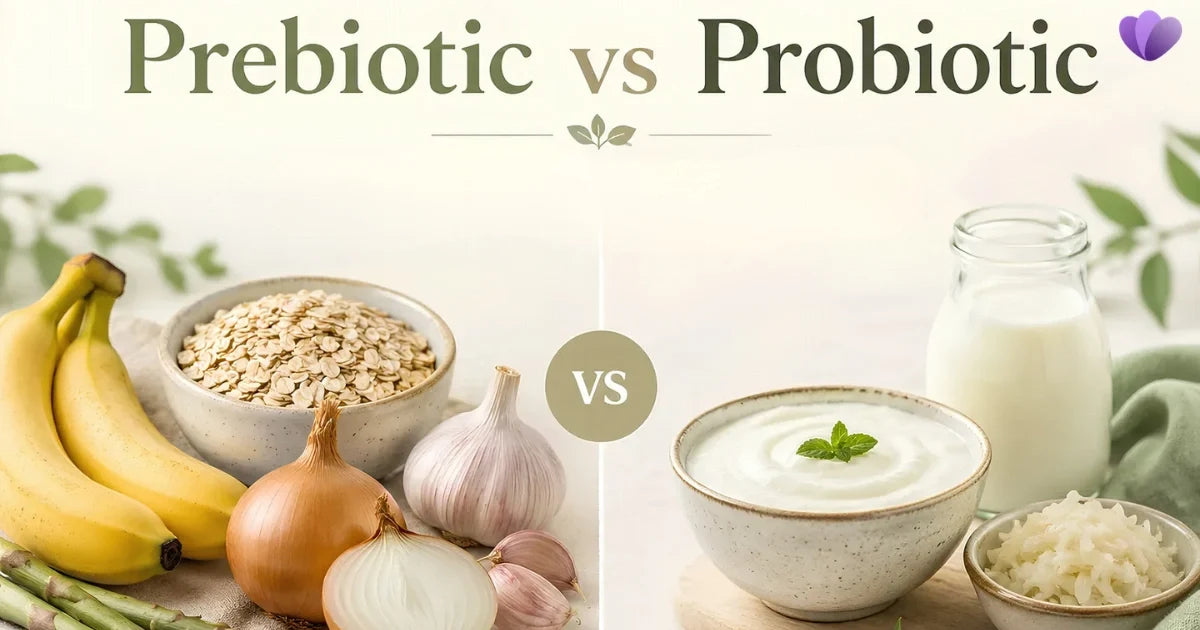
    Understanding the difference between prebiotics vs probiotics can help you make better choices when building a healthy gut routine. While probiotics introduce beneficial bacteria, prebiotics provide the nourishment those bacteria need to thrive.

    Before exploring the differences, it is helpful to understand how digestive wellness connects with overall gut support. You can also learn more through our detailed parasite cleanse guide.

    What Are Probiotics?

    Probiotics are live microorganisms, including certain beneficial bacteria and yeasts, that may support digestive wellness when consumed in appropriate amounts.

    Simply explained, probiotics add beneficial bacteria to your digestive system. These microorganisms become part of the larger community of gut bacteria that helps maintain microbiome balance.

    Many factors can influence the balance of bacteria in your gut, including:

    • Diet choices
    • Stress levels
    • Lifestyle habits
    • Certain medications
    • Changes in daily routine

    Common sources of probiotics include:

    • Yogurt with live cultures
    • Kefir
    • Kimchi
    • Sauerkraut
    • Miso
    • Probiotic supplements

    However, not all probiotics are the same. Different strains of bacteria may have different characteristics and functions. This is why understanding ingredients and strains is important when choosing probiotic products.

    What Are Prebiotics?

    Prebiotics are a type of dietary fiber that support beneficial bacteria already living inside your digestive system.

    Unlike probiotics, prebiotics are not living organisms. Instead, they act as nourishment for healthy gut bacteria, helping create an environment where these microorganisms can grow and remain balanced.

    Some common sources of prebiotic fiber include:

    • Garlic
    • Onions
    • Leeks
    • Asparagus
    • Bananas
    • Oats
    • Beans
    • Legumes

    A diet rich in fiber can naturally support a healthy gut microbiome because beneficial bacteria use these fibers as fuel.

    Research on dietary fiber and gut health highlights the importance of including fiber-rich foods as part of a balanced digestive wellness routine.

    Prebiotics vs Probiotics: Key Differences

    The easiest way to understand the probiotics vs prebiotics difference is by looking at their main roles.

    Feature

    Prebiotics

    Probiotics

    What they are

    Specialized dietary fibers

    Live beneficial microorganisms

    Main purpose

    Feed existing beneficial bacteria

    Introduce beneficial bacteria

    Common sources

    Fruits, vegetables, grains, legumes

    Fermented foods and supplements

    Role in gut health

    Support microbiome environment

    Help maintain bacterial balance

    The main difference between prebiotics and probiotics is simple:

    • Probiotics provide beneficial bacteria

    • Prebiotics provide nourishment for beneficial bacteria

    They are not competing options. Instead, they work as complementary parts of a balanced approach to gut health support.

    Do You Need Prebiotics, Probiotics, or Both?

    Do You Need Prebiotics, Probiotics, or Both?

    There is no single answer to whether prebiotics or probiotics are better because everyone’s digestive needs can be different.

    Your gut health may be influenced by:

    • Your daily diet
    • Fiber consumption
    • Lifestyle choices
    • Digestive wellness goals
    • Food preferences

    Someone who regularly eats fiber-rich foods may already be supporting their gut bacteria through natural prebiotic sources. Someone who does not consume fermented foods may explore probiotic options as part of their routine.

    Many people choose to include both because they support different parts of the same process. Probiotics provide beneficial microorganisms, while prebiotics help create a supportive environment for those bacteria.

    Instead of thinking about prebiotics vs probiotics which is better, it is often more useful to understand how both contribute to overall microbiome balance.

    Can You Take Prebiotics and Probiotics Together?

    Yes, prebiotics and probiotics can be used together because they support gut health in different ways.

    Probiotics introduce beneficial bacteria, while prebiotics provide the nutrients that help support those bacteria. When combined, they are sometimes referred to as a synbiotic approach.

    Including both in your routine may involve:

    • Eating more fiber-rich foods
    • Adding fermented foods
    • Choosing supplements that match your wellness goals
    • Maintaining consistent healthy habits

    Supporting digestive wellness is not usually about one single ingredient. Long-term habits, balanced nutrition, hydration, and lifestyle choices all play a role.

    Benefits of Supporting a Healthy Gut Microbiome

    A balanced gut microbiome is an important part of digestive wellness and overall health.

    Supporting healthy gut bacteria may help maintain:

    • Better digestive balance
    • Regular digestive function
    • A healthy internal environment
    • Effective nutrient processing

    Your gut microbiome changes over time based on your diet, stress, sleep, and daily habits.

    Building consistent habits is generally more valuable than focusing on one specific food or supplement.

    For more information about maintaining digestive wellness, explore our guide on gut health support.

    How to Add Prebiotics and Probiotics Into Your Routine

    Adding prebiotics and probiotics does not require major lifestyle changes. Small, consistent improvements can help support a healthier gut routine.

    Ways to Increase Prebiotic Intake

    You can increase prebiotic fiber by adding:

    • Vegetables such as onions and garlic
    • Whole grains
    • Beans and legumes
    • Fiber-rich fruits

    Ways to Include Probiotics

    Common probiotic sources include:

    • Yogurt
    • Kefir
    • Fermented vegetables
    • Quality probiotic supplements

    The most important factor is consistency. Supporting your gut microbiome is a long-term process based on daily habits.

    How to Choose a Gut Health Supplement

    How to Choose a Gut Health Supplement

    When choosing a gut health supplement, it is important to look beyond marketing claims and understand what ingredients a product contains.

    Consider:

    • Transparent ingredient information
    • Quality sourcing
    • Clear product purpose
    • Ingredients that match your wellness goals

    A supplement should fit into a complete digestive wellness routine that includes healthy nutrition and lifestyle choices.

    For those exploring cleanse-focused wellness routines, learning more about Paragon Cleanse for Parasites can provide additional information about how structured formulas and targeted ingredients fit into a broader digestive wellness approach.

    Understanding ingredients and choosing products based on your personal needs can help create a more informed wellness routine.

    Summary

    Prebiotics and probiotics are two different but connected parts of gut health support. Probiotics introduce beneficial bacteria, while prebiotics provide nourishment that helps support those bacteria.

    Understanding the difference between prebiotics vs probiotics can help you make better decisions about your digestive wellness routine.

    Whether through food choices, lifestyle habits, or carefully selected supplements, maintaining a balanced approach is key to supporting a healthy gut microbiome.

    Frequently Asked Questions

    Are probiotics and prebiotics the same thing?

    No. Probiotics are live beneficial microorganisms, while prebiotics are fibers that nourish the beneficial bacteria already present in your gut.

    Which is better for gut health: prebiotics or probiotics?

    Neither option is universally better. They serve different purposes and can complement each other as part of a balanced gut health routine.

    Can you take probiotics and prebiotics together?

    Yes. Since they work differently, many people include both as part of their digestive wellness approach.

    What foods contain prebiotics and probiotics?

    Prebiotic foods include garlic, onions, oats, bananas, and legumes. Probiotic foods include yogurt, kefir, kimchi, and other fermented foods.

    How long does it take to support gut health?

    Supporting gut health is a gradual process. Consistent nutrition and lifestyle habits are generally more important than short-term changes.

    Disclaimer: This content is for educational purposes only and is not intended to replace professional medical advice, diagnosis, or treatment.

  • Does Everyone Have Parasites? Science Explains the Truth

    Does Everyone Have Parasites? Science Explains the Truth

    No, not everyone has parasites. Parasitic infections are common in many parts of the world, but that is very different from saying every person is currently infected. Having a normal gut microbiome, being exposed to contaminated food or water, or experiencing digestive symptoms does not automatically mean you have a parasite.

    So why does the claim that “everyone has parasites” appear so often online? The confusion usually comes from mixing parasite exposure, confirmed infection, normal microorganisms in the body, and vague symptoms that can have many other causes. Here is what the evidence actually tells us.

    Does Everyone Have Parasites?

    No. Not every human has a parasitic infection, and there is no scientific basis for assuming that everyone secretly carries intestinal parasites or worms.

    Parasites can infect humans, and some infections are widespread in particular parts of the world. However, risk varies considerably according to sanitation, contaminated food or water, environmental exposure, travel, local disease prevalence, and the specific organism involved.

    In other words, common does not mean universal.

    The fact that millions of people develop parasitic infections does not mean every healthy person has one. The questions “do all humans have parasites?” and “does everyone have worms?” therefore have the same basic answer: no. A parasite must be acquired through an appropriate route of transmission before an infection can become established.

    How Common Are Parasites in Humans?

    Parasitic infections are a significant global health issue, but prevalence differs dramatically depending on the parasite and population being studied.

    One useful example is soil-transmitted helminth infection. These intestinal worms include roundworm, whipworm, and hookworms. Current global estimates of soil-transmitted helminth infections indicate that about 1.5 billion people, or roughly 24% of the world’s population, are infected with this specific group of parasites.

    That is a substantial number, but it does not mean 24% of people have every type of parasite, nor does it support the idea that everyone is infected.

    So, how common are parasites in humans? There is no single percentage for “all parasites.” Prevalence depends on the organism, location, sanitation conditions, age group, behavior, and exposure.

    Exposure, Infection, and Disease Are Not the Same Thing

    One of the most important distinctions in this discussion is the difference between being exposed to a parasite and actually having a parasitic infection.

    A useful way to think about it is:

    Exposure → Established Infection → Possible Symptoms or Disease

    You may encounter a parasite through contaminated soil, water, food, or another route without developing an established infection. Exposure alone therefore does not prove that parasites are living in your body.

    Even after infection occurs, symptoms are not guaranteed. Some infections may initially cause few or no noticeable problems.

    The reverse is also important: symptoms such as bloating, fatigue, diarrhea, abdominal discomfort, or changes in bowel habits do not automatically prove a parasite is responsible. Many unrelated gastrointestinal and medical conditions can produce similar symptoms.

    This distinction helps explain why symptom lists alone are a poor basis for self-diagnosis.

    Are Parasites Naturally Part of the Human Body?

    Are Parasites Naturally Part of the Human Body?

    No, parasites are not naturally part of the human body in the same way as the normal gut microbiome.

    Your digestive tract naturally contains a large community of microorganisms, including bacteria and other microbes. Collectively, these organisms form the gut microbiome and play roles in digestion, metabolism, and interactions with the immune system.

    That does not mean these normal microorganisms are intestinal parasites.

    A parasite has a different biological relationship with its host. It lives in or on another organism and obtains benefits at the host’s expense.

    This distinction is particularly important when people ask, “Do humans naturally have parasites?” or “Are parasites naturally in the human body?”

    Having microorganisms in your gut is normal. Having a confirmed parasitic infection is a separate situation. The gut microbiome and parasites should not be treated as interchangeable concepts.

    Can You Have Parasites Without Symptoms?

    Yes. Some people can have a parasitic infection without obvious symptoms, particularly when an infection is mild or the parasite burden is relatively low.

    However, the existence of asymptomatic parasite infections does not mean everyone has a hidden infection.

    When symptoms do occur, they vary widely depending on the organism involved. Possible problems can include diarrhea, abdominal discomfort, nausea, digestive changes, fatigue, weakness, anemia, or nutritional effects in certain infections.

    Because many of these symptoms are nonspecific, they should be interpreted alongside exposure history and appropriate medical evaluation rather than treated as proof of parasites.

    If you want to understand the possible warning signs in more detail, see our guide to the signs of intestinal parasites.

    Why Do People Say Everyone Has Parasites?

    The idea has become especially common in online wellness discussions, where broad symptoms such as bloating, fatigue, cravings, skin changes, or unusual bowel movements may be attributed to “hidden parasites.”

    The problem is that these symptoms can have many causes.

    Another source of confusion is assuming that anything unusual seen in stool must be a worm. Unusual material in stool is not always a sign of parasites. Food residue, digestive mucus, or changes in bowel consistency can sometimes be mistaken for worms or other organisms.

    Social-media claims may also blur the distinction between living with a normal microbiome, being exposed to parasites at some point, and currently having a confirmed infection.

    A more useful question is not “Does everyone have intestinal parasites?” but “Does this person have meaningful exposure, symptoms, or test results that make a specific infection plausible?”

    Who Is More Likely to Get a Parasitic Infection?

    Parasite risk is not evenly distributed.

    Depending on the organism, exposure may be more likely through:

    • contaminated drinking water or food;
    • inadequate sanitation;
    • soil contaminated with infectious parasite stages;
    • certain raw or undercooked foods;
    • travel or residence in an area where a particular parasite is common;
    • specific occupational, recreational, or environmental exposures.

    Different parasites also spread in different ways. Some are transmitted through contaminated food or water, while others can enter through skin contact, insect bites, or other routes.

    This is why personal exposure history matters considerably more than assuming that every person is infected simply because human parasites exist.

    How Do You Know If You Actually Have Parasites?

    How Do You Know If You Actually Have Parasites?

    Symptoms alone usually cannot confirm a parasitic infection.

    If an infection is genuinely suspected, healthcare professionals may consider the person’s symptoms, travel history, food and water exposure, location, and other risk factors before deciding whether testing is appropriate.

    Testing also depends on which parasite is suspected. Laboratory testing methods for intestinal parasites can include microscopic stool examination, parasite antigen detection, and molecular techniques such as PCR. Other parasites may require blood tests or different specimens.

    Understanding the different common parasites in humans can also help explain why symptoms, transmission routes, and diagnostic approaches vary between infections.

    Does Everyone Need to Deworm or Do a Parasite Cleanse?

    No. The fact that parasitic infections exist does not mean every healthy person should automatically assume they are infected or routinely self-treat.

    It is important to distinguish population-level deworming programs from individual treatment decisions. Public-health deworming programs may be recommended for defined populations living in areas where particular intestinal worm infections are common. Those programs are based on local epidemiology and infection risk.

    That is very different from claiming that every adult everywhere should routinely deworm.

    Likewise, the question “Does everyone need a parasite cleanse?” should not be answered simply because someone has nonspecific digestive symptoms. 

    Paragon Cleanse may be considered as part of a broader wellness routine, but it should not be used to assume or confirm that a parasitic infection is present. If a particular infection is suspected, appropriate testing and professional medical guidance are more reliable than assuming infection by default. 

    The Bottom Line

    So, does everyone have parasites? No.

    Parasites are real, and certain parasitic infections affect very large populations worldwide. But prevalence varies greatly by organism, geography, sanitation, food and water exposure, travel, and other risk factors.

    Some infections can occur without noticeable symptoms, but that does not mean every healthy person has hidden parasites. Likewise, normal gut bacteria are not the same as parasites, and vague symptoms alone cannot establish an infection.

    If there is a genuine reason to suspect a parasitic infection, individual risk assessment and appropriate testing provide far more useful information than assuming everyone is infected.

    FAQs

    Does every human have parasites?

    No. Parasitic infections occur worldwide, but prevalence varies by parasite, geography, sanitation, and exposure. There is no evidence that every human carries an active parasitic infection.

    Does everyone have worms in their body?

    No. Intestinal worm infections can be common in areas where transmission conditions favor them, but they are not present in every person. Exposure and prevalence vary significantly between populations.

    Can you have intestinal parasites without symptoms?

    Yes. Some parasitic infections can be asymptomatic or cause only mild symptoms. However, asymptomatic infection still requires an actual infection; it does not mean everyone is silently infected.

    Are parasites a normal part of the gut microbiome?

    No. Your gut microbiome consists largely of microorganisms that normally live in the digestive tract. A parasitic infection represents a different biological relationship and should not be considered the same as having a normal microbiome.

    Should everyone do a parasite cleanse?

    No. There is no basis for assuming every healthy person needs a parasite cleanse. Individual risk factors, symptoms, exposure history, and appropriate medical evaluation are more useful for determining whether a parasitic infection should be investigated.

    Disclaimer: This content is for educational purposes only and is not a substitute for professional medical advice, diagnosis, or treatment.

  • Do Parasites Look Like Mucus in Stool? How to Tell the Difference

    Do Parasites Look Like Mucus in Stool? How to Tell the Difference

    Finding something unusual in your stool can be unsettling, especially when it looks white, stringy, clear, or jelly-like. It is easy to wonder whether you are seeing mucus in stool, parasites, undigested food, or even a visible worm.

    The important thing to know is that mucus does not automatically mean you have an intestinal parasite. The digestive tract naturally produces small amounts of mucus, and several non-parasitic conditions can also cause noticeable stool changes.

    So, do parasites look like mucus in stool? Occasionally, visible worms or worm segments may be confused with mucus, but appearance alone cannot reliably tell you whether a parasitic infection is present. Understanding the differences can help you decide when simple observation is reasonable and when testing may be appropriate.

    Do Parasites Look Like Mucus in Stool?

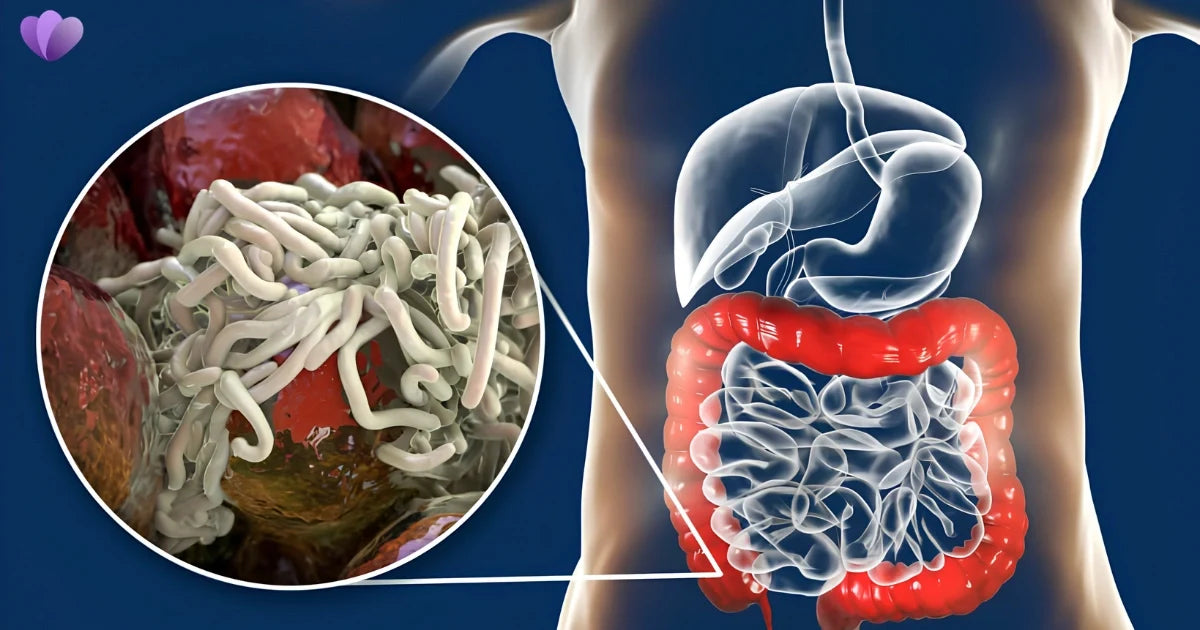
    Some visible intestinal worms or worm segments can resemble mucus, particularly when they are pale or surrounded by stool material. However, mucus itself is not a parasite, and seeing stringy or jelly-like material does not confirm an infection.

    Mucus may appear clear, white, yellowish, slippery, or irregular in shape. Certain worms or worm segments may also be pale, which is why people sometimes struggle to distinguish mucus vs worms in stool by appearance alone.

    Another important point is that many intestinal parasites are microscopic or are not consistently visible in bowel movements. Even when unusual material is present, a visual inspection or photograph cannot reliably identify the cause.

    If a parasitic infection is genuinely suspected, a healthcare evaluation and appropriate testing are usually needed for confirmation.

    What Does Mucus in Stool Look Like?

    Mucus in stool commonly looks like a clear, white, or slightly yellowish jelly-like substance. It may coat part of the stool, appear as a slippery film, or form thin strands.

    This explains why searches for stringy mucus in stool, white mucus in stool, and jelly-like mucus in stool are often connected with concerns about parasites.

    Your intestines naturally produce mucus to lubricate and protect the intestinal lining, so a small amount may occur without indicating disease.

    More noticeable mucus deserves closer attention when it:

    • appears repeatedly
    • increases significantly
    • occurs with persistent diarrhea
    • appears with blood
    • accompanies abdominal pain
    • occurs alongside a significant change in bowel habits

    These additional symptoms often provide more useful information than the appearance of mucus alone.

    Can Parasites Cause Mucus in Stool?

    Yes, certain intestinal parasitic infections can be associated with diarrhea, irritation of the digestive tract, and changes in stool that may include mucus.

    However, whether parasites cause mucus in stool is different from asking whether mucus proves that parasites are present.

    It does not.

    Mucus is a nonspecific digestive symptom. Intestinal infections, inflammatory digestive conditions, constipation, diarrhea, and other gastrointestinal problems can also increase mucus production.

    The possibility of parasites becomes more relevant when mucus occurs alongside other symptoms or risk factors, such as:

    • persistent or recurring diarrhea
    • abdominal cramps
    • nausea
    • unexplained weight loss
    • recent international travel
    • untreated or questionable water exposure
    • potentially contaminated food
    • persistent digestive symptoms after a known exposure

    Looking at the full pattern is therefore much more useful than assuming that mucus in stool means parasites.

    Which Parasites Can Affect Your Stool?

    Different intestinal parasites behave differently, and not all intestinal parasites in stool can be seen with the naked eye.

    Giardia

    Giardia is microscopic, so you cannot see the parasite simply by examining your stool. Infection may cause diarrhea, abdominal cramps, gas, and changes in stool consistency.

    Tapeworms

    Tapeworms

    Some tapeworm infections may result in segments being passed in stool. These segments can sometimes appear as small, pale, flat pieces and may be mistaken for food or other material.

    Roundworms

    Certain roundworm infections can occasionally result in visible worms being passed, although appearance alone should not be used to identify the organism.

    Pinworms

    Pinworms are small, thin, thread-like worms. They are more strongly associated with itching around the anus, particularly at night, than with obvious mucus in bowel movements.

    The key point is that worms in stool are not a feature of every parasitic infection. Many parasites require laboratory testing because they cannot be reliably detected by simply looking.

    Mucus vs Worms in Stool: How Can You Tell the Difference?

    People searching for parasites or mucus in stool usually want a simple visual comparison. Although these characteristics may offer clues, none can confirm an infection.

    Feature

    Mucus

    Possible Visible Worm or Segment

    Texture

    Usually slippery or jelly-like

    May appear more structured

    Shape

    Often irregular, stringy, or shapeless

    May retain a more defined shape

    Color

    Clear, white, or yellowish

    Varies depending on the organism

    Movement

    Does not move independently

    Some visible organisms may show movement

    Pattern

    May coat or mix with stool

    May appear as a separate structure

    Confirmation

    Appearance cannot identify the cause

    Appearance alone still cannot confirm infection

    Even when something appears worm-like, it is risky to diagnose yourself based on stool photographs.

    Food fibers, mucus, intestinal debris, and other harmless material can sometimes create shapes that resemble worms. Diet, hydration, digestion, and bowel consistency can also change stool appearance considerably from one day to another.

    White Strings in Stool: Mucus, Worms, or Undigested Food?

    Seeing white strings in stool is another common reason people worry about parasites.

    There are several possible explanations.

    Mucus can stretch into thin strands and appear white, clear, or translucent.

    Undigested food and plant fiber can sometimes retain a string-like appearance after passing through the digestive system.

    Visible worm material is another possibility in some infections, but it cannot be confirmed simply because something looks pale or thread-like.

    There are therefore several non-parasitic explanations for white or stringy material in stool. If the material repeatedly appears alongside ongoing digestive symptoms, professional evaluation is more useful than repeatedly comparing its appearance with online images.

    What Else Can Cause Mucus in Stool?

    Parasites are only one possible explanation for increased mucus.

    Constipation

    Hard stool and straining may irritate the lower digestive tract and make mucus more noticeable.

    Diarrhea and Intestinal Infections

    Different gastrointestinal infections can irritate the intestinal lining and cause diarrhea with increased mucus.

    Irritable Bowel Syndrome

    Changes in bowel habits associated with irritable bowel syndrome may sometimes include noticeable mucus.

    Inflammatory Bowel Conditions

    Conditions involving ongoing intestinal inflammation may cause mucus alongside symptoms such as diarrhea, abdominal discomfort, blood in stool, or changes in bowel habits.

    Because the causes range from temporary digestive irritation to conditions that require medical treatment, it is important not to assume that mucus automatically points to parasites.

    How Do You Know If It Is Actually a Parasite?

    Visual inspection is not enough to confirm or rule out a parasitic infection.

    Depending on the suspected organism, symptoms, travel history, and possible exposure, healthcare professionals may use different diagnostic methods. These can include:

    • stool examination
    • ova and parasite testing
    • antigen testing
    • molecular or PCR-based testing
    • blood tests or other targeted investigations for certain parasites

    In some situations, more than one stool specimen may be requested because parasite detection can vary between samples.

    If symptoms continue despite an initial negative result, our guide on can a stool test miss parasites? explains why the test method, number of samples, collection technique, and suspected organism can all affect the result.

    A negative test should not automatically be interpreted as proof that a hidden parasite exists. Other digestive causes may need to be considered when symptoms persist.

    When Should Mucus in Stool Be Checked?

    When Should Mucus in Stool Be Checked?

    Occasional small amounts of mucus may not be concerning, but repeated or significant changes should not be ignored.

    Consider speaking with a healthcare professional if mucus:

    • keeps returning
    • noticeably increases
    • occurs with blood in stool
    • accompanies persistent diarrhea
    • occurs with severe or ongoing abdominal pain
    • appears with unexplained weight loss
    • occurs alongside persistent vomiting
    • is associated with dehydration
    • develops after relevant travel, food, or untreated water exposure

    These symptoms do not automatically mean parasites are responsible, but they may justify further evaluation.

    If you are wondering whether other symptoms fit a parasitic infection, reviewing the signs of intestinal parasites can help you understand the broader symptom pattern rather than focusing on mucus alone.

    Final Takeaway

    So, do parasites look like mucus in stool? Sometimes visible worm material can be confused with mucus, but white, stringy, or jelly-like stool does not automatically indicate parasites.

    Mucus normally exists in the digestive tract, while food fibers, digestive changes, infections, and inflammatory conditions can also create unusual-looking material.

    The most useful distinction is not simply mucus vs worms in stool, but whether the change is persistent and whether other symptoms or exposure risks are present.

    For readers focused on digestive wellness, Paragon Cleanse supplements may be used as part of a broader wellness routine alongside a balanced diet, hydration, and appropriate medical guidance. 

    If unusual stool changes continue, worsen, or occur with blood, significant pain, persistent diarrhea, dehydration, or unexplained weight loss, professional evaluation and appropriate testing are more reliable than trying to identify a parasite by appearance alone.

    Frequently Asked Questions

    Can Parasites Look Like Mucus in Poop?

    Some visible worms or worm segments may occasionally be confused with mucus, but mucus itself is not a parasite. Appearance alone cannot reliably confirm what you are seeing.

    Can Worms Cause Mucus in Stool?

    Some intestinal infections involving worms or other parasites may irritate the digestive tract and be associated with increased mucus. However, mucus by itself does not prove an infection.

    Are White Strings in Stool Always Worms?

    No. White strings may be mucus, undigested food fibers, or other stool material. A worm cannot be confirmed solely because something appears white or string-like.

    Can Jelly-Like Mucus in Stool Be a Parasite?

    Jelly-like mucus is not itself a parasite. Increased mucus can occur for many reasons, including digestive irritation, infection, or inflammatory conditions.

    Can You See Intestinal Parasites in Stool?

    Some worms or worm segments can occasionally be visible, but many parasites are microscopic or are not consistently passed in a form that can be identified by eye.

    Can You Identify Parasites by Looking at Stool?

    Not reliably. Healthcare professionals select diagnostic testing based on symptoms, possible exposures, travel history, and the type of parasite being considered.

    This article is for general educational purposes and is not a substitute for professional medical advice, diagnosis, or treatment. If you are concerned about persistent or worsening symptoms, consult a qualified healthcare professional.

  • Trace Mineral Drops for Reverse Osmosis Water: Do You Need Them?

    Trace Mineral Drops for Reverse Osmosis Water: Do You Need Them?

    If you use a reverse osmosis system, you may notice that the water tastes cleaner but sometimes a little flatter than regular tap water. That is because reverse osmosis can reduce naturally occurring dissolved minerals along with many unwanted substances.

    For people considering trace mineral drops for reverse osmosis water, the bigger question is whether adding minerals back is actually necessary. Mineral drops are one convenient way to remineralize RO water. Still, they are not the only option, and the right choice depends on your water, diet, taste preferences, and the mineral profile you want.

    Here is what reverse osmosis removes, which minerals people commonly add back, and how mineral drops compare with remineralization filters.

    Does Reverse Osmosis Remove Minerals?

    Yes. Reverse osmosis works by forcing water through a semi-permeable membrane, making reverse osmosis water treatment effective at reducing many dissolved substances.

    Along with substances you may want removed, an RO membrane can also reduce naturally occurring dissolved minerals such as calcium, magnesium, potassium, sodium, and other dissolved salts.

    That does not mean an RO system removes every nutrient your body needs. It simply means the mineral content of the filtered water can be considerably lower than that of the source water.

    How much is removed varies according to the RO system, membrane performance, source-water chemistry, and maintenance.

    Do You Need to Remineralize Reverse Osmosis Water?

    Not everyone who drinks RO water automatically needs to add minerals back.

    Mineral intake comes from both food and beverages, and the importance of minerals supplied specifically by drinking water varies according to diet, water composition, and individual circumstances.

    At the same time, drinking water can contribute minerals such as calcium and magnesium to overall intake. Research examining nutrients in drinking water also shows that the relationship between demineralized water, mineral composition, and total dietary intake is more complex than simply labeling low-mineral water as either “good” or “bad.”

    People commonly choose to remineralize reverse osmosis water for reasons such as:

    • Improving taste
    • Increasing selected dissolved minerals
    • Changing the mineral profile of their drinking water
    • Using water that better matches their personal preference
    • Avoiding the flat taste sometimes associated with very low-mineral water

    If your RO water otherwise meets applicable drinking-water safety standards, remineralization should be viewed as a separate question from whether the water has been properly treated.

    What Are Trace Mineral Drops for RO Water?

    Trace mineral drops are concentrated liquid products containing selected dissolved minerals. Depending on the formula, they are generally designed to be added to water in small, measured quantities according to the product directions.

    For example, TRACE Essential Minerals is a liquid trace mineral supplement that provides minerals such as magnesium, chloride, potassium, sodium, and boron. Like any mineral-drop formula, its specific mineral profile should be checked against your individual needs and intended use rather than assuming that all trace mineral products contain the same minerals. 

    Using mineral drops for RO water is popular because no plumbing modification or additional filter housing is normally required.

    However, mineral-drop formulas are not standardized.

    Depending on the product, they may contain varying amounts of:

    • Magnesium
    • Chloride
    • Potassium
    • Sodium
    • Calcium
    • Boron
    • Other trace minerals or electrolytes

    Not every product contains all of these minerals.

    For example, someone specifically looking for calcium and magnesium in water should check the actual label rather than assume every bottle of trace mineral drops provides both.

    What Minerals Should You Add Back to RO Water?

    There is no single mineral formula that everyone must add to reverse osmosis water.

    The appropriate mineral profile depends on what you want from remineralization and what a particular product actually contains.

    Magnesium

    Magnesium is commonly found in mineral drops and some remineralization systems. It can also influence the mineral composition and taste of drinking water.

    Calcium

    Calcium is commonly used in many remineralization cartridges. However, it is not present in every liquid mineral-drop formula.

    If calcium is one of your reasons for remineralizing RO water, check the Supplement Facts or mineral analysis before choosing a product.

    Potassium, Sodium and Other Trace Minerals

    Potassium, Sodium and Other Trace Minerals

    Some trace mineral drops contain smaller amounts of potassium, sodium, chloride, boron, and other minerals.

    More minerals do not automatically make one product better than another. What matters is knowing what the product contains, how much it provides per serving, and whether that matches your intended use.

    Mineral Drops vs Remineralization Filters

    Both options can add minerals back to RO water, but they work differently.

    Feature

    Mineral Drops

    Remineralization Filter

    Installation

    Usually not required

    Usually required

    Mineral amount

    User controls the serving

    Added automatically

    Travel

    Easy to carry

    Not practical

    Whole-household use

    Less convenient

    More convenient

    Mineral profile

    Depends on product label

    Depends on cartridge

    Every glass treated automatically

    No

    Yes

    Maintenance

    Replace bottle when needed

    Replace cartridge periodically

    Neither approach is automatically better.

    Mineral drops for reverse osmosis water may suit someone who wants portability, flexibility, and control over how much is added.

    A remineralization filter may make more sense for a household that wants minerals added automatically every time the RO faucet is used.

    Do Mineral Drops Improve the Taste of RO Water?

    They can.

    Minerals contribute to how drinking water tastes, so very low-mineral RO water may taste flat or different to people who are accustomed to mineral-rich water.

    Adding minerals back may change the taste, although the result depends on:

    • Which minerals are added
    • Their concentration
    • Source-water chemistry
    • The RO system
    • Personal taste preferences

    Taste improvement is subjective. Some people notice a significant difference after remineralization, while others are perfectly happy drinking their RO water as it is.

    Water is also only one part of maintaining healthy hydration and electrolyte balance, so mineral drops should not be treated as a replacement for an appropriate overall diet or individualized nutrition advice.

    Is TDS the Same as Mineral Quality?

    No.

    TDS stands for total dissolved solids. A TDS meter provides an estimate of the total amount of dissolved material present in water.

    What it does not tell you is:

    • Which specific minerals are present
    • How much of each mineral is present
    • Whether those substances are desirable
    • Whether the water contains a particular contaminant
    • Whether the water is microbiologically safe

    For example, two glasses of water could have similar TDS readings while containing very different dissolved substances.

    Likewise, low TDS is not automatically bad and high TDS is not automatically good.

    TDS is useful as one measurement of dissolved material, but it should not be confused with a complete measure of water quality.

    How to Choose Mineral Drops for Reverse Osmosis Water

    If you decide to use trace minerals for RO water, read the label carefully instead of relying only on marketing claims.

    Look for:

    • The complete mineral profile
    • Amount of each mineral per serving
    • Recommended serving size
    • Directions for adding the product to water
    • Sodium content if dietary sodium matters to you
    • Whether calcium or magnesium is actually included
    • Intended use of the formula
    • Manufacturing or quality-testing information
    • Storage instructions
    • Warnings or restrictions

    There is no universal “best” mineral-drop formula because products differ substantially in mineral composition and concentration.

    Choose according to what the label actually provides rather than assuming all trace mineral products are interchangeable.

    Can You Add Too Many Mineral Drops?

    Yes. More is not automatically better.

    If a product instructs you to use a certain amount per glass or serving, follow those directions rather than increasing the quantity simply because RO water contains fewer dissolved minerals.

    Adding excessive amounts may change the taste significantly and could result in a mineral intake that is inappropriate for some individuals.

    People with kidney problems, sodium or potassium restrictions, other medical conditions, or medications affected by mineral intake should seek individualized professional guidance rather than experimenting with concentrated mineral products.

    RO Water vs Other Water Sources

    RO Water vs Other Water Sources

    Reverse osmosis is only one method of treating drinking water.

    Boiling, carbon filtration, distillation, UV treatment, and reverse osmosis all work differently and remove different substances.

    For example, boiling is useful for addressing many microorganisms but does not work like an RO membrane for dissolved salts. Basic carbon filters can improve taste and reduce certain substances but generally do not reproduce the broad dissolved-solids reduction associated with reverse osmosis.

    Understanding the differences between water treatment and filtration methods can help you choose a treatment method according to the actual concern with your water.

    Can You Use Trace Mineral Drops in Distilled Water?

    Some products may also be suitable as trace mineral drops for distilled water, depending on their directions.

    Distillation and reverse osmosis both produce relatively low-mineral water, but they use different treatment processes. You should therefore avoid assuming that every product should be used at the same concentration in both types of water.

    Follow the manufacturer’s serving and mixing directions for the specific product you use.

    Final Takeaway

    Reverse osmosis can reduce naturally occurring dissolved minerals along with many other substances present in source water.

    Trace mineral drops for reverse osmosis water offer a convenient way to add selected minerals back, but remineralization is not a one-size-fits-all requirement.

    Some people use mineral drops primarily for taste, while others want a particular mineral profile. A remineralization cartridge may be more convenient for households that prefer minerals to be added automatically.

    Whichever approach you choose, check the actual mineral profile, follow the recommended serving directions, and avoid assuming that higher TDS or more added minerals automatically means better-quality water.

    FAQs

    Do You Need Mineral Drops With Reverse Osmosis Water?

    Not necessarily. Whether you want to add minerals depends on your source water, overall diet, taste preferences, and desired mineral profile. Mineral drops are one option for remineralization, but not a requirement for every RO user.

    What Minerals Does Reverse Osmosis Remove?

    Reverse osmosis can reduce dissolved substances including calcium, magnesium, potassium, sodium, chloride, and other salts or ions. The exact reduction depends on the system, membrane, source water, and operating conditions.

    What Minerals Should Be Added Back to RO Water?

    Common remineralization options include calcium and magnesium, while some mineral-drop formulas also contain potassium, sodium, chloride, or additional trace elements. There is no single mineral profile that everyone needs to add.

    Can You Drink RO Water Without Remineralizing It?

    Remineralization and water safety are separate issues. RO water that meets applicable drinking-water safety standards does not automatically require mineral drops simply because its mineral content is lower. Individual mineral needs should be considered in the context of overall diet and health.

    Are Mineral Drops Better Than a Remineralization Filter?

    Neither is universally better. Mineral drops provide portability and more user control, while a remineralization cartridge automatically treats water coming from the RO system and may be more convenient for an entire household.

    Do Mineral Drops Raise TDS?

    Usually, yes. Adding dissolved minerals increases the amount of dissolved material in the water, so the TDS reading would generally rise. TDS alone, however, does not tell you which minerals were added or whether the water is better quality.

    Can Mineral Drops Be Added to Distilled Water?

    Some mineral-drop products can be used with distilled water as well as RO water, but this depends on the product. Always follow the serving and mixing directions rather than assuming the same concentration applies to every type of low-mineral water.

    Disclaimer: This content is for general informational purposes only and is not intended as medical, nutritional, or water-safety advice.

  • How to Tell If an Online Supplement Store Is Legit: 12 Things to Check Before You Buy

    How to Tell If an Online Supplement Store Is Legit: 12 Things to Check Before You Buy

    Buying vitamins, minerals, herbal formulas, and wellness products online is convenient, but choosing the right seller takes more than clicking the first result you see. An attractive website or a large discount does not automatically mean a store is trustworthy.

    If you are wondering how to tell if an online supplement store is legit, start with the basics: identify the company behind the store, review the product labels, check quality and testing information, review the claims being made, and read the shipping and return terms before paying.

    A reliable online health store should make it easy for shoppers to understand what they are buying and who they are buying it from. The following checks can help you shop with more confidence.

    How Can You Tell If an Online Supplement Store Is Legit?

    A legitimate supplement seller generally provides clear company information, complete product descriptions, readable Supplement Facts, realistic wellness claims, secure checkout, transparent policies, and a reliable way to contact customer support.

    No single trust signal proves that every product is right for you. Instead, look at the overall picture.

    If important information is missing, difficult to verify, or replaced by exaggerated promises, it is worth taking more time before ordering.

    1. Check Who Is Behind the Online Store

    Start by looking beyond the homepage.

    A reputable supplement store online should provide enough information to understand who operates the business. Look for an About page, customer support details, clear terms, and a working contact method.

    A professional-looking website alone is not enough.

    Be cautious when you cannot find basic business information, customer support is unreachable, or the store appears to hide who is responsible for fulfilling orders.

    The best online health stores make transparency part of the buying experience rather than forcing customers to search for basic information.

    2. Review the Supplement Facts and Ingredient Information

    Never judge a supplement only by the promises on the front of the bottle.

    Look for a clear Supplement Facts panel that shows information such as:

    • Serving size
    • Amount per serving
    • Active dietary ingredients
    • Other ingredients
    • Suggested directions
    • Relevant warnings

    Clear labeling makes it easier to compare formulas and understand what you are actually purchasing.

    If you want to go deeper into labels, sourcing, formula transparency, and manufacturing considerations, read this guide on how to choose quality herbal supplements.

    A trustworthy store should not make essential ingredient information difficult to find.

    3. Look Beyond “Third-Party Tested” Marketing Claims

    “Third-party tested” sounds reassuring, but the phrase should not be treated as a guarantee by itself.

    Ask what the claim actually means. Consumers should understand what independent dietary supplement certification and testing may check before relying on a certification claim.

    Does the company explain what was tested? Is there meaningful information about quality control? Is batch or product documentation available where relevant?

    Testing may examine factors such as ingredient identity, label accuracy, or contaminants, depending on the testing program. However, testing does not automatically mean a supplement will be effective or appropriate for every person.

    The more specific and verifiable the quality information is, the more useful it becomes to a shopper.

    4. Understand What Regulatory Claims Really Mean

    One of the most common sources of confusion in supplement shopping is regulatory wording.

    Dietary supplements are not pre-approved for safety and effectiveness in the same way prescription drugs are before being sold. Companies are responsible for meeting applicable manufacturing, safety, and labeling requirements, while regulatory oversight continues after products enter the market.

    For shoppers, the practical lesson is simple: do not treat phrases such as “registered,” “compliant,” or similar regulatory language as proof that a product has been officially approved to treat a disease.

    5. Check Manufacturing and Quality Information

    A trusted online supplement store should provide useful product information rather than relying entirely on lifestyle marketing.

    Look for reasonable transparency around where or how products are manufactured, quality-control practices, and the standards the company says it follows.

    Statements about manufacturing should also be specific enough to mean something.

    Broad claims such as “premium quality” or “highest standards” are less useful when there is no supporting information explaining what those claims are based on.

    6. Look for Batch Numbers, Lot Numbers and Expiration Information

    Look for Batch Numbers, Lot Numbers and Expiration Information

    Product traceability is another useful signal.

    Depending on the product and packaging, you may see:

    • A batch or lot number
    • Expiration or best-before information
    • Tamper-evident packaging
    • Consistent labeling
    • Manufacturer or distributor information

    These details do not prove authenticity on their own, but their absence can give you another reason to investigate before purchasing.

    When your order arrives, check the packaging before opening it and avoid using a product that appears damaged, opened, incorrectly labeled, or tampered with.

    7. Be Skeptical of Miracle Health Claims

    A major red flag is a store promising that a supplement can cure serious diseases, replace necessary medical care, or produce guaranteed results for everyone.

    Responsible wellness language tends to be measured.

    Be cautious with claims such as:

    • “Guaranteed cure”
    • “Works instantly”
    • “Works for everyone”
    • “Replaces prescription medication”
    • “Treats every cause of your symptoms”

    Dietary supplements can contain biologically active ingredients, but they should not be confused with approved medical treatments simply because their marketing sounds convincing.

    8. Compare Prices, but Do Not Choose on Price Alone

    Everyone likes a good price, but price should be one factor rather than the entire decision.

    An unusually large discount on an otherwise expensive supplement can be a reason to check the seller more carefully, particularly when identical products are priced very differently across stores.

    At the same time, a cheap product is not automatically fake, and an expensive product is not automatically high quality.

    Compare the formula, quantity, serving size, seller information, policies, and product details before deciding whether the offer makes sense.

    9. Review Shipping, Returns and Refund Policies

    Many articles about supplement quality overlook what happens after checkout.

    Before buying, check:

    • Where the store ships
    • Estimated delivery information
    • Shipping charges
    • Return conditions
    • Refund eligibility
    • Damaged-order procedures
    • Customer-support options

    A reputable health store online should explain these terms clearly.

    If refund conditions are hidden or shipping information is vague, clarify those points before placing a large order.

    10. Make Sure the Checkout Process Is Secure

    The payment page deserves the same attention as the product page.

    Look for an encrypted HTTPS connection and a professional checkout process. Payment options, privacy information, and order confirmation should also be clearly presented.

    Avoid entering payment information when the checkout behaves unexpectedly, sends you to suspicious pages, or asks for information that does not appear necessary for the transaction.

    Buying supplements online should feel like a normal secure ecommerce purchase, not a risky payment process.

    11. Read Reviews, but Do Not Trust Reviews Blindly

    Reviews can help, but star ratings alone do not tell the whole story.

    Look for patterns.

    Do several customers mention the same shipping problem? Do reviews discuss the actual product experience, packaging, support, and ordering process? Are all reviews unusually similar or excessively promotional?

    Also distinguish between reviews of the store and reviews of an individual product.

    For example, someone researching a specific formula can look beyond ratings and review ingredients, expectations, safety considerations, complaints, and buying information together, as shown in this Paragon Cleanse review and buyer guide.

    One balanced review is often more informative than dozens of vague five-star comments.

    12. Use a Quick Online Supplement Store Checklist

    Before ordering from an unfamiliar health online store, run through this simple checklist:

    What to Check

    Good Sign

    Red Flag

    Company

    Clear business and support information

    Seller identity is unclear

    Product label

    Full ingredient and serving details

    Important information is missing

    Quality

    Specific, understandable information

    Only vague “premium” claims

    Health claims

    Realistic wellness language

    Miracle or cure promises

    Traceability

    Batch, lot or expiry details

    Little product traceability

    Policies

    Clear shipping and refund terms

    Policies are missing

    Checkout

    Secure, professional payment process

    Suspicious checkout behavior

    The best health store online for your needs is not necessarily the store with the loudest advertising. It is the one that gives you enough reliable information to make an informed purchase.

    What Should You Know Before Taking Any Supplement?

    What Should You Know Before Taking Any Supplement?

    Even an authentic, well-manufactured supplement may not be suitable for every person.

    Supplements can interact with medications, and certain ingredients may be inappropriate during pregnancy, breastfeeding, before surgery, or with some health conditions. “Natural” does not automatically mean risk-free.

    Before adding a new product to your routine, read the label carefully and consider your medications, existing conditions, allergies, and other supplements.

    If you take prescription medication or have a medical condition, ask a qualified healthcare professional whether a supplement is appropriate for you.

    Final Thoughts

    Learning how to tell if an online supplement store is legit comes down to verification rather than trusting a single badge, review, discount, or marketing statement.

    Choose stores that make product information easy to understand, communicate realistic expectations, provide clear policies, and give customers a reliable way to ask questions. At the Paragon Cleanse online supplement store, shoppers can review clear ingredient details, product directions, store policies, and customer-support information before making a purchase.

    A few extra minutes of checking before checkout can help you make a more informed decision and avoid buying a product simply because its marketing looked convincing.

    FAQs

    Is it safe to buy supplements online?

    It can be, provided you buy from a reputable seller and carefully review the store, product label, quality information, policies, and checkout security. Avoid judging a store only by price or advertising.

    How do I know if a supplement website is legitimate?

    Look for clear business information, contact details, full product labels, transparent policies, secure payment processing, realistic health claims, and useful quality information.

    How can I tell if supplements are fake?

    Check the packaging, label quality, batch or lot details, expiry information, seller reputation, price, and product information. If anything looks inconsistent or tampered with, contact the manufacturer or seller before using it.

    Does third-party testing mean a supplement is safe?

    Not necessarily. Testing may provide useful information about quality, identity, or contaminants, but it does not guarantee that a product is effective or suitable for every individual.

    What should I check before buying supplements online?

    Review the ingredients, serving size, seller identity, quality information, health claims, customer-support options, shipping terms, refund policy, reviews, and checkout security before completing your purchase.

    Disclaimer: This article is for general educational purposes and is not medical advice. Dietary supplements are not appropriate for everyone. Consult a qualified healthcare professional if you have a medical condition, take medication, are pregnant or breastfeeding, or have questions about using a specific supplement.

  • Diarrhea After Swimming? Cryptosporidium Symptoms, Incubation Period & Testing

    Diarrhea After Swimming? Cryptosporidium Symptoms, Incubation Period & Testing

    If you develop watery diarrhea several days after visiting a swimming pool, lake, splash pad, or water park, you may wonder whether the two are connected. One possible cause is Cryptosporidium, a microscopic parasite that can spread through contaminated recreational water.

    Cryptosporidium is not the only possible explanation for diarrhea after swimming. Viruses, bacteria, other parasites, and unrelated gastrointestinal illnesses can cause similar symptoms. However, understanding Cryptosporidium symptoms after swimming, the typical incubation period, and how testing works can help you know when medical evaluation may be appropriate.

    Can Swimming Cause Cryptosporidium?

    Yes. Cryptosporidium can spread through recreational water when microscopic traces of infected stool enter the water and another person accidentally swallows contaminated water.

    Exposure may occur in:

    • Swimming pools
    • Water parks
    • Splash pads
    • Lakes and rivers
    • Other untreated or recreational water

    Swallowing even a small amount of contaminated water may be enough to expose someone to the parasite. This is why swimming-related outbreaks can occur even when the water looks clean.

    Importantly, developing diarrhea after swimming does not automatically mean you have Cryptosporidium. The timing of symptoms, other symptoms, recent exposures, and laboratory testing may all help determine the actual cause.

    How Do You Get Cryptosporidium From Swimming Water?

    Cryptosporidium spreads through the fecal-oral route. In swimming environments, this usually means contaminated material enters the water and is then accidentally swallowed by another swimmer.

    Possible exposure situations include:

    • Accidentally swallowing pool water while swimming or diving
    • Playing in splash pads or water parks
    • Swimming in lakes, rivers, or other untreated water
    • Swimming in water recently contaminated by someone with diarrhea

    Pools and splash pads used by young children require particularly careful hygiene because bathroom accidents or leaking swim diapers can introduce germs into recreational water.

    Cryptosporidium is also one of several common parasites in humans that may be associated with contaminated food or water. Giardia is another well-known waterborne parasite that can produce overlapping digestive symptoms.

    How Long After Swimming Do Cryptosporidium Symptoms Start?

    The Cryptosporidium incubation period is usually about 2 to 10 days after infection, with symptoms commonly appearing around one week after exposure.

    This delay is significant.

    Someone who develops diarrhea the morning after swimming may automatically blame the pool, but illnesses have different incubation periods. With Cryptosporidium, symptoms commonly take several days to appear.

    For example, someone could swim on a Saturday and not begin experiencing watery diarrhea until the following week. By then, the original swimming exposure may be easy to overlook.

    What Are the Symptoms of Cryptosporidium?

    What Are the Symptoms of Cryptosporidium?

    The most characteristic symptom of cryptosporidiosis is frequent watery diarrhea.

    Other possible symptoms include:

    • Stomach pain or abdominal cramps
    • Nausea
    • Vomiting
    • Low-grade fever
    • Reduced appetite
    • Fatigue
    • Dehydration
    • Weight loss when illness is prolonged

    Some people may have mild symptoms, while others can become considerably more unwell.

    The symptoms can also overlap with many other gastrointestinal infections. Watery diarrhea, nausea, cramps, and fatigue are not unique to Cryptosporidium.

    For that reason, watery diarrhea after swimming is a clue, not a diagnosis.

    Diarrhea After Swimming: Cryptosporidium vs Other Causes

    Cryptosporidium is only one possible cause of gastrointestinal illness following recreational water exposure.

    Giardia, norovirus, certain bacteria, and other infections can produce similar symptoms.

    Feature

    Cryptosporidium

    Giardia

    Other Acute Stomach Illness

    Typical onset

    Often delayed

    Often delayed

    Varies; some begin sooner

    Diarrhea

    Commonly watery

    May be greasy or foul-smelling

    Varies

    Bloating

    Possible

    Common

    Possible

    Abdominal cramps

    Common

    Common

    Common

    Duration

    Can persist

    Can persist

    Depends on cause

    Diagnosis

    Stool testing

    Stool testing

    Depends on suspected cause

    These differences should not be used as a home diagnostic test.

    Symptoms overlap substantially, and stool appearance alone cannot reliably determine whether someone has Cryptosporidium, Giardia, or another gastrointestinal illness.

    If symptoms are persistent, severe, or clinically concerning, proper evaluation is more useful than trying to identify the infection from symptoms alone.

    How Is Cryptosporidium Diagnosed?

    Cryptosporidium is usually diagnosed through stool testing rather than symptoms alone.

    A healthcare professional may consider several factors, including:

    • How long diarrhea has lasted
    • Whether diarrhea is watery
    • Recent swimming or recreational water exposure
    • Recent travel
    • Exposure to untreated water
    • Contact with someone experiencing diarrhea
    • Other symptoms and medical history

    A stool sample can then be tested for Cryptosporidium. Depending on the type of test and clinical situation, more than one stool specimen may sometimes be requested because detection can vary between samples.

    Testing methods may include microscopy, antigen-based testing, or molecular tests such as PCR.

    If you’re experiencing ongoing unexplained digestive symptoms, understanding when to get tested for intestinal parasites can help put stool testing and other diagnostic options into context.

    Can Chlorine Kill Cryptosporidium in a Swimming Pool?

    Cryptosporidium is unusually resistant to normal chlorine levels used in swimming pools. The parasite has a protective outer shell that allows it to survive for more than seven days even in properly chlorinated recreational water under certain conditions.

    This makes Crypto different from many other germs that standard pool disinfection can kill relatively quickly. When contamination is suspected, pool operators may need specialized procedures rather than relying only on normal chlorine levels.

    For preventing diarrheal illnesses, swimmers should avoid swallowing pool water and stay out of recreational water when they have diarrhea.

    Paragon Cleanse supplements are designed to support digestive wellness and may complement healthy hygiene and lifestyle practices, but they should not be relied on to prevent or treat Cryptosporidium infection. 

    How Long Does Cryptosporidium Last?

    In people with healthy immune systems, Cryptosporidium symptoms often improve within roughly 1 to 2 weeks, although some cases can last longer.

    Another characteristic of the infection is that symptoms may come and go.

    Someone may feel better for a few days and then experience diarrhea again before the illness fully resolves.

    People with weakened immune systems may experience more prolonged or severe illness and should seek appropriate medical guidance rather than assuming symptoms will resolve without care.

    Maintaining hydration is particularly important during any illness involving repeated watery diarrhea.

    When Does Diarrhea After Swimming Need Medical Attention?

    When Does Diarrhea After Swimming Need Medical Attention?

    Mild diarrhea may resolve without complications, but certain symptoms deserve medical attention.

    Consider contacting a healthcare professional if you experience:

    • Severe or persistent diarrhea
    • Signs of dehydration
    • Very dark urine or significantly reduced urination
    • Dizziness or unusual weakness
    • Difficulty keeping fluids down
    • Blood in the stool
    • Severe abdominal pain
    • Persistent fever
    • Symptoms that are not improving

    Medical advice is particularly important when symptoms affect a young child, an older adult, or someone with a weakened immune system.

    Persistent diarrhea after swimming should not automatically be treated as Cryptosporidium without testing. Other infections and noninfectious gastrointestinal conditions can cause similar symptoms.

    When Can You Swim Again After Cryptosporidium?

    People diagnosed with Cryptosporidium should avoid swimming while experiencing diarrhea.

    Because the parasite can continue to be shed after symptoms improve, current public-health guidance recommends staying out of recreational water for 2 weeks after diarrhea has completely stopped.

    That includes:

    • Swimming pools
    • Water parks
    • Splash pads
    • Lakes and rivers
    • Hot tubs and similar recreational water facilities

    This precaution helps reduce the chance of contaminating water and passing the parasite to other swimmers.

    Good handwashing and bathroom hygiene are also important because Cryptosporidium can spread from person to person outside swimming environments.

    FAQs

    How long after swimming do Cryptosporidium symptoms start?

    Symptoms usually begin around 2 to 10 days after infection, with about one week being typical. The delayed incubation period means diarrhea may not appear until several days after the original swimming exposure.

    Can you get Cryptosporidium from a chlorinated pool?

    Yes. Cryptosporidium is highly tolerant of normal pool chlorine levels and can survive for days in properly maintained pools. This is why preventing contaminated material from entering recreational water is especially important.

    Can swallowing pool water cause diarrhea?

    Yes. Accidentally swallowing contaminated pool or recreational water can expose you to Cryptosporidium and other waterborne germs. However, diarrhea after swimming can have multiple causes, so the symptom alone cannot identify the infection.

    How long does Cryptosporidium diarrhea last?

    In otherwise healthy people, symptoms commonly last around 1 to 2 weeks, although they can persist longer in some cases. Symptoms may also improve temporarily and then return before the illness completely resolves.

    Is Cryptosporidium the same as Giardia?

    No. Cryptosporidium and Giardia are different microscopic parasites. Both can spread through contaminated water and cause diarrhea, abdominal discomfort, and other digestive symptoms. Because their symptoms overlap, stool testing may be needed to determine the cause.

  • Parasites and Anemia: Low Iron, Symptoms, Causes and Testing

    Parasites and Anemia: Low Iron, Symptoms, Causes and Testing

    Unexplained fatigue, low ferritin, or a low iron result can raise questions about whether a parasitic infection could be involved. So, can parasites cause anemia? In some cases, yes. Heavy or long-lasting hookworm infections are associated with blood loss and iron-deficiency anemia. However, fatigue, low iron, or digestive symptoms alone do not confirm that parasites are the cause.

    Let’s uncover the link between parasites and iron deficiency, which organisms are associated with anemia, what symptoms may occur, and which tests may be used.

    Can Parasites Cause Iron-Deficiency Anemia?

    Certain parasites can contribute to iron-deficiency anemia, and hookworm is the clearest intestinal example. Adult hookworms attach to the lining of the small intestine and feed on blood. In heavier infections, continued blood loss can gradually reduce iron stores and hemoglobin.

    The connection is strongest when an infection is prolonged, the number of worms is high, or the affected person already has limited iron intake. This is why hookworm anemia may develop slowly.

    Not every intestinal parasite causes anemia. Low iron should therefore be investigated as part of a wider medical assessment rather than treated as proof of a parasite.

    Hookworm-related iron-deficiency anemia can develop when ongoing intestinal blood loss gradually reduces the body’s iron stores. 

    How Do Parasites Cause Anemia?

    Parasite-related anemia can develop through several mechanisms. The exact process depends on the organism, infection severity, and the person’s existing health and iron levels.

    Chronic Intestinal Blood Loss

    Hookworms attach to the intestinal wall and feed on blood. Blood may also leak from an attachment site after a worm moves. Over time, the body may lose iron faster than it can replace it. Severe whipworm infection may also cause intestinal bleeding.

    Red Blood Cell Damage

    Some blood-borne parasites can infect or damage red blood cells and lower hemoglobin. Malaria is a well-known example, although it is not an intestinal parasite.

    Nutrient Loss or Poor Absorption

    Long-lasting digestive infections may affect appetite, inflammation, or nutrient absorption. These effects can worsen an existing deficiency, although poor absorption is not the main anemia mechanism for every parasite.

    Which Parasites Are Associated With Anemia?

    Parasite or infection

    Possible connection with anemia

    Important context

    Hookworm

    Chronic intestinal blood loss

    Strongest intestinal association

    Whipworm

    Intestinal bleeding

    Usually linked to severe infection

    Schistosomiasis

    Blood loss and inflammation

    Exposure history is important

    Malaria parasites

    Red blood cell damage

    Not an intestinal infection

    Hookworm remains the main example when discussing intestinal parasites and anemia. Two important species are Necator americanus and Ancylostoma duodenale. Their impact depends on infection severity, duration, nutritional status, and existing iron stores.

    It is inaccurate to assume that every worm infection causes low iron. Parasite type and infection intensity matter, and many causes of anemia are unrelated to parasites.

    Can Parasites Cause Low Ferritin or Low Hemoglobin?

    Ferritin is commonly used as a marker of stored iron. When chronic blood loss continues, iron stores may decline, resulting in low ferritin. Hemoglobin may also fall as the body becomes less able to produce healthy red blood cells.

    Parasites can therefore cause low ferritin in certain circumstances, particularly when a blood-feeding parasite causes ongoing iron loss. Parasites and low hemoglobin may also be connected through blood loss or red blood cell damage.

    However, neither result confirms a parasitic infection. Heavy menstrual bleeding, low dietary iron, pregnancy, gastrointestinal bleeding, poor absorption, and chronic medical conditions are also common explanations.

    Parasite Anemia Symptoms

    Parasite Anemia Symptoms

    Possible parasite anemia symptoms include:

    • Persistent fatigue or weakness
    • Pale skin
    • Dizziness or light-headedness
    • Shortness of breath
    • Rapid heartbeat
    • Headaches
    • Reduced exercise tolerance
    • Abdominal discomfort
    • Persistent diarrhea
    • Unexplained weight loss

    These symptoms are not specific to parasites. Digestive symptoms should be considered alongside other possible signs of intestinal parasites, recent travel, sanitation conditions, food or water exposure, and soil contact.

    Black, tarry, or visibly bloody stool requires medical attention because it may indicate gastrointestinal bleeding from several possible causes.

    Who May Have a Higher Risk of Hookworm Infection?

    The likelihood of hookworm exposure may be higher after:

    • Walking barefoot on contaminated soil
    • Living in or traveling to places with inadequate sanitation
    • Frequent direct contact with contaminated soil
    • Persistent digestive symptoms following travel
    • A previous untreated parasitic infection

    Exposure history matters because anemia alone cannot identify its underlying cause. Symptoms and laboratory findings should be considered together before parasite testing is selected.

    What Tests Check for Parasites and Anemia?

    No single test detects every parasitic infection. Testing depends on the suspected organism, symptoms, exposure history, and type of anemia.

    Complete Blood Count

    A complete blood count measures hemoglobin, hematocrit, red blood cell size, and other values that help identify the pattern and severity of anemia.

    It may also show elevated eosinophils. Eosinophilia can support suspicion of certain parasitic infections, but it is not specific and cannot diagnose a parasite on its own. A normal eosinophil result does not rule out every infection.

    Ferritin and Iron Studies

    Ferritin, serum iron, transferrin saturation, and related tests help assess iron stores and determine whether an iron-deficiency pattern is present.

    These results can help distinguish iron deficiency from other forms of anemia, but they cannot identify the underlying cause without further evaluation.

    Stool and Organism-Specific Testing

    A stool test for parasites may include ova and parasite examination, antigen testing, or molecular testing. The correct method depends on the organism being investigated.

    Several samples collected on separate days may be recommended because parasites or their eggs are not always present in every specimen. A single negative result may therefore be insufficient when symptoms and exposure history continue to suggest an infection.

    Reviewing the common parasites that affect humans may also provide useful context about different organisms, symptoms, and exposure routes.

    Other Common Causes of Iron-Deficiency Anemia

    Parasites are only one possible explanation for low iron. Other causes include:

    • Low dietary iron intake
    • Heavy menstrual bleeding
    • Increased iron requirements during pregnancy
    • Gastrointestinal bleeding
    • Poor nutrient absorption
    • Recent surgery or significant blood loss
    • Frequent blood donation
    • Chronic inflammatory or digestive conditions

    A person may have more than one contributing factor. For example, limited iron intake can make the effects of ongoing blood loss more significant. Proper evaluation is important because treatment depends on the actual cause.

    Can a Parasite Cleanse Treat Anemia?

    A parasite cleanse should not be treated as a solution for anemia. Confirmed parasitic infections require diagnosis and treatment based on the specific organism involved. Iron deficiency may also need a separate plan to restore iron stores and address ongoing blood loss.

    Iron supplements may help improve a deficiency, but they do not remove an underlying parasite. Similarly, a general digestive wellness supplement cannot replace stool testing, bloodwork, prescribed antiparasitic treatment, or professional medical assessment.

    People with suspected anemia should avoid diagnosing or treating themselves based only on fatigue, digestive symptoms, or online symptom lists.

    Parasite testing and diagnosis depend on the type of infection suspected. Some blood tests can detect specific parasites, but no single blood test can identify every type. 

    When Should You Contact a Healthcare Professional?

    When Should You Contact a Healthcare Professional?

    Seek medical advice if you experience:

    • Severe or worsening weakness
    • Fainting
    • Chest discomfort
    • Shortness of breath
    • A rapid or irregular heartbeat
    • Black, tarry, or bloody stool
    • Persistent diarrhea
    • Significant unexplained weight loss
    • Symptoms beginning after travel
    • Falling hemoglobin, ferritin, or iron levels
    • Pregnancy with symptoms of anemia

    Urgent care may be necessary for severe breathing difficulty, chest pain, fainting, or signs of significant bleeding.

    Summary

    Some parasitic infections can contribute to anemia, and hookworm is the clearest intestinal example because it may cause chronic blood and iron loss. However, low ferritin, fatigue, or low hemoglobin cannot confirm that parasites are involved.

    When considering whether parasites cause anemia, the most useful next steps are appropriate bloodwork, a careful review of exposure history, and testing selected for the suspected organism. A qualified healthcare professional should always evaluate severe, persistent, or worsening symptoms.

    Frequently Asked Questions

    Which Parasite Commonly Causes Iron-Deficiency Anemia?

    Hookworm is the intestinal parasite most strongly associated with iron-deficiency anemia because it attaches to the intestinal lining and contributes to gradual blood and iron loss.

    Can Intestinal Worms Lower Ferritin?

    Some intestinal worms, particularly hookworms, can lower ferritin when chronic blood loss depletes stored iron. Low ferritin alone does not confirm a worm infection.

    Can Parasites Cause Low Hemoglobin?

    Certain parasites can contribute to low hemoglobin through chronic blood loss, inflammation, nutrient effects, or red blood cell damage. The mechanism depends on the organism involved.

    Can a Blood Test Detect Intestinal Parasites?

    Some blood tests identify specific parasite antibodies, antigens, or organisms. However, there is no single blood test that detects every intestinal parasite.

    Can a Stool Test Detect Hookworm?

    Hookworm eggs may be detected through stool examination. Multiple specimens or additional organism-specific testing may be needed when suspicion remains high after an initial negative result.

    Does Low Iron Mean You Have Parasites?

    No. Low iron has many possible causes, including dietary deficiency, menstrual blood loss, pregnancy, gastrointestinal bleeding, chronic illness, and poor nutrient absorption.

    Can Iron Supplements Fix Parasite-Related Anemia?

    Iron supplements may help restore iron levels, but they do not treat an underlying infection. A confirmed parasite requires organism-specific medical treatment and follow-up.

    Medical disclaimer: This article is provided for general educational purposes and is not a substitute for professional medical diagnosis or treatment.
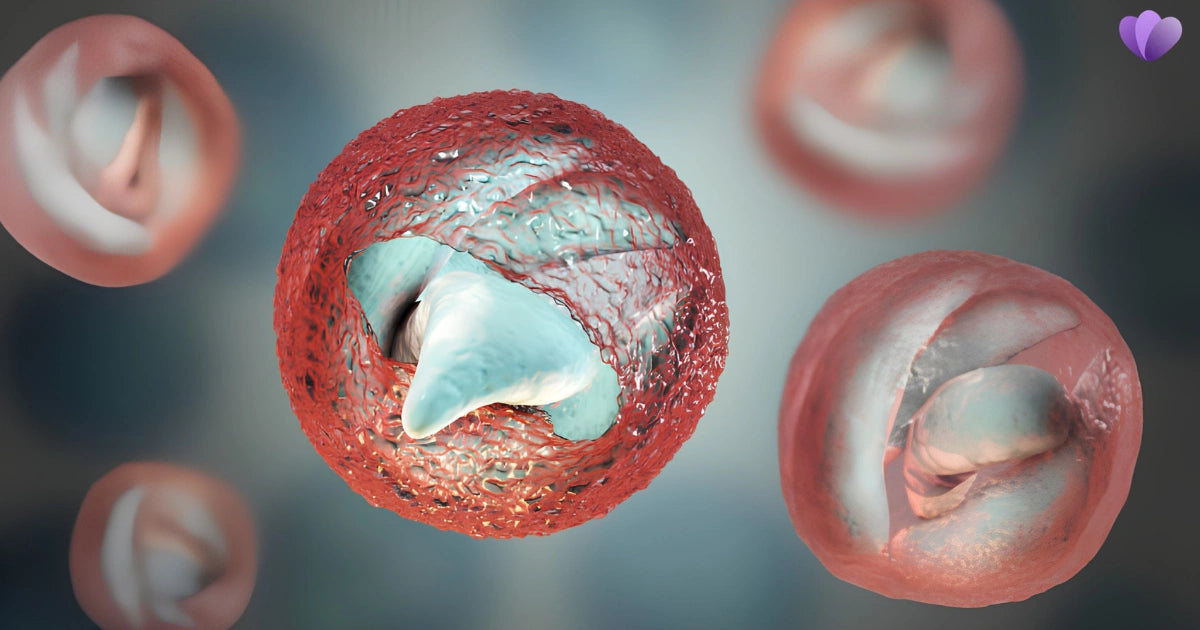
  • Cyclospora Symptoms: Incubation Period, Testing & How Long It Lasts

    Cyclospora Symptoms: Incubation Period, Testing & How Long It Lasts

    Cyclospora symptoms often include frequent watery diarrhea, stomach cramps, bloating, gas, nausea, appetite loss, weight loss, and fatigue. However, symptoms may not begin immediately after exposure. Cyclosporiasis, the intestinal infection caused by the Cyclospora parasite, often develops several days after contaminated food or water is consumed.

    Because these symptoms can resemble other foodborne illnesses, laboratory stool testing may be needed to confirm the cause. Understanding the Cyclospora incubation period, how long symptoms can last, how the infection spreads, and when testing may be appropriate can help you know what to do next.

    At Paragon Cleanse, we focus on providing clear, evidence-informed information about parasite-related symptoms, testing, prevention, and when professional medical guidance may be appropriate. 

    What Is Cyclospora?

    Cyclospora cayetanensis is a microscopic, single-celled parasite that infects the small intestine. The illness it causes is known as cyclosporiasis.

    People can become infected after consuming food or water contaminated with the parasite. Fresh produce has been associated with several outbreaks, although contaminated water can also be a source.

    The severity of Cyclospora infection varies. Some people may experience relatively mild symptoms, while others develop persistent digestive problems that interfere with normal eating, hydration, and daily activities.

    Cyclospora is one of several microscopic organisms that can affect the digestive system. You can also learn about common parasites in humans, including their types, symptoms, transmission routes, and prevention. 

    What Are the Symptoms of Cyclospora?

    The most characteristic Cyclospora symptom is frequent watery diarrhea. Digestive symptoms may occur alongside fatigue, appetite changes, and weight loss.

    Common symptoms

    Other possible symptoms

    Watery diarrhea

    Headache

    Stomach cramps

    Mild fever

    Bloating and gas

    Body aches

    Nausea

    Vomiting

    Appetite loss

    General weakness

    Weight loss

    Fatigue

    Some people may have few or no noticeable symptoms.

    Cyclospora symptoms alone cannot confirm cyclosporiasis because several bacterial, viral, and parasitic gastrointestinal infections can cause a similar pattern. Persistent or recurring symptoms may therefore require medical evaluation and appropriate testing.

    How Soon Do Cyclospora Symptoms Start?

    The Cyclospora incubation period is usually around one week, although symptoms can begin sooner or later.

    This delayed onset can make it difficult to identify which food or drink caused the infection. Someone may develop diarrhea several days after eating contaminated produce and not immediately connect the illness with that meal.

    When speaking with a healthcare provider, it can therefore be helpful to mention foods, travel, untreated water, or possible outbreak exposures from the previous two weeks rather than focusing only on what you ate immediately before symptoms started.

    How Long Does Cyclospora Last?

    People searching for how long Cyclospora lasts should know that the duration can vary considerably.

    Some infections improve relatively quickly, while untreated cyclosporiasis may continue for weeks or longer. Recovery may also take longer in people with weakened immune systems.

    Frequent diarrhea can cause significant fluid loss, making hydration especially important. Replacing fluids and electrolytes may help reduce the risk of dehydration while the underlying illness is being evaluated and treated.

    Can Cyclospora Symptoms Go Away and Come Back?

    Can Cyclospora Symptoms Go Away and Come Back?

    Yes. Cyclospora symptoms can sometimes improve and then return, particularly when the infection has not been treated.

    Diarrhea may decrease for several days before recurring, and this cycle can happen more than once. This relapsing pattern is one reason persistent digestive symptoms should not automatically be dismissed just because they temporarily improve.

    If diarrhea repeatedly returns or digestive symptoms continue for an unusually long period, consider discussing the pattern with a healthcare professional.

    How Do You Get Cyclospora?

    Cyclospora infection occurs when a person consumes food or water contaminated with the parasite.

    Contaminated Food and Fresh Produce

    Fresh produce has been associated with previous Cyclospora outbreaks. Foods investigated during different outbreaks have included leafy greens, herbs, and other fresh fruits and vegetables.

    Contamination can occur before the food reaches the consumer, including during growing, harvesting, processing, or handling.

    Contaminated Water

    Cyclospora can also spread through contaminated water. Risk can be greater where sanitation or water-treatment standards are inadequate.

    Travel history can therefore be relevant when someone develops prolonged diarrhea after visiting an area where food or water contamination may have occurred.

    Is Cyclospora Contagious?

    Direct person-to-person transmission of Cyclospora is considered unlikely.

    After the parasite leaves an infected person’s body, it needs time in the environment before it can infect another person. This makes Cyclospora different from some gastrointestinal viruses that can spread rapidly through direct contact.

    Most recognized Cyclospora infections are therefore associated with contaminated food or water rather than immediate transmission from one sick person to another.

    How Is Cyclospora Diagnosed?

    A healthcare provider may recommend laboratory testing when symptoms and exposure history suggest cyclosporiasis.

    Can a Stool Test Detect Cyclospora?

    Yes. A Cyclospora stool test can help identify the parasite. Depending on the laboratory and clinical situation, testing may involve microscopic examination or specialized molecular testing.

    Cyclospora may not be included automatically in every routine stool panel, so appropriate testing needs to be selected when the infection is suspected.

    Can a Stool Test Miss Cyclospora?

    A single stool sample may not always detect the infection because the amount of parasite present in a sample can vary. In some situations, healthcare providers may request multiple stool samples collected on different days.

    This is why persistent symptoms should be considered alongside exposure history and laboratory findings rather than relying on symptoms alone.

    If you are experiencing ongoing digestive problems, our guide to signs of intestinal parasites and when to get tested explains the broader circumstances in which parasite testing may be considered.

    How Is Cyclospora Treated?

    Cyclospora treatment should be guided by a qualified healthcare professional after infection is confirmed or strongly suspected.

    Some otherwise healthy people may eventually recover without specific treatment, but illness can be prolonged or relapse. Prescription medication may be recommended depending on symptoms, medical history, immune status, allergies, and other individual factors. Clinical Care of Cyclosporiasis outlines the established medical approach to diagnosis and treatment.

    People with significant or persistent symptoms should avoid attempting to self-treat a suspected infection with supplements or unproven remedies.

    Does Washing Lettuce Remove Cyclospora?

    Thoroughly washing fresh produce is an important food-safety practice, but washing does not guarantee that Cyclospora will be completely removed.

    Preventing Cyclosporiasis also involves rinsing produce appropriately, keeping preparation surfaces clean, preventing cross-contamination, and following active recall instructions when a specific food has been linked to an outbreak. 

    During an active recall, washing a recalled product should not be treated as a substitute for following the recall instructions. 

    Cyclospora vs Food Poisoning: What’s the Difference?

    “Food poisoning” describes many illnesses caused by different organisms, so symptoms and duration vary widely.

    Feature

    Cyclospora

    Other foodborne illnesses

    Symptom onset

    Often delayed

    Varies by cause

    Diarrhea

    Frequently watery

    Varies

    Duration

    Can persist for weeks

    Can range from hours to weeks

    Symptoms returning

    Can occur

    Depends on the cause

    Diagnosis

    May require specific stool testing

    Depends on the pathogen

    A delayed onset, prolonged watery diarrhea, and symptoms that improve and then return may make Cyclospora worth considering, but laboratory testing is needed for diagnosis.

    2026 Cyclospora Outbreak: What Should Consumers Know?

    2026 Cyclospora Outbreak: What Should Consumers Know?

    A multistate Cyclospora outbreak in 2026 has been investigated in connection with recalled iceberg lettuce sourced from central Mexico.

    Because outbreak case numbers, affected areas, and recall information can change as investigations continue, consumers should rely on the latest official recall notices rather than older social-media posts or news summaries.

    If you develop compatible symptoms after eating food connected with an active recall, tell your healthcare provider about that exposure.

    When Should You Seek Medical Care?

    Consider contacting a healthcare professional if you develop persistent or severe diarrhea, significant weakness, unexplained weight loss, recurring symptoms, or signs of dehydration such as dizziness, reduced urination, or difficulty keeping fluids down.

    Medical advice is particularly important for people with weakened immune systems and others who may be at greater risk from prolonged gastrointestinal illness.

    FAQs

    What Are the First Symptoms of Cyclospora?

    Early Cyclospora symptoms commonly include watery diarrhea, stomach cramps, bloating, gas, nausea, appetite loss, and fatigue.

    How Long After Exposure Does Cyclospora Start?

    Symptoms commonly begin around a week after exposure, although the Cyclospora incubation period can vary.

    Can Cyclospora Symptoms Come and Go?

    Yes. Untreated cyclosporiasis can sometimes improve temporarily and then relapse, particularly with recurring diarrhea.

    Can a Stool Test Miss Cyclospora?

    Yes. Detection can sometimes require more than one stool sample, particularly when the parasite is not consistently present in each sample.

    Is Cyclospora Contagious Between People?

    Direct person-to-person spread is considered unlikely because Cyclospora needs time outside the body before becoming infectious.

    Can You Get Cyclospora More Than Once?

    Yes. A previous Cyclospora infection does not guarantee protection against another infection after a new exposure.