
Contact USA/Canada Toll Free +1 (800) 917-4461 🔥 To Get Free Shipping Order Over $70 🔥

Blog

  • Parasites and Sugar Cravings: Is There Really a Connection?

    Parasites and Sugar Cravings: Is There Really a Connection?

    If you’ve been wondering if parasites cause sugar cravings, you’ve probably come across plenty of claims suggesting that a sudden desire for sweets is a clear warning sign of an intestinal infection. The reality is more complicated.

    Sugar cravings alone are not considered a reliable sign of parasites. Certain parasitic infections can affect digestion, nutrient absorption, appetite, and the gut environment, but there is not strong clinical evidence that parasites directly cause people to crave sugar.

    Understanding the difference between an established symptom and a possible indirect connection can help you make better decisions about your digestive health.

    Are Sugar Cravings Really a Sign of Parasites?

    The question “are sugar cravings a sign of parasites?” appears frequently in online discussions about gut health and parasite symptoms. However, cravings are extremely common and can be influenced by eating habits, sleep, stress, hormones, food preferences, and overall energy intake.

    A craving for something sweet by itself does not indicate a parasitic infection.

    When intestinal parasites actually cause symptoms, digestive issues are generally more relevant. Depending on the organism involved, symptoms may include abdominal discomfort, diarrhea, nausea, bloating, changes in bowel habits, fatigue, changes in appetite, or unexplained weight changes.

    Because symptoms vary across infections, clinicians usually consider the full picture rather than relying on a single nonspecific sign. 

    Why Are Parasites Linked With Sugar Cravings?

    So why do so many people believe parasites and sugar cravings are directly connected?

    One reason is that parasites can affect the digestive system. Certain infections may interfere with nutrient absorption, influence appetite, or alter conditions within the gastrointestinal tract. These effects have led to theories that changes in the gut could indirectly influence food preferences.

    The gut microbiome may also play a role in appetite regulation. Researchers continue to study how microorganisms living within the digestive tract interact with hormones and signals involved in hunger, satiety, and food reward.

    There is growing research on the gut microbiome and appetite signaling. Still, an important distinction needs to be made: evidence showing that the microbiome can influence appetite does not prove that intestinal parasites specifically cause sugar cravings.

    The gut-appetite connection is complex, and more direct research is needed.

    What Does Science Say About Parasites and Sugar Cravings?

    When asking whether parasites cause sugar cravings, it helps to separate established evidence from theories.

    What Is Established?

    Certain intestinal parasites can interfere with normal digestion and nutrient absorption. Depending on the species and severity of infection, people may experience gastrointestinal symptoms, nutritional deficiencies, fatigue, appetite changes, or changes in body weight.

    What Is Possible?

    Because infections can affect digestion, nutrient availability, and the intestinal environment, they may indirectly influence hunger or appetite in some individuals.

    The gut-brain axis also plays an important role in eating behavior, so changes within the digestive system could theoretically influence food preferences.

    What Has Not Been Proven?

    There is currently no strong clinical evidence demonstrating that intestinal parasites directly create a specific biological craving for sugar.

    Therefore, saying that parasites universally “make you crave sugar” goes beyond what current evidence supports.

    Do Parasites Make You Crave Sugar?

    The simple answer is that researchers have not established a direct parasite-to-sugar-craving mechanism in humans.

    Some people with digestive problems may notice changes in appetite or cravings, but those changes can stem from many different causes.

    This distinction matters because whether parasites make you crave sugar and whether parasites affect appetite are not the same question.

    Certain infections can affect appetite. That does not mean sugar cravings specifically are a reliable parasite symptom.

    If cravings occur without digestive symptoms or relevant exposure risks, common lifestyle and dietary causes are usually more useful to investigate first.

    What Else Can Cause Strong Sugar Cravings?

    What Else Can Cause Strong Sugar Cravings?

    Parasites are only one of many explanations people consider when unusual cravings appear, and they are far from the most common.

    Strong sugar cravings may be influenced by:

    • Not eating enough throughout the day
    • Long gaps between meals that increase hunger
    • Inadequate protein or fiber intake
    • Poor-quality or insufficient sleep
    • Psychological or physical stress
    • Habitual consumption of highly sweet foods
    • Reward patterns associated with certain foods
    • Highly restrictive dieting
    • Sudden changes to normal eating routines
    • Increased physical activity without adequate nutrition

    For many people, one or several of these factors provide a much simpler explanation for recurring cravings.

    If you’re asking, “Why am I craving sugar?” reviewing sleep, stress levels, meal timing, and overall food intake may provide more useful information than assuming an infection is present.

    Can Parasites Affect Nutrient Absorption and Appetite?

    Certain intestinal parasites can interfere with the body’s ability to absorb nutrients normally.

    The impact depends heavily on which organism is involved, where it lives within the digestive system, how long the infection has been present, and its severity.

    Possible consequences include digestive discomfort, nausea, diarrhea, changes in appetite, nutritional problems, weakness, or unintended weight changes.

    These effects help explain why researchers consider nutrition when evaluating parasitic disease.

    However, nutrient absorption problems do not automatically translate into a specific desire for sweets.

    Anyone concerned about infection should look at the broader signs of intestinal parasites rather than relying on cravings alone.

    Can Parasites Affect Blood Sugar?

    Another related question is: Can parasites affect blood sugar?

    Some infections can interact with metabolism, inflammation, nutrition, and the body’s energy use. Researchers have investigated relationships between parasitic infections and metabolic markers, but results vary by organism and population studied.

    This makes it inaccurate to assume that parasites routinely cause blood sugar drops that automatically produce sweet cravings.

    If someone experiences persistent symptoms that may be related to abnormal blood glucose levels, these concerns warrant appropriate medical evaluation rather than being attributed solely to parasites based on cravings.

    Does Sugar Feed Parasites?

    The claim that “sugar feeds parasites” is common online, but it simplifies a much more complicated biological process.

    Different parasites survive in different environments and obtain nutrients in different ways. Depending on the organism, nutrients may come from intestinal contents, blood, tissues, or substances available within the host.

    Therefore, there is no single rule stating that dietary sugar feeds every parasite in the same way.

    Eating sugary foods also does not cause a parasitic infection on its own.

    Likewise, eliminating sugar is not a proven way to remove an intestinal parasite.

    Diet can support general health, but extreme dietary restriction should not replace appropriate testing or treatment when a genuine infection is suspected.

    Should You Avoid Sugar During a Parasite Cleanse?

    People researching a parasite cleanse and sugar cravings often wonder whether all sugar needs to be eliminated.

    A more sustainable approach is to focus on overall dietary quality instead of attempting to “starve” parasites.

    A balanced diet may include:

    • Whole or minimally processed foods
    • Fiber-rich vegetables and other plant foods
    • Adequate protein
    • Sufficient fluids
    • Regular meals
    • Moderate intake of added sugars

    Reducing excessive added sugar can be part of a balanced eating pattern, but that is different from claiming sugar restriction can eliminate parasites.

    People making dietary changes may benefit from learning what to eat during a parasite cleanse instead of following highly restrictive eating plans.

    Parasites vs. Candida: Are They the Same?

    Parasites and Candida are sometimes discussed together in articles about sugar cravings, but they are not the same thing.

    Intestinal parasites may include organisms such as worms or protozoa, while Candida is a type of yeast.

    Because these conditions are biologically different, claims about one should not automatically be applied to the other.

    This distinction is especially important when evaluating online claims suggesting that every digestive symptom or carbohydrate craving has the same underlying cause.

    Accurate identification matters more than matching symptoms to a broad online checklist.

    When Should You Consider Parasite Testing?
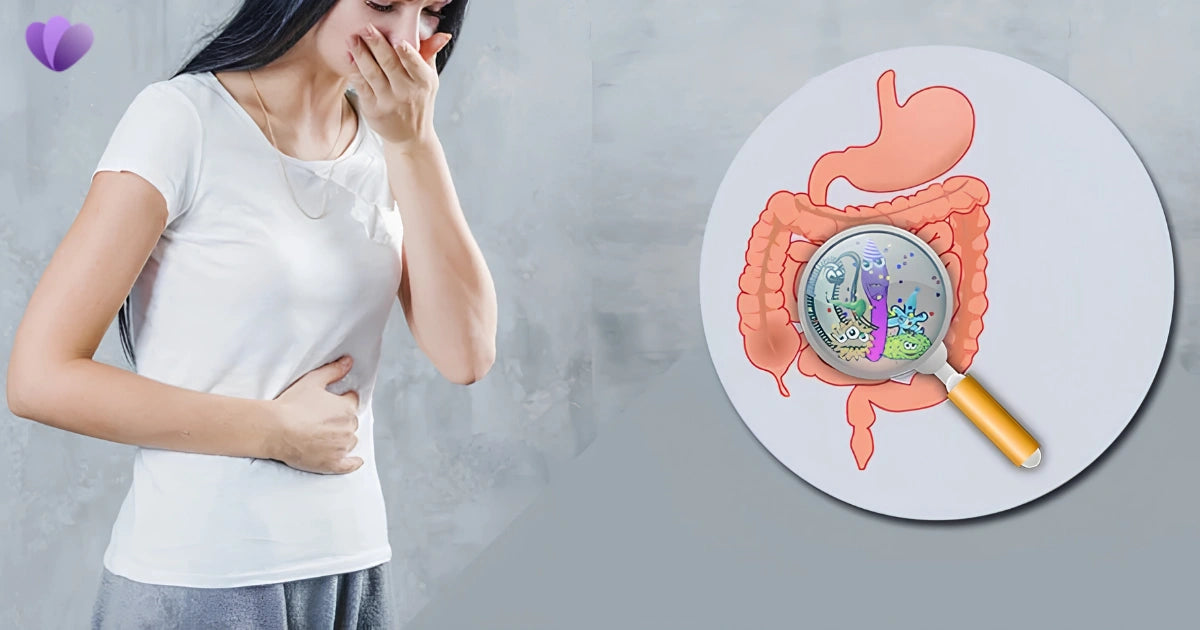
    When Should You Consider Parasite Testing?

    Sugar cravings alone generally aren’t a strong reason to assume you need parasite testing.

    Testing becomes more relevant when there are other symptoms or meaningful exposure risks, such as:

    • Persistent diarrhea
    • Ongoing abdominal pain or discomfort
    • Significant changes in bowel habits
    • Unexplained digestive problems
    • Unexplained weight changes
    • Recent travel associated with increased exposure risk
    • Consumption of potentially contaminated food or water
    • Persistent symptoms following a known exposure
    • Visible or unusual material in stool that requires evaluation

    The appropriate test depends on the suspected organism and symptoms involved. A healthcare professional can determine whether testing is appropriate and what type may be needed.

    Can Herbal Supplements Fit Into a Gut-Wellness Routine?

    Some people incorporate herbal wellness formulas, such as Paragon Cleanse, into a broader digestive wellness routine. Supplements should not be used to diagnose a parasitic infection, and persistent, severe, or concerning digestive symptoms should be discussed with a qualified healthcare professional.

    Final Thoughts

    So, can parasites cause sugar cravings? Current evidence does not establish a direct, specific connection.

    Certain parasitic infections can affect digestion, nutrient absorption, appetite, and the gut environment, leading to indirect changes in eating behavior. But common factors such as irregular meals, insufficient sleep, stress, restrictive dieting, and normal food habits provide more established explanations for sugar cravings.

    Rather than treating cravings as proof of infection, consider the full symptom picture and relevant exposure history. Persistent digestive symptoms or concerns about a possible parasitic infection are best evaluated under the guidance of a qualified medical professional and through appropriate testing.

    Frequently Asked Questions

    Do Worms Make You Crave Sugar?

    There is no strong clinical evidence showing that intestinal worms specifically make humans crave sugar. Some infections may affect appetite or nutrition, but sugar cravings are not considered a reliable sign of worms.

    What Do You Crave When You Have Parasites?

    There is no clinically established food craving that reliably identifies a parasitic infection. Symptoms and appetite changes vary depending on the organism and individual.

    Are Sugar Cravings a Sign of Parasites?

    Sugar cravings alone are not a specific or reliable sign of parasites. Digestive symptoms, exposure history, and appropriate medical testing provide much more useful information.

    Do Parasites Feed on Sugar?

    Different parasites obtain nutrients in different ways, so saying that all parasites simply “feed on sugar” is inaccurate. Eliminating dietary sugar is also not a proven treatment for parasitic infections.

    Can Parasites Affect Appetite?

    Yes, certain parasitic infections may affect appetite, digestion, or nutritional status. However, a change in appetite does not necessarily mean someone will crave sweet foods.

    This content is for informational and educational purposes only and is not intended to diagnose, treat, cure, or prevent any disease.


  • Can Parasites Cause Vitamin B12 Deficiency? Fish Tapeworm, Symptoms & Testing

    Can Parasites Cause Vitamin B12 Deficiency? Fish Tapeworm, Symptoms & Testing

    If you have unexplained fatigue and a low vitamin B12 result, you may wonder whether an intestinal parasite could be responsible. The short answer is yes: certain parasites can contribute to vitamin B12 deficiency, but this is not typical of most intestinal parasites.

    The clearest and best-established association is with the fish tapeworm, historically known as Diphyllobothrium latum and now often classified as Dibothriocephalus latus. A long-standing infection can interfere with the amount of vitamin B12 available to the body. However, low B12 alone does not mean that a person has a parasitic infection.

    Can Parasites Cause Vitamin B12 Deficiency?

    Most intestinal parasites are not recognized as major causes of vitamin B12 deficiency. The fish tapeworm is an important exception.

    When a fish tapeworm remains in the small intestine for an extended period, it can compete for vitamin B12 and interfere with normal B12 availability. In some people, this may eventually contribute to true vitamin B12 deficiency and, less commonly, megaloblastic anemia.

    This does not happen to everyone who develops a fish tapeworm infection. Many infections produce mild symptoms or no noticeable symptoms at all. The risk of deficiency depends on factors such as infection duration, nutritional status, parasite location, and individual differences in B12 absorption.

    So, while parasites and vitamin B12 deficiency can be connected, the relationship is much more specific than the general idea that all parasites “steal nutrients.”

    Which Parasites Can Affect Vitamin B12?

    When asking what parasite causes B12 deficiency, fish tapeworm infection has the strongest and most established association.

    Other intestinal worms, including many roundworms and other tapeworm species, are not known to cause the same characteristic loss of vitamin B12. This distinction matters because the word “parasites” includes many organisms that affect the body in very different ways.

    There is also some evidence that intestinal infections associated with malabsorption can affect nutritional status in certain circumstances. However, these relationships are less direct than the classic connection between the fish tapeworm and vitamin B12.

    Therefore, if someone asks, “Can worms cause B12 deficiency?” the answer is that some parasitic infections may affect nutrient absorption. Still, the fish tapeworm is the primary organism specifically associated with B12 depletion.

    Fish Tapeworm and Vitamin B12

    Fish tapeworm infection can occur after eating raw or insufficiently cooked fish containing infective larvae. Once inside the intestine, the worm can grow considerably and may survive for years if the infection is not recognized and treated.

    The parasite has a strong affinity for vitamin B12, which helps explain why vitamin B12 deficiency from fish tapeworm is a recognized medical association.

    Not everyone develops deficiency, but prolonged infection can increase the possibility that B12 availability becomes inadequate.

    How Does a Fish Tapeworm Lower Vitamin B12?

    Vitamin B12 from food must go through several digestive steps before the body can absorb it. One important part of this process involves binding to intrinsic factor, a protein that helps B12 reach the area of the small intestine where it is absorbed.

    A fish tapeworm can interfere with this process by taking up vitamin B12 within the intestinal tract before enough of it becomes available to the host. This competition can contribute to reduced B12 absorption over time.

    The relationship between fish tapeworm infection and vitamin B12 deficiency is especially relevant during persistent infections.

    This mechanism differs from many other causes of parasite-related malabsorption or nutrient deficiency. It is also why tapeworm B12 absorption is a more specific issue than the general claims that parasites cause every type of vitamin deficiency.

    Symptoms of Vitamin B12 Deficiency

    Vitamin B12 deficiency often develops gradually. Early symptoms can be subtle and may overlap with many other health conditions.

    Possible symptoms include:

    • Persistent fatigue or reduced energy
    • Weakness
    • Pale or slightly yellow skin
    • Shortness of breath
    • Tingling or numbness in the hands or feet
    • Problems with balance or coordination
    • Memory, concentration, or other neurological changes in more advanced deficiency

    These are not parasite-specific symptoms. Fatigue, for example, can also occur with iron deficiency, thyroid disorders, poor sleep, infections, and many other conditions.

    Neurological symptoms are particularly important because prolonged B12 deficiency can affect the nervous system. For that reason, unexplained symptoms should be evaluated rather than diagnosed based on symptom lists alone.

    B12 Deficiency Symptoms vs Fish Tapeworm Symptoms

    B12 Deficiency Symptoms vs Fish Tapeworm Symptoms

    B12 deficiency and fish tapeworm infection can overlap, especially because both may be associated with fatigue. However, they are not the same condition.

    Vitamin B12 Deficiency

    Fish Tapeworm Infection

    Fatigue and weakness

    May cause no noticeable symptoms

    Pale skin or shortness of breath

    Abdominal discomfort or bloating

    Tingling or numbness

    Diarrhea or altered bowel habits

    Balance or neurological changes

    Possible appetite or weight changes

    Can develop gradually

    May follow raw or undercooked fish exposure

    Can lead to megaloblastic anemia

    Can contribute to B12 deficiency in some cases

    Importantly, some people with fish tapeworm infection remain asymptomatic. That means the absence of obvious digestive symptoms does not completely rule out infection when there is a relevant history of exposure.

    Does Low B12 Mean You Have Parasites?

    No. Low B12 does not mean you have parasites.

    Vitamin B12 deficiency has many more common causes. These can include insufficient dietary intake, pernicious anemia, reduced absorption in the digestive tract, gastrointestinal surgery, certain medications, and medical conditions that interfere with normal nutrient absorption.

    The way vitamin B12 is absorbed also means that problems affecting the stomach or small intestine can contribute to low B12 levels without any parasitic infection being present.

    This is why an isolated low B12 result should not automatically prompt parasite treatment or testing.

    A clinician usually considers the full picture, including diet, medications, digestive history, laboratory findings, neurological symptoms, and possible exposure risks.

    How Are Vitamin B12 Deficiency and Parasite Infection Tested?

    B12 deficiency testing and parasite testing are separate processes.

    Vitamin B12 status is commonly evaluated with a blood test measuring serum B12 levels. A complete blood count may also be used to look for changes in red blood cells or evidence of anemia.

    When the B12 result is borderline or does not clearly align with the symptoms, additional tests, such as methylmalonic acid, may help clarify whether a functional deficiency is present. Homocysteine may also be considered in some situations.

    Testing for a suspected fish tapeworm is different. If symptoms and exposure history suggest a possible infection, stool examination may be used to look for characteristic eggs or worm segments.

    A stool parasite test is not usually the first explanation considered simply because someone has low vitamin B12. Exposure history, symptoms, and other medical causes should be evaluated together.

    B12 Deficiency vs Iron-Deficiency Anemia

    Vitamin B12 deficiency and iron-deficiency anemia may both cause fatigue, weakness, or abnormal blood counts, but they develop through different mechanisms.

    Iron deficiency is commonly associated with inadequate iron intake, impaired absorption, or blood loss. Vitamin B12 deficiency is more closely related to B12 intake and the body’s ability to absorb and use the vitamin.

    Some parasitic infections can contribute to anemia through blood loss rather than B12 depletion. For example, the relationship between parasites and anemia involves mechanisms that are different from the fish tapeworm-B12 connection discussed here.

    Because the treatments and causes differ, laboratory testing is important for distinguishing between iron deficiency, B12 deficiency, and other forms of anemia.

    Can Raw or Undercooked Fish Increase Tapeworm Risk?

    Can Raw or Undercooked Fish Increase Tapeworm Risk?

    Yes. Eating raw or inadequately cooked fish can increase exposure to certain fish-borne parasites, including fish tapeworm larvae.

    Risk depends on the type of fish, its source, preparation method, and whether appropriate freezing or cooking procedures were used. Proper food handling significantly reduces the likelihood of infection.

    Fish tapeworm exposure is one example of the broader issue of acquiring parasites from contaminated or undercooked food.

    A history of frequently eating raw or inadequately prepared fish may therefore be useful information to mention to a healthcare professional when investigating unexplained B12 deficiency.

    When Should You Speak With a Healthcare Professional?

    Medical evaluation is particularly important if low vitamin B12 occurs alongside persistent weakness, numbness or tingling, balance difficulties, significant fatigue, unexplained digestive symptoms, or a history of possible parasite exposure.

    Professional assessment can help determine whether the problem is related to diet, absorption, medication use, an autoimmune condition, a parasitic infection, or another cause.

    Symptoms alone cannot reliably identify the underlying cause of low vitamin B12 levels.

    Summary

    So, can parasites cause vitamin B12 deficiency? Certain parasites can, but the connection is most clearly established with fish tapeworm infection. A persistent fish tapeworm may compete for vitamin B12 in the intestine and, in some individuals, contribute to deficiency or megaloblastic anemia.

    However, most cases of low B12 are not caused by parasites. Diet, impaired absorption, medications, and other medical conditions are often more likely explanations. For those looking to support their broader wellness routine, Paragon Cleanse offers parasite detox support and other supplements designed to complement digestive and overall wellness. These products are intended to support wellness and should not replace appropriate testing or professional medical guidance when symptoms or low B12 levels are present.

    Frequently Asked Questions

    1. What parasite is most commonly linked to vitamin B12 deficiency?

    The fish tapeworm has the clearest established connection with vitamin B12 deficiency. A long-standing infection can reduce the amount of B12 available to the body by competing for the vitamin inside the small intestine. Other intestinal parasites are not typically associated with the same degree of B12 depletion.

    2. Can a tapeworm cause low B12 without digestive symptoms?

    Yes. Some fish tapeworm infections can remain mild or asymptomatic, which means a person may not have obvious abdominal pain, diarrhea, or other digestive complaints. In some cases, low vitamin B12 levels or related changes on blood tests may become noticeable before clear gastrointestinal symptoms develop.

    3. Can parasites cause B12 deficiency and anemia at the same time?

    Certain parasitic infections can contribute to anemia, but the mechanism depends on the parasite. Fish tapeworm infection may contribute to vitamin B12 deficiency and, in some cases, megaloblastic anemia, while other parasites may be associated with anemia through blood loss or other mechanisms.

    4. How do doctors test for a fish tapeworm infection?

    When fish tapeworm infection is suspected, a healthcare professional may request a stool examination to look for characteristic eggs or worm segments. Blood tests may also be used to evaluate vitamin B12 levels, red blood cell changes, and other signs of deficiency. Symptoms and exposure history usually guide testing.

    5. Should you get tested for parasites if your vitamin B12 is low?

    Not automatically. Low vitamin B12 levels have many common causes, including dietary factors, pernicious anemia, medication use, digestive disorders, and nutrient absorption issues. Parasite testing is generally more relevant when low B12 occurs alongside a suitable exposure history, digestive symptoms, or other findings that raise suspicion of infection.

    Disclaimer: This content is for educational purposes only and is not a substitute for professional medical advice, diagnosis, or treatment.

  • Paragon Cleanse vs Other Parasite Cleanse Supplements: How to Choose the Right Formula

    Paragon Cleanse vs Other Parasite Cleanse Supplements: How to Choose the Right Formula

    Choosing the right parasite cleanse supplement can be confusing because the market includes many different formulas, ingredients, and approaches. Some products focus on individual herbs, while others combine multiple botanical ingredients into a structured routine.

    A proper parasite cleanse comparison should look beyond the product name. It should consider important factors such as ingredient transparency, formula design, usage instructions, manufacturing standards, and overall user experience.

    Before selecting a supplement, understand how different products are made, which ingredients are commonly used, and what makes one formula different from another. This guide explains the key factors to compare when evaluating parasite cleanse supplements and how to choose an option that matches your preferences.

    What Should You Look For in a Parasite Cleanse Supplement?

    Before comparing formulas, it helps to understand the features that make a supplement easier to evaluate.

    A quality-focused approach starts with transparency and clear information.

    Ingredient Transparency

    One of the most important things to check is whether the company clearly provides ingredient details.

    A good supplement label should explain:

    • Which ingredients are included
    • Serving size information
    • Recommended usage instructions
    • Other important product details

    Clear information helps consumers understand exactly what they are choosing. Consumers can also review information about dietary supplement ingredients when evaluating what a formula contains.

    Clear Usage Instructions

    A well-designed supplement should provide straightforward directions.

    Users should understand:

    • How much to take
    • When to take it
    • How the routine is structured

    A simple routine is often easier to follow compared with products that require users to create their own schedule.

    Formula Design

    Different parasite cleanse supplements use different approaches.

    Some products focus on:

    • Single herbal ingredients
    • Traditional botanical combinations
    • Multi-ingredient formulas designed around a structured routine

    Understanding the formula approach helps users compare products more effectively.

    Quality Standards

    Consumers should consider whether a company provides information about:

    • Manufacturing practices
    • Ingredient sourcing
    • Product testing
    • Quality control processes

    Why Parasite Cleanse Supplements Differ From Each Other

    Not every parasite cleanse supplement is designed in the same way. The biggest differences usually come from three areas:

    Ingredient Selection

    Many formulas include traditional herbal ingredients commonly found in this category.

    Examples include:

    • Wormwood
    • Black walnut
    • Clove
    • Garlic
    • Pumpkin seed
    • Other botanical extracts

    However, differences between products often go beyond the ingredients themselves. It is also about:

    • Ingredient combinations
    • Dosage levels
    • Formula balance
    • Product design

    Formula Structure

    Parasite cleanse products generally fall into different categories:

    Single Ingredient Products

    These products focus on one primary ingredient.

    Herbal Blends

    These combine multiple traditional ingredients into one formula.

    Structured Cleanse Programs

    These provide a more organized routine with specific instructions.

    Each approach has different advantages depending on what a consumer is looking for.

    Usage Experience

    Another important difference is how easy the product is to use.

    Some supplements provide minimal instructions, while others are designed around a clearer routine.

    A structured approach can help users understand:

    • What steps are involved
    • How long the routine may last
    • How to stay consistent

    Understanding a parasite cleanse timeline can also help users compare whether a particular routine fits their lifestyle.

    Common Ingredients Found in Parasite Cleanse Formulas

    Common Ingredients Found in Parasite Cleanse Formulas

    Many herbal parasite cleanse products use a combination of traditional botanical ingredients.

    Common ingredients include:

    Wormwood

    A traditional herb frequently included in herbal formulas.

    Black Walnut

    Often used in traditional wellness practices and commonly found in herbal blends.

    Clove

    A botanical ingredient frequently included in combination formulas.

    Garlic

    A widely recognized natural ingredient used in many wellness routines.

    Pumpkin Seed

    A plant-based ingredient commonly included in various traditional formulas.

    When comparing parasite cleanse ingredients, look beyond the ingredient list and understand how the complete formula is designed.

    Paragon Cleanse vs Other Parasite Cleanse Supplements: Key Differences

    When comparing products, users should focus on practical factors rather than marketing claims alone.

    Comparison Factor

    Paragon Cleanse

    Other Parasite Cleanse Supplements

    Formula Approach

    Multi-ingredient formula

    Can range from single ingredients to complex blends

    Ingredient Information

    Clear ingredient details

    Transparency varies between products

    Routine Structure

    Designed around an organized routine

    Depends on the manufacturer

    Product Format

    Capsule-based approach

    Capsules, liquids, powders, and kits

    User Experience

    Simple routine format

    Different levels of complexity

    The main difference between products is often the overall structure behind the formula. Some users prefer a guided approach, while others prefer choosing individual ingredients separately.

    Comparing Ingredients and Formula Approach

    When reviewing a parasite cleanse supplement, consumers should ask several important questions:

    Are The Ingredients Clearly Listed?

    A transparent formula allows users to understand what they are taking.

    Are The Ingredients Combined Purposefully?

    A combination of ingredients should have a clear reason behind the formula design.

    Are Instructions Easy To Follow?

    A product should provide understandable usage information.

    Does The Product Provide Realistic Information?

    Consumers should be wary of products that make exaggerated promises.

    One example of a structured supplement approach is Paragon Cleanse, which combines multiple ingredients into a routine-focused formula. Comparing this approach with other options can help users understand which format fits their preferences.

    Herbal Parasite Cleanse vs Generic Detox Supplements

    Although these categories are sometimes grouped, they are not always the same.

    Generic Detox Supplements

    These products often focus on broader wellness themes.

    They may be positioned around:

    • General wellness support
    • Lifestyle routines
    • Digestive support

    Herbal Parasite Cleanse Supplements

    These products usually focus on:

    • Specific botanical combinations
    • Traditional cleanse routines
    • Structured supplement programs

    Understanding the difference can help consumers avoid choosing a product based only on general marketing language.

    How To Choose The Right Parasite Cleanse Supplement

    Selecting the right supplement requires comparing several important factors.

    1. Review The Ingredients

    Always check:

    • Full ingredient list
    • Serving information
    • Formula details

    Transparent information makes comparison easier.

    2. Understand The Routine

    Consider whether the product fits your lifestyle.

    Ask:

    • Is the schedule easy to follow?
    • Are instructions clear?
    • Does the routine match your expectations?

    You can also learn more about herbs used in parasite cleanse formulas to better understand common ingredients included in these products.

    3. Compare Product Information

    A detailed product page should provide:

    • Ingredient information
    • Usage guidance
    • Manufacturing details
    • Customer support information

    4. Avoid Unrealistic Claims

    A reliable supplement comparison should focus on:

    • Ingredients
    • Formula quality
    • Transparency
    • User experience

    Consumers should be careful with products that make extreme promises or guarantee specific outcomes.

    Important Things To Consider Before Starting A Cleanse Routine

    Important Things To Consider Before Starting A Cleanse Routine

    Before beginning any supplement routine:

    • Read all product instructions carefully
    • Understand the ingredients included
    • Consider your personal health situation
    • Speak with a healthcare professional if you have concerns

    This is especially important for people who are pregnant, nursing, taking medication, or managing existing health conditions. Using herbal supplements safely can also help consumers make better-informed decisions before starting a new routine. 

    Frequently Asked Questions

    Are all parasite cleanse supplements the same?

    No. Different products vary in ingredients, formula design, serving instructions, and overall approach.

    What ingredients should I look for in a parasite cleanse?

    Common ingredients include wormwood, black walnut, clove, garlic, and pumpkin seed. Consider the complete formula and ingredient transparency.

    How do I choose the best parasite cleanse supplement?

    Compare ingredients, product information, routine structure, quality standards, and whether the company provides realistic information.

    Are herbal parasite cleanse products different from detox supplements?

    Yes. Herbal parasite cleanse products usually focus on specific botanical formulas, while detox supplements often use broader wellness positioning.

    What makes a good parasite cleanse comparison?

    A useful comparison should evaluate ingredients, formula design, transparency, usability, and overall approach, not just brand names.

    Disclaimer:
    This article is for general informational purposes only and does not provide medical advice. Consult a qualified healthcare professional before starting any supplement routine, especially if you have existing health conditions, are pregnant, nursing, or taking medication.

  • Fiber and Gut Health: Benefits, Best Foods & How It Supports Digestive Wellness

    Fiber and Gut Health: Benefits, Best Foods & How It Supports Digestive Wellness

    Good digestion rarely depends on one single habit. Many daily choices influence a healthy digestive system, including hydration, movement, sleep quality, stress management, and, most importantly, the foods we regularly consume.

    While many people focus on supplements, cleanses, or trending wellness routines, one of the most reliable foundations of digestive wellness is something naturally found in everyday plant-based foods: dietary fiber.

    Fiber plays an important role in digestion, gut bacteria balance, and overall wellness. Understanding how fiber works, which foods provide it, and how much you need daily can help support a healthier digestive routine.

    What Is Dietary Fiber?

    Dietary fiber is the part of plant foods that the body cannot fully digest. Unlike other carbohydrates that are broken down and absorbed for energy, fiber passes through the digestive system while supporting important processes along the way.

    There are two primary types of dietary fiber:

    Soluble Fiber

    Soluble fiber dissolves in water and forms a gel-like substance inside the digestive tract. This type of fiber is commonly found in foods such as oats, apples, citrus fruits, beans, lentils, and chickpeas.

    Soluble fiber can help slow digestion and supports a balanced digestive environment. It is also considered a source of prebiotic fiber, which means it can help nourish beneficial bacteria in the gut.

    Insoluble Fiber

    Insoluble fiber does not dissolve in water. Instead, it adds bulk to stool and supports normal movement through the digestive system.

    Common sources include:

    • Vegetables
    • Whole grains
    • Fruit skins
    • Nuts and seeds

    A balanced intake of both soluble and insoluble fiber is generally considered beneficial for maintaining digestive health.

    How Fiber Supports Gut Health and Digestion

    Fiber and gut health are closely connected because certain types of fiber interact with the gut microbiome — the community of microorganisms living in the digestive tract.

    When beneficial gut bacteria break down certain fibers, they produce compounds such as short-chain fatty acids. Researchers are studying these compounds for their role in supporting a healthy intestinal environment and microbial balance.

    Research on the relationship between dietary fiber and gut microbiome shows that different fiber sources can influence the diversity and activity of gut bacteria. 

    A consistent intake of fiber-rich foods may support:

    • Regular digestion
    • Healthy gut bacteria
    • Better digestive comfort
    • A more balanced gut environment

    Fiber isn’t a quick fix; it’s part of a long-term digestive wellness routine.

    Benefits of Eating Enough Fiber

    Supports Digestive Regularity

    One of fiber’s best-known benefits is supporting regular digestion. Insoluble fiber adds bulk to stool, which helps maintain normal digestive movement.

    A diet that includes vegetables, fruits, whole grains, and legumes provides different types of fiber that support digestive function.

    Supports Healthy Gut Bacteria

    Certain fibers fuel beneficial gut bacteria. These bacteria play an important role in maintaining a balanced gut microbiome.

    Eating a variety of fiber-rich foods can provide different nutrients that support microbial diversity.

    Helps Maintain Overall Wellness

    Fiber is not only about digestion. A high-fiber diet is often linked to a broader healthy eating pattern that includes whole foods, plant-based nutrients, and greater dietary variety.

    The most effective approach is to view fiber as one important part of overall wellness rather than a standalone solution.

    Best High-Fiber Foods for Digestive Health

    Best High-Fiber Foods for Digestive Health

    You do not need complicated foods or expensive products to increase your fiber intake. Many common foods are naturally rich in fiber.

    Food Source

    How It Supports Fiber Intake

    Beans and legumes

    Provide soluble fiber and plant-based nutrients

    Vegetables

    Offer insoluble fiber and important micronutrients

    Fruits

    Provide natural fiber with vitamins and antioxidants

    Whole grains

    Contain different types of dietary fiber

    Nuts and seeds

    Convenient sources of fiber and healthy fats

    Some excellent high-fiber food choices include:

    • Lentils
    • Chickpeas
    • Oats
    • Apples
    • Berries
    • Broccoli
    • Leafy greens
    • Chia seeds
    • Flaxseeds
    • Whole grain foods

    Eating a variety of fiber-rich foods is usually more beneficial than relying on one specific source.

    For people following a broader digestive wellness approach, including a balanced diet similar to recommendations found in a parasite cleanse diet plan can help create a more supportive nutrition pattern.

    How Much Fiber Do You Need Daily?

    Recommended daily fiber intake varies by age, sex, and overall dietary needs.

    Many adults are advised to aim for approximately 25–38 grams of fiber per day, although individual requirements can vary.

    According to nutrition guidelines, gradually increasing fiber intake is usually better than making sudden large changes.

    Helpful tips include:

    Increase Fiber Slowly

    Adding too much fiber too quickly may cause temporary digestive discomfort. Gradually increasing intake gives your body time to adjust.

    Drink Enough Water

    Fiber works together with adequate hydration. Drinking enough fluids helps fiber move through the digestive system effectively.

    Stay Consistent

    Eating fiber-rich foods regularly is more beneficial than occasionally consuming very high amounts.

    How To Increase Fiber Intake Without Digestive Discomfort

    Increasing fiber doesn’t have to be difficult. Small daily changes can make a noticeable difference.

    Try these simple habits:

    • Add vegetables to more meals
    • Choose whole grains instead of refined grains
    • Include beans or legumes several times per week
    • Add seeds such as chia or flax to meals
    • Replace processed snacks with fruits or nuts

    A gradual approach helps your digestive system adapt while building sustainable eating habits.

    Common Fiber Mistakes That Can Affect Digestion

    Although fiber is an important part of digestive health, some common mistakes may make the transition uncomfortable.

    Increasing Fiber Too Quickly

    A sudden increase in fiber can sometimes lead to bloating or digestive discomfort. Increasing intake slowly is usually easier for the body to handle.

    Not Drinking Enough Water

    Fiber and hydration work together. Without enough fluids, some people may experience digestive challenges when increasing fiber intake.

    Depending Only on Fiber Supplements

    Whole foods provide fiber along with vitamins, minerals, and other beneficial nutrients. A varied diet is generally a better foundation than relying only on supplements.

    Signs You May Not Be Getting Enough Fiber

    Low fiber intake does not always have obvious symptoms, but some common patterns may include:

    • Irregular digestion
    • Limited intake of fruits and vegetables
    • Low variety in daily meals
    • A diet high in processed foods

    These signs do not diagnose any health condition, but they may indicate that your diet could benefit from more fiber-rich foods.

    If digestive discomfort continues, seek guidance from a qualified healthcare professional.

    Fiber as Part of a Healthy Digestive Wellness Routine

    Fiber as Part of a Healthy Digestive Wellness Routine

    Fiber works best when combined with other healthy lifestyle habits, including balanced nutrition, hydration, regular movement, and mindful food choices.

    A complete digestive wellness routine isn’t about a single ingredient or approach. It is about creating consistent habits that support your body over time.

    Along with balanced nutrition, some people include targeted wellness routines, such as Paragon Cleanse, as part of a broader approach to supporting digestive wellness.

    Understanding how different habits work together can help you build a more structured, sustainable wellness routine. For those exploring digestive routines, reviewing a parasite cleanse timeline guide can provide additional context about how different wellness practices are commonly organized over time.

    Final Thoughts

    Fiber is one of the simplest and most researched foundations of digestive wellness. From supporting healthy gut bacteria to improving dietary variety, fiber-rich foods can play an important role in maintaining a balanced digestive routine.

    The goal isn’t to focus on one food or habit, but to build consistent choices that support long-term wellness. A varied diet with enough fiber, hydration, and healthy lifestyle practices can provide a strong foundation for digestive health.

    Frequently Asked Questions

    What does fiber do for gut health?

    Fiber supports gut health by helping maintain digestive regularity and nourishing beneficial gut bacteria.

    What foods are highest in fiber?

    Some of the best high-fiber foods include beans, lentils, vegetables, fruits, whole grains, nuts, and seeds.

    Can increasing fiber improve digestion?

    Gradually increasing fiber intake along with proper hydration can support more comfortable and regular digestion for many people.

    How much fiber should I eat every day?

    Many adults benefit from approximately 25–38 grams of fiber daily, although individual needs may vary.

    Is too much fiber bad for digestion?

    A sudden increase in fiber may cause temporary discomfort. Increasing fiber slowly and drinking enough water can help your body adjust.

    Disclaimer: This article is for educational purposes only and is not intended to replace professional medical or nutritional advice. Consult a qualified healthcare provider for personalized guidance.

  • Parasite Cleanse Before and After: Realistic Results, Timeline & What To Expect

    Parasite Cleanse Before and After: Realistic Results, Timeline & What To Expect

    When people search for parasite cleanse before and after, they usually want realistic information about what changes they may experience before starting a cleanse routine and after completing it.

    Many online discussions focus on dramatic transformations, but every person’s experience can be different. Factors such as diet, lifestyle habits, consistency, and individual wellness goals can influence how someone feels during a cleanse journey.

    Understanding what to expect, how to prepare, and how to track progress can help create a more realistic view of the process. This guide explains what happens before and after a parasite cleanse, common experiences people discuss, and healthy habits that can support long-term wellness.

    What Is a Parasite Cleanse?

    A parasite cleanse generally refers to a wellness routine that combines supplements, dietary adjustments, and lifestyle practices designed to support digestive wellness.

    Many cleanse routines include herbal ingredients such as black walnut, wormwood, clove, and other botanical extracts traditionally used in wellness practice. Diagnosed parasitic infections are medical conditions that require proper evaluation and testing. A general cleanse routine is different from medical treatment for an infection.

    For many people exploring parasite cleanse routines, the focus is on supporting digestive habits, improving nutrition choices, and creating a structured wellness routine.

    What To Consider Before Starting a Parasite Cleanse

    Before starting a cleanse routine, it helps to understand your current habits and wellness goals; this starting point makes it easier to evaluate your experience later.

    Understand Your Current Routine

    Before starting, consider tracking:

    • Digestive comfort and regularity
    • Energy levels throughout the day
    • Sleep quality
    • Food choices
    • Daily water intake
    • General wellness habits

    This baseline can help you better understand your personal parasite cleanse results over time.

    Focus on Healthy Lifestyle Habits

    A cleanse routine works best when combined with supportive daily habits, including:

    • Maintaining balanced nutrition
    • Drinking enough water
    • Getting quality sleep
    • Staying physically active
    • Reducing highly processed foods

    Healthy habits create the foundation for a consistent wellness routine.

    Review Ingredients and Usage

    Before adding any supplement to your routine, review ingredients, recommended usage, and personal considerations. People with existing health conditions, those taking medications, or those with specific dietary requirements should consult a healthcare professional before changing their wellness routine.

    A balanced eating approach can also support a cleanse routine. Learn more about nutrition choices in our parasite cleanse diet guide.

    What Changes Do People Commonly Report Before and After a Parasite Cleanse?

    Searches for parasite cleanse results often come from people who want to understand what changes others experience during their cleanse journey.

    While experiences vary, people commonly discuss changes related to:

    Digestive Wellness

    Some individuals report changes in digestive comfort, regularity, and overall eating habits during a cleanse routine.

    These experiences may also be influenced by lifestyle changes such as improved nutrition, increased water intake, and reducing processed foods.

    Energy and Daily Habits

    Many people track energy levels as part of their parasite cleanse experience.

    Changes in sleep patterns, food choices, hydration, and daily routines can all influence how someone feels throughout the process.

    Increased Awareness of Lifestyle Choices

    Following a structured routine often encourages people to become more aware of their daily habits.

    This awareness can help build healthier long-term practices beyond the cleanse period.

    Parasite Cleanse Timeline: What To Expect Week by Week

    Parasite Cleanse Timeline: What To Expect Week by Week

    Understanding a general timeline can help create realistic expectations about the cleanse process.

    Before Starting: Creating a Baseline

    Before beginning a cleanse routine:

    • Identify your wellness goals
    • Track your current habits
    • Understand your daily routine
    • Note any areas you want to monitor

    This gives you a comparison point when you evaluate your progress later.

    Week 1: Adjusting to the Routine

    During the first week, many people focus on consistency and adapting to a new schedule.

    Common areas people monitor include:

    • Following supplement instructions
    • Adjusting dietary habits
    • Increasing water intake
    • Creating a daily routine

    The first stage often focuses on building consistency rather than expecting immediate changes.

    Weeks 2–3: Maintaining Consistency

    As the routine continues, tracking personal observations becomes important.

    People often monitor:

    • Digestive comfort
    • Energy patterns
    • Sleep quality
    • Food choices
    • Overall wellness habits

    Consistency is an important part of any structured routine.

    After Completion: Evaluating Your Experience

    After completing a cleanse routine, comparing your current habits with your starting point can clarify what you experienced.

    Consider:

    • Which habits improved?
    • What changes did you notice?
    • Which healthy practices should continue?

    Signs People Look For During Their Parasite Cleanse Journey

    Many users look for signs that a parasite cleanse is working because they want to know whether their routine supports their wellness goals.

    Rather than focusing only on quick changes, it is useful to observe overall patterns such as:

    • Better awareness of eating habits
    • Improved consistency with daily routines
    • Increased focus on hydration
    • More structured wellness practices

    Every person’s experience is unique, and different factors can influence individual results.

    How To Track Your Parasite Cleanse Progress

    Tracking your experience before, during, and after a cleanse can help you compare results more accurately.

    A simple wellness journal can include:

    Energy Levels

    Record daily energy levels and note any patterns over time.

    Digestive Comfort

    Track digestive habits and any changes you notice.

    Sleep Quality

    Monitor sleep duration and consistency.

    Nutrition and Hydration

    Record:

    • Daily meals
    • Water intake
    • Food choices
    • Routine consistency

    Overall Wellness Goals

    Write down the areas you want to monitor throughout your cleanse journey.

    Tracking your progress helps you better understand your personal parasite cleanse experience.

    What To Do After Completing a Parasite Cleanse

    What To Do After Completing a Parasite Cleanse

    The habits you maintain after completing a cleanse routine are an important part of long-term wellness.

    Continue Balanced Nutrition

    Focus on:

    • Whole foods
    • Fiber-rich choices
    • Balanced meals
    • Consistent eating habits

    Maintain Hydration

    Drinking enough water supports everyday wellness and healthy routines.

    Build Sustainable Habits

    Long-term wellness depends on consistent habits such as:

    Some people include wellness supplements such as Paragon Cleanse as part of a structured routine alongside healthy lifestyle practices.

    You can also explore more information about parasite cleanse supplements and how different wellness routines are structured.

    Frequently Asked Questions

    How long does it take to notice parasite cleanse results?

    The timeline can vary from person to person. Some individuals notice changes within weeks, while others experience gradual changes depending on their routine, diet, and lifestyle habits.

    What should I track before starting a parasite cleanse?

    It is helpful to track energy levels, digestion, sleep quality, hydration, and daily habits before starting so you can compare your experience afterward.

    Are parasite cleanse results the same for everyone?

    No. Everyone’s experience can be different because factors such as lifestyle, nutrition, consistency, and personal wellness goals can influence results.

    Can you see parasite cleanse results after 30 days?

    A 30-day period may provide enough time to evaluate changes in habits and routines, but individual experiences will vary.

    What habits should continue after completing a parasite cleanse?

    Balanced nutrition, hydration, quality sleep, and consistent wellness habits help maintain long-term health goals.

    Final Thoughts

    A parasite cleanse before-and-after comparison is about understanding your personal journey rather than expecting identical results for everyone.

    Creating a starting point, following a consistent routine, tracking changes, and maintaining healthy habits afterward can provide a more realistic approach.

    Whether someone is exploring digestive wellness, improving daily habits, or building a structured routine, sustainable lifestyle choices remain an important part of long-term wellness.

    Disclaimer: This article is for informational purposes only and is not medical advice; consult a healthcare professional for personal health concerns or conditions.

  • Can Parasites Cause Fatigue? Signs, Energy Levels & Gut Health Connection

    Can Parasites Cause Fatigue? Signs, Energy Levels & Gut Health Connection

    Many people feel tired even after getting enough sleep. You may maintain a healthy lifestyle, eat balanced meals, and still struggle with low energy throughout the day. While fatigue can happen for many reasons, some people wonder whether digestive health issues or parasitic infections could contribute to exhaustion.

    So, can parasites cause fatigue? Certain parasitic infections have been linked with symptoms such as tiredness and low energy. This possible connection may involve different factors, including the body’s immune response, digestive disruption, and changes in how nutrients are processed and absorbed.

    However, fatigue is a broad symptom with many possible explanations. Understanding the relationship between parasites and fatigue can clarify how digestive health and overall wellness are connected.

    Understanding the Connection Between Parasites and Energy Levels

    Energy levels depend on several important systems working together, including sleep quality, nutrition, metabolism, digestion, and immune function. When one of these areas is affected, it can sometimes influence how energetic or tired a person feels.

    When the body responds to an infection, the immune system becomes active to protect against potential threats. This process requires energy and resources, which may contribute to tiredness while the body manages the issue.

    Some parasitic infections can affect the digestive system, particularly the intestines. Since digestion plays an important role in breaking down food and absorbing essential nutrients, disruption in this process may influence overall energy levels.

    Research and medical resources recognize fatigue as a possible symptom of certain parasitic infections, along with digestive symptoms such as abdominal discomfort, nausea, or changes in bowel habits.

    Fatigue does not automatically mean someone has a parasite. Low energy can result from many factors, including lifestyle habits, stress, nutrition, sleep patterns, and other health conditions.

    How Parasites May Contribute to Feeling Tired

    Changes in Nutrient Absorption and Energy Production

    The digestive system plays a major role in providing the body with the nutrients required for normal energy production. Vitamins, minerals, proteins, and other nutrients help support daily functions and physical performance.

    When digestive health is disrupted, the body may not process or utilize nutrients as effectively as normal. Certain intestinal parasites may interfere with digestive processes, which can affect nutrient availability.

    Important nutrients involved in energy production include:

    • Iron
    • B vitamins
    • Protein
    • Magnesium
    • Other essential micronutrients

    If the body does not receive or absorb enough nutrients, some people may experience symptoms such as:

    • Low energy
    • Reduced stamina
    • Weakness
    • General tiredness

    The digestive system breaks down food and absorbs nutrients that support the entire body. 

    A healthy digestive system is essential for maintaining balanced energy levels because the body depends on proper nutrient availability for everyday activities.

    The Body’s Immune Response and Fatigue

    The immune system constantly works to protect the body from harmful organisms. When the body identifies an infection or foreign organism, it activates defense mechanisms to help manage the situation.

    This immune activity requires energy. Just as people may feel tired while recovering from common illnesses, the body’s response to certain infections may affect energy levels.

    Some people may experience:

    • Feeling physically drained
    • Reduced motivation
    • Increased tiredness
    • Difficulty maintaining normal energy throughout the day

    Symptom intensity can vary depending on factors such as the type of parasite, the person’s overall health, and the body’s response.

    Medical guidance notes that parasitic infections can affect people differently. Some individuals may experience noticeable symptoms, while others may have mild symptoms or none at all.

    Digestive Discomfort and Daily Energy

    Digestive health is closely connected with overall wellbeing. When digestion is uncomfortable or disrupted, it can affect daily routines, eating patterns, and sleep quality.

    Digestive symptoms that may influence how someone feels include:

    • Bloating
    • Abdominal discomfort
    • Changes in digestion
    • Appetite changes
    • Irregular bowel habits

    Even mild digestive discomfort can affect daily energy when it continues over time. For example, ongoing discomfort can disrupt sleep and leave you tired the next day.

    This is why understanding the connection between digestive issues and fatigue matters when considering overall wellness.

    Common Parasite Symptoms in Adults That May Occur Alongside Fatigue

    Fatigue is rarely the only symptom people notice. Depending on the parasite type and individual circumstances, other signs may appear alongside low energy.

    Some possible parasite symptoms in adults may include:

    • Digestive discomfort
    • Bloating
    • Abdominal cramps
    • Changes in appetite
    • Nausea
    • Weakness
    • Changes in bowel movements

    For a deeper understanding of symptoms, you can explore our guide on intestinal parasite symptoms.

    Remember that these symptoms are not exclusive to parasites. Similar symptoms may occur because of many other digestive or lifestyle-related factors.

    Parasites and Fatigue vs Other Causes of Low Energy

    Before assuming fatigue is related to parasites, consider the many other factors that can affect energy levels.

    Feeling tired is one of the most common health concerns and may be connected to lifestyle habits, nutrition, stress levels, sleep quality, digestive issues, or other health conditions.

    Understanding the difference between possible causes can help you get a clearer picture of why someone may experience low energy.

    Common Lifestyle Factors That May Affect Energy Levels

    Several everyday factors can contribute to tiredness and reduced energy, including:

    • Poor sleep quality or an inconsistent sleep schedule
    • High levels of stress
    • Dehydration
    • Lack of regular physical activity
    • A diet that does not provide enough essential nutrients
    • Excessive workload or insufficient recovery time

    These factors are often overlooked but can significantly affect how energized someone feels throughout the day.

    Other Health-Related Factors That May Contribute to Fatigue

    Low energy can also be associated with different health-related factors, including:

    • Nutrient deficiencies
    • Digestive problems
    • Hormonal changes
    • Chronic health conditions
    • Certain infections

    Because fatigue has many possible causes, don’t rely on one symptom alone. Looking at the complete picture, including lifestyle, symptoms, and personal health history, provides a better understanding of possible causes.

    How Gut Health May Influence Energy Levels

    The relationship between gut health and energy levels has become an important area of interest because digestion affects many processes throughout the body.

    The digestive system does much more than process food. It helps the body:

    • Break down nutrients
    • Absorb essential vitamins and minerals
    • Support normal metabolism
    • Maintain digestive balance
    • Contribute to overall wellness

    When digestive health is supported, the body can better utilize the nutrients required for normal energy production and daily activities.

    Ways to Support Digestive Wellness

    Maintaining healthy digestive habits can be part of an overall wellness routine. Some helpful practices include:

    • Eating a balanced diet with a variety of nutrients
    • Including fiber-rich foods in meals
    • Drinking enough water throughout the day
    • Maintaining consistent sleep habits
    • Staying physically active

    A healthy digestive routine focuses on long-term habits rather than quick solutions. Supporting overall wellness may help the body maintain better balance over time.

    Supporting Digestive Wellness During a Healthy Routine

    Many people interested in digestive health explore different approaches to support their wellness goals. These may include improving nutrition, maintaining healthy habits, and following structured routines.

    Some individuals also include products like Paragon Cleanse in their personal digestive wellness routine.

    A balanced approach to digestive health should focus on healthy lifestyle choices alongside any supplement routine.

    Maintaining Proper Nutrition

    A nutrient-rich diet provides the body with essential elements needed for normal function and energy production.

    Important areas to focus on include:

    • Adequate protein intake
    • Fiber-rich foods
    • Essential vitamins and minerals
    • Balanced meals throughout the day

    Staying Hydrated

    Water supports normal digestion and helps the body perform many essential functions.

    Consistent hydration may support:

    • Normal digestive processes
    • Nutrient transportation
    • Overall physical performance

    Building Healthy Daily Habits

    Sleep, movement, stress management, and nutrition all work together to influence how energized a person feels.

    Small, consistent habits can improve overall wellness over time.

    For readers interested in learning more about structured approaches, explore our guide on a parasite cleanse routine.

    When Should You Pay Attention to Persistent Fatigue

    When Should You Pay Attention to Persistent Fatigue?

    Occasional tiredness is a normal part of life. Busy schedules, temporary stress, poor sleep, and routine changes can all affect energy levels.

    However, fatigue that continues for an extended period or appears alongside other ongoing symptoms may require closer attention.

    It may be helpful to seek professional guidance if fatigue occurs with:

    • Persistent digestive discomfort
    • Unexplained weight changes
    • Ongoing weakness
    • Significant appetite changes
    • Symptoms that interfere with daily activities

    A healthcare professional can help identify possible causes and recommend appropriate steps based on individual circumstances.

    Summary

    The question “Can parasites cause fatigue?” does not have a single answer for everyone. Certain parasitic infections may cause tiredness through factors such as immune response, digestive disruption, and possible effects on nutrient absorption.

    At the same time, fatigue is a common symptom with many possible causes. Sleep quality, stress, nutrition, hydration, and overall health all play important roles in maintaining energy levels.

    Understanding the connection between parasites, digestion, and energy can help people make more informed decisions about their wellness routines.

    Focusing on healthy digestive habits, maintaining a balanced lifestyle, and paying attention to ongoing symptoms are important steps toward supporting overall wellbeing.

    Frequently Asked Questions

    Can Parasites Cause Fatigue?

    Some parasitic infections have been associated with fatigue and low energy. This may be related to immune system activity, digestive disruption, or possible effects on nutrient absorption.

    However, fatigue can occur for many different reasons, so it is important to consider the complete health picture.

    Can Parasites Make You Tired All the Time?

    Certain parasitic infections may contribute to ongoing tiredness in some individuals. The experience can vary by parasite type, overall health, and how the body responds.

    Evaluate persistent fatigue by considering multiple possible causes rather than one symptom alone.

    What Are Common Parasite Symptoms in Adults?

    Possible symptoms may include:

    • Digestive discomfort
    • Bloating
    • Abdominal cramps
    • Nausea
    • Appetite changes
    • Weakness
    • Fatigue

    Symptoms can vary widely depending on the parasite type and individual factors.

    Can Digestive Problems Cause Low Energy?

    Yes, digestive problems may influence energy levels because digestion plays an important role in nutrient processing and overall body function.

    Supporting digestive health through balanced nutrition, hydration, and healthy habits can support overall wellness.

    Can Improving Gut Health Support Better Energy Levels?

    Maintaining healthy digestive habits may support overall wellness and help the body process nutrients efficiently.

    Balanced nutrition, regular movement, quality sleep, and proper hydration are key to maintaining steady energy levels.

    Does a Parasite Cleanse Improve Energy?

    People explore parasite cleanse routines for different personal wellness goals. Individual experiences may vary, and you should always consider the underlying cause of fatigue when addressing low energy.

    Disclaimer: This article is for informational purposes only and is not intended to provide medical advice, diagnosis, or treatment. Always consult a qualified healthcare professional for health concerns.

  • Paragon Cleanse FAQ: 25 Common Questions About Usage and Safety

    Paragon Cleanse FAQ: 25 Common Questions About Usage and Safety

    Starting a new supplement routine often brings many questions. People usually want to understand how a product works, what ingredients it includes, how it fits into their lifestyle, and what factors to consider before starting.

    Paragon Cleanse is one option people consider when looking for structured cleanse routines and digestive wellness support. Before starting any supplement, understanding product information, ingredients, usage instructions, and general considerations can help users make a more informed choice.

    This complete FAQ guide answers common questions about Paragon Cleanse, including usage, ingredients, routine, safety considerations, and important things to know before starting.

    What Is Paragon Cleanse?

    Paragon Cleanse is a cleanse-style supplement built around a structured routine users follow for a set period. People research cleanse supplements for different reasons, including learning more about digestive wellness, lifestyle habits, and structured wellness routines.

    Understanding what a supplement is designed for, what ingredients it contains, and how it fits into an overall lifestyle approach is an important step before adding any product to a routine.

    View a supplement as part of a broader wellness approach that includes balanced nutrition, hydration, and healthy daily habits.

    How Does Paragon Cleanse Work? 

    Cleanse-style supplements generally support digestive wellness and help maintain a structured routine through a combination of ingredients.

    The experience can vary from person to person depending on factors such as lifestyle habits, diet, consistency, and individual circumstances.

    Following product instructions and maintaining realistic expectations are important parts of any supplement routine. Understanding how a product fits into your personal goals can help you approach the routine more effectively.

    Paragon Cleanse Usage FAQs

    How Do You Use Paragon Cleanse?

    The correct way to use any supplement depends on the product instructions and recommended routine.

    Always follow the directions provided with the product and stay consistent throughout the suggested period.

    For a detailed breakdown of the routine, you can read the Paragon Cleanse instructions guide. 

    How Long Does Paragon Cleanse Take?

    The duration of a cleanse routine depends on the specific product guidelines and individual preferences.

    Most structured supplement routines are designed to be followed for a limited period. Users should follow the recommended instructions rather than changing the routine without proper guidance.

    What Is The Best Time To Take Paragon Cleanse?

    The ideal timing depends on the product instructions and the ingredients included in the formula.

    Some supplements are taken with meals, while others may have specific timing recommendations. Following the provided instructions helps maintain consistency.

    What Happens If You Miss A Serving? 

    Missing a serving can happen during any daily routine.

    In most cases, users should continue with the next scheduled serving instead of taking extra amounts unless the product instructions specifically recommend otherwise.

    Should Beginners Start With Paragon Cleanse?

    Beginners should first understand the product information, ingredients, and recommended routine before starting.

    Reading instructions carefully and following the suggested approach can help users create a more organized supplement routine.

    Paragon Cleanse Ingredients & Formula Questions

    Paragon Cleanse Ingredients & Formula Questions

    What Ingredients Are Included In Paragon Cleanse?

    Ingredients are one of the most important factors people research before choosing any supplement.

    Understanding the formula helps users learn what’s included and how the product fits their preferences.

    For more detail, explore the Paragon Cleanse ingredients guide.

    Why Are Ingredients Important When Choosing A Cleanse Supplement?

    Ingredient transparency allows users to compare products and understand what they are adding to their routine.

    Different supplements may use different formulas, so reviewing ingredient information helps users make more informed decisions.

    Does Paragon Cleanse Contain Herbal Ingredients?

    Many cleanse-style supplements include plant-based ingredients.

    Users should always review the full ingredient list to understand what is included and whether the product meets their personal needs.

    How Do Ingredients Affect A Supplement Routine?

    Ingredients determine a supplement’s overall formula and purpose.

    Learning about individual ingredients helps users understand how a product fits into their overall wellness approach.

    Safety & General Considerations

    Is Paragon Cleanse Safe?

    Supplement suitability and supplement safety can vary depending on individual circumstances. Consider factors such as personal health history, current medications, allergies, pregnancy, or breastfeeding before starting any new supplement.

    Can You Take Paragon Cleanse With Other Supplements?

    Some people use multiple supplements together, but it is important to understand possible ingredient combinations. Reviewing product labels and checking for overlapping ingredients can help users make better decisions. If someone has concerns, they should consult a healthcare professional.

    What Should Beginners Know Before Starting A Cleanse Routine?

    Before starting a cleanse routine, beginners should:

    • Understand the ingredients
    • Read the product instructions
    • Maintain realistic expectations
    • Follow the recommended routine consistently

    A structured approach usually helps users better understand their experience.

    Who Should Consider Professional Advice Before Using Supplements?

    Anyone with existing health conditions, people taking medications, or those who are pregnant or breastfeeding should consider speaking with a healthcare professional before starting a new supplement.

    Diet & Lifestyle Questions

    Should You Change Your Diet During A Cleanse Routine?

    Diet and lifestyle habits can play an important role in overall wellness.

    Many people focus on balanced meals, hydration, whole foods, and reducing highly processed foods as part of a wellness routine.

    What Lifestyle Habits Support A Wellness Routine?

    Healthy daily habits that support general wellness include:

    • Staying hydrated
    • Eating balanced meals
    • Maintaining regular sleep
    • Staying physically active

    These habits can complement a structured supplement routine.

    Can Hydration Affect A Cleanse Routine?

    Hydration is an important part of maintaining normal body functions and overall wellness. Staying properly hydrated can also support digestive health by helping maintain healthy digestion and overall balance.

    Choosing A Cleanse Supplement

    Choosing A Cleanse Supplement

    What Should You Look For Before Buying A Supplement?

    Before choosing a supplement, users should consider:

    • Ingredient transparency
    • Clear product information
    • Usage instructions
    • Quality standards
    • Personal suitability

    Researching these factors can help users make a more informed decision.

    Are Reviews Helpful Before Choosing A Supplement?

    Reviews can provide additional user experiences and perspectives.

    However, personal experiences vary, so consider reviews alongside product details and ingredient information.

    You can explore Paragon Cleanse reviews for additional insights.

    Where Can Users Find Reliable Product Information?

    Reliable information usually comes from product details, ingredient guides, usage instructions, and trusted educational resources.

    Reviewing multiple sources helps users better understand a supplement before deciding.

    Additional Paragon Cleanse FAQs

    How Should Paragon Cleanse Be Stored?

    Store supplements according to the instructions on the product packaging.
    Generally, keep supplements in a cool, dry place away from direct sunlight.

    Can Lifestyle Habits Influence Your Experience?

    Yes, daily habits such as hydration, diet, sleep, and consistency can influence how people experience any wellness routine.

    What Is The Difference Between Product Instructions And General Advice?

    Product instructions provide specific guidance about a particular supplement, while general advice focuses on broader wellness principles.
    Users should always prioritize the official product instructions.

    What Should You Know Before Starting Any Supplement?

    Before starting any supplement, users should:

    • Understand the purpose
    • Review ingredients
    • Read instructions
    • Consider personal circumstances

    Making informed decisions helps create realistic expectations.

    Where Should You Start If You Have More Questions?

    The best starting point is to review product information, ingredient details, usage guidance, and trusted wellness resources before starting any new supplement routine.

    Summary

    Understanding a supplement before starting is an important part of making an informed decision. Learning about ingredients, usage guidelines, routine expectations, and general considerations can help users approach a wellness routine with better preparation.

    By researching product information and considering individual needs, users can better understand whether a cleanse routine aligns with their personal wellness goals.

    Disclaimer:

    This article is for informational purposes only and is not intended as medical advice. Always consult a healthcare professional before starting any new supplement routine, especially if you have existing health conditions or take medications. 

  • Parasite Cleanse Results Vary From Person To Person: 7 Factors That Influence Experience

    Parasite Cleanse Results Vary From Person To Person: 7 Factors That Influence Experience

    If you’ve spent any time researching parasite cleanses online, you’ve probably noticed something interesting: two people can follow what appears to be a similar routine and still describe completely different experiences.

    One person may share that they noticed changes quickly, while another person may say their journey was slower or simply different. This can create confusion and lead people to wonder why their parasite cleanse experience doesn’t match someone else’s.

    The reality is that parasite cleanse results differ from person to person because everyone starts from a different place. Lifestyle habits, daily routines, consistency, expectations, and individual differences can all influence how someone experiences their own journey.

    Instead of comparing your progress to someone else’s story, it is more helpful to understand the different factors that can influence individual experiences.

    Here are seven factors that help explain why parasite cleanse results vary.

    1. Everyone Starts Their Cleanse Journey From A Different Place

    No two people begin a cleanse routine with the same lifestyle, habits, or daily routine. Everyone has a different starting point that can influence their overall experience.

    Factors such as food choices, hydration habits, sleep patterns, stress levels, and general wellness routines can differ from one person to another.

    For example, someone who already follows balanced lifestyle habits may approach a cleanse routine differently than someone making multiple lifestyle adjustments at the same time.

    Neither experience is better or worse. They are simply different because each person starts from a unique place.

    That is why comparing your parasite cleanse experience with someone else’s timeline or results may not always give an accurate picture. Evaluate your progress based on your routine and individual experience.

    2. Consistency Can Influence Your Overall Experience

    Consistency is one of the biggest factors influencing any structured wellness routine. Following a routine regularly can create a different experience compared to frequently changing approaches or skipping parts of a schedule.

    Many people become focused on finding the “perfect” routine, but consistency often matters more than constantly changing strategies.

    This does not mean someone needs to be perfect. Small adjustments and real-life situations happen. The key is creating a routine you can realistically follow over time.

    A structured approach can also help people better understand their own parasite cleanse progress instead of making decisions based only on short-term observations.

    3. Diet And Lifestyle Habits Play A Supporting Role

    Diet And Lifestyle Habits Play A Supporting Role

    Daily habits can influence how someone experiences a cleanse routine. Diet, hydration, sleep, and overall lifestyle choices all contribute to a person’s general wellness approach.

    Some people focus on supportive habits alongside their cleanse routine, such as eating balanced meals, drinking enough water, and building healthier daily patterns.

    On the other hand, someone who is changing several lifestyle factors at the same time may describe their experience differently.

    This is one reason why two people following a similar cleanse routine can report different observations. The routine itself is only one part of the overall experience.

    If you want to build better habits alongside your routine, it’s worth exploring a supportive diet during a cleanse rather than treating the cleanse as something that works entirely on its own.

    4. Individual Body Responses Are Not The Same

    One of the main reasons parasite cleanse results vary is because every individual is different.

    People have different lifestyles, routines, preferences, and personal wellness backgrounds. These differences can influence how someone describes their own experience.

    Two people can follow a similar routine and still notice different things because individual responses are never identical.

    This does not mean one person’s experience is right and another’s is wrong. It simply shows why personal experiences should be viewed individually rather than compared directly.

    Understanding individual differences and personal health factors can help people develop more realistic parasite cleanse expectations and focus on their own journey.

    5. Expectations Can Change How People View Their Progress

    Expectations play an important role in how people interpret their own progress.

    Many people search online after reading reviews or personal stories and wonder why their experience doesn’t look the same.

    Some people may search for answers about why a parasite cleanse is not working because they expected immediate or identical results based on someone else’s experience.

    However, personal experiences can vary. Online stories often represent individual experiences, not a guarantee that everyone will have the same timeline or outcome.

    Having realistic expectations can help you focus on your own progress rather than constantly comparing yourself with others.

    If you’re wondering why your experience may feel different or want to better understand common challenges, read our guide on why a parasite cleanse may not feel effective.

    6. The Quality Of Your Routine Matters More Than Comparing Results

    Instead of asking why someone else’s experience looks different, focus on the quality of your own routine.

    Consider questions like:

    • Am I following a consistent routine?
    • Am I supporting my daily habits?
    • Am I giving myself enough time to understand my personal experience?

    A structured approach helps people stay focused instead of constantly changing direction.

    Structured wellness routines such as Paragon Cleanse focus on consistency, supporting habits, and following a clear routine rather than comparing one person’s experience with another.

    The goal should always be to understand your own journey and build sustainable habits that fit your lifestyle.

    7. Tracking Your Own Experience Helps You Understand Progress 

    Tracking Your Own Experience Helps You Understand Progress

    One of the easiest ways to track your parasite cleanse progress is to keep a record of your experience.

    Keeping notes about your routine, daily habits, and observations can help you recognize patterns over time. Tracking your healthy lifestyle habits, such as nutrition choices, hydration, sleep, and daily routines, can also provide better insight into your overall journey.

    Instead of relying only on memory or comparing yourself to other people’s stories, tracking lets you look back and understand how your journey develops.

    Simple tracking methods can include:

    • Keeping notes about your routine
    • Recording lifestyle changes
    • Observing personal progress over time

    Everyone’s experience is different, and tracking your journey helps you focus on your progress rather than outside comparisons.

    Frequently Asked Questions

    Why do parasite cleanse results vary from person to person?

    Parasite cleanse results vary because everyone has different routines, lifestyle habits, expectations, and individual experiences. Factors such as consistency, diet, hydration, and daily habits can influence how someone describes their journey.

    Why do some people report different parasite cleanse experiences?

    People report different experiences because everyone starts from a different place. Personal routines, lifestyle factors, and individual differences can influence how someone experiences a cleanse routine.

    Should everyone have the same parasite cleanse experience?

    No. It is normal for experiences to differ because every person’s habits, routines, and expectations are different. Comparing your journey directly with someone else’s may not accurately represent your own progress.

    How can someone support their cleanse routine?

    Maintaining consistency, following directions, building supportive daily habits, staying hydrated, and tracking personal progress can help someone stay organized with their routine.

    Disclaimer: This article is for informational purposes only and does not constitute medical advice. Individual experiences may vary, and consult a qualified healthcare professional for personal health concerns.

  • How Long Can Parasites Live in the Human Body? Lifespan of Common Human Parasites

    How Long Can Parasites Live in the Human Body? Lifespan of Common Human Parasites

    If you have ever wondered how long parasites can live in the human body, there is no single number that applies to every infection. Some intestinal parasites survive for only weeks or months, while certain worms can remain in humans for several years. In unusual cases, an infection can persist for decades because the parasite can continue its life cycle inside the same host.

    That distinction is important. An individual parasite’s lifespan is not always the same as the duration of a parasitic infection. A worm may eventually die, but eggs, larvae, reinfection, or autoinfection can keep the infection going.

    Let’s look at parasite lifespan from an educational perspective and explain why different human parasites can remain in the body for very different lengths of time.

    How Long Can Parasites Live in the Human Body?

    Parasite lifespans in humans range from a few weeks to several years, depending on the species. Some infections can persist even longer when the parasite repeatedly renews its life cycle within the host.

    For example, an adult pinworm lives for about two months, while adult roundworms can survive for one to two years. Some tapeworms can remain in the intestine for years, and Strongyloides infection can persist for decades because of autoinfection.

    Here is a quick comparison:

    Parasite

    Approximate Lifespan or Persistence

    Pinworm

    Around 2 months per adult worm

    Roundworm (Ascaris)

    Around 1–2 years

    Hookworm

    Usually 1–2 years; some survive longer

    Whipworm

    Around 1 year

    Tapeworm

    Several years in some infections

    Dwarf tapeworm

    Adult worm 4–6 weeks; infection may persist for years

    Strongyloides

    Infection can persist for decades through autoinfection

    These are general biological ranges, not predictions for a person. The duration of an infection can depend on the parasite species, its life cycle, treatment, reinfection, and other factors.

    This article focuses mainly on intestinal worms, or helminths, because their adult lifespan is often easier to describe. Protozoan parasites have different life cycles, so you should not automatically treat illness duration, active infection, and organism survival as the same measurement.

    Parasite Lifespan vs. Infection Duration: What Is the Difference?

    Understanding parasite lifespan in humans requires separating two related ideas.

    A parasite’s lifespan describes how long an individual organism can survive. Infection duration describes how long the overall infection remains active in the host.

    The difference can be substantial.

    Dwarf tapeworm is a good example. Adult worms may live for only four to six weeks, yet internal autoinfection can allow the infection to continue for years.

    Strongyloides provides an even more striking example. Its larvae can develop in the same host and begin another cycle without requiring a completely new exposure. This process, known as autoinfection, explains why some infections can persist for decades.

    Other infections may continue through reinfection, where a person is exposed again to infective eggs or larvae after the original organisms have died.

    So when asking how long intestinal parasites live, consider both the individual parasite and the infection’s complete life cycle.

    How Long Do Common Intestinal Parasites Live?

    Different intestinal worms have very different biological lifespans.

    How Long Do Pinworms Live?

    An adult pinworm typically lives for about two months. However, a pinworm infection can appear to last much longer because the eggs spread easily and reinfection can occur.

    Understanding the pinworm lifecycle and adult lifespan helps explain why an individual worm’s lifespan and the total duration of an infection may differ.

    This is also why pinworm lifespan should not be interpreted as meaning every infection automatically disappears after two months.

    How Long Do Roundworms Live in Humans?

    Adult Ascaris roundworms can live in the human intestine for approximately one to two years.

    During their lifespan, adult worms can reproduce and release eggs. Repeated environmental exposure can also lead to new infections, making the overall problem last longer than the lifespan of any individual worm.

    For people searching how long worms can live in humans, roundworms represent a parasite that can remain in the body for years rather than just days or weeks.

    How Long Do Hookworms Live?

    Most adult intestinal hookworms are eliminated within approximately one to two years, although some can survive for several years.

    Adult hookworms live in the small intestine and attach to the intestinal wall. Their potential to survive for years is one reason the duration of an untreated hookworm infection can differ significantly from shorter-lived intestinal worms.

    How Long Do Whipworms Live?

    Adult whipworms have an approximate lifespan of one year.

    As with other intestinal worms, the lifespan of one adult parasite should not automatically be interpreted as the total duration of infection, especially when continued exposure or reinfection is possible.

    How Long Can Tapeworms Live in Humans?

    Some adult tapeworms can survive in the human intestine for years.

    This makes how long tapeworms can live in humans an important question when discussing long-lasting parasite infections. Some people with intestinal tapeworm infections may have mild or no noticeable symptoms, meaning an infection is not always immediately recognized.

    Different tapeworm species also behave differently, so there is no single lifespan that applies to every tapeworm infection.

    How Long Can Strongyloides Stay in the Body?

    Strongyloides is particularly important when discussing chronic parasite infection. Unlike many worms that eventually complete their lifecycle, Strongyloides can maintain an infection through autoinfection.

    Larvae can develop within the same host and continue the cycle without another outside exposure. Because of this process, parasitic infections can persist for decades in some cases, and untreated Strongyloides infection may potentially remain lifelong.

    Which Parasite Can Live the Longest in the Human Body?

    Which Parasite Can Live the Longest in the Human Body?

    There is no single simple answer because adult parasite lifespan and infection persistence are different measurements.

    Some adult tapeworms can survive for years, while Strongyloides infection may continue for decades because the parasite repeatedly renews the infection through autoinfection. A documented case has even described Strongyloides infection decades after the initial exposure.

    So instead of asking only which parasite has the longest lifespan, it is more useful to ask how long a particular infection can persist and why.

    Can Parasites Live in Your Body for Years Without Symptoms?

    Yes. Some parasitic infections can persist with mild, intermittent, or no obvious symptoms.

    For example, intestinal tapeworm infection may cause few or no symptoms in some people, while chronic Strongyloides infection can also be asymptomatic.

    However, vague digestive symptoms do not automatically mean someone has a parasite.

    Different common parasites in humans can produce very different effects, and many digestive complaints have causes unrelated to parasitic infection.

    This is why symptoms alone cannot reliably determine whether a parasite is present or how long it may have been in the body.

    What Makes Some Parasite Infections Last Longer?

    Several factors can affect how long a parasite infection lasts.

    Autoinfection

    Some parasites can continue their life cycle within the same host. Strongyloides and dwarf tapeworm are notable examples.

    Reinfection

    A person may be exposed again to infective eggs or larvae from contaminated soil, food, water, surfaces, or another relevant source.

    Different Parasite Lifecycles

    Every parasite species follows its own biological timeline. Some adult worms naturally survive much longer than others.

    Eggs and Larval Stages

    The adult organism is only one part of a parasite’s lifecycle. Eggs and larvae can play an important role in transmission, development, and continued infection.

    Delayed Detection

    Some long-term parasitic infections produce few noticeable symptoms, meaning testing may not occur immediately.

    How Do You Know If a Parasite Is Still in Your Body?

    Symptoms alone generally cannot confirm whether an intestinal parasite is still present because gut parasite symptoms can vary considerably between different organisms.

    Healthcare professionals may consider symptoms together with travel history, food or water exposure, environmental exposure, and other risk factors.

    A stool ova and parasite test can detect certain intestinal parasites or their eggs. Depending on the suspected infection, you may need more than one stool sample. Pinworm is different: a tape test performed around the anal area is commonly used to collect possible pinworm eggs. Other parasitic diseases may require blood tests or other diagnostic methods.

    The appropriate test depends on the suspected parasite, not symptoms alone.

    Do Parasites Eventually Die on Their Own?

    Individual worms have a finite biological lifespan, so an adult parasite will eventually die.

    However, the death of one adult worm does not necessarily end the parasitic infection.

    Eggs, larvae, reinfection, or autoinfection may allow an infection to continue beyond the original organism’s lifespan. A dwarf tapeworm infection illustrates this clearly: individual adults have a relatively short lifespan, but internal autoinfection can keep the infection going for years.

    For that reason, do not assume suspected parasitic infections have resolved simply because enough time has passed.

    Some adults use Paragon Cleanse as part of a structured parasite-cleanse and digestive wellness routine, although it should not be considered a treatment for a confirmed parasitic infection.

    When Should You Consider Medical Testing?

    When Should You Consider Medical Testing?

    Medical assessment may be appropriate if you have persistent or unexplained gastrointestinal symptoms, prolonged diarrhea, visible worms or worm segments, relevant travel history, or known exposure risks.

    Testing is especially important when symptoms continue rather than resolving or when there is a specific reason to suspect a parasitic infection.

    A healthcare professional can determine the appropriate diagnostic approach for the suspected organism.

    Final Takeaway

    So, how long can parasites live in the human body? The answer ranges from weeks to years, depending on the species.

    Pinworms have a relatively short adult lifespan; roundworms and hookworms can survive about one to two years, and some tapeworms can remain in the intestine for years. Strongyloides is different because autoinfection can allow the overall infection to persist for decades.

    The key point is that parasite lifespan and infection duration are not always the same. Identifying the particular parasite and understanding its life cycle provides a much more useful answer than assuming all parasites survive for the same length of time.

    FAQs

    How long can parasites live in the human body?

    It depends on the species. Some adult intestinal worms live for only weeks or months, while roundworms, hookworms, and some tapeworms can survive for years. Certain infections can persist for decades through mechanisms such as autoinfection.

    Can parasites stay in your body for years?

    Yes. Some parasites can survive for years, while other infections persist because the organism repeatedly renews its lifecycle. Strongyloides is a notable example of an infection that can persist for decades through autoinfection.

    How long can worms live in humans?

    The lifespan varies significantly. Adult pinworms live for around two months, roundworms approximately one to two years, whipworms around one year, and some adult tapeworms can survive for several years.

    How long can tapeworms live in humans?

    Some adult tapeworms can live in the human intestine for years. The exact duration varies by tapeworm species and individual infection.

    Can you have parasites without knowing?

    Yes. Some parasitic infections cause mild, intermittent, or no noticeable symptoms. However, the absence or presence of common digestive symptoms alone cannot confirm a parasitic infection.

    Do intestinal parasites die on their own?

    Individual parasites eventually reach the end of their natural lifespan, but this does not always end the infection. Reinfection, eggs, larvae, or autoinfection can allow some infections to continue beyond the original adult parasite’s lifespan.

    This article is for educational purposes only and is not a substitute for professional medical advice, diagnosis, or treatment.

  • Oregano Oil for Parasites: What the Evidence Says About Benefits, Limits & Safety

    Oregano Oil for Parasites: What the Evidence Says About Benefits, Limits & Safety

    Oregano oil is frequently discussed in natural wellness circles as part of parasite-cleanse routines, but does oregano oil kill parasites, and how strong is the evidence behind that claim?

    Research suggests that oregano oil and compounds such as carvacrol may have activity against certain organisms. However, laboratory findings and limited human research do not prove that oregano oil can reliably treat every intestinal parasite. Understanding what has been studied—and what remains uncertain—matters before considering oregano oil for parasites as part of a wellness routine.

    What Is Oregano Oil and Why Is It Used in Parasite Cleanse Routines?

    Oregano oil is derived from plants in the Origanum genus, including Origanum vulgare. Two naturally occurring compounds often discussed in research are carvacrol and thymol, which have been studied for antimicrobial and other biological activities.

    Oregano oil is also one of several natural herbs used in parasite cleanse routines, alongside ingredients such as black walnut, wormwood and clove.

    However, dried culinary oregano, oregano extracts and concentrated oregano essential oils should not automatically be treated as interchangeable. Their preparation, concentration and intended use can differ substantially.

    This distinction matters when evaluating research or considering an oregano oil parasite cleanse, because results from one preparation may not apply to another.

    Does Oregano Oil Kill Parasites?

    The short answer is that oregano oil shows some antiparasitic potential, but current evidence is not strong enough to describe it as a proven treatment for parasitic infections in humans.

    Laboratory studies have investigated oregano-derived compounds such as carvacrol against different microorganisms and parasites. Limited human research has also produced findings that justify further investigation.

    But there is an important difference between:

    • showing biological activity in a laboratory;
    • observing changes in a small group of people; and
    • proving through large, controlled clinical trials that a substance reliably treats a particular infection.

    For that reason, claims that oregano oil “kills all parasites” or works as a guaranteed natural parasite treatment go beyond what current research can support.

    People researching oregano oil for intestinal parasites should also remember that “parasites” is a broad category covering very different organisms.

    What Does Human Research on Oregano Oil and Parasites Show?

    One frequently referenced human study involved 14 adults whose stool tests were positive for enteric organisms, including Blastocystis hominis, Entamoeba hartmanni, and Endolimax nana.

    Participants received an emulsified oregano-oil preparation for six weeks. Researchers reported disappearance or reduced detection of some organisms in several participants.

    The small human study on oregano oil and enteric parasites is interesting because it provides human rather than purely laboratory data. However, it was small and did not provide the large, randomized, controlled evidence needed to establish oregano oil as a dependable treatment.

    The study used a specific dose and formulation, but that should not be interpreted as a recommended oregano oil dosage for parasites. A research protocol is not automatically a safe or effective treatment instruction for the general population.

    Overall, the study supports further research rather than proving that oregano oil reliably clears intestinal parasites.

    Which Parasites Have Actually Been Studied?

    Understanding the organisms involved helps put the evidence into perspective.

    Blastocystis

    Blastocystis has appeared in human research involving oregano oil. It is commonly detected in stool tests, although its clinical significance can vary by individual.

    Entamoeba and Endolimax

    Certain Entamoeba and Endolimax species were also detected in participants in the small human oregano-oil study. These organisms should not automatically be treated as equivalent because different species vary in their ability to cause disease.
    Cryptosporidium

    Cryptosporidium

    Laboratory research has also investigated oregano essential oil and carvacrol for parasites such as Cryptosporidium parvum. Findings from laboratory models can help researchers identify potentially interesting compounds, but they do not demonstrate that oregano oil treats cryptosporidiosis in people.

    The key distinction is human evidence versus laboratory evidence. Both can contribute to scientific understanding, but they do not carry the same weight.

    Does Oregano Oil Work for Intestinal Worms?

    Searches for oregano oil for worms are common, but protozoa and intestinal worms are different types of parasites.

    Protozoa are microscopic single-celled organisms. Intestinal worms, or helminths, include roundworms, tapeworms, and flukes.

    Much of the commonly cited oregano-oil evidence relates to protozoan or other enteric organisms rather than confirmed human helminth infections. Research on plant-derived compounds may offer interesting laboratory findings, but clinical evidence remains insufficient to conclude that oregano oil reliably eliminates intestinal worms in humans.

    This is why evidence involving one organism should not automatically be generalized to every type of parasite.

    How Long Does Oregano Oil Take to Kill Parasites?

    No clinically proven universal timeline shows how long oregano oil takes to eliminate a parasitic infection in humans.

    The small human study discussed above lasted six weeks, but this does not mean six weeks is a proven treatment duration. Results can depend on the organism involved, preparation used, individual circumstances, and many other variables.

    Therefore, searches such as “how long does oregano oil take to kill parasites?” do not have a scientifically established answer.

    Treat fixed claims such as “oregano oil clears parasites in seven days” or “two weeks” cautiously unless appropriate clinical evidence supports them for the specific infection being discussed.

    Is There a Proven Oregano Oil Dosage for Parasites?

    No standardized, clinically established oregano oil dosage for parasites can be recommended as a universal treatment.

    Products also differ considerably in concentration and formulation. A capsule, diluted oil preparation, and concentrated essential oil may deliver very different amounts of active compounds.

    This makes it especially important not to copy dosages from research studies, forums, or unrelated products without professional guidance. A dose used experimentally does not automatically become a medically established treatment dose.

    Anyone taking prescription medicines, managing an existing health condition, or considering a highly concentrated oregano product should discuss its use with an appropriately qualified healthcare professional.

    Oil of Oregano vs Oregano Essential Oil: Are They the Same?

    Not always.

    The phrase oil of oregano may be used for preparations intended for oral supplementation, while oregano essential oil generally refers to a highly concentrated volatile oil extracted from the plant.

    Formulations and concentrations vary, so readers should check the actual product label rather than assuming these terms describe identical products.

    Concentrated essential oils can also carry greater risks when used incorrectly. Evidence from a particular oregano preparation should therefore not automatically be applied to every oregano-based product.

    Can Oregano Oil Cause Side Effects During a Cleanse?

    Yes. Oregano oil side effects can occur, particularly with concentrated preparations or higher amounts.

    Possible effects may include:

    • abdominal discomfort;
    • heartburn;
    • nausea;
    • vomiting;
    • diarrhea or constipation; and
    • hypersensitivity or allergic reactions in susceptible individuals.

    Natural products can still produce unwanted effects, and a digestive reaction does not prove that parasites are “dying off.”

    Digestive symptoms during supplement routines can have many possible causes. Understanding common parasite cleanse side effects can help distinguish general supplement-related symptoms from unsupported assumptions about what is happening inside the body.

    Severe, persistent, or worsening symptoms should not simply be interpreted as evidence that a cleanse is working.

    Where Does Oregano Oil Fit Into a Parasite Cleanse?

    Where Does Oregano Oil Fit Into a Parasite Cleanse?

    People researching structured wellness routines such as Paragon Cleanse may also encounter oregano oil as a separate ingredient in broader parasite-cleanse discussions.

    Evaluate its potential role based on the evidence available for oregano oil itself. Using an ingredient as part of a wellness routine is different from diagnosing or medically treating a confirmed parasitic infection.

    A responsible discussion of oregano oil parasite cleanses should therefore separate traditional or supplemental use from claims of proven disease treatment.

    Symptoms Alone Cannot Confirm a Parasite — When Testing Matter.s

    Symptoms such as bloating, diarrhea, abdominal discomfort, fatigue, or changes in bowel habits can occur for many different reasons. None of these symptoms alone can confirm intestinal parasites.

    Testing for a suspected parasitic infection may be appropriate when symptoms or exposure history raise concern. Stool examination is one diagnostic approach, and in some situations several specimens collected on different days may be required because parasites may not appear in every sample.

    The required test depends on symptoms, travel history, exposures, and the suspected parasite.

    Summary

    The evidence surrounding oregano oil for parasites is interesting but still limited. Carvacrol and other oregano compounds have demonstrated biological activity in laboratory research, while a small human study reported changes in certain enteric organisms.

    The evidence does not show that oregano oil reliably eliminates every intestinal parasite, treats human intestinal worms, or provides a universally proven dose or timeline.

    For persistent or concerning symptoms, proper diagnosis and appropriate medical guidance provide a more reliable basis for decision-making than assuming that symptoms—or reactions to a supplement—confirm a parasitic infection.

    Frequently Asked Questions

    Does oregano oil kill parasites?

    Laboratory research and limited human evidence suggest oregano oil has activity against certain organisms. However, available research does not establish oregano oil as a reliable treatment for all parasitic infections.

    What parasites has oregano oil been studied against?

    Research has included organisms such as Blastocystis, Entamoeba, Endolimax and, in laboratory research, Cryptosporidium. The amount and quality of evidence differ considerably between organisms.

    Does oregano oil kill intestinal worms?

    Strong clinical evidence does not show that oregano oil reliably treats human intestinal worm infections. Evidence involving protozoa should not be automatically applied to helminths such as roundworms or tapeworms.

    How long does oregano oil take to kill parasites?

    There is no established universal timeline. A small human study lasted six weeks, but that research duration is not a proven treatment timeline for every parasite or individual.

    What is carvacrol, and why is it associated with parasites?

    Carvacrol is one of the major naturally occurring compounds found in oregano oil. It has attracted research interest because of its biological and antimicrobial properties, including laboratory investigation involving certain parasites.

    Is there a proven oregano oil dosage for parasites?

    No universal clinically established dose has been proven for treating parasitic infections. Formulations vary considerably, and a dosage used in a research study should not automatically be treated as a general recommendation.

    Is oil of oregano the same as oregano essential oil?

    Not necessarily. Products can differ in preparation, concentration, and intended use. Highly concentrated essential oil should not be assumed to be equivalent to an oral oregano-oil supplement.

    This article is for informational purposes only and is not a substitute for professional medical diagnosis or treatment.

  • Can Parasites Cause Weight Gain? Bloating, Symptoms & Weight Changes

    Can Parasites Cause Weight Gain? Bloating, Symptoms & Weight Changes

    If your stomach looks larger than usual or the number on the scale has started changing, you may wonder: can parasites cause weight gain? True body-fat gain is not considered a typical sign of intestinal parasites. However, some intestinal infections can cause gas, bloating, digestive disruption, constipation, or abdominal distension, which may temporarily make the abdomen look or feel larger.

    This is one reason people sometimes confuse parasites and weight gain. Someone researching persistent digestive symptoms may also come across options such as Paragon Cleanse while trying to understand gut health better. The important point, however, is to separate true weight gain from digestive changes and to avoid assuming that weight changes alone confirm a parasitic infection.

    Can Parasites Actually Cause Weight Gain?

    So, can intestinal parasites cause weight gain? In most cases, intestinal parasites are not recognized as a direct cause of increased body fat.

    What can happen is that digestive symptoms change how your stomach looks or how your weight fluctuates from day to day. Gas, constipation, stool retention, abdominal discomfort, and bloating can make someone feel heavier even when body-fat levels have not meaningfully changed.

    Weight gain is also highly nonspecific. Diet, activity levels, medications, fluid retention, hormones, sleep, and several medical conditions can influence body weight.

    For that reason, people concerned about parasites should consider the complete symptom picture rather than focusing on weight alone. Understanding the common symptoms of intestinal parasites can provide useful context when deciding whether professional evaluation may be appropriate.

    Weight Gain or Bloating? How Can You Tell the Difference?

    One of the most important questions is whether you are dealing with actual weight gain or parasite bloating.

    Body-fat gain generally develops over time as the body stores excess energy. Bloating can appear much more quickly and may change throughout the day. The stomach may feel tight, swollen, or uncomfortable after meals or during periods of digestive disturbance.

    Some intestinal infections can contribute to gas, diarrhea, constipation, or altered digestion. These symptoms may make the abdomen appear temporarily larger, leading people to ask questions such as, “Can parasites make your stomach bigger?”

    However, abdominal distension is not the same as gaining body fat.

    What You Notice

    Possible Explanation

    True Fat Gain?

    Stomach looks larger

    Gas or bloating

    Usually no

    Temporary scale increase

    Food, stool, or fluids

    Not necessarily

    Abdominal pressure

    Digestive disturbance

    No

    Weight changes during constipation

    Stool retention

    No

    Persistent overall weight gain

    Multiple possible causes

    Requires broader evaluation

    If digestive changes occur alongside other symptoms, learning about typical gut parasite symptoms may help you understand which patterns are more relevant.

    Do Parasites Cause Weight Loss or Weight Gain?

    When discussing parasites and weight loss or weight gain, weight loss is generally the more established concern.

    Certain intestinal parasites can affect appetite, digestion, or nutrient absorption. Chronic diarrhea can also reduce the amount of nutrients and calories the body absorbs from food.

    Possible reasons an intestinal infection may contribute to weight loss include:

    • Persistent diarrhea
    • Reduced appetite
    • Nausea or abdominal discomfort
    • Poor nutrient absorption
    • Ongoing digestive symptoms that reduce food intake

    This does not mean every person with an intestinal parasite will lose weight. Symptoms vary by organism, infection severity and duration, and individual health factors.

    Still, unexplained weight loss alongside persistent gastrointestinal symptoms generally fits the recognized parasite symptom pattern more closely than unexplained body-fat gain.

    Which Intestinal Parasites Can Affect Digestion and Body Weight?

    Different parasites affect the digestive system in different ways. When people search for intestinal worms and weight gain, it helps to understand which infections are most commonly associated with it.

    Giardia

    Giardia is an intestinal parasite that can cause diarrhea, gas, abdominal cramping, nausea, and digestive discomfort. Persistent infection may interfere with normal nutrient absorption and can contribute to weight loss rather than weight gain.

    Tapeworms

    Tapeworm infections can affect appetite and digestion. Some people experience abdominal symptoms, while others may have few obvious signs. Weight loss is a more recognized association than weight gain.

    Roundworms

    Roundworm infections can cause abdominal discomfort and digestive disturbances. More severe infections may interfere with nutrition, particularly when left untreated for extended periods.

    Hookworms

    Hookworms attach to the intestinal lining and feed on blood. Longer-lasting infections can contribute to nutritional problems and iron deficiency rather than directly causing weight gain.

    Can a Tapeworm Cause Weight Gain?

    Another common question is: can a tapeworm cause weight gain?

    Weight gain is not considered a typical symptom of an intestinal tapeworm infection. Digestive changes, appetite changes, abdominal discomfort, and weight loss are more commonly discussed.

    This is also why weight gain or loss alone cannot tell you whether a tapeworm is present.

    Some people may notice bloating or temporary abdominal changes and interpret them as tapeworm-related weight gain, but visible abdominal swelling does not necessarily reflect increased stored body fat.

    Evaluate suspected tapeworm infection through appropriate medical testing rather than diagnosing it based on scale changes.

    Can Parasites Make It Hard to Lose Weight?

    Searches for parasites and difficulty losing weight often lead to claims that intestinal parasites slow metabolism, cause intense sugar cravings, disrupt hormones, or force the body to store fat.

    These claims should be treated cautiously.

    Strong evidence does not show that common intestinal parasite infections routinely prevent fat loss or automatically cause the body to store extra fat.

    Digestive symptoms can certainly complicate weight management. Constipation may temporarily increase scale weight, while bloating may change how clothing fits or how the stomach appears. Fatigue from illness may also indirectly affect activity levels.

    However, saying parasites prevent weight loss or automatically slow metabolism goes beyond what we can reliably conclude.

    Can Parasites Cause Water Retention?

    People sometimes confuse water retention with bloating.

    Bloating primarily refers to abdominal fullness or distension, often related to gas or digestive changes. Fluid retention involves excess fluid accumulating in body tissues and can have many possible causes.

    Intestinal parasites are not considered a common explanation for general water retention. Persistent swelling in the legs, hands, face, or other parts of the body deserves medical evaluation because several unrelated health conditions may be responsible.

    What Symptoms Make Parasite Testing More Relevant?

    Weight gain alone provides little evidence of a parasitic infection.

    Testing becomes more relevant when digestive or exposure-related symptoms appear together. Examples include:

    • Persistent diarrhea
    • Ongoing abdominal pain or cramping
    • Recurrent unexplained bloating
    • Unexplained weight loss
    • Persistent nausea or digestive discomfort
    • Recent travel with possible contaminated food or water exposure
    • Possible exposure to infected individuals or animals
    • Visible worm-like material or unusual stool findings

    If symptoms raise genuine concern, understanding testing and diagnosis for parasitic infections is more reliable than trying to diagnose yourself based on weight changes.

    Stool testing is commonly used for certain intestinal parasites, although the appropriate test depends on the suspected infection. This is why people investigating symptoms may also ask whether a stool test can miss parasites.

    Will Deworming or Parasite Treatment Cause Weight Loss?

    Does deworming cause weight loss? Not reliably.

    Treatment for intestinal parasites is intended to eliminate or control a confirmed infection. It should not be used as a weight-loss strategy.

    If someone has significant bloating or digestive symptoms caused by an infection, those symptoms may improve after successful treatment. That could change how the abdomen feels or appears, but it does not mean parasite treatment directly burns body fat.

    Likewise, don’t expect weight loss after deworming as a standard treatment outcome.

    What Else Can Cause Unexplained Weight Gain?

    Because parasites are not a typical explanation for true weight gain, consider more common causes.

    Possible contributors include:

    • Increased calorie intake
    • Reduced physical activity
    • Certain medications
    • Poor sleep
    • Chronic stress
    • Hormonal changes
    • Thyroid-related conditions
    • Fluid retention
    • Age-related changes in metabolism or activity

    Persistent or unexplained weight gain is better evaluated broadly rather than being automatically attributed to intestinal worms or parasites.

    When Should You Speak With a Healthcare Professional?

    When Should You Speak With a Healthcare Professional?

    Consider seeking medical advice if weight changes occur alongside significant gastrointestinal or systemic symptoms.

    Warning signs may include persistent diarrhea, severe abdominal pain, blood in the stool, prolonged vomiting, dehydration, unexplained weight loss, fever, or symptoms that begin after travel or suspected exposure to contaminated food or water.

    Professional evaluation can help distinguish parasitic infection from the many other conditions that can cause similar digestive symptoms.

    FAQs

    Can intestinal parasites cause weight gain?

    True body-fat gain is not considered a typical symptom. Some intestinal parasites can cause bloating or abdominal distension that may be mistaken for weight gain.

    Can worms make you gain weight?

    Generally, intestinal worms are more commonly associated with digestive symptoms, nutritional problems, appetite changes, or weight loss than with actual fat gain.

    Can parasites make your stomach look bigger?

    They can sometimes contribute to gas, bloating, or digestive distension, which may temporarily make the abdomen appear larger without increasing body fat.

    Can a tapeworm cause weight gain?

    Can a tapeworm cause weight gain?

    Weight gain is not a typical tapeworm symptom. Digestive disturbances, appetite changes, and weight loss are more established associations.

    Do parasites cause weight loss or weight gain?

    Weight loss is generally the more recognized pattern because some infections can cause diarrhea, reduced appetite, digestive discomfort, or impaired nutrient absorption.

    Can parasites make it hard to lose weight?

    Limited evidence suggests intestinal parasites routinely prevent fat loss. Bloating, constipation, or temporary scale fluctuations may instead make it seem like weight loss is harder.

    Can parasites cause water retention?

    General fluid retention is not considered a typical intestinal parasite symptom and can have many unrelated causes that may require medical evaluation.

    Does deworming cause weight loss?

    Not necessarily. Deworming treats a parasitic infection; it is not a weight-loss treatment and should not be expected to reduce body fat directly.

    Disclaimer: This content is for informational purposes only and is not a substitute for professional medical advice, diagnosis, or treatment.

  • What Is Bentonite Clay Used For? How It Works, Benefits & Safety

    What Is Bentonite Clay Used For? How It Works, Benefits & Safety

    Bentonite clay is a naturally occurring adsorbent clay used in skin-care products, industrial applications, and some wellness formulations. Its ability to absorb water and adsorb substances onto its surface explains many common uses of bentonite clay. It is especially well known as an oil-absorbing ingredient in face masks and as a material discussed in binder-focused products.

    However, not every claimed bentonite clay benefit has the same level of scientific support. Understanding what bentonite clay is used for means separating its well-established physical properties from broader health and “detox” claims that still need stronger human evidence.

    What Is Bentonite Clay?

    Bentonite clay formation and properties are closely linked to the weathering and alteration of volcanic ash. Its defining mineral is montmorillonite, a layered silicate responsible for much of bentonite’s swelling and adsorptive behavior.

    At a microscopic level, bentonite clay surfaces carry electrical charges that allow certain ions and molecules to attach. This is one reason the material is useful across cosmetics, manufacturing, filtration, and other applications.

    Several varieties exist, including calcium bentonite clay and sodium bentonite. Differences between these forms affect how much water they absorb, how strongly they swell, and where they are commonly used.

    How Does Bentonite Clay Work?

    So, how does bentonite clay work? Its behavior largely comes from its extremely small particles, layered structure, large surface area, and electrical charge.

    When mixed with water, bentonite can swell and form a thick, gel-like material. At the same time, substances can attach to its surface through a process called adsorption.

    These properties explain why bentonite appears in everything from facial masks to industrial materials and why it is sometimes discussed as a bentonite clay binder in wellness products.

    Adsorption vs Absorption

    Adsorption and absorption sound similar but describe different processes.

    Adsorption occurs when molecules or particles attach to another material’s surface. Think of dust sticking to adhesive tape.

    Absorption occurs when something is taken into another material, similar to water entering a sponge.

    Bentonite can absorb water, but when discussing its ability to interact with other compounds, bentonite clay adsorption is particularly important. This surface-binding behavior is what people usually mean when they describe bentonite as an adsorbent or binder.

    What Is Bentonite Clay Used For?

    When asking what bentonite clay is used for, it helps to separate its applications into topical, wellness-related, and industrial categories.

    Bentonite Clay for Skin

    One of the most common uses of bentonite clay is skin care. Because it absorbs water and oils and adsorbs substances to its surface, bentonite clay for skin is often found in face masks designed for oily or acne-prone complexions.

    It may also appear in soaps, cosmetic powders, and other topical formulations.

    This is one of the more established uses of bentonite clay, although individual skin responses vary and irritation is still possible.

    Bentonite Clay and Digestive Wellness

    Bentonite clay also appears in some digestive-wellness and supplement products.

    Its adsorptive properties largely drive this use. Because its surface can interact with certain compounds, bentonite is sometimes discussed as a binder.

    However, evidence supporting broad claims that bentonite clay can “detox the entire body” or remove unspecified toxins from humans is limited. Laboratory or animal findings should not automatically be interpreted as proof of the same effects in people.

    For this reason, view claims about bentonite clay benefits for digestive wellness in the context of available evidence, not as established treatments.

    Why Is Bentonite Clay Used as a Binder?

    In wellness discussions, a “binder” generally refers to an adsorbent material that can attach to certain compounds through surface interactions.

    Bentonite clay is discussed this way because of its physical and chemical properties. That does not mean it has been proven to remove every toxin or treat medical conditions.

    Different adsorbent materials also behave differently. Understanding activated charcoal vs. bentonite clay can therefore help when comparing their origins, structures, and commonly discussed uses.

    What Does Research Say About Bentonite Clay Benefits?

    What Does Research Say About Bentonite Clay Benefits?

    The evidence surrounding bentonite clay benefits is not equally strong for every claimed use.

    Its adsorptive properties are well established as material characteristics, and bentonite has recognized applications in cosmetics, manufacturing, filtration, drilling, ceramics, and other industries.

    Research has also explored possible health-related uses. Claims that require more caution include:

    • broad whole-body detoxification
    • significant weight-loss effects
    • treatment of infections or chronic disease
    • removal of unspecified “toxins” from the human body

    A useful rule is to distinguish between bentonite’s known adsorptive properties and claims about what those properties accomplish clinically inside the human body.

    Calcium vs Sodium Bentonite Clay: What’s the Difference?

    Calcium bentonite clay and sodium bentonite clay differ mainly in their dominant exchangeable minerals and physical behavior.

    Sodium bentonite typically swells considerably when exposed to water, which makes it particularly useful in applications such as drilling, sealing, construction, and containment systems.

    Calcium bentonite generally has different swelling characteristics and is commonly discussed in cosmetic and wellness applications.

    The distinction between calcium vs sodium bentonite clay matters because different forms and grades are not automatically interchangeable. A clay designed for industrial use should never be assumed to meet the requirements of a product intended for cosmetic or internal applications.

    What Is Food-Grade Bentonite Clay?

    The term food-grade bentonite clay generally distinguishes products intended for food-related applications from industrial-grade materials.

    However, “food-grade” should not be interpreted as a guarantee that every product is suitable for unrestricted ingestion or entirely risk-free.

    Natural clay deposits can contain unwanted substances depending on where they are mined and how they are processed. Product specifications, intended use, sourcing, manufacturing controls, and contaminant testing all matter.

    Anyone considering internal use should therefore pay particular attention to product quality and instructions rather than assuming all bentonite products are equivalent.

    Is Bentonite Clay Safe? Side Effects and Precautions

    Whether bentonite clay is safe depends partly on how it is used, product quality, dose, and individual circumstances.

    Topical use differs from ingesting a bentonite product, so evaluate safety considerations based on the intended use.

    Possible Bentonite Clay Side Effects

    Potential bentonite clay side effects associated with internal use can include digestive discomfort, constipation, and changes in bowel movements.

    Can bentonite clay cause constipation? It can be a concern, particularly when products are used incorrectly, in excessive amounts, or without adequate fluid intake.

    Don’t attribute persistent gastrointestinal symptoms to a cleanse or binder product without appropriate medical evaluation.

    Can Bentonite Clay Affect Medications and Supplements?

    Because bentonite has adsorptive properties, there is a reasonable concern that it could interact with other substances present in the digestive tract.

    People taking prescription medication or regular supplements should discuss internal bentonite use with an appropriate healthcare professional rather than assuming combinations are harmless.

    This matters because the same binding characteristics that make bentonite an effective adsorbent may also make timing and interactions relevant.

    Product Purity and Heavy Metals

    Product purity is another major safety consideration. Bentonite is mined from natural deposits, so quality can vary by source and processing method. Regulators have previously identified contaminated bentonite clay products containing elevated levels of lead, highlighting the importance of responsible sourcing, contaminant testing, and quality verification.

    This does not mean all bentonite clay contains unsafe levels of heavy metals, but it does reinforce why consumers should pay attention to product purity and testing standards.

    Who Should Be Extra Careful With Bentonite Clay?

    Who Should Be Extra Careful With Bentonite Clay?

    Professional guidance is particularly important before internal use for people who:

    • regularly take medications
    • have ongoing gastrointestinal problems
    • are pregnant or breastfeeding
    • are considering bentonite clay for children
    • have unexplained or persistent digestive symptoms

    Bentonite clay should not be used as a substitute for diagnosis or treatment of a suspected medical condition.

    Bentonite Clay vs Activated Charcoal

    Bentonite clay and activated charcoal are both discussed as adsorbent materials, but they are not the same.

    Activated charcoal is a highly porous carbon-based material, while bentonite is a mineral clay dominated by montmorillonite. Their physical structures, sources, and binding characteristics differ.

    For readers specifically comparing the two, the dedicated comparison linked earlier provides more detail without duplicating that search intent here.

    Where Bentonite Clay Fits Into a Broader Ingredient Discussion

    Bentonite clay is often discussed alongside other ingredients used in cleanse-related formulations. You can also review how common parasite cleanse ingredients serve different roles, which helps when evaluating ingredients individually instead of assuming every herb, adsorbent, or supplement works the same way.

    Final Thoughts

    Bentonite is a versatile natural clay with well-established adsorptive, swelling, and water-absorbing properties. Understanding what bentonite clay is used for means distinguishing those known characteristics from health claims that still lack strong clinical evidence.

    Its uses range from skin care and industrial applications to inclusion in certain wellness formulations. Anyone considering internal use should pay particular attention to product purity, potential interactions, digestive side effects, and the limitations of current research.

    The most useful approach is therefore not to view bentonite clay as a cure-all, but as a material with specific physical properties whose benefits and safety depend heavily on how, why, and in what form it is being used.

    Frequently Asked Questions

    What does bentonite clay do?

    Bentonite clay can absorb water and adsorb certain substances onto its charged surface. These physical properties explain many of its cosmetic, industrial, and binder-related applications.

    What is bentonite clay mainly used for?

    Common uses include skin-care products, industrial materials, filtration and manufacturing applications, and some wellness formulations where its adsorptive properties matter.

    What are the main bentonite clay benefits?

    Its best-established advantages relate to its physical properties, including swelling, water absorption, and surface adsorption. Evidence for broader health benefits, particularly generalized detoxification claims, is more limited.

    Is bentonite clay safe?

    Topical and internal use involve different considerations. Before internal use, consider product purity, intended use, contaminants, medications, digestive conditions, and individual health circumstances.

    Can bentonite clay cause constipation?

    Constipation and digestive discomfort can occur with internal use, especially if you use a product improperly or in excessive amounts.

    Is calcium bentonite clay different from sodium bentonite clay?

    Yes. Calcium and sodium bentonite differ in mineral composition and swelling behavior. Sodium bentonite generally expands more dramatically in water, while calcium bentonite is more commonly encountered in cosmetic and some wellness applications.

    Does bentonite clay detox the body?

    Bentonite has measurable adsorptive properties, but this should not be confused with proof that it provides broad whole-body detoxification in humans. Evidence for generalized detox claims remains limited.

    Disclaimer: This content is for informational purposes only and is not intended as medical advice, diagnosis, or treatment.