Contact USA/Canada Toll Free +1 (800) 917-4461 🔥 To Get Free Shipping Order Over $70 🔥

Blog

  • Parasites vs Bacteria vs Viruses: Key Differences Explained

    Parasites vs Bacteria vs Viruses: Key Differences Explained

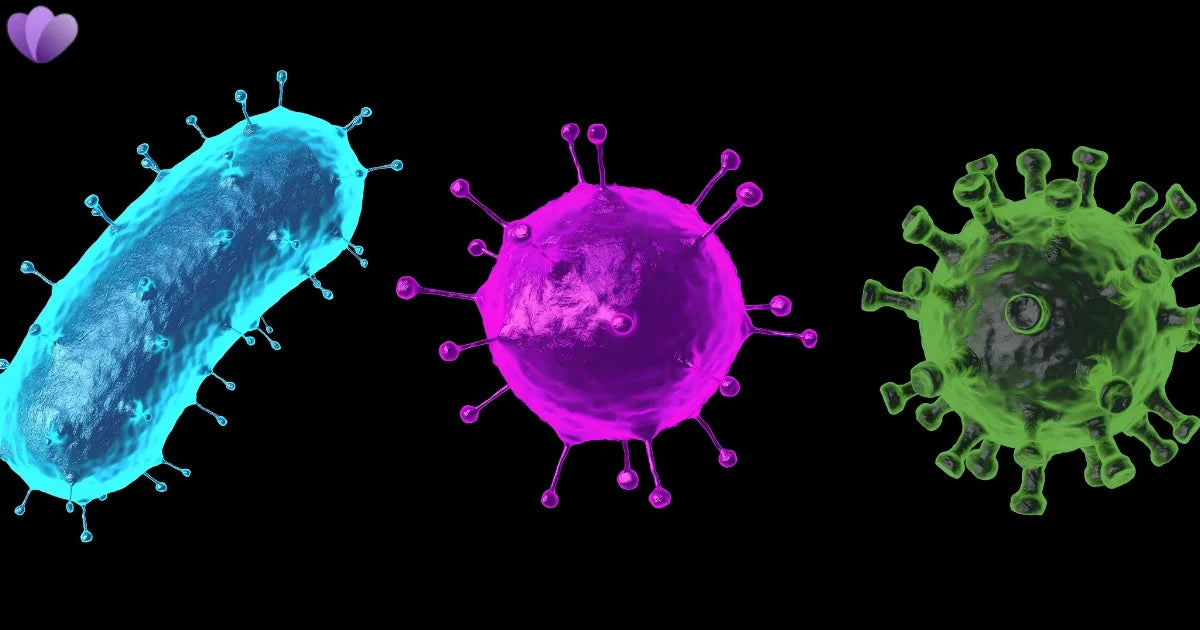
    Many people use words like “germ,” “infection,” and “bug” to describe anything that makes them feel unwell. However, parasites, bacteria, and viruses are three very different types of biological agents with unique structures, survival methods, and ways of interacting with the human body.

    Understanding the differences between parasites, bacteria, and viruses can help you better understand how these organisms work, why they differ, and how they relate to overall digestive wellness.

    While some bacteria are naturally found inside the body and support normal functions, parasites and viruses interact with the body in very different ways. Learning these differences provides a clearer picture of gut health and the many factors that influence digestive balance.

    What Are Parasites?

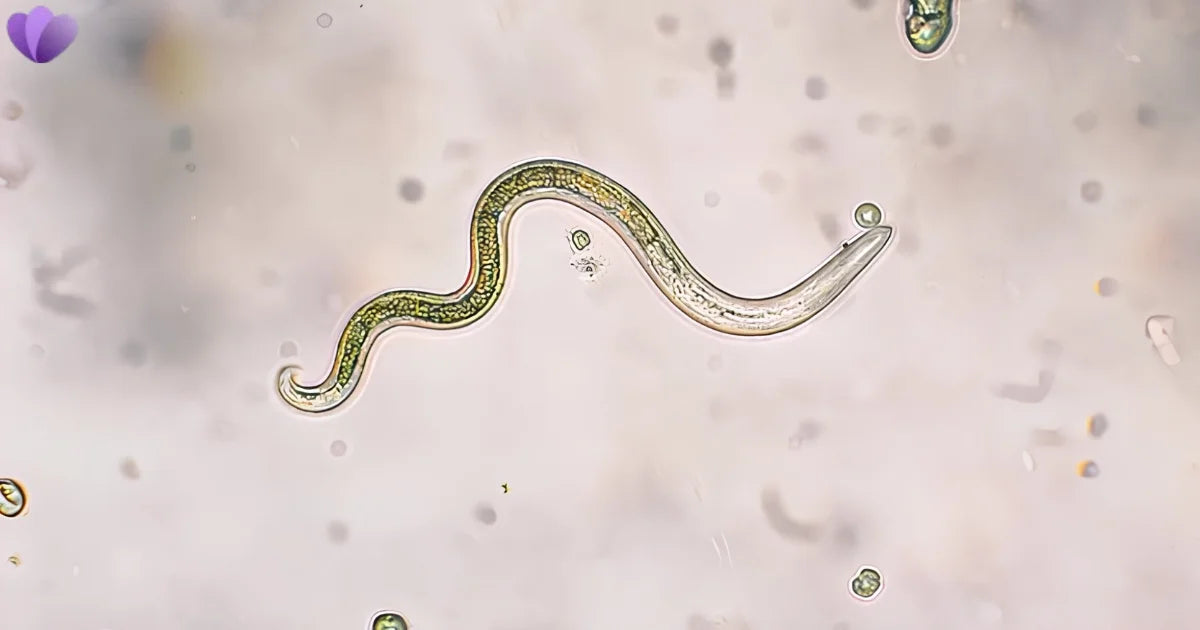
    A parasite is an organism that lives in or on another organism, known as a host, and depends on that host for survival, nutrients, or shelter. Parasitology is the scientific study of parasites and their interactions with hosts. 

    Unlike many bacteria that can survive independently, parasites have a closer relationship with their host and often have complex life cycles. 

    Parasitology classifies parasites by their relationship with a host organism and includes groups such as protozoa, helminths, and other parasitic organisms. 

    Their life cycles and host interactions distinguish them from bacteria and viruses. 

    The three main categories of parasites include:

    Protozoa

    Protozoa are microscopic, single-celled organisms that include several parasitic species. Some types can live in the digestive tract or other parts of the body. 

    Helminths (Worms)

    Helminths are larger, multicellular parasites that include:

    • Roundworms
    • Tapeworms
    • Flukes

    External Parasites

    These parasites live on the outside of the body and include organisms such as lice and ticks.

    Understanding how parasites are discussed in cleanse routines can provide more context for the different approaches people explore for digestive wellness. 

    What makes parasites unique is their dependence on a host environment. Their relationship with the host is the main factor that separates them from bacteria and viruses.

    For a better understanding of how cleanse routines are commonly structured, you can also explore our guide on the Parasite Cleanse Timeline.

    What Are Bacteria?

    Bacteria are microscopic, single-celled organisms that exist almost everywhere, including soil, water, and the human body.

    Unlike parasites, bacteria generally do not require a host organism to survive. Many bacteria can live independently in different environments.

    Inside the human body, bacteria can have different roles.

    Beneficial Bacteria

    Many bacteria are naturally present in the digestive system and form part of the gut microbiome.

    These bacteria help maintain normal digestive processes and support a balanced internal environment.

    Harmful Bacteria

    Some bacteria can become problematic when they multiply excessively or enter areas of the body where they do not normally belong.

    This is why bacteria cannot simply be classified as “good” or “bad.” Their impact depends on the type of bacteria and the environment they live in.

    What Are Viruses?

    What Are Viruses?

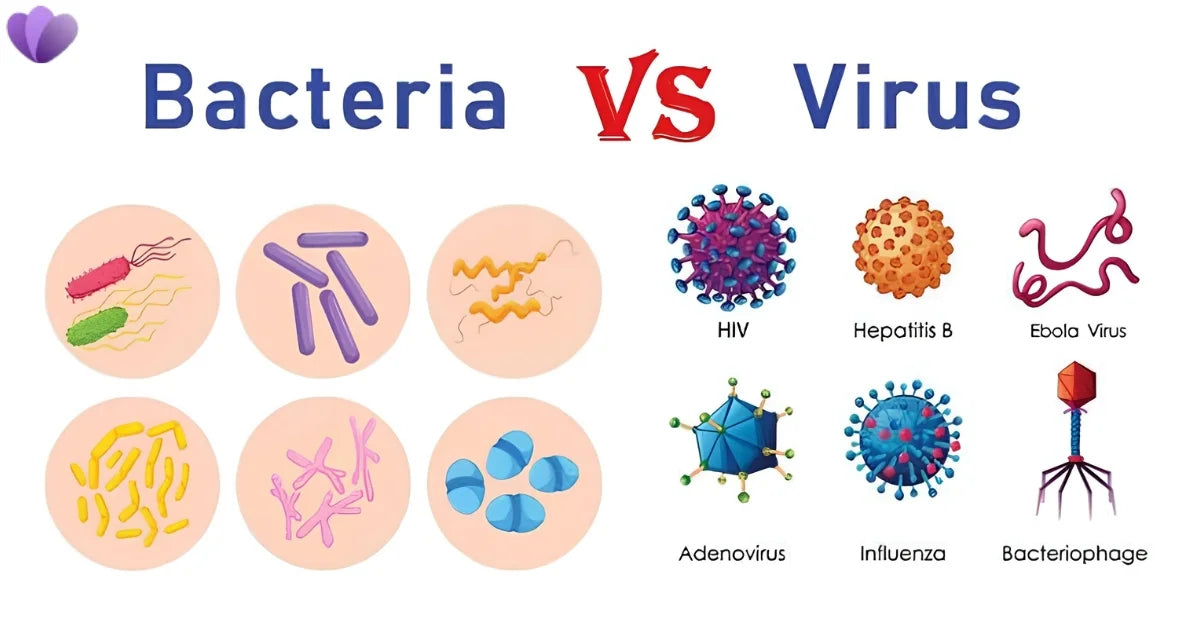
    Viruses are different from both parasites and bacteria.

    They are much smaller structures made up of genetic material (DNA or RNA) surrounded by a protective protein covering.

    Unlike bacteria, viruses cannot reproduce on their own. They need to enter a living host cell to make copies of themselves.

    This difference explains why antibiotics do not work against viruses. Antibiotics target certain features of bacterial cells, but viruses lack those structures.

    Bacteria and viruses differ in their structure, reproduction methods, and how they interact with the human body. These differences explain why antibiotics are effective against bacteria but not viral infections.  

    Parasites vs Bacteria vs Viruses: Key Differences

    Understanding the difference between parasites, bacteria, and viruses is easier when you compare their basic characteristics.

    Feature

    Parasites

    Bacteria

    Viruses

    Structure

    Complex organisms that may be single-celled or multicellular

    Single-cell organisms

    Genetic material inside a protein coat

    Size

    Usually larger and more complex

    Microscopic

    Generally smaller than bacteria

    Survival

    Often depend on a host for nutrients or shelter

    Can often survive independently

    Require host cells to reproduce

    Examples

    Protozoa, tapeworms, roundworms

    Gut bacteria, E. coli, Streptococcus

    Influenza, rhinovirus, rotavirus

    The main difference is:

    • Parasites are defined by their relationship with a host.
    • Bacteria are independent microorganisms that can be beneficial or harmful.
    • Viruses depend on host cells to replicate.

    Are Parasites, Bacteria, and Viruses the Same?

    No. Parasites, bacteria, and viruses are completely different categories.

    Are Parasites Bacteria?

    No.

    Parasites and bacteria are different. Parasites are defined by their host relationship, while bacteria are single-celled microorganisms.

    Are Viruses Parasites?

    Viruses and parasites both depend on hosts in some way, but they are not the same.

    Viruses require host cells to reproduce, while parasites are living organisms with their own biological structures and life cycles.

    Parasite Infection vs Bacterial Infection: What Is the Difference?

    A common question people searchfor  is:

    “What is the difference between a parasite infection and a bacterial infection?”

    The main difference is the type of organism involved.

    A parasite infection involves organisms that live on or inside a host and depend on that environment.

    A bacterial infection involves bacteria that may multiply inside the body and interact with tissues differently.

    Both parasites and bacteria can affect the body in different ways, which is why understanding the specific organism involved matters.

    How Parasites, Bacteria and Viruses Relate to Gut Health

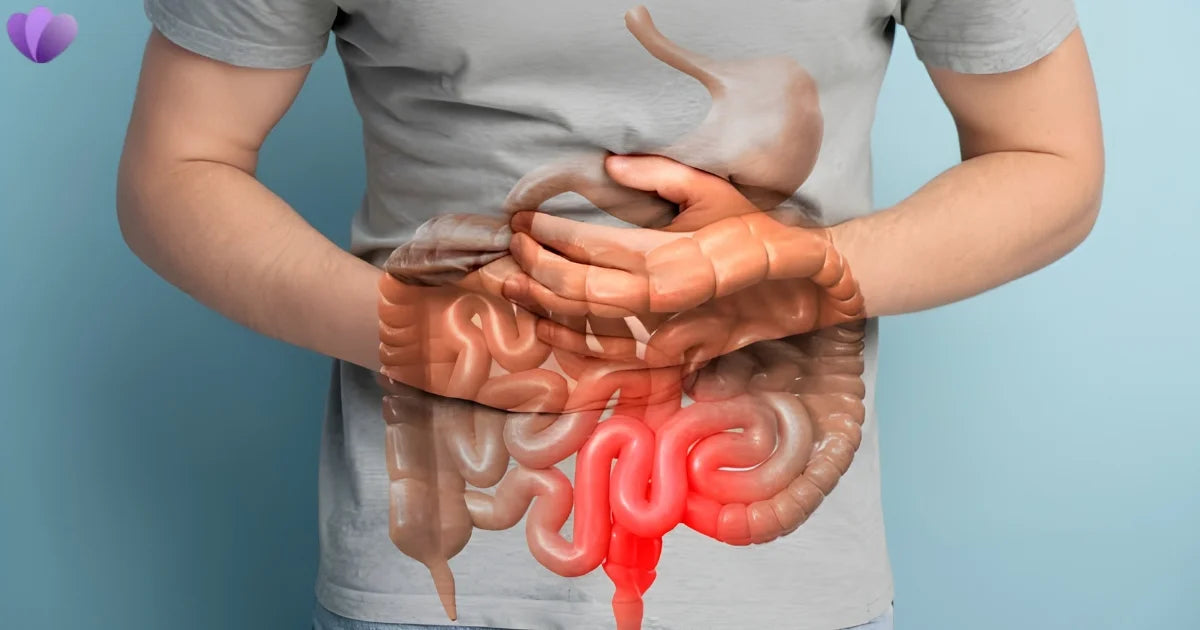
    The digestive system contains a complex ecosystem known as the gut microbiome.

    This environment contains trillions of microorganisms, including many types of bacteria that are naturally associated with normal digestive function.

    The relationship between gut bacteria and gut health is different from the relationship between parasites and the body.

    While many bacteria are part of the normal microbiome, parasites are classified differently because of their host-dependent lifestyle.

    Understanding the difference between gut parasites and gut bacteria helps people avoid confusing all microorganisms.

    Many factors, including nutrition, lifestyle habits, and daily routines, influence digestive wellness.

    For people exploring structured wellness routines, a clear schedule can make it easier to see how the steps fit together. The Paragon Cleanse Protocol Schedule explains how to organize a structured routine alongside daily wellness habits. 

    Common Misunderstandings About Parasites and Microorganisms

    Are All Bacteria Harmful?

    No.

    Many bacteria are harmless, and some bacteria play important roles in the human body.

    Are Parasites the Same as Viruses?

    No.

    Parasites are living organisms that depend on a host, while viruses are genetic particles that need host cells to reproduce.

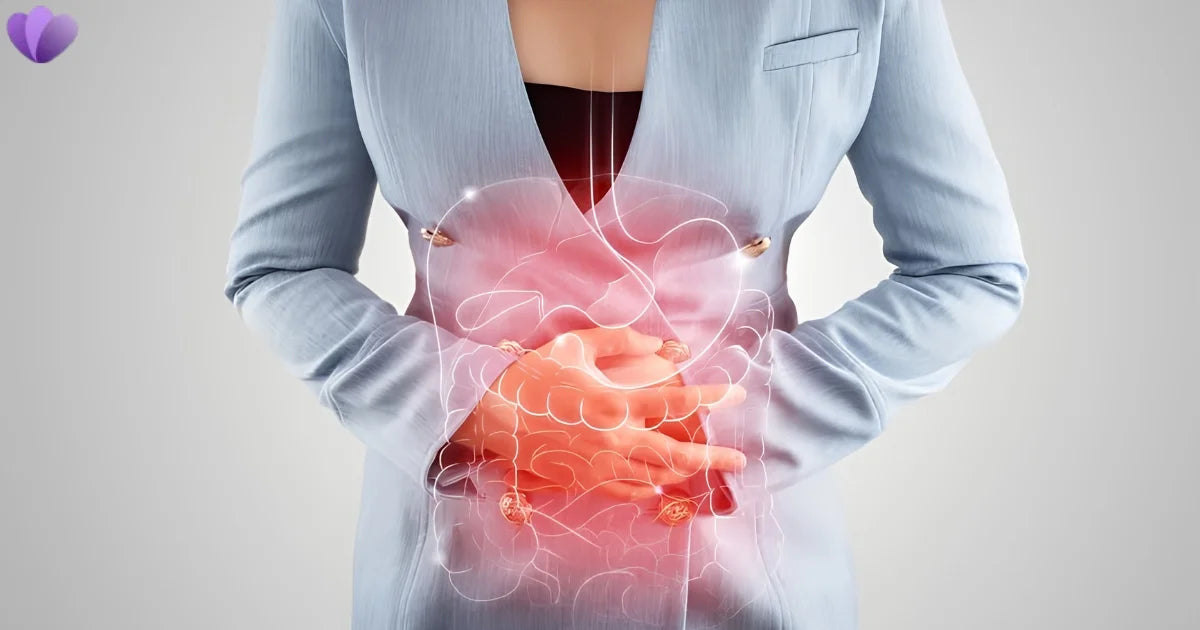
    Does Every Digestive Problem Mean Parasites?

    No.

    Digestive discomfort can happen for many different reasons, including diet, lifestyle factors, stress, and changes in gut balance.

    Don’t assume one cause without proper evaluation.

    Supporting Digestive Wellness

    Supporting Digestive Wellness

    Because the digestive system includes a complex mix of microorganisms and biological processes, many people focus on supporting overall digestive wellness through healthy habits and structured routines.

    Some people explore nutritional approaches and supplements as part of their wellness journey, including products such as Paragon Cleanse, which supports a structured cleanse routine.

    Frequently Asked Questions

    Are parasites bacteria or viruses?

    No. Parasites are different from bacteria and viruses. They are classified based on their relationship with a host organism.

    What is the main difference between bacteria and viruses?

    Bacteria are single-celled organisms that can often survive independently, while viruses require host cells to reproduce.

    Can parasites affect digestive health?

    Parasites interact with the digestive system differently from normal gut bacteria because they depend on a host.

    Are all bacteria harmful?

    No. Many bacteria are harmless, and some are naturally present in the human digestive system.

    How are parasites different from bacterial infections?

    Parasites and bacteria are different types of organisms. Parasites depend on a host relationship, while bacteria are single-celled microorganisms that may live independently.

    Disclaimer: This article is for educational purposes only and is not intended to diagnose, treat, cure, or prevent any disease or medical condition. Always consult a qualified healthcare professional for health concerns.

  • Parasite Life Cycle Explained: How Parasites Grow, Reproduce, and Spread

    Parasite Life Cycle Explained: How Parasites Grow, Reproduce, and Spread

    Parasites depend on another living organism, known as a host, to survive, develop, and reproduce. However, not every parasite follows the same path from one stage to another. Some parasites complete their entire development inside a single host, while others require multiple hosts or environments before reaching maturity.

    This process is known as the parasite life cycle, which explains how parasites develop, reproduce, and spread between hosts. Understanding the different stages of a parasite life cycle can provide insight into how transmission occurs through food, water, animals, insects, or other environmental sources.

    Learning about parasite biology is part of a broader understanding of digestive wellness, lifestyle factors, and overall health.

    What Is a Parasite Life Cycle?

    A parasite life cycle is the complete sequence of stages a parasite goes through during development. It describes how a parasite begins, grows, reaches maturity, reproduces, and continues its cycle by moving to another host.

    Parasite life cycles differ by type and by how they move between hosts. Different parasites may involve specific stages of development, transmission methods, and host interactions, with variations seen across different parasite life cycles. 

    A parasite life cycle usually involves several important processes:

    • Development from one stage to another
    • Survival inside or outside a host
    • Reproduction
    • Transmission between hosts

    Parasite life cycles vary greatly by species. Some parasites have simple life cycles that require only one host, while others have complex life cycles involving multiple hosts, animals, insects, or environmental stages.

    Direct and Indirect Parasite Life Cycles

    Some parasites require multiple hosts to complete different parts of their development, while others follow a simpler life cycle within one host. These differences relate to parasite biology and classification, including life stages and host relationships. 

    Parasite life cycles are generally divided into two main categories.

    Direct (Simple) Life Cycle

    A direct life cycle means a parasite can complete its development within a single host species.

    The parasite may leave the host through eggs or other stages, survive briefly in the environment, and then infect another host of the same type.

    Example:

    Some intestinal parasites follow a direct cycle where eggs leave one person, enter the environment, and are later consumed by another person.

    Indirect (Complex) Life Cycle

    An indirect life cycle requires more than one host for the parasite to complete its development.

    Some parasites need an intermediate host before reaching their final host. Others depend on vectors, such as insects, to move between organisms.

    For example, some mosquito-borne parasites require both humans and mosquitoes during different stages of their development.

    Understanding the difference between direct and indirect life cycles helps explain why some parasites spread easily between people while others depend on specific environmental conditions.

    The Main Stages of a Parasite Life Cycle

    Although every parasite species is different, many follow several recognizable developmental stages.

    1. Egg Stage

    Many parasites begin their life cycle as eggs.

    Depending on the parasite type, eggs may leave the host through waste or other biological routes. Once outside the host, some parasite eggs can survive in soil, water, food, or on surfaces until they reach another host.

    The ability of parasite eggs to survive in different environments plays an important role in the parasite transmission cycle.

    2. Larval or Immature Stage

    After hatching, many parasites enter a larval or immature stage.

    During this phase, parasites continue to develop and may move through different environments or hosts, depending on the species.

    Some larvae develop inside a host, while others spend part of their lifecycle in soil, water, animals, or intermediate hosts before infecting another host.

    3. Adult Stage

    The adult stage is when many parasites reach maturity.

    At this point, some parasites can reproduce, producing eggs or new generations that continue the lifecycle.

    The location and behavior of adult parasites can vary significantly by species and host type.

    How Do Parasites Spread From One Host to Another?

    The way parasites spread depends on their lifecycle and environmental requirements. Common transmission routes include food, water, animals, and insects.

    Food Transmission

    Some parasite stages may be present in contaminated food or undercooked foods.

    When consumed, these stages may continue developing inside a suitable host.

    Water Transmission

    Certain parasites can survive in contaminated water sources.

    Exposure to unsafe water can allow some parasites to enter a new host.

    Animal and Vector Transmission

    Some parasites require another organism to complete part of their lifecycle.

    Vectors, such as insects, can carry parasites between hosts.

    Mosquito-borne parasites are one example in which different developmental stages occur in both humans and mosquitoes.

    Do All Parasites Have the Same Life Cycle?

    No. Different parasite groups follow different developmental patterns.

    The parasite life cycle in humans depends on the specific parasite species and how it interacts with the host.

    Protozoa

    Protozoa are single-celled organisms that may multiply inside a host.

    Their life cycle can include different forms that help them survive, reproduce, and spread.

    Helminths (Parasitic Worms)

    Helminths are commonly known as parasitic worms.

    Many follow stages that include:

    However, the exact process differs by parasite species.

    Parasites With Multiple Hosts

    Some parasites require more than one host to complete their development.

    One organism may support an early developmental stage, while another host allows the parasite to reach maturity and reproduce.

    Examples of Human Parasite Life Cycles

    Different parasites follow different development patterns, and understanding their characteristics can help explain how they survive, spread, and interact with their hosts. Learning about common parasites in humans provides context for different parasite types and their unique life cycles. 

    Examples can make parasite development easier to understand.

    Pinworms

    Pinworms follow a relatively direct life cycle.

    A simplified process:

    Eggs → ingestion → intestinal development → adult worms → new eggs

    The cycle continues when new eggs reach another suitable host.

    Tapeworms

    Tapeworm life cycles can involve multiple stages and sometimes intermediate hosts before reaching humans.

    Different tapeworm species may use different animals at different developmental stages.

    Mosquito-Borne Parasites

    Some parasites use insects in their life cycle.

    For example, malaria parasites move between mosquitoes and humans, with different developmental stages occurring in each host.

    How Long Does a Parasite Life Cycle Take?

    No universal timeline exists for a parasite life cycle.

    The duration depends on several factors, including:

    • Parasite species
    • Environmental conditions
    • Host factors
    • Transmission method
    • Development stage

    Some parasite life cycles progress quickly, while others take longer, especially when multiple hosts are involved.

    Because every parasite has different biological characteristics, lifecycle timelines should be understood on a species-by-species basis.

    Why Understanding Parasite Life Cycles Matters

    Understanding how parasites develop and spread can help people learn more about transmission patterns and prevention awareness.

    Knowledge of parasite life cycles can support:

    • Better hygiene practices
    • Food safety awareness
    • Understanding possible exposure routes
    • Recognizing when professional guidance may be appropriate

    Learning how parasites move through different stages also helps separate scientific information from common misconceptions about parasites and digestive health.

    Parasite Life Cycles and Digestive Wellness

    Many people researching digestive wellness explore topics such as gut health, nutrition, lifestyle habits, and parasite biology.

    Many factors influence the digestive system, including nutrition, lifestyle habits, and the balance of microorganisms in the gut. Exploring how these factors interact can improve understanding of parasites, gut imbalance, and their relationship to digestive wellness. 

    Paragon Cleanse provides digestive wellness products designed to support daily wellness routines, while understanding how parasites develop and spread can help readers approach health-related topics with better awareness and context.

    Understanding parasite biology is one piece of a larger conversation about maintaining healthy routines and making informed wellness decisions.

    Frequently Asked Questions

    What are the main stages of a parasite life cycle?

    Common parasite life cycle stages include eggs, larvae or immature forms, and adult stages. However, the exact sequence depends on the parasite species.

    How do parasites reproduce?

    Parasite reproduction varies by species. Some reproduce sexually, while others reproduce through different biological processes depending on their lifecycle.

    How do parasites spread between hosts?

    Parasites can spread through different routes, including food, water, animals, insects, and environmental exposure. Transmission depends on the specific parasite lifecycle.

    Can all parasites spread from person to person?

    No. Some parasites can spread directly between people, while others require environmental conditions, animals, or insect vectors to complete their life cycle.

    Do all parasites need multiple hosts?

    No. Some parasites complete their life cycle within one host, while others require multiple hosts or intermediate organisms.

    Why do parasites have different life cycles?

    Different parasite species have evolved different survival strategies. Their life cycle depends on how they reproduce, where they live, and how they move between hosts.

    Disclaimer: This article is for educational purposes only and is not intended to diagnose, treat, cure, or prevent any health condition. Always consult a qualified healthcare professional for personal health concerns.

  • Gut-Brain Axis Explained: How Your Gut Microbiome Influences Mood and Mental Wellness

    Gut-Brain Axis Explained: How Your Gut Microbiome Influences Mood and Mental Wellness

    Most people think of the gut as simply the place where digestion happens. However, the digestive system and the brain constantly communicate through a complex connection known as the gut-brain axis.

    This relationship goes beyond digestion. The gut and brain exchange signals through the nervous system, immune pathways, chemical messengers, and activity from microorganisms living inside the digestive tract.

    At the center of this connection is the gut microbiome, a diverse community of microorganisms that plays an important role in maintaining digestive balance. Researchers are increasingly studying how the interaction between the gut microbiome and the brain may influence stress response, mood regulation, and overall mental wellness.

    Understanding the gut-brain connection helps explain why digestive health and mental wellness are often discussed together and why supporting a balanced lifestyle can benefit overall wellbeing.

    What Is the Gut-Brain Axis?

    The gut-brain axis is the communication network that connects the digestive system with the central nervous system. 

    It is not a single pathway. Instead, it involves multiple systems working together, including:

    • Nervous system communication
    • Immune system activity
    • Hormonal signals
    • Microbial metabolites

    This connection works in both directions. Signals can travel from the brain to the gut and from the gut back to the brain.

    For example, stress can influence digestive activity, while signals from the digestive system can also communicate information to the brain.

    Because the digestive tract contains its own extensive network of neurons, scientists sometimes describe the gut as the “second brain.” This does not mean the gut thinks independently, but it highlights the complexity of communication between digestion and the nervous system.

    How Does the Gut Communicate With the Brain?

    The gut and brain communicate through several important pathways.

    1. The Nervous System Pathway

    One of the most important connections involves the vagus nerve.

    The vagus nerve acts as a communication pathway between the digestive system and the brain, allowing signals to travel in both directions.

    This pathway helps regulate digestive functions and sends information about the gut’s internal environment to the brain.

    2. The Immune System Pathway

    The digestive system plays an important role in immune activity.

    The gut contains many immune cells, and researchers are studying how immune signals from the digestive environment may influence communication with the nervous system.

    Changes in gut conditions may affect inflammatory pathways, which are an important area of research in understanding the gut-brain relationship.

    3. The Microbial Pathway

    The gut microbiome produces different compounds as microorganisms interact with nutrients.

    These microbial products are being studied for their possible influence on:

    • Brain communication
    • Nervous system activity
    • Stress responses

    The interaction between gut microorganisms and the nervous system is one of the fastest-growing areas of microbiome research.

    The Role of Gut Microbiome in Mental Wellness

    The human digestive tract contains trillions of microorganisms that together form the gut microbiome. Understanding the relationship between digestive balance and microbiome health is also important when exploring topics such as parasite cleanse and gut health. 

    These microorganisms support digestion, nutrient processing, and communication pathways that connect the gut with other body systems, including microbiota-brain communication. Maintaining a balanced gut environment is an important part of digestive wellness and overall health. 

    The gut microbiome includes diverse microorganisms that interact with the body through various biological processes. 

    Research exploring the relationship between the gut microbiome and mental health focuses on how microorganisms may interact with:

    • Chemical messengers
    • Immune pathways
    • Neural communication

    Scientists are still studying the exact mechanisms, but current research suggests that gut bacteria and brain communication are closely connected areas of investigation.

    Can Gut Health Affect Mood and Stress Response?

    Many people notice digestive changes during stressful situations. This highlights the close relationship between stress and digestive function.

    The gut-brain connection suggests that digestive health and emotional wellbeing may influence each other through different biological pathways.

    Researchers are exploring how factors such as:

    • Gut microbiome composition
    • Lifestyle habits
    • Nutrition
    • Stress levels

    may influence the relationship between gut health and stress response.

    However, this field is still developing, and researchers continue to investigate the exact mechanisms behind these connections.

    Factors That Influence the Gut-Brain Connection

    Several everyday habits can support a healthy gut environment and overall digestive wellness.

    Balanced Nutrition

    Diet plays an important role in maintaining microbiome diversity. Foods commonly associated with digestive wellness include fiber-rich foods, fruits, vegetables, whole grains, plant-based foods, and fermented foods. 

    Quality Sleep

    Sleep is an important part of maintaining overall health.

    Consistent sleep habits support normal body functions and may help maintain digestive balance.

    Managing Daily Stress

    Stress management can support the gut-brain connection.

    Healthy approaches may include:

    • Mindfulness practices
    • Relaxation techniques
    • Regular movement
    • Taking breaks during the day

    Physical Activity

    Regular physical activity supports overall wellness and may positively influence lifestyle factors connected with digestive health.

    Why a Balanced Gut Microbiome Matters

    A balanced gut microbiome is often associated with microbial diversity.

    Microbial diversitmeansto having different types of microorganisms livininin the digestive system.

    Factors that influence microbiome balance include:

    • Diet
    • Lifestyle
    • Sleep patterns
    • Environmental factors

    Maintaining gut microbiome health isn’t about a single action. Long-term consistency with healthy habits plays an important role in supporting digestive wellness, including learning about supportive practices such as probiotics after a parasite cleanse. 

    Gut Health and Digestive Wellness Practices

    Supporting digestive health starts with simple daily habits.

    Some important practices include:

    • Staying hydrated
    • Eating balanced meals
    • Maintaining regular routines
    • Paying attention to digestive responses
    • Supporting healthy lifestyle patterns

    Everyone’s digestive system is different, so understanding individual needs is key to building sustainable wellness habits.

    Supporting Digestive Wellness With a Structured Routine

    A healthy approach to digestive wellness includes balanced nutrition, hydration, rest, and consistent lifestyle habits.

    Structured digestive wellness routines, including products such as Paragone Cleanse, may complement these everyday practices by supporting individuals who are focused on maintaining their digestive wellness routine.

    Frequently Asked Questions

    What is the gut-brain axis?

    The gut-brain axis is a two-way communication system between the digestive system and the brain involving nervous signals, immune activity, chemical messengers, and gut microorganisms.

    How does gut health affect mental health?

    Research suggests that gut health and mental wellness are connected through communication pathways involving the nervous system, immune responses, and gut microbiome activity.

    Can gut bacteria affect mood?

    Scientists are studying how gut bacteria and microbial compounds may influence communication pathways involved in brain function and emotional well-being.

    Why is the gut called the second brain?

    The term refers to the extensive network of neurons in the digestive system and its continuous communication with the brain.

    What affects gut microbiome health?

    Diet, sleep, stress levels, physical activity, and lifestyle habits can influence gut microbiome balance and diversity.

    Disclaimer: This article is for educational purposes only and is not intended to diagnose, treat, cure, or prevent any medical condition. Always consult a qualified healthcare professional for personalized advice. 

  • Can You Take Paragon Cleanse While Intermittent Fasting? Timing & Binder Spacing

    Can You Take Paragon Cleanse While Intermittent Fasting? Timing & Binder Spacing

    If you follow intermittent fasting, deciding when to take supplements can become surprisingly confusing. Should you take them during the fasting window, wait until your eating window, or organize them around meals and other products?

    For people using Paragon Cleanse, the answer depends on several factors, including the specific product formula, the type of fast you follow, your digestive tolerance, label instructions, medications, and whether an activated charcoal binder is also part of your routine.

    Whether you are researching Paragon Cleanse supplements, a Paragon parasite cleanse, or trying to organize your existing supplement routine around a 16:8 fasting schedule, timing matters; however, no universal schedule works for everyone.

    This guide explains how Paragon Parasite Cleanse may fit into intermittent fasting, whether taking it may break a fast, how to approach empty-stomach use, and why binder spacing deserves separate attention.

    Quick Answer: Does Paragon Cleanse Break a Fast?

    Whether Paragon Cleanse breaks a fast depends mainly on the ingredients in the specific formulation and the type of fasting routine you follow.

    A strict water-only fast generally allows only water. If a supplement contains calories, sugars, oils, carbohydrates, caloric sweeteners, or other energy-containing ingredients, taking it may technically end a strict fast.

    With a more flexible time-restricted eating approach, such as 16:8 intermittent fasting, many people choose to take supplements during their eating window. This can make the routine easier to manage and may reduce stomach discomfort for supplements that aren’t well tolerated on an empty stomach.

    Before deciding when to take supplements, check:

    • The Supplement Facts panel
    • Serving size
    • Calorie content
    • Oils or fat-based ingredients
    • Sugars or carbohydrates
    • Directions for use
    • Instructions about taking the product with food
    • Warnings about medications or other supplements
    • If maintaining a strict fast is particularly important to you, check the product label rather than assuming every capsule or supplement is automatically compatible with fasting.

    What to Check Before Taking Paragon Cleanse Supplements While Fasting

    The formulation matters more than whether a product comes in capsule, powder, or tablet form.

    Before incorporating Parasite Cleanse supplements into an intermittent fasting routine, read the product label carefully.

    Pay particular attention to whether the directions recommend taking the supplement:

    • With food
    • Before meals
    • After meals
    • On an empty stomach
    • With a specific amount of water
    • At a different time from medications
    • Separately from binders or other supplements

    Following the manufacturer’s directions should generally take priority over forcing a supplement into a particular fasting window.

    If you are unsure about a specific ingredient or take prescription medication, ask an appropriate healthcare professional or pharmacist about possible interactions.

    Paragon Parasite Cleanse and Intermittent Fasting: What Should You Consider?

    People searching for Paragon parasite cleanse information may also want to know whether fasting changes how to take a cleanse supplement.

    Fasting does not automatically make a cleanse supplement more effective. Claims that taking a cleanse while fasting will make it “work faster,” “detox more,” or produce stronger results should not be assumed without reliable evidence.

    Instead, concentrate on practical considerations such as:

    • Following the product’s directions
    • Checking whether food is recommended
    • Monitoring digestive tolerance
    • Staying adequately hydrated
    • Keeping medications appropriately spaced
    • Separating activated charcoal or similar binders when necessary

    If by Paragon parasite cleanse you mean a specific Paragon Cleanse formulation, its label and ingredient list should be your main guide for how it fits your fasting routine.

    Do Supplements Break an Intermittent Fast?

    The phrase “breaking a fast” doesn’t mean the same thing in every fasting approach.

    Someone following a strict water-only fast may avoid everything except water during the fasting period. Someone following a 16:8 time-restricted eating schedule may primarily focus on keeping food and caloric intake within an eight-hour eating window.

    Religious, medical, metabolic, and weight-management fasting practices may also use different rules.

    Because of these differences, the question “Do supplements break a fast?” cannot always be answered with a simple yes or no.

    Important factors include:

    • Whether the supplement contains calories
    • Whether it contains oils, sugars, carbohydrates, or other caloric ingredients
    • Whether the fast is strict or flexible
    • The purpose of the fast
    • Whether the supplement should be taken with food
    • Individual digestive tolerance
    • Medication and supplement interactions

    Fasting rules can vary, especially with time-restricted eating, where eating and fasting periods are organized into specific daily time windows.

    If maintaining a strict fast matters to you, check the complete supplement label rather than assuming all capsules or tablets are automatically fasting-friendly.

    Should You Take Paragon Cleanse During the Fasting Window or Eating Window?

    There is no universal rule for taking Paragon Cleanse during intermittent fasting.

    For many people, the eating window can be more practical because supplements can be coordinated with meals and other parts of an established daily routine. Taking supplements with food may also be easier for people who experience nausea, reflux, stomach irritation, or digestive discomfort when taking capsules on an empty stomach.

    Taking Supplements During the Fasting Window

    Some people tolerate supplements without food and experience no noticeable digestive issues.

    However, taking supplements during a fasting window requires attention to:

    • Stomach sensitivity
    • Nausea
    • Reflux
    • Product ingredients
    • Calorie content
    • Label directions
    • Medication timing
    • Other supplements being taken

    Even if a supplement contains little or no energy, that does not automatically mean the fasting window is the best time to take it.

    Taking Supplements During the Eating Window

    The eating window may be more practical when:

    • The label recommends taking the product with meals
    • You experience discomfort on an empty stomach
    • You use several supplements
    • You want a simpler daily schedule
    • You prefer keeping your fasting window supplement-free
    • Your routine involves medications, vitamins, meals, and binders that need coordinated timing

    For many people, Paragon Cleanse timing during intermittent fasting is therefore more about consistency, tolerance, and following product instructions than finding one supposedly perfect time.

    Can You Take Paragon Cleanse on an Empty Stomach?

    Tolerance to supplements on an empty stomach varies considerably.

    Some people can take capsules without food without experiencing problems. Others may experience nausea, stomach irritation, reflux, or general digestive discomfort.

    Whether Paragon Cleanse should be taken on an empty stomach therefore depends on:

    • The specific formulation
    • Label directions
    • Individual tolerance
    • Other supplements being used
    • Medication requirements

    Taking a supplement during a fasting window does not automatically make it more effective.

    If the product label recommends taking it with food, follow those instructions over trying to maintain a supplement schedule during the fasting period.

    People with persistent digestive symptoms, chronic medical conditions, or regular medication use should consider seeking individualized guidance before combining multiple supplements with restrictive fasting practices.

    How Could a 16:8 Fasting Schedule Work With Paragon Cleanse?

    A common intermittent fasting approach is 16:8 fasting, where a person fasts for 16 hours and eats within an eight-hour window.

    For someone following a noon-to-8 PM eating window, an example organizational schedule might look like this:

    Time

    Example Routine

    8:00 AM

    Fasting window continues; water

    12:00 PM

    Eating window begins

    First meal

    Meal and appropriate supplements according to label directions

    Afternoon

    Food, fluids, and normal daily routine

    Evening

    Complete meals and appropriately timed supplements

    8:00 PM

    Eating window closes

    This is an organizational example rather than a specific Paragon Cleanse dosing schedule.

    Your actual routine should follow the instructions provided with your particular product.

    For a broader example of how cleanse-related timing can be organized throughout the day, see this guide to daily cleanse timing and routine.

    Where Does an Activated Charcoal Binder Fit?

    Don’t automatically treat an activated charcoal binder like an ordinary vitamin or mineral supplement.

    Activated charcoal works through adsorption in the gastrointestinal tract. Because it can bind substances present in the digestive system, its timing relative to medications, supplements, and other orally consumed products matters.

    This remains important whether you are fasting or eating.

    Taking activated charcoal during a fasting window does not eliminate the possibility of an interaction with something taken too close to it. Activated charcoal can reduce the absorption of certain medications and other orally taken products.

    If your Paragon Cleanse routine includes an activated charcoal binder:

    • Follow the binder’s label directions
    • Do not assume it can be taken alongside every other supplement
    • Pay careful attention to medication timing
    • Consider the timing of other oral supplements
    • Ask a healthcare professional or pharmacist about appropriate spacing if you take prescription medicines
    • Do not assume fasting prevents absorption-related interactions

    For additional information, see the guide on activated charcoal binder timing.

    Does Activated Charcoal Break a Fast?

    Whether activated charcoal fits within a fasting window depends partly on the type of fast and the product’s formulation.

    For someone following a strict water-only fast, they may exclude anything beyond permitted fasting intake, regardless of calorie content.

    With a more flexible time-restricted eating routine, the answer may depend more on the product’s formulation and the individual’s fasting goals.

    However, the more important practical consideration is often not whether activated charcoal technically breaks the fast, but when you take it relative to medications, Paragon Cleanse, and other supplements.

    Binder timing should therefore be planned separately from ordinary supplement timing.

    What About Coffee During the Fasting Window?

    Coffee is common during intermittent fasting, but the type of coffee matters.

    Plain black coffee is very different from coffee containing:

    • Sugar
    • Milk
    • Cream
    • Flavored syrups
    • Caloric creamers

    These additions introduce calories into the fasting period.

    Caffeine may also increase stomach sensitivity in some people, particularly when consumed without food. If you already experience nausea, reflux, shakiness, or stomach irritation while fasting, combining strong coffee with multiple supplements on an empty stomach may make your routine more difficult to tolerate.

    Water intake remains important whether or not you include coffee during your fasting window.

    Coffee should also not be viewed as something that increases the effectiveness of Paragon Cleanse or an activated charcoal binder.

    What About Vitamins and Other Supplements During Fasting?

    People following intermittent fasting may use several products in addition to Paragon Cleanse supplements or a binder.

    These may include:

    • Multivitamins
    • Minerals
    • Probiotics
    • Fiber supplements
    • Herbal supplements
    • Prescription medications

    Each product should be considered separately.

    Some vitamins and nutrients may be better tolerated when taken with meals, while other products may have specific timing instructions. Fiber supplements and binders may require additional spacing considerations.

    Instead of taking every supplement together simply because the eating window has started, organize the routine around:

    1. Meals
    2. Supplements that should be taken with food
    3. Products that need to be spaced apart
    4. Prescription medication requirements
    5. Binder timing
    6. Personal digestive tolerance

    This keeps supplement timing during intermittent fasting practical without making the routine unnecessarily complicated.

    Common Mistakes When Combining Paragon Cleanse With Intermittent Fasting

    A few simple mistakes can make a fasting and supplement routine unnecessarily difficult.

    Assuming Every Capsule Is Fasting-Friendly

    Capsule form alone does not tell you whether a product contains calories or ingredients that conflict with your fasting approach. Check the label.

    Taking Every Supplement at the Same Time

    Different supplements can have different timing requirements. A binder, in particular, may need to be separated from medications and other oral products.

    Ignoring Empty-Stomach Symptoms

    Don’t automatically ignore nausea, reflux, or stomach discomfort just because you want to keep supplements inside the fasting window.

    Assuming Fasting Makes a Cleanse More Effective

    There is no reason to assume that taking Paragon Cleanse during a fasting period automatically improves its effectiveness.

    Ignoring Prescription Medication Timing

    Medication instructions and potential interactions should take priority over a preferred fasting or supplement schedule.

    What If You Search for “Paragone Cleanse”?

    Some people may reach information about this product after searching for Paragone Cleanse.

    If you mean Paragon Cleanse, use the exact product name and label when checking ingredients, directions, warnings, and timing instructions. This is especially important when comparing supplement information online because similarly named products may not necessarily have the same formulation.

    When Should You Be More Cautious?

    Intermittent fasting isn’t suitable for everyone, and combining fasting with several supplements may require extra care.

    Speak with an appropriate healthcare professional before making significant changes if you:

    • Take prescription medications
    • Have diabetes or another condition affecting blood sugar
    • Have a chronic gastrointestinal condition
    • Are pregnant or breastfeeding
    • Have a history of an eating disorder
    • Regularly experience dizziness or weakness while fasting
    • Are considering prolonged or highly restrictive fasting
    • Have significant or unexplained digestive symptoms

    Do not automatically attribute persistent symptoms to fasting, supplements, or a cleanse routine without appropriate evaluation.

    Quick Takeaway

    You can potentially incorporate Paragon Cleanse into an intermittent fasting routine, but no single schedule works for everyone.

    Whether it technically breaks a fast depends on the specific product’s ingredients and the fasting method you follow. For many people, the eating window makes it easier to take supplements, especially when products cause stomach discomfort without food.

    If your routine also includes activated charcoal, binder timing needs separate attention because activated charcoal may interfere with the absorption of medications and other oral supplements.

    When organizing Paragon Cleanse supplements around intermittent fasting, use the product label, your fasting goals, digestive tolerance, medication requirements, and appropriate professional advice as your main guides.

    FAQs 

    Does Paragon Cleanse break an intermittent fast?

    It depends on the ingredients in the specific Paragon Cleanse formulation and how strictly you define your fasting period. Check the Supplement Facts panel for calories, sugars, oils, carbohydrates, and other ingredients that may not fit your fasting approach.

    Can I take Paragon Cleanse during my fasting window?

    Some people may choose to, but the product label and individual tolerance should guide the decision. If the supplement needs to be taken with food or causes nausea or digestive discomfort on an empty stomach, taking it during your eating window may be more practical.

    When should I take Cleanse supplements while intermittent fasting?

    There is no universal time that applies to every user. Follow the specific product directions and organize your schedule around meals, medications, binders, and digestive tolerance.

    Can Parasite Cleanse supplements be taken on an empty stomach?

    That depends on the specific formulation, label directions, and how well you tolerate the supplement. If taking it without food causes nausea, reflux, or stomach irritation, follow the product instructions and consider taking it during your eating window.

    Is Paragon parasite cleanse better during fasting?

    Fasting should not automatically be assumed to make a Paragon parasite cleanse, or any other cleanse supplement,t more effective. Product directions, ingredients, individual tolerance, and medication considerations matter more than taking the supplement specifically during a fasting period.

    Is Paragone Cleanse different from Paragon Cleanse?

    “Paragone Cleanse” may be used as a search variation or misspelling when people are looking for Paragon Cleanse. Always confirm the exact product name and label before following supplement instructions because similarly named products can have different formulations.

    Does taking supplements break a 16:8 fast?

    It depends on what the supplement contains and how strictly you define your fasting window. Supplements containing calories, sugars, oils, or other caloric ingredients may not fit a strict fast. Different time-restricted eating approaches may follow different rules.

    Is it better to take supplements during the eating window?

    Not always, but the eating window can be more convenient. It lets you organize supplements around meals and may improve stomach tolerance for people who feel discomfort when taking supplements without food.

    Can activated charcoal be taken while fasting?

    It may fit certain fasting approaches, depending on the formulation and the fasting rules you follow. However, fasting doesn’t eliminate activated charcoal’s potential to interfere with medications and other supplements, so proper spacing still matters.

    Can I take a binder at the same time as Paragon Cleanse?

    Don’t take activated charcoal at the same time as other oral supplements, as it may affect their absorption. Follow the binder and supplement directions and seek individual advice from a healthcare professional or pharmacist if you take prescription medication.

    Should supplements be taken during the fasting window or eating window?

    There is no single rule for all supplements. The eating window may be easier for products that require food or cause stomach discomfort, while other supplements may have different instructions. Check each product individually rather than applying the same timing rule to everything.

    Disclaimer: This article is for general informational purposes only and is not a substitute for personalized medical advice. Always review product directions and seek appropriate professional guidance if you use prescription medication or have a medical condition.

  • 10 Everyday Gut Signals People Often Misread as Signs You Need a Parasite Cleanse

    10 Everyday Gut Signals People Often Misread as Signs You Need a Parasite Cleanse

    When your digestion suddenly feels different, it is natural to start looking for explanations. Maybe certain meals leave you uncomfortable, your routine has changed, or your energy doesn’t feel quite the same.

    This is often when people search online for signs you need a parasite cleanse.

    However, body signals are rarely that simple. Digestive wellness can be influenced by what you eat, how regularly you eat, hydration, sleep, stress, travel, and changes in your daily routine.

    Instead of treating one symptom as proof of a specific problem, it can be more useful to look at the overall pattern.

    Here are 10 everyday signals that often lead people to consider parasite cleanses and gut-support routines.

    1. Your Digestion Feels Different From Your Normal Pattern

    One of the most useful things to notice is not whether your digestion is “perfect,” but whether it has changed from what is normal for you.

    You might notice that:

    • Meals feel heavier than usual
    • Your digestion seems slower or less predictable
    • Certain foods suddenly feel more difficult to tolerate
    • Your usual digestive routine has changed

    An occasional change may simply reflect something different in your diet or schedule.

    If the pattern continues, tracking when it happens can give you a clearer picture of what may be affecting your digestive wellness.

    2. Certain Meals Consistently Leave You Feeling Uncomfortable

    Some people begin researching parasite cleanse symptoms because they repeatedly feel uncomfortable after eating.

    Instead of focusing only on the symptom, pay attention to the pattern around it.

    Ask yourself:

    • Does it happen after large meals?
    • Does it happen after eating quickly?
    • Is it connected with certain foods?
    • Does it happen more often when your routine changes?

    Looking at meal patterns can often provide more useful information than focusing on a single digestive sensation.

    3. Your Eating Schedule Has Become Irregular

    Digestive wellness is closely connected with everyday routines.

    Skipping meals, eating very late, frequently changing meal times, or suddenly changing your diet can make your digestive system feel different.

    This can happen during:

    • Busy work periods
    • Travel
    • Changes in sleep schedules
    • Diet changes
    • Holidays
    • Stressful periods

    Before assuming a digestive change is a sign you need a parasite cleanse, consider whether your normal eating routine has recently changed.

    4. You Are Not Drinking as Much Water as Usual

    Hydration is easy to overlook when people think about gut health.

    Busy schedules, travel, hot weather, changes in exercise, or simply forgetting to drink enough water can affect how you feel throughout the day.

    A useful wellness check is to look at whether your normal hydration habits have changed recently.

    Building a consistent hydration routine can be a simple way to support digestive wellness.

    5. Your Diet Has Changed Significantly

    A sudden change in food choices may also change how your digestive system feels.

    For example, you may have recently:

    • Increased or reduced fiber
    • Started eating more takeaway food
    • Changed your meal portions
    • Tried unfamiliar foods
    • Changed your usual diet
    • Started a new wellness routine

    These changes can sometimes happen around the same time people start searching for how to know if they have parasites.

    Reviewing recent dietary changes may help you spot patterns that deserve closer attention.

    6. Stress Seems to Affect Your Digestive Routine

    Stress can influence many parts of everyday wellness, including eating habits, sleep quality, energy, and digestion.

    Some people notice that their digestive routine feels different during:

    • Work deadlines
    • Exams
    • Major lifestyle changes
    • Travel
    • Family stress
    • Poor sleep periods

    If digestive changes seem to appear during stressful periods and improve when your routine becomes more balanced, that pattern is worth noticing.

    Tracking stress alongside meals and digestive changes can help you understand your personal wellness patterns more clearly.

    7. Your Sleep Routine Has Been Disrupted

    Your Sleep Routine Has Been Disrupted

    Poor or inconsistent sleep can affect how you feel during the day.

    When sleep patterns change, people may notice changes in:

    • Energy
    • Appetite
    • Food choices
    • Daily routines
    • Overall sense of wellness

    Because these concerns sometimes appear alongside digestive changes, people may interpret them as parasite symptoms.

    Instead of viewing each concern separately, consider whether several changes began after your sleep schedule became less consistent.

    8. Your Routine Changed After Travel

    Travel can change almost every part of your normal routine.

    You may:

    • Eat different foods
    • Drink less water
    • Sleep at different times
    • Eat at unfamiliar restaurants
    • Spend long periods sitting
    • Change your usual meal schedule

    For this reason, people often become more aware of their digestion after traveling.

    If you notice persistent or concerning symptoms following travel, professional guidance may be appropriate. But when looking at everyday wellness changes, it is also useful to consider how dramatically travel may have changed your normal habits.

    9. You Keep Experiencing the Same Pattern

    A single uncomfortable day tells you much less than a repeated pattern.

    Instead of asking only:

    “Do I need a parasite cleanse?”

    try asking:

    • When does this happen?
    • What did I eat beforehand?
    • How was my sleep?
    • Was I under unusual stress?
    • Had my routine changed?
    • Has this happened before?

    A simple food and wellness diary can make repeated patterns easier to recognize.

    You do not need anything complicated. Recording meals, hydration, sleep, and how you feel for several days may help you better understand your routine.

    10. You Want to Improve Your Gut-Health Habits

    Not everyone searching for signs you need a parasite cleanse believes they have a health problem. Some people are simply looking for a more structured way to support their digestive wellness, especially when dealing with concerns related to digestive disease and overall gut health. During this type of wellness research, people may also come across brands such as Paragone Cleanse while exploring different gut-health routines.

    That may include paying greater attention to:

    • Balanced meals
    • Fiber-rich foods
    • Hydration
    • Regular eating habits
    • Sleep
    • Daily routines
    • How different foods make you feel

    In this situation, the most useful starting point may be improving everyday habits rather than focusing only on one wellness product or one possible explanation.

    A Better Way to Look at Gut Signals

    Your body rarely communicates through one isolated signal.

    Looking at combinations and patterns can provide a more complete picture.

    For example, instead of focusing only on feeling uncomfortable after a meal, consider what else was happening that day:

    • Was the meal larger than normal?
    • Did you eat unusually quickly?
    • Had you been drinking enough water?
    • Were you stressed?
    • Had you slept poorly?
    • Was the food different from what you usually eat?

    This type of context can help you approach digestive wellness more thoughtfully.

    Keep a Simple Gut-Wellness Journal

    If you regularly notice digestive changes, consider recording a few basic details each day.

    You could track:

    Meals: What and when you ate.

    Hydration: Whether your water intake was normal.

    Sleep: How consistently you slept.

    Routine: Travel, unusual schedules, or other changes.

    Digestive comfort: Whether your digestion felt normal or different.

    Energy: Whether you noticed meaningful changes during the day.

    After several days, patterns may become easier to recognize.

    Focus on Patterns, Not Internet Checklists

    Online symptom lists can make almost any everyday concern seem connected with a specific condition.

    Bloating, changes in energy, appetite changes, sleep disruption, and digestive discomfort can occur for many different reasons.

    That is why you shouldn’t treat a checklist alone as confirmation that parasites are responsible.

    A more balanced approach is to pay attention to:

    Frequency: How often does the issue occur?

    Duration: Is it temporary or continuing?

    Timing: Does it appear after certain meals or routine changes?

    Context: Did travel, diet, stress, hydration, or sleep change at the same time?

    Impact: Is it significantly affecting your normal daily activities?

    These details create a much more useful wellness picture.

    Supporting Your Everyday Digestive Routine

    Supporting Your Everyday Digestive Routine

    Basic lifestyle habits can form the foundation of a gut-health routine.

    Consider focusing on:

    • Regular, balanced meals
    • Adequate hydration
    • Fiber-containing foods
    • Consistent sleep
    • Gradual rather than extreme dietary changes
    • Paying attention to foods that repeatedly cause discomfort

    You can also explore our guide to parasite cleanse diet tips for additional ideas about food choices and wellness routines.

    When Everyday Tracking Is Not Enough

    Lifestyle tracking helps you understand normal patterns, but persistent, severe, worsening, or unexplained health changes shouldn’t be evaluated using an online checklist alone.

    If something feels significantly different from your usual health or starts interfering with daily life, speaking with a qualified healthcare professional can help you understand what may be happening.

    For a separate discussion of parasite infections, testing, cleanse effectiveness, safety concerns, and treatment considerations, see our detailed guide: Do You Need a Parasite Cleanse? Symptoms, Risks & Safer Options.

    Final Thoughts

    Searching for signs you need a parasite cleanse often starts with a simple observation: your body feels different from usual.

    Instead of immediately linking one symptom to one cause, look at the bigger picture.

    Your food choices, hydration, stress, sleep, travel, eating schedule, and other lifestyle changes can all influence how your digestive routine feels.

    Paying attention to patterns can help you understand your body more clearly and make more informed wellness decisions.

    Frequently Asked Questions

    Why do people search for signs they need a parasite cleanse?

    People often begin searching after noticing changes in digestion, eating patterns, energy, or overall wellness. These signals may encourage someone to look more closely at their gut-health routine, but they don’t identify a specific cause on their own.

    Should I track my digestive habits?

    Keeping a simple record of meals, hydration, sleep, routine changes, and digestive comfort can help you notice patterns you might otherwise miss.

    Can travel temporarily change my digestive routine?

    Travel can change eating schedules, food choices, hydration, sleep, activity, and daily routines. Looking at these changes together can provide useful context.

    What should I focus on when supporting gut wellness?

    Balanced nutrition, adequate hydration, consistent routines, fiber-containing foods, sleep, and paying attention to your individual food patterns are useful foundations for everyday digestive wellness.

    Disclaimer: This article is intended for general informational and wellness purposes only and is not a substitute for professional medical advice, diagnosis, or treatment. Speak with a qualified healthcare provider if you have persistent, severe, worsening, or concerning symptoms.

  • Best Time to Take Trace Mineral Drops: Morning, Night, or With Food?

    Best Time to Take Trace Mineral Drops: Morning, Night, or With Food?

    If you’ve recently added trace mineral drops to your routine, you may be wondering when to take them. Is morning better? Should you take them with breakfast, before bed, or on an empty stomach?

    The best time to take trace mineral drops usually depends on the specific formula, label directions, your stomach tolerance, and any other supplements or medications you take. No universal clock time works best for everyone.

    Here’s how to choose a timing routine that makes sense for you.

    What Is the Best Time to Take Trace Mineral Drops?

    No single hour of the day is best for taking trace minerals.

    For most people, the practical goal is to choose a time that:

    • Follows the product’s label directions
    • Fits easily into a daily routine
    • Does not cause stomach discomfort
    • Accounts for other supplements or medications

    Some mineral formulas are designed to be taken with meals, while others can be mixed into water and used at another convenient time.

    So rather than searching for a “perfect” hour, focus on consistent use and the directions for your specific product.

    Trace Minerals in the Morning: Is It Better?

    Taking trace mineral drops in the morning can be convenient because it is easy to pair them with habits you already follow.

    For example, you might take them:

    • With breakfast
    • In your morning glass of water
    • Alongside another established morning routine

    The main advantage of morning use is consistency.

    However, trace mineral drops are not stimulants, so taking them early in the day does not automatically provide an immediate energy boost. There is also no general rule saying that trace minerals must be taken in the morning for better results.

    If morning timing works with your product directions and helps you remember your serving, it can be a practical choice.

    Can You Take Trace Minerals at Night?

    Yes, you can often take trace mineral drops at night if the product label does not specify otherwise.

    Evening timing may be convenient if your mornings are busy or if you prefer taking supplements with dinner.

    A mixed trace mineral formula should not automatically be treated as a sleep supplement, though. While individual minerals such as magnesium are often discussed in relation to relaxation, that does not mean every broad-spectrum trace mineral product is intended to improve sleep. If you also take prescription medicines, consider magnesium and medication interactions, since timing may matter with certain medications.

    If evening use fits your routine and your product allows it, there is usually no reason to assume morning is automatically better.

    Morning vs Night: Which Is Better?

    When deciding whether to take trace minerals morning or night, practicality often matters more than the clock.

    Factor

    Morning

    Night

    Routine

    Easy to pair with breakfast or morning water

    Easy to pair with dinner or an evening routine

    Food

    Convenient if the product is taken with breakfast

    Convenient if taken with an evening meal

    Consistency

    Helpful for structured morning routines

    Helpful if mornings are rushed

    Best choice

    When it fits your label and schedule

    When it fits your label and schedule

    Neither morning nor night is universally superior.

    The best time to take trace minerals is usually the time you can follow consistently while still respecting the product’s serving instructions.

    Should You Take Trace Mineral Drops With Food?

    Whether you should take trace mineral drops with food depends on the formula.

    For some people, taking concentrated mineral drops with a meal can make them easier on the stomach. Food may reduce nausea or mild digestive discomfort that can occur when you take certain supplements without eating.

    However, it is inaccurate to say that food always improves mineral absorption.

    Different minerals interact with food differently, and the form and amount of each mineral also matter. That is why the directions on your particular product should take priority over a general rule found online.

    If your label recommends taking trace minerals with meals, follow that instruction.

    Can You Take Trace Minerals on an Empty Stomach?

    Can You Take Trace Minerals on an Empty Stomach?

    Some people can take trace mineral drops on an empty stomach without experiencing any problems.

    Others may notice:

    • Mild nausea
    • Stomach discomfort
    • An unsettled feeling after taking concentrated drops

    If your label allows either approach and taking the drops without food bothers your stomach, using them with a meal may be easier to tolerate.

    Taking supplements on an empty stomach differs from using them during a structured fast. If fasting is your main concern, see our guide to trace mineral drops during fasting.

    Trace Mineral Drops Before or After Meals?

    There is no universal rule saying trace mineral drops must always be taken immediately before or immediately after food.

    This is formula-specific.

    If the label says “take with meals,” use the product around your normal meal timing rather than creating a stricter before-or-after rule that the manufacturer does not provide.

    Should You Split Trace Mineral Drops Throughout the Day?

    Some people wonder whether it is better to take trace mineral drops all at once or divide them across the day.

    The answer depends on the product.

    If the label allows divided servings, splitting the same recommended daily amount may fit your routine better. However, dividing a serving does not mean increasing the total amount you take.

    For example, if a product provides one total daily serving, spreading that same amount between morning and evening is very different from taking a full serving twice.

    Always stay within the serving directions on the label.

    Does the Mineral Formula Change the Best Timing?

    Yes.

    Not all trace mineral products contain the same minerals, amounts, or concentrations. Some formulas contain larger amounts of magnesium or other electrolytes, while others contain a broader mix of trace elements.

    That means advice that applies to one formula may not apply perfectly to another.

    For example, TRACE Essential Minerals has its own mineral profile and serving directions, so its timing should be based on that specific formula rather than instructions written for a different mineral product.

    This is why reading the label matters more than following a universal morning-or-night rule.

    Can You Take Trace Minerals With Other Supplements?

    In many cases, people use trace minerals alongside other dietary supplements.

    However, more supplements taken at the same time does not automatically mean better absorption.

    Individual minerals can interact with one another, particularly when they are taken in larger supplemental amounts. Your total intake from food, mineral drops, multivitamins, electrolyte products, and individual mineral supplements should all be considered.

    If you use several mineral-containing products, review their labels so you do not accidentally duplicate large amounts of the same nutrient.

    Trace Mineral Drops and Medications

    Trace Mineral Drops and Medications

    Medication timing deserves additional attention.

    Certain minerals can affect how some medicines are absorbed. Magnesium-containing supplements, for example, may need to be separated from particular antibiotics or some medications used for bone health. Because of these potential effects, it is important to understand dietary supplements and medication interactions before combining mineral supplements with prescription medicines.

    If you regularly take prescription medication, ask your pharmacist or healthcare professional whether your mineral drops should be taken at a different time and, if so, how much spacing is appropriate.

    Do not rely on a universal “two-hour rule,” because the correct timing can vary by medication and mineral.

    A Simple Daily Routine for Trace Mineral Drops

    If you are still unsure when to take trace mineral drops, keep the routine simple:

    1. Check the label first. Follow any instructions about food, serving size, or timing.
    2. Choose a consistent time. Morning or evening can both work if the product allows it.
    3. Pay attention to tolerance. If an empty stomach causes discomfort, check whether your product can be taken with food.
    4. Review other supplements. Avoid unintentionally doubling up on minerals.
    5. Consider medication timing. Ask a healthcare professional when prescription medicines are involved.

    If you regularly add minerals to filtered drinking water, you may also want to read about using trace mineral drops with RO water.

    Final Thoughts

    There is no universal winner when choosing the best time to take trace mineral drops.

    Morning and night can both work. What matters more is the formula you are using, the label directions, whether you tolerate the drops better with food, and whether any medications or other supplements need to be taken separately.

    Instead of focusing on a perfect hour, choose a routine that is appropriate for your specific product and easy to follow consistently.

    FAQs

    Is it better to take trace minerals in the morning or at night?

    Neither time is universally better. Morning may be easier if you take supplements with breakfast, while evening may fit a less rushed routine. Choose the timing that matches your product directions and that you can follow consistently.

    Should trace mineral drops be taken with food?

    It depends on the formula. Taking mineral drops with food may make them easier on the stomach for some people, but food does not affect every mineral in the same way. Follow the directions on your specific product.

    Can you take trace mineral drops on an empty stomach?

    Some people tolerate trace minerals on an empty stomach without problems, while others experience nausea or digestive discomfort. If your label permits both options and empty-stomach use bothers you, taking them with food may be easier.

    Can you take trace minerals before bed?

    Yes, if the product instructions allow it. There is no general rule requiring you to take trace minerals earlier in the day. However, a general trace mineral blend should not automatically be treated as a sleep supplement.

    How often should you take trace mineral drops?

    Frequency depends on the specific product and serving directions. Some formulas use one daily serving, while others may allow divided servings. Follow the label rather than increasing the amount based on a general online recommendation.

    Can trace mineral drops interact with medications?

    Yes, certain minerals can affect the absorption of some medications. If you regularly take prescription medicines, ask a pharmacist or healthcare professional whether you should take your trace mineral drops separately.

    Disclaimer: This article is for informational purposes only and is not a substitute for medical advice; consult a qualified healthcare professional before starting supplements, especially if you take medications or have a medical condition.
  • Parasites vs Gut Imbalance: Understanding the Difference Between Them

    Parasites vs Gut Imbalance: Understanding the Difference Between Them

    Digestive health issues can sometimes feel confusing. If you have been dealing with bloating, irregular digestion, stomach discomfort, or a feeling that something is not quite right, you may have searched questions like: “Do parasites cause this or is my gut out of balance?”

    It is a common question because parasites and gut imbalance can share some similar symptoms. However, they are two different digestive health concerns with different causes, effects, and approaches to understanding them.

    A gut imbalance (also known as gut dysbiosis) involves changes in the balance of microorganisms that naturally live inside your digestive system. Parasites, on the other hand, are organisms that enter the body and may affect the digestive tract.

    Understanding the difference between parasites and gut imbalance can help you better understand digestive health and make more informed decisions about your wellness routine.

    What Is Gut Imbalance?

    Your digestive system contains trillions of microorganisms, including bacteria, fungi, and other microbes. Together, these microorganisms make up the gut microbiome, which plays an important role in digestion, nutrient processing, and maintaining a balanced internal environment.

    A healthy gut microbiome contains a diverse community of beneficial microorganisms. However, when this balance becomes disrupted, it is often referred to as gut imbalance or gut dysbiosis.

    Gut microbiome imbalance can happen due to several lifestyle and environmental factors, including:

    • Dietary changes
    • Stress
    • Certain medications
    • Lack of dietary fiber
    • Lifestyle habits
    • Changes in overall health

    When the gut microbiome becomes less balanced, some people may experience digestive discomfort or changes in their normal digestive patterns.

    Unlike parasites, gut imbalance is not caused by an outside organism entering the body. Instead, it involves changes within the existing microbial community already present in your digestive system.

    What Are Parasites in the Digestive System?

    Parasites are organisms that live in or on another organism and obtain resources from their host. Intestinal parasites affect the digestive tract.

    Common categories of digestive parasites include:

    • Protozoa: Single-celled organisms that may inhabit the intestines
    • Helminths (worms): Larger organisms such as roundworms, tapeworms, and flukes

    Unlike the beneficial bacteria that naturally exist within the gut microbiome, parasites are not considered part of a healthy digestive ecosystem.

    Parasites in humans are generally associated with exposure factors such as contaminated food, water, or certain environmental conditions.

    Because digestive symptoms can vary from person to person, identifying intestinal parasites usually requires proper evaluation rather than relying on symptoms alone.

    Parasites vs Gut Imbalance: Key Differences

    Understanding the difference between parasites and gut imbalance starts with looking at their causes and characteristics.

    Factor

    Parasites

    Gut Imbalance

    Main cause

    External organisms entering the body

    Disruption of the existing gut microbiome

    Main location

    Digestive tract

    Microbial environment inside the gut

    Primary issue

    Presence of an unwanted organism

    Change in microbial balance

    Impact

    Related to parasite activity and interaction with the host

    Related to reduced microbial balance or diversity

    Identification

    May require specific testing or professional evaluation

    Often assessed through digestive health patterns

    Support approach

    Depends on individual circumstances

    Often focuses on diet and lifestyle habits

    The simplest way to understand it:

    Parasites involve the presence of an organism that does not naturally belong in the digestive system, while gut imbalance involves changes within the microorganisms that already live there.

    Symptoms That May Overlap

    Symptoms That May Overlap

    One reason people confuse parasites and gut imbalance is that some symptoms may appear similar.

    Possible overlapping digestive symptoms may include:

    • Bloating
    • Gas
    • Changes in bowel habits
    • Digestive discomfort
    • Feeling of fullness
    • Changes in energy levels

    However, these symptoms are not specific to parasites or gut imbalance. Digestive symptoms can have many different causes.

    This is why understanding the bigger picture is important instead of trying to identify the cause based only on one symptom.

    Why Digestive Symptoms Alone Cannot Confirm the Cause

    Many digestive concerns share similar signs, which makes self-identification challenging.

    For example, bloating or digestive discomfort may be connected to multiple factors, including:

    • Food choices
    • Digestive habits
    • Lifestyle factors
    • Microbial balance
    • Other health considerations

    Because symptoms overlap, a complete understanding often requires looking at lifestyle, digestive history, and individual circumstances rather than focusing on a single possibility.

    Learning about the differences between parasites and gut imbalance can help, but symptoms alone may not tell the whole story.

    Can Parasites Affect Gut Microbiome Balance?

    The relationship between parasites and the gut microbiome is an area of ongoing scientific research.

    The digestive system is a complex environment where different organisms interact. Research exploring the connection between intestinal parasites and gut microbiota suggests that parasites and existing microorganisms may influence each other’s environment.

    The gut microbiome may affect how the digestive environment responds, while parasites may also influence microbial communities within the gut.

    This means digestive health is not always about one single factor. The relationship between the host, gut bacteria, and other organisms can be complex.

    For readers interested in scientific information about the connection between parasites and microbiome balance, research on gut microbiome and intestinal parasite interactions provides deeper insight.

    How To Support A Healthy Gut Environment

    Supporting digestive wellness generally starts with consistent healthy habits.

    Some common approaches include:

    Eat A Diverse Diet

    A variety of whole foods can provide different types of nutrients and fibers that support digestive health.

    Include Fiber-Rich Foods

    Vegetables, fruits, legumes, and whole grains are commonly associated with supporting a healthy digestive environment.

    Stay Hydrated

    Adequate hydration supports normal digestive processes.

    Maintain Healthy Lifestyle Habits

    Sleep quality, movement, and stress management can all contribute to overall wellness.

    Pay Attention To Digestive Patterns

    Tracking food choices and digestive changes may help you better understand your body’s responses.

    These habits support overall digestive wellness and help maintain a healthy lifestyle.

    Where Does A Parasite Cleanse Fit Into Digestive Wellness?

    Where Does A Parasite Cleanse Fit Into Digestive Wellness?

    People researching digestive wellness routines may explore different approaches, including structured parasite cleanse protocols such as Paragone Cleanse, while focusing on informed choices and overall digestive support.

    Understanding ingredients, usage guidance, and personal wellness goals can help individuals make decisions that fit their own needs.

    For those interested in learning more about structured routines, you can explore our Paragon Cleanse protocol guide for additional information.

    Some people also research supportive tools such as an activated charcoal binder as part of their digestive wellness routine.

    Final Thoughts

    Understanding the difference between parasites vs gut imbalance can help you better understand digestive health and the factors that influence your gut environment.

    While parasites involve outside organisms affecting the digestive system, gut imbalance involves changes within the microbial community already present in your gut.

    Learning about gut health, maintaining healthy lifestyle habits, and making informed wellness choices are important steps toward supporting long-term digestive wellness.

    Parasites vs Gut Imbalance: Frequently Asked Questions

    Are parasites and gut imbalance the same thing?

    No. Gut imbalance refers to changes within the gut microbiome, while parasites involve organisms that enter and interact with the digestive system.

    What is the difference between gut dysbiosis and parasites?

    Gut dysbiosis means the balance of microorganisms in the gut has changed. Parasites are external organisms that may affect the digestive tract.

    Can gut imbalance cause symptoms similar to parasites?

    Yes. Some digestive symptoms may overlap, including bloating, gas, and changes in digestion.

    Can someone experience both parasites and gut imbalance?

    The digestive system is complex, and different factors may influence gut health at the same time. Understanding individual circumstances is important.

    How do parasites interact with gut bacteria?

    Research suggests that parasites and gut microorganisms can influence each other, although scientists continue to study the full relationship.

    Disclaimer: This content is for educational purposes only and is not intended to diagnose, treat, cure, or prevent any health condition.

  • Can Parasites Cause Fatigue? Understanding the Link Between Parasites and Feeling Tired

    Can Parasites Cause Fatigue? Understanding the Link Between Parasites and Feeling Tired

    Feeling tired from time to time is normal, but constantly feeling exhausted even after getting enough rest can be frustrating. Many people experiencing ongoing tiredness ask the same question: can parasites cause fatigue?

    Fatigue can have many different causes, including poor sleep, stress, lifestyle habits, nutritional factors, and underlying health concerns. However, digestive health also plays an important role in how the body absorbs nutrients, maintains energy levels, and supports overall wellness.

    When digestive balance is disrupted, some people may experience symptoms such as low energy, brain fog, or difficulty keeping up with daily activities. In certain situations, parasitic infections may be associated with fatigue, especially when they affect digestion or nutrient absorption.

    In this guide, we will explore the connection between parasites and fatigue, how digestive health may influence energy levels, and other important factors to consider when dealing with persistent tiredness.

    Can Parasites Cause Fatigue?

    The digestive system plays a major role in breaking down food and helping the body absorb essential nutrients. Certain parasitic infections can disrupt normal digestion and may interfere with how the body processes nutrients.

    According to health resources, some parasites can impact the digestive tract and may contribute to symptoms such as digestive discomfort, weakness, or fatigue in certain cases. 

    So, can parasites make you tired? In some situations, parasites may be linked with fatigue through factors such as:

    • Reduced nutrient absorption
    • Digestive stress
    • Changes in gut health
    • The body’s immune response

    However, fatigue alone does not confirm a parasitic infection. Feeling tired all the time can happen for many reasons, so it is important to look at overall health patterns rather than focusing on a single possible cause.

    How Parasites May Affect Energy Levels

    When discussing parasites and fatigue, digestive health and energy levels may be connected in several ways.

    1. Nutrient Absorption and Energy Production

    Your body depends on nutrients from food to create energy and maintain normal functions. If digestion or nutrient absorption is affected, the body may not receive the support it needs to maintain optimal energy levels.

    Nutrients such as vitamins, minerals, proteins, and other essential compounds contribute to normal energy metabolism. When digestive issues reduce nutrient availability, some people may feel tired or low on energy.

    This is one reason why digestive wellness and energy levels are often discussed together.

    2. Digestive Stress and the Body’s Response

    The digestive system is closely connected with many processes throughout the body. Ongoing digestive discomfort may add stress to normal body functions.

    Some people experiencing digestive imbalance may notice symptoms such as:

    • Bloating
    • Changes in digestion
    • Abdominal discomfort
    • Irregular bowel habits
    • Feeling tired after meals

    Understanding digestive health is an important part of supporting overall wellness.

    3. Sleep Quality and Overall Wellness

    Another possible connection between digestion and fatigue is sleep quality.

    Digestive discomfort can sometimes make it harder to maintain comfortable, restful sleep. Poor sleep quality is one of the most common reasons people feel tired during the day.

    Healthy energy levels depend on several factors working together, including:

    • Quality sleep
    • Balanced nutrition
    • Hydration
    • Stress management
    • Digestive wellness

    Can Parasites Cause Low Energy After Eating?

    Can Parasites Cause Low Energy After Eating?

    Some people feel tired after meals and wonder whether digestive issues could be involved.

    Low energy after eating can happen for many reasons, including meal composition, digestion, lifestyle factors, and overall wellness habits.

    Because digestion plays an important role in nutrient processing, maintaining a balanced digestive system can support more consistent energy throughout the day.

    If tiredness after meals happens frequently or comes with other unusual symptoms, it may help to discuss your concerns with a healthcare professional.

    Common Signs That May Appear Alongside Fatigue

    Fatigue usually does not appear alone. Looking at the complete picture can help provide better context.

    Some symptoms people may notice alongside low energy include:

    • Digestive discomfort
    • Bloating
    • Changes in bowel habits
    • Appetite changes
    • Feeling tired throughout the day
    • Difficulty maintaining normal routines
    • General weakness

    If you are interested in learning more about possible digestive-related symptoms, you can explore our guide on common signs of intestinal parasites.

    The Connection Between Gut Health and Feeling Tired

    The gut does much more than process food. It plays an important role in nutrient absorption, digestive balance, and overall wellness.

    A healthy digestive system helps the body receive important nutrients that support daily energy. Diet quality, hydration, and lifestyle habits can all influence digestive health.

    Research continues to explore the relationship between the gut and different aspects of overall wellness, which is why supporting digestive health has become an important focus for many people.

    For more information about digestive wellness, read our guide on gut health.

    Other Reasons You May Feel Tired All the Time

    While parasites may be one possible factor linked with fatigue, they are not the only explanation.

    Many common lifestyle and health factors can contribute to feeling tired, including:

    Poor Sleep Habits

    Irregular sleep schedules or poor-quality sleep can reduce energy levels throughout the day.

    Stress

    Long-term stress can affect the body and leave you feeling mentally and physically drained.

    Diet Quality

    A diet lacking important nutrients may affect energy and overall wellness.

    Dehydration

    Not drinking enough water can contribute to feelings of sluggishness.

    Lifestyle Factors

    Limited movement, excessive screen time, and inconsistent routines may also influence energy levels.

    Viewing fatigue through a complete wellness lens is usually more helpful than focusing on only one possible cause.

    How to Support Digestive Wellness and Healthy Energy Levels

    Supporting digestive health involves consistent daily habits rather than relying on one single approach.

    Helpful lifestyle practices include:

    • Eating a balanced diet with a variety of whole foods
    • Drinking enough water throughout the day
    • Maintaining regular sleep habits
    • Staying physically active
    • Paying attention to how your body responds to different foods

    Some people also include digestive wellness supplements, such as Paragon Parasite Cleanse, as part of their broader wellness routine while focusing on healthy lifestyle habits.

    When Should You Pay Attention to Persistent Fatigue?

    When Should You Pay Attention to Persistent Fatigue?

    Occasional tiredness is common, but ongoing fatigue that lasts for weeks or affects daily activities shouldn’t be ignored.

    Consider speaking with a healthcare professional if fatigue:

    • Does not improve with rest
    • Interferes with daily responsibilities
    • Appears with unusual digestive symptoms
    • Becomes more severe over time

    A professional can help identify possible causes and provide appropriate guidance.

    Summary

    Fatigue is complex, with many possible causes, and parasites are only one factor to consider when digestive symptoms and low energy appear together.

    Understanding the relationship between parasites and fatigue, digestive health, and lifestyle habits can help people make more informed decisions about their overall wellness.

    Supporting a healthy digestive system through balanced nutrition, hydration, and consistent habits can help maintain energy and well-being.

    Frequently Asked Questions

    Can parasites make you feel tired?

    In some situations, parasitic infections may cause fatigue because they can affect digestion, nutrient absorption, and overall wellness. However, tiredness can have many different causes.

    What parasite symptoms are linked with fatigue?

    Some people may experience fatigue along with digestive discomfort, bloating, changes in bowel habits, or changes in appetite. These symptoms can also occur for many other reasons.

    Can gut health affect energy levels?

    Yes. Digestive health plays an important role in nutrient absorption and overall wellness, which can influence how energized you feel.

    Can intestinal parasites cause weakness?

    Some parasitic infections may be associated with weakness or low energy, but you should always evaluate persistent symptoms based on your individual circumstances.

    What habits support healthy energy levels?

    Consistent sleep, proper hydration, balanced nutrition, movement, and stress management can all support steady energy levels.

    Disclaimer: This article is for informational purposes only and is not intended to diagnose, treat, cure, or prevent any medical condition; always consult a qualified healthcare professional for personalized advice.

  • What Are Digestive Enzymes? How They Support Digestion, Nutrient Absorption & Gut Wellness

    What Are Digestive Enzymes? How They Support Digestion, Nutrient Absorption & Gut Wellness

    Eating a nutritious meal is only the first step in digestion. Before your body can use the protein, carbohydrates, fats, vitamins, and minerals in food, it must first break those nutrients down into smaller components it can absorb. Digestive enzymes play an important role by helping break down food and supporting normal digestion and nutrient absorption.

    These naturally occurring proteins help your digestive system process different types of nutrients efficiently. From the moment food enters your mouth until nutrients are absorbed in the small intestine, digestive enzymes work throughout multiple stages of digestion.

    Understanding what digestive enzymes are, how they work, the different types of digestive enzymes, and their connection with gut wellness can help you better understand how your body processes food and supports overall digestive health.

    What Are Digestive Enzymes?

    Digestive enzymes are specialized proteins that help speed up the chemical reactions involved in breaking down food. Their main function is to transform large food molecules into smaller units that the body can absorb and use.

    Your body naturally produces digestive enzymes in different areas of the digestive system, including the mouth, stomach, pancreas, and small intestine. Each location contributes to the overall digestion process.

    The digestive system works as a coordinated process:

    Mouth

    Digestion begins when you chew food. Saliva contains enzymes that start breaking down carbohydrates before food reaches the stomach.

    Stomach

    The stomach produces digestive substances and enzymes that begin breaking down proteins.

    Pancreas

    The pancreas produces several important digestive enzymes that help process carbohydrates, proteins, and fats before they enter the small intestine.

    Small Intestine

    Most nutrient breakdown and absorption happen here, where enzymes complete the process of turning food into usable nutrients.

    Because digestion involves multiple steps, supporting overall digestive wellness requires looking at the complete process rather than focusing on only one part.

    How Do Digestive Enzymes Work?

    Digestive enzymes break the chemical bonds in food molecules. Each enzyme works with specific nutrients, like a key fitting a particular lock.

    When you eat a meal containing carbohydrates, proteins, and fats, different enzymes work together to process each nutrient type.

    Amylase

    Amylase helps break down carbohydrates and starches into smaller sugar molecules the body can absorb.

    Protease

    Protease helps break down proteins into amino acids, which are important building blocks used throughout the body.

    Lipase

    Lipase helps break down dietary fats into fatty acids and glycerol so the body can absorb them.

    For example, when you eat a meal containing rice, chicken, and healthy fats, your body doesn’t use a single enzyme. Instead, different digestive enzymes work together to process each component of the meal.

    Different Types of Digestive Enzymes and Their Roles

    There are many enzymes involved in digestion, but some of the most recognized digestive enzymes include:

    Amylase

    Amylase helps digest carbohydrates. It begins working in the mouth and continues helping break down starches as food moves through the digestive system.

    Protease

    Protease supports protein digestion by breaking proteins into smaller amino acids that the body can absorb and use.

    Lipase

    Lipase helps process fats by breaking them down into smaller components that the body can absorb.

    Lactase

    Lactase helps break down lactose, the natural sugar found in dairy products. The amount of lactase produced can vary between individuals.

    Each type of enzyme has a specific role, and together they support the overall digestive process.

    Why Digestive Enzymes Matter for Nutrient Absorption

    Why Digestive Enzymes Matter for Nutrient Absorption

    Eating nutrient-rich foods is important, but digestion determines how effectively those nutrients become available to the body.

    Proteins must be broken down into amino acids. Carbohydrates must be converted into smaller sugars. Fats must be separated into fatty acids and glycerol. The body can then absorb these smaller components through the digestive system.

    This link between digestion and nutrient availability is one reason digestive enzymes matter for understanding digestive health.

    A healthy digestive process involves multiple factors working together, including food choices, hydration, lifestyle habits, and normal enzyme activity.

    Digestive Enzymes vs Probiotics: Understanding the Difference

    Digestive enzymes and probiotics are often discussed together because both relate to digestive wellness, but they serve completely different roles in the body.

    Understanding the connection between digestion, the microbiome, and gut health can help create a more complete approach to digestive wellness.

    Digestive enzymes help break down food into smaller components the body can absorb. Probiotics, on the other hand, are beneficial microorganisms that support a balanced gut environment.

    Understanding the difference between these two can help you better understand how different parts of digestive health work together.

    Digestive Enzymes

    Probiotics

    Help break down food into smaller nutrients

    Support the balance of beneficial bacteria in the gut

    Work during the digestion process

    Focus on maintaining a healthy microbiome environment

    Help process carbohydrates, proteins, and fats

    Support overall gut balance

    Directly participate in food breakdown

    Support the natural ecosystem of the digestive system

    In simple terms, digestive enzymes help your body process the food you eat, while probiotics support the environment where many digestive functions take place. They are different but can both be part of a broader approach to digestive wellness.

    Common Signs Your Digestive System May Need More Support

    Many daily factors can influence digestive health, including diet, lifestyle, hydration, and eating habits. Some people seek additional digestive support when they experience occasional digestive discomfort or when their routine changes.

    Common signs that your digestive system may benefit from more attention include:

    • Feeling overly full after meals
    • Occasional bloating or digestive diseases
    • Changes in digestion after certain foods
    • Difficulty adjusting to heavier meals
    • Feeling that digestion is not as comfortable as usual

    These signs can have many possible causes, and maintaining healthy lifestyle habits is an important part of supporting normal digestion.

    A balanced approach that includes nutritious foods, proper hydration, regular movement, and mindful eating can help support overall digestive wellness.

    Natural Ways to Support Healthy Digestion

    While digestive enzymes play an important role in breaking down food, daily habits also help maintain a healthy digestive system.

    Here are some simple ways to support digestive wellness:

    Eat a Balanced Diet

    A variety of whole foods provides important nutrients that support normal body functions. Building a consistent digestive wellness routine that includes fiber-rich foods, hydration, and healthy lifestyle habits can help support long-term digestive balance.

    Include Fiber-Rich Foods

    Fiber from vegetables, fruits, legumes, and whole grains supports regular digestion and helps maintain a healthy digestive environment.

    Stay Hydrated

    Water plays an important role throughout the digestive process. Staying properly hydrated supports normal digestion and helps the body function properly.

    Eat Slowly and Chew Thoroughly

    Digestion begins in the mouth. Chewing food properly gives saliva and natural digestive processes time to begin working before food reaches the stomach.

    Maintain Consistent Lifestyle Habits

    Sleep, physical activity, stress management, and regular eating patterns all support digestive health.

    Digestive Enzymes and a Complete Digestive Wellness Routine

    Digestive Enzymes and a Complete Digestive Wellness Routine

    Digestive health depends on multiple factors, including food choices, lifestyle habits, hydration, and overall wellness practices.

    Many people explore targeted nutritional supplements as part of their personal wellness routine. Products like Paragon Cleanse can complement a broader digestive wellness approach alongside healthy habits and mindful nutrition.

    Supporting digestive wellness isn’t about focusing on one factor, but about building consistent habits that support the body’s natural processes.

    Anyone considering changes to their supplement routine should consider their individual needs and consult a qualified healthcare professional when appropriate.

    Final Thoughts

    Digestive enzymes play an important role in helping the body break down food and access the nutrients it needs. From carbohydrates and proteins to fats, these enzymes support the complex process that turns meals into usable nutrients.

    Understanding what digestive enzymes are, how they work, and how they differ from probiotics can help you make more informed decisions about your digestive wellness routine.

    A healthy digestive system depends on many factors working together, including balanced nutrition, hydration, lifestyle habits, and consistent wellness practices. By focusing on the complete picture of digestive health, you can better support your body’s natural processes over time.

    Frequently Asked Questions About Digestive Enzymes

    What are digestive enzymes?

    Digestive enzymes are natural proteins the body produces that help break down food into smaller components, including amino acids, sugars, and fatty acids, so nutrients can be absorbed.

    What do digestive enzymes do?

    Digestive enzymes help process carbohydrates, proteins, and fats by breaking them into smaller molecules that the body can use.

    What are the main types of digestive enzymes?

    The main types of digestive enzymes include amylase for carbohydrates, protease for proteins, lipase for fats, and lactase for lactose digestion.

    Are digestive enzymes the same as probiotics?

    No. Digestive enzymes help break down food during digestion, while probiotics support beneficial gut bacteria. They have different but complementary roles.

    When should digestive enzymes be taken?

    The timing of digestive enzyme use depends on individual preferences, eating habits, and product instructions. Many people take digestive enzymes around meals, but needs vary.

    Can digestive enzymes support gut health?

    Digestive enzymes support normal digestion, an important part of overall digestive wellness. Gut health also involves many other factors, including diet, lifestyle, and the balance of microorganisms in the digestive system.

    Does the body naturally produce digestive enzymes?

    Yes. The body naturally produces digestive enzymes in the mouth, stomach, pancreas, and small intestine.

    Disclaimer: This article is for informational purposes only and is not intended as medical advice; consult a qualified healthcare professional for personalized guidance.

  • Do Trace Mineral Drops Break a Fast? What to Know Before Adding Them to Water

    Do Trace Mineral Drops Break a Fast? What to Know Before Adding Them to Water

    If you are in the middle of a fast and wondering whether adding trace mineral drops to your water will break it, the answer is not always a simple yes or no.

    Pure minerals themselves do not provide meaningful calories. However, the liquid formula carrying those minerals may contain carbohydrates, calories, sweeteners, flavors, or other ingredients. Whether trace minerals while fasting fit your routine therefore depends on the product label, serving size, and the type of fast you are following.

    Understanding those differences can help you decide whether mineral drops in water belong in your fasting window.

    Do Trace Mineral Drops Break a Fast? The Short Answer

    In many fasting approaches, plain mineral drops with no meaningful calories or carbohydrates may fit within the fasting window. The minerals themselves — such as sodium, potassium, and magnesium — are not significant sources of energy.

    However, not every mineral-drop formula is calorie-free.

    Some products contain small amounts of carbohydrates, flavors, sweeteners, or other ingredients. This means the better question is not simply “do minerals break a fast?” but rather:

    What does the specific product contain, and what are the rules of your fast?

    Someone practicing flexible intermittent fasting may evaluate a mineral supplement differently from someone following a strict water-only fast.

    For that reason, always check the current Supplement Facts and ingredient list rather than assuming all trace mineral drops work the same way.

    What Actually Counts as Breaking a Fast?

    The definition of “breaking a fast” depends largely on why you are fasting.

    For someone using intermittent fasting primarily to control meal timing or overall calorie intake, a small amount of noncaloric minerals may fit within their approach.

    Someone following a strict water-only fast may consider anything other than plain water outside the protocol, even when it provides little or no energy.

    There is also no scientifically established universal calorie threshold that determines whether every possible benefit associated with fasting immediately stops. Different fasting methods have been studied under varying conditions, and outcomes can vary with the fasting schedule, population, and overall diet. 

    That is why supplements during fasting should be evaluated according to the goal of the fast rather than by a single internet rule.

    Trace Minerals vs Electrolytes: Are They the Same Thing?

    Trace minerals and electrolytes are closely related, but they are not the same. 

    Electrolytes are minerals such as sodium, potassium, magnesium, calcium, and chloride that carry an electrical charge when dissolved in body fluids. They help support the balance of electrolytes and fluids in the body while also contributing to normal nerve signaling and muscle function.

    Trace mineral products may contain some of these electrolytes along with additional minerals present in smaller amounts.

    This distinction matters when choosing fasting electrolytes or trace mineral drops because two products marketed for mineral support can have very different amounts of sodium, potassium, magnesium, carbohydrates, and other ingredients.

    If you want to understand mineral drops in drinking water more broadly, our guide to trace mineral drops for RO water explains remineralization, mineral composition, and label considerations in greater detail.

    When Can Mineral Drops Break a Fast?

    The ingredients surrounding the minerals matter just as much as the minerals themselves.

    Added Sugar or Carbohydrates

    Added sugars and carbohydrates provide energy and may not align with the goals of fasting protocols designed to restrict calorie or carbohydrate intake.

    Check the total carbohydrate and added sugars lines separately.

    A “sugar-free” claim should not automatically be interpreted as “zero-calorie” or “zero-carbohydrate.” These terms describe different characteristics of a product.

    Calories Per Serving

    If you are asking whether mineral drops break a fast, check the calorie count for the exact serving you plan to use.

    A calorie-containing product may technically fall outside a strict calorie-free fast. The practical significance can depend on the amount consumed and the person’s fasting goal, but there is no need to guess when the information is available on the label.

    Flavors, Sweeteners and Other Ingredients

    Flavors, Sweeteners and Other Ingredients

    Flavored mineral or electrolyte formulas may contain sweeteners, acids, preservatives, or other ingredients.

    Some zero-calorie ingredients may fit within a person’s flexible intermittent fasting approach, while someone following a strict water-only protocol may choose to avoid them entirely.

    Rather than labeling every sweetener as automatically “fast-breaking,” evaluate the complete product and the rules of your chosen fasting method.

    Multiple Servings

    Serving size matters.

    If one serving contains a small amount of calories or carbohydrates, repeatedly adding several servings throughout the fasting window increases the total amount consumed.

    Follow the labeled directions rather than assuming that more mineral drops yield greater benefits.

    Does the Answer Change Based on Your Type of Fast?

    Yes. Whether mineral drops while fasting make sense depends heavily on what you are trying to achieve.

    Fasting Goal

    What to Consider

    Intermittent fasting/calorie control

    Review calories and carbohydrates per serving and consider your overall fasting approach.

    Ketosis-focused fasting

    Pay particular attention to carbohydrates, sugars, and other energy-containing ingredients.

    Strict water-only fasting

    Anything other than plain water may fall outside the chosen protocol.

    Autophagy-focused fasting

    Avoid relying on claims about a single exact calorie threshold, as human research has not established a universal cutoff.

    Fasting for a blood test

    Follow the instructions provided by your healthcare professional or laboratory rather than general fasting advice.

    Fasting for medical testing deserves special attention. Do not assume that a supplement allowed during intermittent fasting is also appropriate before a fasting blood test.

    Do You Need Trace Minerals While Fasting?

    Not everyone following intermittent fasting needs a mineral or electrolyte supplement.

    Many healthy adults using a shorter time-restricted eating schedule may be able to meet their mineral needs through their normal diet and hydration routine.

    Electrolyte considerations may become more relevant when fluid and mineral losses increase, such as during:

    • Heavy sweating
    • Hot weather
    • Extended exercise
    • Vomiting or diarrhea
    • Longer periods without normal food intake

    However, individual needs vary according to diet, activity, climate, medications, and health status.

    Drinking more electrolytes simply because you are fasting does not automatically provide additional benefits. The goal should be appropriate hydration and mineral intake, not maximizing electrolyte product consumption.

    For related guidance, see our article on hydration and electrolyte balance, which explains when electrolyte intake may become more relevant and why excessive fluid intake is not necessarily better.

    How to Read a Mineral Drops Label Before Using It During a Fast

    The most reliable way to determine whether trace mineral drops during intermittent fasting fit your routine is to read the current label carefully.

    When evaluating a liquid formula such as TRACE Essential Minerals, do not rely only on front-label terms such as “sugar-free.” Review the current Supplement Facts panel and ingredient list to understand what one serving actually provides.

    Check:

    • Serving size: How many drops or milliliters equal one serving?
    • Calories: Does the serving provide any measurable energy?
    • Total carbohydrate: Even a sugar-free product may contain some carbohydrate.
    • Added sugars: Look for these separately from total carbohydrates.
    • Sodium: Compare the amount with your dietary needs.
    • Potassium: Avoid assuming more is automatically better.
    • Magnesium: Review the amount provided per serving.
    • Other ingredients: Look for flavors, sweeteners, preservatives, or added compounds.
    • Directions: Follow the recommended amount rather than increasing the dose without a clear reason.

    Formulas and labels can change over time, so the bottle you currently have should be your primary reference.

    Who Should Be More Careful With Electrolytes and Fasting?

    Who Should Be More Careful With Electrolytes and Fasting?

    Fasting and electrolyte supplementation are not appropriate for everyone in the same way.

    Extra caution may be appropriate for people with kidney or heart conditions, diabetes, fluid restrictions, or medical instructions to limit sodium or potassium. Certain medications can also affect fluid or electrolyte balance.

    Pregnant or breastfeeding individuals, and those considering prolonged fasting, should seek individualized healthcare guidance rather than relying on general online fasting recommendations.

    Symptoms such as persistent dizziness, weakness, fainting, confusion, irregular heartbeat, severe headache, or ongoing vomiting should not simply be interpreted as normal signs of fasting.

    Summary

    So, do trace mineral drops break a fast? The minerals themselves are rarely the deciding factor.

    What matters most is the complete formula, serving size, and purpose of your fast. Check calories, total carbohydrates, added sugars, and other ingredients before adding mineral drops to water during your fasting window.

    For flexible intermittent fasting, some mineral formulas may fit comfortably into the routine. For strict water-only fasting or medically required fasting, the rules may differ.

    Read the label, understand your fasting goal, and make the decision based on what is actually in the bottle rather than relying on a blanket rule.

    FAQs

    Do minerals break a fast?

    Pure minerals are not meaningful sources of calories, so the minerals themselves generally are not the main issue. A mineral supplement may still contain calories, carbohydrates, sugars, or other ingredients that could matter depending on your fasting protocol.

    Do electrolytes break a fast?

    Plain electrolytes without meaningful calories or carbohydrates may fit within many intermittent fasting approaches. Someone following a strict water-only fast may still choose to consume only plain water during the fasting period.

    Can you take minerals while fasting?

    Whether you can take minerals while fasting depends on the type of fast, the formula, and your health needs. Review the Supplement Facts panel and ingredient list before adding mineral drops to your fasting routine.

    Can you put trace minerals in water while fasting?

    For many intermittent fasting approaches, mineral drops without meaningful calories or carbohydrates may be compatible with the fasting window. Check the specific product label because formulas vary.

    Does magnesium break a fast?

    Magnesium itself does not provide meaningful calories. However, a magnesium supplement may contain additional ingredients that should be evaluated separately.

    Does sodium break a fast?

    Sodium itself is an electrolyte rather than a meaningful source of calories. Whether a sodium-containing drink or supplement fits your fast depends on the rest of its ingredients and your fasting rules.

    Does potassium break a fast?

    Potassium itself is not a meaningful calorie source. Still, potassium supplements or electrolyte products may contain carbohydrates, sweeteners, or other added ingredients.

    Are trace minerals and electrolytes the same?

    Not exactly. Electrolytes are electrically charged minerals involved in processes such as fluid balance and nerve and muscle function. Trace mineral formulas may contain electrolytes along with additional minerals in smaller amounts.

    Disclaimer: This content is for informational purposes only and is not a substitute for professional medical advice, diagnosis, or treatment.

  • Can Parasites Cause High Eosinophils? Which Parasites Raise Your Count

    Can Parasites Cause High Eosinophils? Which Parasites Raise Your Count

    Getting bloodwork back with high eosinophils can immediately raise questions, especially if you have digestive symptoms or a history of travel or unusual exposures. So, can parasites cause high eosinophils?

    Yes. Certain parasitic infections, particularly some types of worms, can raise eosinophil levels. However, a high eosinophil count does not automatically mean you have parasites. Allergies, medications, inflammatory conditions, and several other medical problems can also cause eosinophilia.

    Understanding the type of eosinophil elevation, your symptoms, exposure history, and appropriate testing is much more useful than interpreting a single blood test result.

    Can Parasites Cause High Eosinophils?

    Some parasitic infections can cause eosinophilia, which means an increased number of eosinophils in the blood.

    This response is most often associated with certain helminths, or parasitic worms, especially when their larvae or other life stages migrate through body tissues such as the lungs, muscles, skin, or intestinal wall.

    That distinction matters because not every parasite causes elevated eosinophils. Some intestinal parasites may be present while the eosinophil count remains completely normal.

    Therefore, parasites and eosinophils can be connected, but eosinophilia is a clue rather than a diagnosis.

    What Are Eosinophils and What Does a High Count Mean?

    Eosinophils are a type of white blood cell involved in immune responses. They play roles in reactions to certain parasites, allergies, inflammatory conditions, and other disorders.

    A complete blood count with differential may report eosinophils as a percentage and as an absolute eosinophil count, or AEC.

    The absolute count is usually more useful when determining the degree of eosinophilia.

    Absolute Eosinophil Count

    General Classification

    Below 500 cells/µL

    Usually below the eosinophilia threshold

    500–1,499 cells/µL

    Mild eosinophilia

    1,500–4,999 cells/µL

    Moderate eosinophilia

    5,000 cells/µL or higher

    Severe eosinophilia

    Eosinophilia and parasitic infections generally define peripheral eosinophilia as an AEC of at least 500 cells/µL.

    Your laboratory’s reference range and your overall medical situation still matter, so a result should be interpreted in context rather than by a single cutoff.

    Which Parasites Cause High Eosinophils?

    When discussing which parasites cause eosinophilia, the parasite’s life cycle is important. Worms that migrate through tissues tend to produce a stronger eosinophil response than organisms that remain mainly inside the intestinal tract.

    Examples include:

    Parasite

    Possible Eosinophil Association

    Common Exposure or Clue

    Strongyloides

    Eosinophilia can occur

    Contact with contaminated soil

    Hookworm

    Eosinophilia can occur

    Soil exposure, including barefoot contact

    Ascaris

    May be more noticeable during larval migration

    Contaminated food or soil

    Schistosoma

    Can cause eosinophilia, particularly during acute infection

    Contaminated freshwater exposure

    Toxocara

    Often associated with a tissue eosinophil response

    Contaminated soil or animal-related exposure

    Trichinella

    Can produce significant eosinophilia

    Raw or undercooked infected meat

    Some tapeworm infections

    Possible depending on species and tissue involvement

    Exposure varies by species

    This is why asking “which parasites cause high eosinophils?” is more useful than assuming that all intestinal parasites affect eosinophils in the same way.

    The immune system is particularly likely to recruit eosinophils when parasitic larvae invade or migrate through tissues.

    Do All Intestinal Parasites Raise Eosinophils?

    No.

    Not every intestinal parasite produces a high eosinophil count. Protozoan infections, for example, generally do not trigger the same eosinophil response as tissue-invasive parasitic worms.

    This creates two important points:

    • High eosinophils do not prove that parasites are present.
    • Normal eosinophils do not prove that parasites are absent.

    A person’s eosinophil level depends on the organism involved, the stage of infection, the tissues affected, and the person’s immune response.

    Can You Have Parasites With Normal Eosinophils?

    Yes. You can have a parasitic infection with a normal eosinophil count.

    Several factors affect whether eosinophils increase:

    • the specific parasite involved
    • the parasite’s life-cycle stage
    • whether it invades body tissues
    • how long the infection has been present
    • previous exposure
    • the individual’s immune response

    Some parasites do not typically cause eosinophilia.

    Even infections capable of producing eosinophilia may not cause elevated eosinophils at every stage. For this reason, a normal CBC cannot be used alone to rule out a suspected infection.

    Do Very High Eosinophils Automatically Mean Parasites?

    Do Very High Eosinophils Automatically Mean Parasites?

    No. A higher eosinophil count does not automatically make a parasitic infection more likely.

    Parasites are only one category of conditions associated with eosinophilia. Significant elevations can also occur with allergic disease, medication reactions, autoimmune or inflammatory disorders, certain cancers, and disorders involving blood or bone marrow.

    The absolute eosinophil count is therefore not a parasite test.

    Healthcare professionals interpret the number alongside symptoms, repeat bloodwork, medications, allergy history, travel, environmental exposures, and other laboratory findings.

    High Eosinophils: Parasites vs Allergies

    One of the most common questions is whether high eosinophil counts indicate parasites or allergies.

    Either can be associated with eosinophilia, but the surrounding history can provide useful clues.

    Finding

    Parasite Exposure May Be Considered

    Allergy/Atopy May Be Considered

    Relevant international travel

    Yes

    Usually not relevant

    Soil exposure

    Yes

    Usually not

    Freshwater exposure

    Yes for certain parasites

    Usually not

    Raw or undercooked food exposure

    May be relevant

    Depends on reaction

    Hay fever

    Not a typical parasite clue

    Common

    Asthma

    Possible but nonspecific

    Common

    Eczema

    Possible but nonspecific

    Common

    Digestive symptoms

    Possible

    Sometimes

    Parasite-specific testing

    May be appropriate

    Usually not

    Allergic and atopic conditions are common causes of eosinophilia, particularly when there is no clear risk of parasite exposure.

    Medications, autoimmune disease, some fungal infections, and certain blood disorders can also raise eosinophils. An eosinophil blood test interpretation therefore needs to consider much more than whether the count is simply above normal.

    What Symptoms and Exposures Matter Alongside High Eosinophils?

    Symptoms alone cannot confirm a parasitic infection, but certain combinations may warrant additional evaluation.

    Possible symptoms that may occur alongside parasite-related eosinophilia include:

    • persistent abdominal discomfort
    • diarrhea
    • unexplained rash or itching
    • cough or wheezing
    • fever
    • muscle pain
    • unexplained weight loss or weight changes

    Exposure history can be equally important.

    Relevant clues may include recent travel, walking barefoot in areas with contaminated soil, swimming in untreated freshwater, eating raw or undercooked meat or fish, or other environmental exposures.

    The combination of high eosinophil counts, symptoms, and a meaningful exposure history is generally more informative than any single factor alone.

    How Are Parasites Tested When Eosinophils Are High?

    There is no single universal blood or stool test that detects every parasite.

    Testing is selected based on the suspected organism and the person’s symptoms and exposures.

    CBC With Differential

    A CBC can identify an elevated absolute eosinophil count, but it cannot determine whether the elevation is due to worms, allergies, medications, or another medical condition.

    Stool Ova and Parasite Testing

    An ova and parasite examination may identify parasite eggs, cysts, larvae, or organisms in stool.

    However, results depend on the parasite, specimen quality, timing, and number of samples examined.

    Antigen or PCR Testing

    Targeted antigen or molecular tests can detect specific organisms included in the test.

    These tests may be useful when a particular intestinal infection is suspected.

    Blood or Antibody Testing

    Some tissue-invasive parasites may require blood-based antibody testing or other targeted tests because they may not be reliably detected by routine stool examination.

    It is also important to understand that parasite stool tests can sometimes miss infections depending on the organism, test method, stage of infection, and number of samples collected.

    A negative stool result should therefore be interpreted based on what was actually tested, rather than treated as a universal test for every parasite.

    Can Parasites Affect Other Blood Test Results?

    Depending on the parasite, infection severity, and duration, other blood test abnormalities may occur alongside eosinophilia.

    These can include changes in:

    • hemoglobin
    • iron
    • ferritin
    • red blood cell measurements
    • other inflammatory or immune markers

    Hookworm is an important example because prolonged or heavy infection can contribute to intestinal blood loss and iron deficiency.

    This relationship is explained further in the guide to parasites and iron-deficiency anemia.

    Finding low iron or abnormal hemoglobin together with high eosinophils still does not confirm parasites. Many non-parasitic conditions can produce the same blood-test pattern.

    When Should High Eosinophils Be Evaluated?

    When Should High Eosinophils Be Evaluated?

    Professional evaluation is particularly important when eosinophils remain elevated on repeat testing or are accompanied by significant symptoms.

    Consider discussing the result with a healthcare professional if you have:

    • eosinophils that remain elevated or continue increasing
    • significant travel or environmental exposure
    • persistent digestive symptoms
    • unexplained fever
    • unexplained weight loss
    • persistent rash or itching
    • breathing problems
    • muscle pain
    • additional abnormal blood-test results

    Very high or persistent eosinophilia may warrant evaluation for causes other than parasites.

    A CBC result should be viewed as a starting point for investigation rather than as a basis for diagnosis from symptoms or online information alone.

    Summary

    Certain parasitic worms can cause elevated eosinophil counts, particularly when they migrate through body tissues, but eosinophilia alone cannot confirm a parasitic infection. The absolute eosinophil count, symptoms, travel and exposure history, and targeted testing all need to be considered together.

    Paragon Cleanse offers digestive wellness and parasite detox support. At the same time, an elevated eosinophil count should still be treated as a medical finding that requires proper evaluation rather than as proof of a parasite.

    Frequently Asked Questions

    Does High Eosinophils Mean You Have Parasites?

    No. Parasitic infections are one possible cause of eosinophilia, but allergies, medications, inflammatory disorders, infections, and blood-related conditions can also raise eosinophils.

    Which Worms Cause High Eosinophils?

    Parasitic worms associated with eosinophilia can include Strongyloides, hookworm, Ascaris, Schistosoma, Toxocara, and Trichinella. The eosinophil response varies with the parasite and the stage of infection.

    Can Worms Cause High Eosinophils Without Digestive Symptoms?

    Yes. Some worms migrate through tissues outside the digestive tract and may cause respiratory, skin, muscle, or other symptoms rather than obvious digestive problems.

    Can a Stool Test Be Negative With High Eosinophils?

    Yes. Some parasites may not be detected in a particular stool specimen, while tissue-invasive parasites may require different diagnostic methods. The test used and suspected organism both matter.

    Can Parasites Be Present With Normal Eosinophils?

    Yes. Some parasitic infections do not reliably increase eosinophils, and others may only cause eosinophilia during particular stages of infection.

    What Eosinophil Level Indicates Parasites?

    No eosinophil level proves someone has parasites. An absolute eosinophil count of 500 cells/µL or higher is generally considered eosinophilia, but the cause must still be investigated.

    Disclaimer: This content is for educational purposes only and is not intended to diagnose, treat, cure, or prevent any medical condition.

  • How to Stop Anal Itching at Night: Relief and Care Tips

    How to Stop Anal Itching at Night: Relief and Care Tips

    Anal itching can be uncomfortable at any time, but it may feel particularly frustrating when it interferes with sleep. If you are searching for how to stop anal itching at night, the first step is usually to reduce irritation, keep the area clean and dry, and identify everyday habits that may be worsening the discomfort.

    Nighttime anal itching, also known as pruritus ani, can have many possible causes. However, this guide focuses primarily on practical steps that may help soothe irritation and protect the sensitive skin around the anus.

    These measures are intended for general comfort and skin care. A healthcare professional should evaluate persistent, severe, recurrent, or unexplained anal itching to identify the underlying cause.

    Why Anal Itching Can Feel Worse at Bedtime

    Itching can seem stronger at night simply because there are fewer distractions when you are lying in bed. Sensations that may have gone largely unnoticed during a busy day can become much more noticeable when the body is at rest.

    Your bedtime environment may also contribute.

    Warm pajamas, tight underwear, heavy bedding, sweating, and trapped moisture can leave the skin around the anus damp for prolonged periods. Sensitive or already irritated skin may become increasingly uncomfortable under these conditions.

    Products used throughout the day can continue to affect the skin at night. Scented wipes, fragranced soaps, body sprays, harsh detergents, or excessive cleaning may disrupt the skin barrier and make itching more persistent.

    For this reason, managing nighttime anal itching often starts with simple changes to hygiene, moisture control, clothing, and bedtime habits.

    How to Stop Anal Itching at Night

    There is no single remedy that works for every cause of anal itching. However, several gentle skin-care measures can reduce common sources of irritation.

    1. Clean the Area Gently Before Bed

    Keeping the area clean is important, but excessive cleaning can worsen anal itching.

    Use plain or lukewarm water to gently clean the skin. Avoid scrubbing, rough washcloths, and repeated wiping.

    After bowel movements, clean only as much as necessary. Excessive wiping can create friction and damage sensitive skin.

    If you currently use multiple cleansing products around the anal area, simplifying your routine may help you determine whether one of them is contributing to irritation.

    2. Keep the Skin Completely Dry

    Moisture is one of the most common factors that can aggravate sensitive skin.

    After washing, gently pat the area dry with a soft towel rather than rubbing it. Make sure the skin is dry before putting on underwear or going to bed.

    If you sweat heavily during the day or after exercise, change out of damp clothing promptly.

    Wearing sweaty underwear, gym clothes, or tight clothing for long periods may allow heat and moisture to build up against the skin.

    3. Avoid Fragranced Wipes and Soaps

    Products marketed as refreshing or cleansing are not always ideal for sensitive anal skin.

    Common irritants may include:

    • Scented wet wipes
    • Fragranced soaps
    • Body sprays
    • Deodorizing products
    • Strong shower gels
    • Scented toilet paper
    • Harsh laundry detergents

    If itching has recently started or become worse, consider whether you introduced a new hygiene or laundry product.

    A simpler routine using water and fragrance-free products may be more comfortable for sensitive skin.

    Why Over-Cleaning Can Make Anal Itching Worse

    It can be tempting to wash repeatedly when an area feels itchy. Unfortunately, excessive cleaning may create an itch-irritation cycle.

    Frequent washing, scrubbing, or wiping can remove natural oils from the skin and weaken its protective barrier. Once the skin becomes irritated, it may feel itchy, leading to even more cleaning or scratching.

    Instead of repeatedly washing the area throughout the evening, focus on gentle hygiene and keeping the skin dry.

    The goal is cleanliness without creating additional friction or irritation.

    4. Wear Breathable Underwear at Night

    Tight or synthetic underwear can trap warmth and moisture against the skin.

    Choose clean, loose-fitting, breathable underwear whenever possible. Clothing that allows air circulation may reduce sweating and friction around irritated skin.

    Avoid sleeping in damp clothing or underwear worn during exercise.

    If certain fabrics consistently seem to make itching worse, switching to a softer, more breathable option may help.

    5. Avoid Scratching

    Scratching may provide temporary relief, but it can make irritation considerably worse.

    Repeated scratching can damage the skin, increase inflammation, and create small breaks in the skin barrier. Once this happens, itching may become more intense and persistent.

    Keeping fingernails short may reduce accidental skin damage from scratching while sleeping.

    When itching becomes difficult to resist, focus instead on reducing heat, moisture, friction, and exposure to irritating products.

    6. Reduce Heat and Sweating Before Sleep

    Reduce Heat and Sweating Before Sleep

    A warm sleeping environment may increase perspiration and make irritated skin feel more uncomfortable.

    If nighttime sweating appears to trigger your symptoms, consider:

    • Wearing lighter sleepwear
    • Choosing breathable bedding
    • Changing sweaty clothes before bed
    • Avoiding excessively tight pajamas
    • Keeping the sleeping environment comfortable

    These measures do not treat every underlying cause of anal itching, but they may reduce moisture-related irritation.

    7. Pay Attention to Bowel Habits

    Loose stools, frequent bowel movements, minor stool leakage, or repeated wiping can irritate the skin around the anus.

    If your symptoms tend to worsen after bowel movements, note whether diarrhea, constipation, excessive wiping, or incomplete cleaning appears to contribute.

    Avoid aggressively wiping to make the area completely clean. Gentle cleaning followed by careful drying is usually less irritating.

    If persistent diarrhea, constipation, leakage, or changes in bowel habits accompany the itching, discuss the symptoms with a healthcare professional.

    A Simple Bedtime Routine for Anal Itching Relief

    Creating a consistent evening routine may help reduce common sources of irritation.

    Step 1: Gently Clean

    Use lukewarm water and avoid aggressive scrubbing.

    Step 2: Pat the Skin Dry

    Do not rub the area with a towel.

    Step 3: Skip Scented Products

    Avoid fragranced wipes, sprays, soaps, and deodorizing products around irritated skin.

    Step 4: Put on Clean, Breathable Clothing

    Choose loose-fitting underwear and sleepwear.

    Step 5: Avoid Scratching

    Try not to scratch even if the itching temporarily intensifies.

    Step 6: Monitor the Pattern

    Notice whether symptoms occur after certain products, bowel movements, sweating, exercise, or particular clothing.

    Tracking these patterns can provide useful information if you eventually need medical evaluation.

    Things That Can Make Anal Itching Worse

    When trying to manage anal itching at night, it can be just as useful to know what to avoid.

    Possible aggravating factors include:

    • Excessive wiping
    • Scrubbing during washing
    • Scented wet wipes
    • Fragranced soaps
    • Moisture remaining on the skin
    • Sweaty underwear
    • Tight clothing
    • Synthetic fabrics
    • Scratching
    • Remaining in damp exercise clothing
    • Frequent diarrhea
    • Minor stool leakage

    Not everyone will react to the same triggers. Instead of changing everything at once, consider simplifying your routine and observing whether symptoms improve.

    Should You Use Home Remedies for Anal Itching?

    Because anal itching can have different causes, be cautious about applying unproven home remedies directly to sensitive skin.

    Products that contain strong fragrances, essential oils, harsh chemicals, or other irritating ingredients may worsen symptoms rather than relieve them.

    Similarly, treating yourself for a specific infection or condition based only on itching may delay an accurate diagnosis.

    Gentle hygiene, moisture control, breathable clothing, and avoiding known irritants are generally more appropriate first steps while you determine whether professional evaluation is needed.

    Could Persistent Nighttime Itching Be Pinworms?

    Pinworms are one possible cause of nighttime anal itching, but itching alone does not establish that a pinworm infection is present.

    Pinworms are particularly associated with itching around the anus at night because female worms typically deposit eggs in the anal area while a person sleeps.

    However, many non-parasitic problems can produce similar irritation.

    If your main concern is whether your symptoms could indicate pinworms, read our detailed guide explaining why your anus may itch at night.

    That guide covers possible causes, including pinworms and hemorrhoids, and testing in greater detail.

    If pinworms have already been identified and the problem repeatedly returns, you can also learn more about why pinworms can keep coming back.

    What If You See Something Unusual in Your Stool?

    People experiencing itching sometimes begin checking their stool closely for signs of parasites.

    However, undigested food, mucus, fibers, and other harmless material can sometimes look unusual.

    Seeing a white string, particle, or unfamiliar material does not automatically mean that parasites are present.

    If you are unsure what you are seeing, our guide on how to tell food, mucus, and possible worms apart in stool explains some of the differences to consider.

    When a parasite infection is genuinely suspected, appropriate testing and professional medical guidance are more reliable than appearance alone.

    When Home Care Is Not Enough

    Mild irritation may sometimes improve after eliminating moisture, friction, scented products, or excessive cleaning.

    However, home care should not replace appropriate medical evaluation when symptoms persist.

    Speak with a healthcare professional if:

    • The itching is severe or constant
    • Symptoms repeatedly return
    • Itching regularly interrupts your sleep
    • You notice bleeding
    • There is significant pain
    • The area becomes swollen
    • You notice unusual discharge
    • The surrounding skin appears infected
    • You experience ongoing stool leakage
    • Your bowel habits have changed significantly
    • Several people in the household develop similar nighttime symptoms
    • You suspect pinworms or another infection
    • Symptoms do not improve despite avoiding common irritants

    Different causes of anal itching require different treatments. Identifying the actual cause is more useful than repeatedly trying products without knowing the root cause.

    Supporting Digestive Wellness

    Supporting Digestive Wellness

    Comfort around the anal area can sometimes be influenced by broader digestive habits, especially when loose stools, irregular bowel movements, or frequent wiping contribute to irritation.

    A balanced diet, adequate hydration, regular bowel habits, and appropriate hygiene can all support digestive wellness.

    For individuals interested in incorporating nutritional or herbal products into a broader wellness routine, Paragon Cleanse may be considered alongside healthy lifestyle habits.

    Supplements should not be used as a substitute for diagnosis or treatment of persistent anal itching, pinworm infection, hemorrhoids, dermatitis, or other medical conditions.

    Final Takeaway

    Learning how to stop anal itching at night often begins with protecting sensitive skin rather than aggressively treating it.

    Gentle washing, thorough drying, breathable clothing, moisture control, avoiding fragranced products, and resisting scratching can reduce several common sources of irritation.

    Most importantly, persistent nighttime anal itching should not automatically be attributed to parasites or any other single cause. When symptoms persist, worsen, recur, or are accompanied by bleeding, pain, swelling, discharge, or other concerning signs, a professional medical evaluation can help identify the underlying cause and determine the appropriate treatment.

    Frequently Asked Questions

    How Can I Stop My Anus From Itching at Night?

    Start by gently cleaning and completely drying the area, avoiding fragranced wipes and soaps, wearing breathable underwear, reducing sweating, and avoiding scratching. If itching persists or repeatedly returns, seek medical evaluation to determine the cause.

    Why Does My Anal Itching Get Worse When I Go to Bed?

    Itching may feel stronger when you are resting because there are fewer distractions. Heat, sweating, moisture trapped beneath clothing, friction, or irritation from products used earlier in the day can also contribute.

    Should I Wash My Anus More Often If It Itches?

    Not necessarily. Excessive washing and wiping can damage the skin barrier and worsen itching. Gentle cleaning with lukewarm water followed by careful drying is usually less irritating than repeated scrubbing.

    Can Wet Wipes Make Anal Itching Worse?

    They can in some people, particularly when wipes contain fragrances, preservatives, or other ingredients that irritate sensitive skin. If symptoms persist, temporarily avoiding scented wipes may help determine whether they are contributing.

    Can Sweat Cause Anal Itching at Night?

    Sweat and prolonged moisture can irritate sensitive skin. Tight clothing, heavy sleepwear, warm bedding, and remaining in damp clothing may make moisture-related irritation more noticeable.

    What Should I Avoid When I Have Anal Itching?

    Try to avoid excessive scratching, harsh soaps, fragranced wipes, aggressive wiping, tight clothing, prolonged moisture, and products that appear to irritate the skin.

    How Long Should Anal Itching Last Before I See a Doctor?

    There is no single time frame that applies to everyone. Seek professional advice sooner if symptoms are severe, repeatedly return, disturb sleep, or occur with bleeding, significant pain, swelling, discharge, infection, or other concerning symptoms.

    This article is for educational purposes only and is not a substitute for professional medical advice, diagnosis, or treatment.